Cosmetics embroidered beanies Unit Cost Review is the pricing question that separates a clean brand buy from a pile of cheap winter giveaway junk. Beanies stay on heads, not in a trash can, which is why a decent embroidered cap alternative can outlast a stack of flimsy promo items by a mile.
For cosmetic launches, staff kits, influencer mailers, and retail add-ons, the real number is not the sticker price. It is the cost per piece after setup charges, packaging, freight, and the ugly little extras that always show up if the quote was written too loosely.
"A quote looks cheap until the sample fee, freight, and rework show up. Then it was never cheap. It was just incomplete."
Why embroidered beanies beat low-cost swag for cosmetic launches
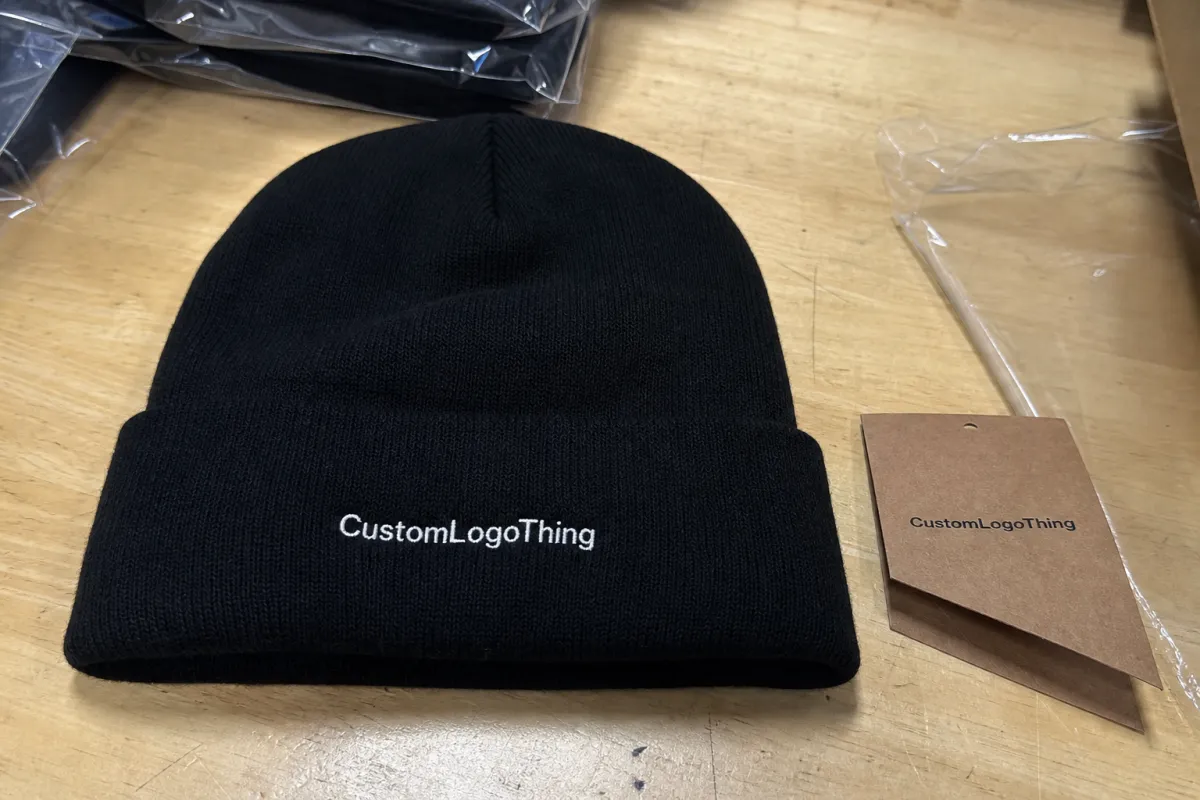
Most cosmetic swag fails for the same boring reasons: it looks disposable, fits badly, or gets used once and forgotten. A beanie does better because it has real utility. People wear it for warmth, for commute days, for travel, and for cold storefront mornings. That means your logo keeps working long after the launch table is gone.
From a packaging buyer's point of view, the smarter comparison is not beanies versus tote bags or keychains. It is impression value versus waste. A $2 item that dies in a desk drawer is expensive. A $6 beanie worn 15 times starts to look very reasonable. That is the part many buyers miss when they only compare unit cost on paper.
For cosmetics brands, embroidered beanies also pull double duty. They fit staff uniforms without feeling stiff. They work in influencer mailers without looking gimmicky. They can sit beside skincare sets, winter gift boxes, and holiday bundles without breaking the visual tone. A polished cuff beanie reads more premium than most low-cost swag because the decoration is stitched, not slapped on.
In practice, the right beanie becomes a small but visible brand asset. One clean logo, good yarn, and a decent fit do more for perception than five cheap trinkets. That is why a cosmetics Embroidered Beanies Unit Cost review should always include wear life, repeat exposure, and how the piece presents next to the actual product line.
How cosmetics embroidered beanies unit cost is calculated
A proper quote breaks into a few pieces. First is the blank beanie itself. Then comes embroidery digitizing, setup charges, thread, labor, and any special handling for placement or packaging. Freight matters too. A lot. If the supplier is hiding that number, the quote is not complete.
Embroidery does not use mold tooling the way plastic parts do, but some vendors still describe digitizing, frame setup, and machine preparation as tooling fees. Call it whatever you want. It is still a fixed cost that gets spread across the run. Smaller quantities feel that charge more sharply because there are fewer units to absorb it.
Logo size and stitch count move the price more than most buyers expect. A simple 3-inch one-color front mark can be quick to run. A large, dense logo with thin type, shading, or two placements takes more machine time and more operator attention. More colors do not always mean a dramatic jump, but they do add handling and can slow the line.
Here is the practical range I would use as a buyer baseline for a straightforward cosmetic promo run:
| Quantity | Example Spec | Typical Unit Cost | What Pushes It Up |
|---|---|---|---|
| 100-199 pcs | Acrylic cuff beanie, one-color front embroidery | $5.50-$9.50 | Setup charges, sample fees, small-run labor |
| 300-499 pcs | Same beanie, one or two colors, clean logo | $4.20-$7.20 | Dense stitch count, custom labeling, retail folding |
| 1,000+ pcs | Higher-grade knit, better yarn, simple embroidery | $3.10-$6.50 | Premium yarns, packaging, expedited freight |
Those are not fantasy numbers. They are the kind of bands you can actually compare. A lower price can still be the worse deal if it excludes freight, pre-production sampling, or rework on color approval. A cosmetics embroidered beanies Unit Cost Review only makes sense when the quote tells you what is included and what is not.
One more thing. A front-center logo is usually the cheapest decoration option. A second location, like a side mark or hem tag embroidery, can push cost up fast because the machine needs another run pass and extra setup. If a brand wants a clean retail finish, the extra spend can be justified. If it is just a staff giveaway, probably not.
Fabric, stitch count, and fit choices that change the final spec
Material choice sets the tone before the logo even goes on. Acrylic is the low-cost workhorse. It is warm, easy to source, and usually the best fit for large volume promo runs. Polyester blends add a little more durability and can feel cleaner in hand. Wool blends cost more, but they give the beanie a richer surface and a better winter retail look. Recycled yarns sit somewhere between marketing value and price pressure; they cost more than basic acrylic, but the sustainability story can matter for cosmetic brands that already talk about packaging reduction.
The knit structure matters almost as much as the fiber content. A denser knit holds embroidery better and keeps letters from wobbling. A looser knit can distort small text, especially if the logo includes thin lines or tiny type. If the artwork is delicate, I would rather switch to a woven patch or applique than force direct embroidery into a fabric that cannot support it.
Fit is not a throwaway spec. Cuff height, crown shape, and stretch recovery change how the beanie sits on different heads. A standard one-size design usually works fine for mixed-gender gifting, but the stretch needs to be tested. A cuff that is too tall can make the logo feel crowded. A crown that collapses too much after wear makes the whole piece look cheaper than it is.
For cosmetics brands, the decoration method should match the artwork. Direct embroidery is best for bold logos and clean icons. A woven patch is better for very fine detail. Applique works if the design has large shapes and the client wants a more tactile finish. If your logo has tiny serif text, no one should pretend embroidery is the perfect answer. It is not. The smarter move is to simplify the mark or change the decoration method.
Use the spec sheet to control the quote, not the other way around. If a supplier suggests a softer knit, ask how it affects stitch tension and logo clarity. If they suggest a thicker yarn, ask whether it changes the cuff recovery or the final hand feel. That is how you keep the unit cost aligned with the actual brand result.
Pricing tiers, MOQ breakpoints, and what each quote should include
MOQ is where many buyers get trapped. Lower runs are possible, but they usually cost more per piece because the fixed costs are spread over fewer hats. Once you move into stronger volume, bulk pricing starts behaving the way it should: setup gets diluted, and the unit cost drops faster than people expect. That does not mean you should overbuy. It means you should know the breakpoint before you ask for a quote.
For a cosmetics embroidered beanies Unit Cost Review, I would compare quotes in three lanes: a small run for sampling or a launch test, a mid-volume run for campaign work, and a higher-volume run for retail or multi-event use. That gives you a real view of the price curve instead of one lonely number that tells you almost nothing.
| Run Type | Typical MOQ | What You Get | Quote Checkpoint |
|---|---|---|---|
| Small test run | 50-100 pcs | Higher cost per piece, fast sampling | Check sample fee and embroidery setup charges |
| Campaign run | 200-500 pcs | Better unit cost, enough volume for launches | Check packaging, lead time, and color approval |
| Bulk run | 1,000+ pcs | Best cost per piece, stronger freight efficiency | Check landed cost, rerun terms, and delivery window |
Every quote should include the same basics, or you are not comparing like for like:
- Blank spec - fiber content, knit type, cuff height, and fit.
- Decoration detail - logo size, placement, thread colors, and stitch count estimate.
- Setup charges - digitizing, machine prep, and any first-run fees.
- Sampling - mockup cost, pre-production sample cost, and approval timing.
- Packaging - bulk pack, polybag, insert card, hang tag, or gift box.
- Shipping terms - ex-factory, FOB, DDP, or other landed pricing terms.
If a supplier sends a one-line quote with no breakdown, that is not efficiency. It is a future argument. Ask for the numbers in writing, then compare them against the approved mockup. A clean price is better than a low price that shifts after approval.
Process, timeline, and production steps from artwork to shipment
The order flow is usually simple, but every step can slow down if the inputs are sloppy. It starts with artwork review. If the logo file is a clean vector, that saves time. If it is a blurry JPG with missing colors and no placement notes, the quote will be slower and less accurate. After that comes digitizing, where the embroidery file is built for machine use.
A realistic timing band looks like this: artwork review takes 1 business day or less if the file is clean. Digitizing often takes 1-2 business days. A sample can take 5-7 business days depending on the factory queue and the complexity of the mark. Bulk production is often 12-18 business days after sample approval, and packing adds another 2-4 days before shipment.
Shipping is where the calendar gets real. Air freight can move a finished order quickly, often in 3-7 business days depending on route and clearance. Sea freight is much slower, but it can make sense for larger runs because the freight cost per piece falls. If the beanies are part of a gift box or mailer, transit testing is worth discussing early. The basic language used in ISTA protocols is useful if the packout needs to survive drops, vibration, and compression before it reaches a customer or influencer.
Here is what usually causes avoidable delay:
- Unreadable logo files or missing vector artwork.
- No Pantone or brand color reference.
- Unclear logo placement, especially on cuff height.
- Late sample feedback from marketing or merchandising.
- Changing packaging after production has already started.
Rush work is possible, but it comes with tradeoffs. Faster timelines can narrow fabric choices, reduce packaging options, and raise the final unit cost. If the launch date is fixed, say so early. That lets the supplier quote the real schedule instead of pretending standard lead time will magically bend.
For brands that include printed inserts or hang tags, ask for FSC-certified paper where appropriate. The basics are explained by FSC, and it is a sensible standard when the rest of the packout is already being positioned as premium.
Quality checks that make a premium beanie worth the spend
A good beanie is not just warm. It has to look right when it arrives, and it has to stay looking right after wear. The important checks are boring, which is usually a sign they matter. Logo alignment. Thread tension. Stitch density. Color consistency. Seam quality. Fit consistency across the run. If any one of those is off, the whole batch looks less expensive than it should.
Sample approval is the best insurance you have against waste. One approved sample can save a lot of rework because it settles the logo placement, thread colors, and size before bulk production starts. That matters even more for cosmetics launches, where brand presentation is part of the product story. A logo that sits too low or too small makes the piece look like a random giveaway instead of a planned gift.
Packaging also shapes perceived value. Bulk packing is cheapest, obviously. Individual polybags add cost but protect the surface. Branded inserts, belly bands, and retail cards raise the look of the piece and can help the beanie sit better in a gift set. If the order is for a retail add-on or VIP mailer, I would rather spend a little more on presentation than save a few cents and cheapen the result.
Quality control is not fluff. It protects margin. Fewer defects mean fewer replacements, fewer complaints, and less time spent fixing avoidable mistakes. If the carton is moving through a gift program, ask for a simple inspection plan and confirm whether packout follows a basic drop or compression check. That is the difference between a clean launch and a pile of half-damaged merch with a nice logo on it.
From a packaging buyer's point of view, the premium feel comes from small decisions made early: the right yarn, the right stitch count, the right packaging, and the right inspection standard. The cheapest run is often the one that creates the most follow-up work. Funny how that keeps happening.
FAQs
What is a realistic unit cost for embroidered cosmetics beanies?
Expect the price to move with quantity, decoration size, and yarn quality. Small runs cost more per piece because setup charges and digitizing are spread across fewer units. A simple one-color logo usually lands lower than multi-color or multi-location embroidery, and a landed quote is always more useful than a bare ex-factory number.
How does MOQ affect cosmetics beanie pricing?
Lower MOQ usually means higher unit cost because setup, sampling, and embroidery prep are divided across fewer beanies. Once quantity rises, bulk pricing starts to drop faster than many buyers expect. If the budget is tight, compare a small premium run against a larger value spec before you decide.
What files do you need for an accurate beanie quote?
Send a vector logo file, preferred Pantone or brand colors, placement notes, and the quantity split by color or size. If vector art is not ready, a clean high-resolution file still helps the digitizing team estimate the work more accurately. Add your target ship date so the quote reflects actual production speed, not wishful thinking.
How long does production usually take after approval?
Proofing and sample approval are usually the first gate, and slow feedback delays everything that follows. Bulk production typically starts after approval and then moves to inspection and packing before shipment. Rush timelines are possible, but they may narrow fabric options and raise the final price.
Can you match brand colors and retail packaging for embroidered beanies?
Yes, but exact color matching works best when you provide Pantone references or a physical sample. Retail packaging options can include hang tags, inserts, individual polybags, or boxed presentation depending on budget. Packaging adds cost, so ask for it as a separate line item instead of letting it hide inside the unit price.
If you want a cosmetics Embroidered Beanies Unit Cost review that actually helps you buy, send the quantity, logo file, color target, placement, and deadline. Then compare the value and premium quotes side by side, because that is usually where the real decision gets made.

