A bakery bag pays off when it does three jobs at once: it speeds up service, protects the product, and keeps the brand visible after the sale. Buying in bulk spreads setup costs across more units and makes reorders easier to manage.
That is why the details matter. Paper grade, bag style, print method, and storage format all affect daily use. A bag that looks fine on a spec sheet can still slow the counter if it is too narrow, too soft, or awkward to pull in a rush.
“A good bakery bag should support the sale without asking for attention. It needs to carry the product, carry the brand, and stay out of the way.”
For buyers comparing a custom bakery paper Bags Bulk Order, the useful questions are practical: Will it fit the product? Will it resist grease and handling? Does the MOQ match projected demand? Can the supplier repeat the same spec cleanly next season?
Why Bulk Bakery Bags Pay Off at the Counter
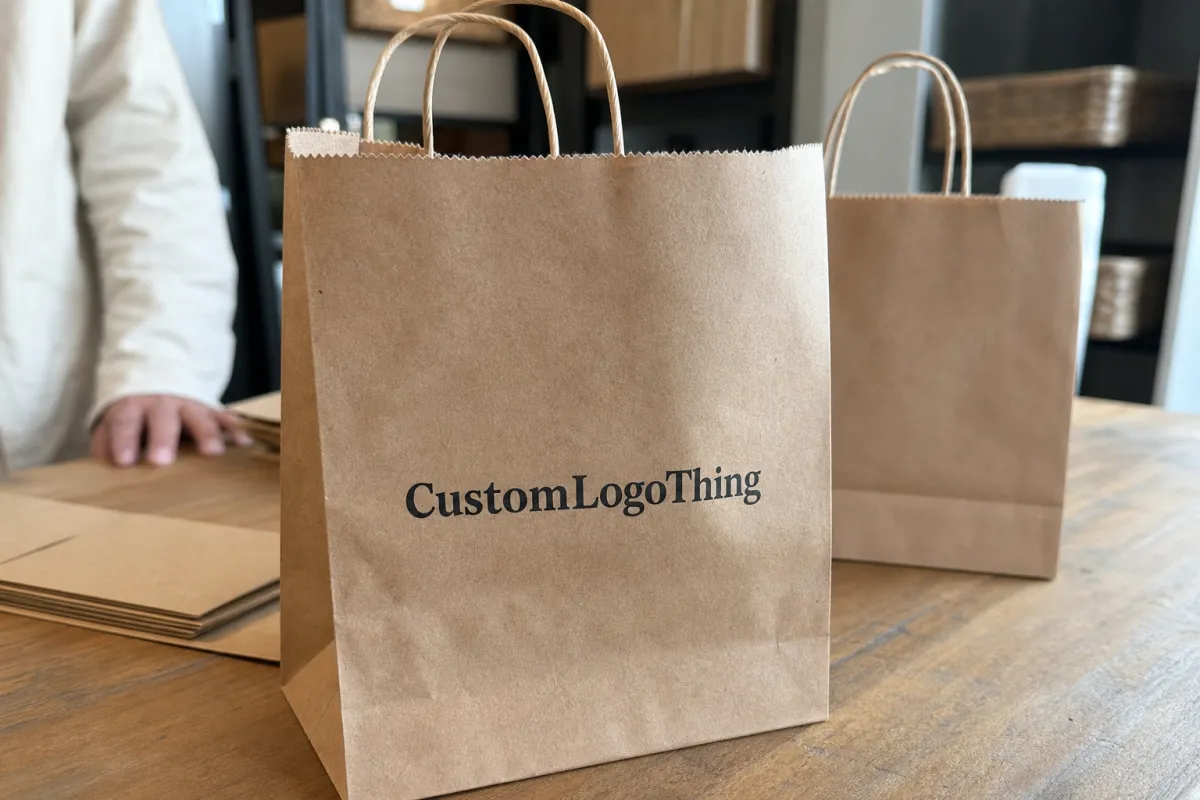
Bulk pricing works because setup, cutting, printing, and finishing are spread across more pieces. The savings are strongest when the same approved spec can be reordered without rebuilding the job.
Operationally, one standard bag system reduces confusion between shifts and locations. Staff do not have to choose between too many sizes during a rush, which helps keep the line moving and lowers the chance of the wrong bag being used.
The customer sees the result too. Clean logo placement, correct proportions, and a paper surface that holds ink well make the packaging feel intentional. For loose pastries, bread, and quick takeout, bags are often cheaper and faster than boxes or sleeves.
Too many custom formats usually cause more problems than they solve. Two or three standard bag styles usually cover most menus without overcomplicating inventory.
Bag Styles That Match Bread, Pastry, and Takeout Menus
Bag style should follow the product. Flat Paper Bags fit cookies, rolls, biscotti, and lighter pastries. Gusseted bags work better for loaves and baguettes because the extra depth gives the product room without crushing it.
Larger carry bags make more sense for boxed cakes, gift sets, and mixed orders. In those cases, internal dimensions matter more than outside footprint. A bag that is too narrow makes packing difficult. One that is too large looks sloppy and wastes material.
Handles are useful when the order includes a box or the customer may carry it farther. For a single pastry handed across the counter, handles usually add cost without much value.
For branding, surface area is useful real estate. Smaller bags may need only a logo panel and a short line of copy. Larger carry bags can support full-panel printing, which helps when the package appears in photos or moves through a busy neighborhood.
Most bakeries settle into a simple structure:
- Flat bag for cookies, small pastries, and dry goods.
- Gusseted bag for bread, baguettes, and taller items.
- Carry bag for boxed orders, gifts, and mixed purchases.
That approach keeps storage manageable and gives the bakery a consistent look across products. It also makes it easier to choose packaging from the menu instead of improvising at the counter.
Paper Grades, Liners, Handles, and Print Surfaces
Paper choice changes the whole order. Kraft paper gives a natural look and usually fits bakeries that want a practical or artisanal feel. White paper can sharpen logos and make fine type easier to read.
Heavier food-service grades add structure for loaves, pastry boxes, and mixed orders. If products are greasy, glazed, or warm, ask about grease resistance and wet strength. A bag that looks fine on a desk can still fail during service.
Liners can reduce oil transfer, but they also add cost and change the hand feel. In many bakery programs, a better base paper does more than an extra layer.
Print surface matters too. Uncoated paper usually gives a softer, more natural result and works well for one-color branding. Smoother or coated surfaces can sharpen logos and improve fine detail. The right choice depends on whether the bag should look rustic, premium, or somewhere between.
For buyers comparing sourcing or sustainability claims, third-party references help. The FSC is a useful reference for fiber sourcing, while ISTA testing can matter if bags are packed into cartons and shipped through a distribution chain.
A practical spec checklist usually includes:
- Paper weight or basis weight.
- Gusset depth.
- Handle type, if any.
- Fold style and opening width.
- Print colors and ink coverage.
- Whether the bag must fit a box, tray, or single pastry.
These details are where most mistakes happen. If one is vague, the final bag may arrive too soft, too narrow, or too slick for daily use.
Pricing, MOQ, and What Actually Drives Unit Cost
Pricing usually comes down to five levers: material weight, bag size, print coverage, handle choice, and quantity. Once those are fixed, variation in the order becomes the biggest cost driver.
MOQ matters because setup cost has to be absorbed somewhere. A low-volume run with multiple versions will always be pricier than one core design with the same total volume. That is especially true for packaging used every day rather than only during a seasonal spike.
Typical ranges below are only a rough reference. Real quotes move with paper grade, print coverage, freight, and finishing.
| Bag Type | Typical MOQ | Common Unit Range | Best Use |
|---|---|---|---|
| Flat kraft bag, one-color print | 5,000-10,000 | $0.08-$0.16 | Cookies, rolls, light pastries |
| Gusseted bakery bag, medium weight | 5,000-10,000 | $0.12-$0.22 | Bread, baguettes, taller items |
| Handled carry bag with logo print | 3,000-8,000 | $0.18-$0.35 | Boxed orders, gifts, mixed takeout |
| Premium print or heavier stock | 5,000+ | $0.22-$0.42 | Brand-forward retail packaging |
Simple artwork, limited colors, and reused tooling usually help pricing. Always compare quotes only after confirming the same size, stock, and finishing details. A lower headline price can hide smaller dimensions, lighter paper, or freight that appears later.
If packaging is purchased across categories, ask whether the supplier offers a broader Wholesale Programs structure. Bundling repeated needs does not solve every pricing issue, but it can make procurement more consistent.
Production Steps, Proofs, and Lead Time Expectations
The fastest jobs are the ones with clean approvals. A typical order starts with a quote request, moves to artwork proofing, then sample or spec confirmation if needed, followed by production and shipment. Delays usually happen before production begins.
Artwork revisions are the most common slowdown. A logo in the wrong format can add time. Changing print coverage after proof approval can add more. If the bag needs a special coating, custom size, or test sample, the schedule gets longer again.
Lead time varies by format, but repeat orders often move in roughly 12-15 business days after proof approval. First-time custom runs usually take longer, especially if the order involves new tooling or complex printing. Freight transit adds its own clock; ship date and delivery date are not the same thing.
A better request is a written schedule with milestones:
- Artwork approval deadline.
- Production window.
- Packing and dispatch date.
- Estimated freight transit time.
For seasonal shops, store openings, and menu resets, timing often matters more than shaving a little off unit cost. A delayed packaging shipment can force emergency buying or push staff toward generic substitutes at the wrong moment.
If a custom bakery Paper Bags Bulk order needs to arrive before a launch or holiday period, build in extra time for proofing and transit rather than assuming the schedule will flex later.
How to Size, Pack, and Store Bakery Bags for Daily Use
Bag size should follow the product, not the hope that one format can cover everything. A bag that is too tight slows the line and can damage frosting or toppings. One that is too large creates slack and wastes space.
The best sizing method is still simple: test the real item. Put an actual loaf, pastry tray, or boxed set into the candidate bag before approving the run. That catches more problems than a spec sheet alone.
Storage matters too. Flat cartons keep bags neat and easy to pull. Counter dispensers help when service volume is high. In humid storage areas, keep cartons off the floor and away from condensation because paper still reacts to moisture.
Standardized sizes make training easier and reduce the odds of pulling the wrong bag during a rush. For multi-register bakeries, consistency also improves speed at the counter.
For operations teams, the main questions are straightforward:
- Can the bag hold the product without force?
- Does the opening stay usable after filling?
- Can staff pull the right size quickly?
- Does the bag store flat without damage?
That is where a well-planned order saves money beyond the quote. It reduces friction every day, and in a bakery, friction is usually the hidden cost.
What Makes a Reliable Supplier for Reorder Stability
Reliability shows up in the details that are easy to overlook: the same paper color on every run, the same print placement, and the same dimensions. If a supplier cannot repeat those basics, the bakery pays for inconsistency through waste and rework.
Good documentation is one of the strongest signals. A dependable partner records approved specs, keeps art files organized, and understands the difference between a fast quote and a stable production plan. A low first order can become an expensive second order if the run cannot be repeated cleanly.
Service signals matter too. Responsive quoting, clear proofs, realistic lead times, and direct freight communication are all good signs. So is a willingness to explain where the cost comes from instead of hiding it behind vague claims.
The better suppliers ask more questions, not fewer. They want to know product weight, grease exposure, storage conditions, and whether the bags will be used at one store or across several locations. That context usually leads to a better result.
For buyers managing a larger packaging program, stability across custom printed boxes, bags, and labels creates a cleaner system. One supplier may not handle everything, but the workflow should still feel coordinated.
Next Steps Before Requesting a Quote
The cleanest quote requests include the details that affect production. Before asking for pricing on a custom bakery Paper Bags Bulk order, gather the bag size, product type, quantity, print colors, handle preference, and whether grease resistance or a liner is required.
Artwork should be ready in a usable format. If the brand color has to match an existing box or label, say so early. Proof revisions move faster when the supplier is not guessing at color intent. If the bakery is unsure about stock strength, ask for sample options before locking the full run.
A simple decision path works well:
- Confirm the bag size against the largest product.
- Choose the paper grade based on grease, steam, and weight.
- Keep the print simple unless the bag is meant to feel premium.
- Request pricing at more than one quantity.
- Lock the delivery window before peak demand starts.
That process keeps the order practical: built to carry product, protect the sale, and keep the brand visible without slowing service.
FAQ
What size should I choose for a custom bakery paper bag bulk order?
Match the bag to the widest product you sell, not only the item you move most often. Leave enough room for folding or handling without crushing pastries. If the menu includes several formats, two or three standard sizes usually work better than one oversized bag for everything.
What is the usual MOQ for bakery paper bags in bulk?
MOQ depends on bag size, print coverage, and whether the order uses standard tooling or a custom format. One core design usually gives better pricing than splitting a small order across several versions. Ask for price breaks at different quantities so you can see where the best unit cost begins.
Which paper stock is best for greasy pastries or warm bread?
Choose a grease-resistant or heavier food-service grade when butter, glaze, or steam can transfer into the bag. For dry items like rolls or cookies, a lighter kraft stock may be enough and more economical. Test the bag with real product before approving a full run.
Can I print my logo on custom bakery paper bags in bulk?
Yes, most bulk bakery bags can be printed with one-color or multi-color branding. Keep the artwork simple if you want lower setup Cost and Faster production. Ask for a proof so logo placement, size, and color expectations are clear before production starts.
How long does a bakery paper bag bulk order usually take?
Lead time depends on artwork approval, bag specs, and whether samples are needed first. Standard repeat orders move faster than new custom sizes or new print setups. Build in extra time before holiday peaks or store launches so packaging does not become the bottleneck.

