Custom bakery paper bags Sample Approval Checklist sounds like a paperwork exercise until you are the one staring at a finished sample that looks right on a desk and wrong in the hand. Bakery bags have a narrow margin for error. They need to carry warm pastries, hold shape under quick counter service, keep grease from telegraphing through too early, and still present the brand cleanly when the customer walks out the door. A sample is the cheapest place to catch what production would otherwise repeat by the thousands.
That is especially true for bakeries that move quickly between grab-and-go orders, boxed pastries, and heavier items like loaf bread or stacked cookie packs. The bag has to be visually neat and structurally honest. If it only works under ideal conditions, it is not approved. The checklist is there to expose that gap before it turns into a reorder, a rush replacement, or a box of bags that never quite match the real use case.
Buyers who also handle broader custom packaging products usually already know the pattern: a bag that photographs well is not necessarily a bag that survives a busy service window. Paper grade, handle build, print placement, and fold behavior all affect the final result. A useful approval process respects all of those variables instead of treating them as details to sort out later.
What a Custom Bakery Paper Bags Sample Approval Checklist Catches
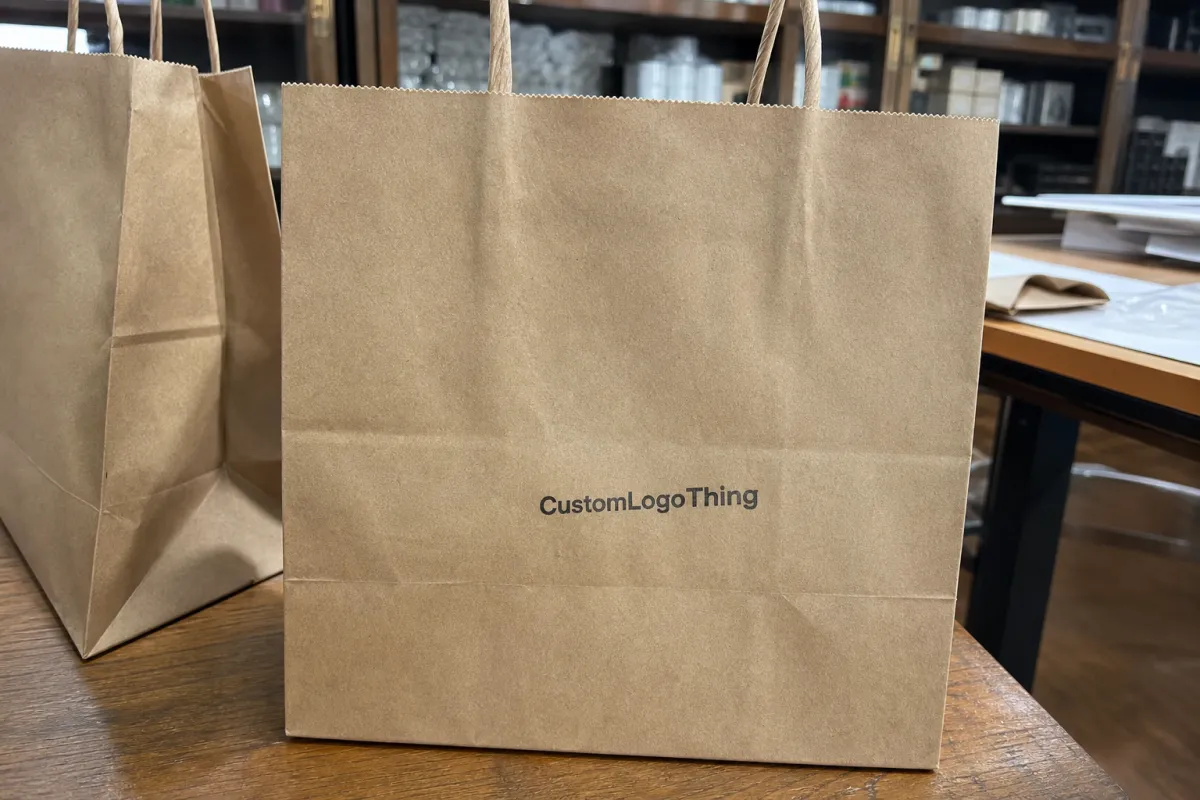
The value of a custom bakery paper bags Sample Approval Checklist is that it separates surface polish from actual performance. The issues it catches are often small enough to ignore in a proof and expensive enough to regret in production: a gusset that opens unevenly, a seam that pulls under load, a handle that feels fine once but loosens after repeated lifts, or ink that darkens differently on kraft stock than it did on a screen.
Bakery bags live in a tricky space between retail packaging and food-service packaging. They are handled by staff in a hurry, seen by customers at close range, and often placed next to warm food, paper liners, or lightly greasy wraps. A bag that works for dry cookies may not behave the same way with a warm cinnamon roll or a pastry box with condensation on the base. That is why the sample should reflect the actual order mix, not a simplified version of it.
A good sample proves more than appearance. It shows whether the bag can be filled, carried, set down, opened again, and still look like a deliberate part of the brand.
That last point matters more than people tend to admit. If a bag collapses when it is half full, or if the logo falls into a fold, the customer experiences that as quality, not as an isolated technical defect. The checklist keeps those failures visible before anyone signs off on a run.
For buyers managing branded packaging across multiple formats, consistency matters too. A bakery bag should not feel like an unrelated item sitting next to custom boxes or labels. If the structure, color handling, and print discipline are aligned, the whole package system feels intentional. If not, the brand reads as patched together.
How the Sample Approval Process Works Before Production
The cleanest approval process starts with a dieline. Flat dimensions, gusset depth, height, handle placement, print boundaries, and bottom construction should be clear before the first sample is made. If those details are vague, every later version becomes harder to compare because nobody is testing the same target twice.
Most projects move through three practical checkpoints. First is the digital proof, which verifies artwork placement, copy, panel layout, barcode or QR placement, and any legal text. Second is the structural or plain sample, which confirms size, fold memory, bottom strength, and carrying feel without print distraction. Third is the production-like sample, which shows the final paper, finish, ink behavior, glue lines, and handle performance together. Each stage answers a different question. Treating them as interchangeable causes avoidable mistakes.
| Sample type | What it proves | Typical cost range | Typical turnaround |
|---|---|---|---|
| Digital proof | Artwork placement, copy, barcode, and panel layout | $0-$25 | Same day to 24 hours |
| Plain structural sample | Size, gusset depth, fold behavior, and carrying feel | $25-$80 | 3-7 business days plus shipping |
| Production-like sample | Final print, paper stock, finish, and handle performance | $75-$250+ | 5-12 business days plus shipping |
Those cost ranges are broad because material choice changes the math quickly. A plain kraft sample is usually inexpensive. A printed sample with specialty coating, heavier paper, or reinforced handles can cost much more, but it also tells the truth sooner. The more variables your bag includes, the more valuable a realistic sample becomes.
The approval schedule usually slows down for predictable reasons: incomplete artwork, too many reviewers, and last-minute changes to the product mix. One person wants the logo larger. Another wants a softer finish. Operations wants stronger handles because the bags may carry heavier boxes during holiday periods. That feedback should be gathered, compared, and resolved before the sample is signed off. A single revision round is far better than a string of contradictory comments spread across email threads.
For transit and carton checks, it helps to think in terms used by recognized transport methods such as ISTA transport testing guidelines. You do not need a lab to notice whether a pack shifts in transit, but you do need a repeatable way to see how a finished bag behaves after shipping, stacking, and storage.
Size, Structure, and Grease-Resistance Checks
Size is the first thing to verify and one of the easiest things to misread on paper. Measure width, gusset depth, height, and opening strength with the actual bakery items you plan to pack. A bag that handles two croissants may still fail with a pastry box, a wrapped loaf, or a heavier mixed order. A few millimeters can decide whether the fit feels tidy or awkward.
It helps to test more than one load case. A light pastry order. A medium counter order. A heavier mixed order with a box or a loaf. That spread shows how the bag behaves when it is partially full and when it is close to capacity. Many custom Bakery Paper Bags perform well in the 120-180 gsm kraft range for light food-service use. Heavier or more premium builds may move into the 170-200 gsm range, often with reinforcement at the bottom edge or top fold if the carry load is higher.
- Width and gusset: confirm the bag opens wide enough without bowing outward.
- Height: make sure the contents do not crush the top fold or stick out awkwardly.
- Bottom strength: fill the bag, set it down, then lift it again after a short hold time.
- Handle style: flat tape, paper twist, or die-cut should match the intended load.
- Grease contact: watch for softening, darkening, or visible bleed near the base.
Grease resistance is not always a simple coating question. Sometimes the paper stock itself is the issue. Sometimes the finish looks good but reacts badly when a warm item creates light condensation. A bag can pass a dry test and still wrinkle too fast once it holds a fresh pastry for ten minutes. That is why the checklist should include both dry handling and realistic warm-item handling.
Structure matters just as much as print. Does the bag stay upright on the counter after filling? Does the opening stay usable? Does the fold close cleanly without collapsing inward? If the answer changes depending on how full the bag is, the sample is showing you the production limit. Better to see that limit now than after a pallet arrives.
For bakeries that pair carry bags with inserts, sleeves, or product boxes, the bag should fit into the full product packaging system without friction. Matching dimensions and carry behavior keep the handoff simple for staff and consistent for customers. The same logic applies to branded packaging solutions that need to work together at the counter rather than as isolated pieces.
Print, Color, and Branding Details to Verify
Once the structure works, the next review is print. That is where teams often relax too early. A logo can sit perfectly on a proof and still land too close to a fold line, lose contrast on kraft paper, or disappear under warm retail lighting. Check every panel that matters: front, back, sides, bottom area if printed, and any label or barcode zone that will be scanned or read by staff.
Color should be judged against a physical reference whenever possible. Screens shift color. Office lighting shifts it too. On unbleached kraft, black often prints softer than expected, reds can lean brown, and pale colors can fade into the paper tone. If the bag is part of a broader packaging program, apply the same Pantone discipline you would use for custom printed boxes. That consistency is what makes the brand feel controlled rather than improvised.
Finish changes the reading of color as well. Matte kraft feels natural and restrained. Gloss can brighten the print but also shows scuffs and fingerprints more easily. Soft-touch or coated finishes create a different feel in the hand, though they can also add cost and lead time. None of those finishes is automatically better. The right one depends on how the bag will be used, how much handling it will receive, and what impression the bakery wants to leave at first touch.
Review the sample under the same conditions it will actually face. If the bags will sit under warm lights near a service counter, review them under warm light. If they will be stacked for pickup and handled by staff five times a day, do that too. A bag that looks crisp in a clean office can read differently once the light warms up and the stock starts to move through real hands.
One habit saves time later: photograph the approved sample beside the approved artwork file and note the version number on both. That record looks tedious because it is. It also stops the most common post-approval argument, which is someone saying the logo was supposed to be larger or the color was supposed to be brighter. The sample file settles that quickly.
Sample Cost, MOQ, and Quote Drivers
Sample cost depends on more than people expect. Size, material, print coverage, handle build, coating, and setup all move the price. A simple kraft structure sample is usually affordable enough to justify early testing. A fully printed sample with special finish and reinforced construction costs more, but it usually answers the critical questions faster. If the bag has multiple moving parts, pay for the sample that looks and behaves like the real order.
MOQ and unit pricing usually move together. Lower quantities carry more of the setup burden, so the sample fee and tooling costs weigh more heavily. Higher quantities improve unit price, but any mistake gets multiplied across the run. For simple Custom Bakery Paper Bags, order quantities may begin around 1,000 to 3,000 pieces. More efficient printed runs often land closer to 5,000 to 10,000 pieces, depending on size, print count, and finishing requirements. Those numbers are not fixed rules; they shift with paper stock, handle type, and whether the bag needs reinforcement.
Ask for the quote in components instead of one flat number:
- Sample fee and whether it can be credited toward production.
- Revision fee if artwork, dimensions, or structure change.
- Shipping cost for samples and final cartons.
- Unit price at each quantity tier.
- Lead time impact if paper, finish, or handle style changes.
Another thing to check is whether the sample uses the exact final paper stock. Sometimes a supplier will make the sample in a similar stock because the exact material is not available yet, or because one prototype does not justify a full production allocation. That can be acceptable if it is disclosed clearly. If it is not, you are approving a close match rather than the final build.
If sustainability claims are part of the sale, paper certification should be documented with the quote and the approval file. If a supplier references FSC status, ask for the relevant paperwork and keep it with the order record. For reference, FSC certification information explains the kind of claim those documents are meant to support. Buyers get into trouble when eco language is treated as proof without the backup.
The financial risk here is not abstract. A low-cost sample can hide a mismatch that forces a full reprint later. If the logo sits too close to the fold or the handle style cannot hold the intended load, the production run may need to be remade rather than adjusted. A careful approval process protects both the quote and the launch schedule.
Common Approval Mistakes That Cause Reprints
The biggest mistakes are usually the plainest ones. People approve from photos instead of handling the sample. They test the front panel and ignore the side seam. They look at the logo and skip the bottom structure. Then the finished run arrives and the surprises start, as if paper somehow forgot to behave like paper.
These are the missteps that show up again and again:
- Approving without real bakery items - a sample should hold the pastries, loaves, or boxes you actually sell.
- Ignoring fold behavior - a bag can look correct flat and still fail when opened and filled.
- Skipping handle pull tests - weak handles often fail only after repeated lifts.
- Checking only the front panel - seams, side panels, and the reverse side often reveal mistakes.
- Allowing separate approvals from multiple people - one decision owner prevents contradictory sign-off.
A common real-world problem is scope drift. A bakery approves a bag for light pastry orders, then later wants to use it for stacked bread boxes during a busy season. The bag size no longer matches the fill, the base is stressed, and the handles are no longer comfortable under the heavier load. That is not a minor tweak. It changes the product category.
Another trap is assuming the approved sample automatically matches the final order. Confirm the paper stock, adhesive, print method, finish, and handle construction in writing. If any of those change, treat the new version as a separate approval point. A supplier may see a small adjustment. The receiving team usually sees a mismatch.
The cleanest fix is a single approval owner with a written record. Brand, operations, and purchasing can all comment, but one person signs off after reviewing the final sample against the final use case. That prevents the packaging equivalent of a committee decision, which almost always produces vague accountability and extra rework.
Final Next Steps Before You Approve the Run
Before production starts, confirm the dimensions one more time, test the bag with live bakery items, and photograph the approved sample from several angles. Then record the artwork file name, version number, paper stock, finish, handle style, and quantity. Keep that information with purchasing and operations so the order can be checked against it later.
A practical approval sequence usually stays short:
- Check the measured sample against the approved dieline.
- Load it with the real product mix.
- Inspect print, fold, and handle performance.
- Record the final sign-off in writing.
- Store one master sample as the reorder reference.
That master sample is worth keeping flat, dry, and clearly labeled. It becomes the comparison point for future reorders and receiving checks, which matters when the bakery changes seasonal branding, alters fill weights, or shifts between packaging formats. If you later expand the same look across other custom packaging products, that reference helps keep the carry bag aligned with the rest of the system.
The real test is repeatability. A sample only matters if the factory can reproduce it at scale without changing the feel of the bag. That is why the custom bakery Paper Bags Sample Approval Checklist is not extra administration. It is the point where design, material choice, and production reality have to agree. If the sample survives the full use case and the notes are clear, approval makes sense. If it does not, the right move is to revise the sample, not to hope the run will improve on its own.
What should a custom bakery paper bags sample approval checklist include?
It should cover measured size, gusset depth, fill capacity, paper weight, handle strength, bottom integrity, fold quality, and grease behavior with real bakery items. It should also verify logo placement, color accuracy, panel alignment, and any barcode or legal text on the finished sample.
How many bakery paper bag samples should I review before sign-off?
Review at least one structural sample and one print-accurate sample if the order includes branding. If the bag will be used for multiple product sizes, test each one separately. Ask for another sample whenever the paper, finish, size, or handle style changes.
How long does the sample approval process usually take for custom bakery paper bags?
Digital proof review is often same day or within 24 hours. Physical samples usually take several business days plus shipping time. Each revision adds time, and incomplete artwork can slow the schedule more than the sample itself.
What is the biggest mistake in bakery paper bag sample approval?
Approving on appearance alone is the biggest mistake. The sample needs to be tested with real product weight, heat, and light grease exposure. Handle pull, bottom strength, and fold behavior are the issues that usually show up later if they are ignored during approval.
How do I know if the sample cost is worth it for custom bakery paper bags?
Compare the sample fee against the cost of a reprint, a delayed launch, or wasted inventory. A more realistic sample is usually worth the higher fee when the bag has several variables. Use the sample to confirm the quote, MOQ, and unit price before production begins.

