Buyer Fit Snapshot
| Best fit | Custom Bubble Mailers With Logo projects where brand print, material claims, artwork control, MOQ, and repeat-order consistency need to be specified before quoting. |
|---|---|
| Quote inputs | Share finished size, material target, print colors, finish, packing count, annual reorder estimate, ship-to region, and any compliance wording. |
| Proofing check | Approve dieline scale, logo placement, barcode or warning zones, color tolerance, closure strength, and carton packing before bulk production. |
| Main risk | Vague material claims, crowded artwork, missing packing details, or unclear freight terms can make a low unit price expensive after revisions. |
Fast answer: Custom Bubble Mailers With Logo: What Actually Matters should be specified like a repeatable production item. The safest quote records material, print method, finish, artwork proof, packing count, and reorder notes in one written spec.
Production checks before approval
Compare the actual filled-product size with the drawing, then confirm tolerance on folds, seals, hang holes, label areas, and retail display edges. Reserve space for logos, QR codes, warning copy, and material claims before decorative graphics fill the panel.
Quote comparison points
Review material grade, print process, finish, sampling route, tooling charges, carton quantity, and freight assumptions side by side. A quote is only useful when the supplier can repeat the same color, closure quality, and packing count on the next order.
Custom Bubble Mailers with Logo: What Actually Matters
Custom Bubble Mailers with logo are one of those packaging decisions people dismiss until the monthly numbers land on the desk. I have watched brands lose more money to the wrong mailer than to a modest print upgrade, which sounds dramatic until you factor in damage claims, packing labor, and re-shipments. A mailer that fits the product well can trim packing time, cut breakage, and make the unboxing feel deliberate instead of improvised. Pick the wrong one and the result is usually obvious before the carrier even leaves the building.
For a packaging buyer, custom bubble mailers with logo occupy a practical middle lane. They are lighter and usually less costly than Custom Printed Boxes, yet they do more than a plain poly mailer. They add cushioning, carry branded packaging, and keep fulfillment simple for products that need protection without a rigid carton. Apparel, beauty items, books, accessories, subscription kits, and samples often fit that profile. If the item is light, flat, and not crush-sensitive, the format makes sense. If it is not, the format is just a shiny mistake.
There is no shortcut around fit. Custom bubble mailers with logo are not built for everything, and they do not forgive overstuffing. Sharp corners, oversized pieces, and fragile goods that need stiff walls can overwhelm them quickly. Packaging has a blunt way of exposing wishful thinking, kinda like a final audit after a launch.
What Custom Bubble Mailers With Logo Actually Do
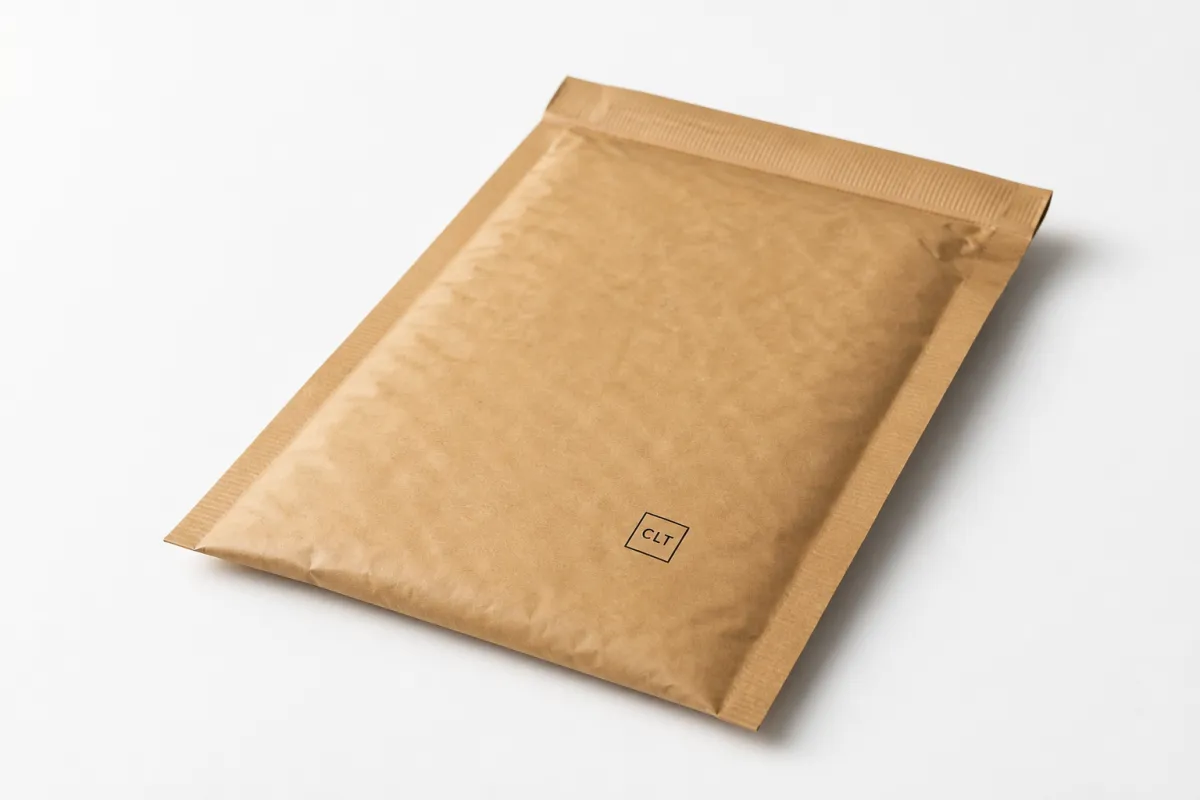
At their core, custom bubble mailers with logo handle three jobs at once: they protect, they brand, and they speed up fulfillment. That combination explains why they show up so often in modern product packaging. One package moves through the lane, not three different layers of compromise.
The outside surface is often the first branded piece a customer touches. Before the item appears, the mailer has already made its case. Clean print, consistent color, and a sturdy feel suggest a business that pays attention. Thin film, warped sizing, or muddy graphics suggest the opposite, and customers notice faster than brands expect. That first tactile impression is not fluff. It is part of the sale.
These mailers fit products that need light cushioning rather than a rigid shell. Folded clothing, small cosmetics, paperback books, jewelry in pouches, phone accessories, refills, and sampler sets all sit comfortably in that space. They also work for subscription assortments that have been flattened into slimmer packaging, or for ecommerce brands trying to reduce shipping weight without flattening the presentation.
A less obvious benefit sits on the warehouse floor. Custom bubble mailers with logo can shave seconds off each order because the flap self-seals and the bubble layer removes the need for separate padding in many cases. Multiply a few seconds by hundreds or thousands of orders a week and the difference stops being theoretical. In one fulfillment review I helped with, a simple mailer change reduced pack-out time enough that the team stopped needing overtime on its heaviest shipping days. Not glamorous, just useful.
- Fewer packing steps: one mailer, one insert if needed, one label.
- Less filler: no void fill for products that only need light cushioning.
- Smaller parcel profile: often lower dimensional weight than a larger carton.
- Stronger brand cue: the outer face already carries the package identity.
Custom bubble mailers with logo still have limits. Overfilling them can lead to seam stress, bent contents, or a package that looks bloated before it ever reaches a hub. If an item crushes, cracks, or shifts too much in transit, move up to a box or add a more protective insert. The mailer is a tool, not a rescue plan.
For brands comparing formats, it helps to treat these mailers as a leaner sibling to Custom Poly Mailers. Poly mailers are lighter and generally less expensive. Bubble mailers add padding and a little more confidence when the product can take light impact but not rough handling. The tradeoff is pretty direct: more protection, more material, more cost.
How Custom Bubble Mailers With Logo Work in Shipping
Custom bubble mailers with logo work because the structure layers make sense. The outer layer carries the artwork and resists abrasion. The bubble liner absorbs impact. The adhesive flap closes the package quickly and securely. The system is simple, and in shipping, simple usually wins.
The outer shell can be film or kraft paper, depending on the look and performance target. Film-based custom bubble mailers with logo usually resist moisture and tearing better. Kraft versions often read as warmer and more natural, which suits brands aiming for a softer, tactile look. Both can perform well, but they signal different things. If your packaging design aims for sharp and modern, film may fit. If it leans toward crafted and textured, kraft deserves a closer look.
The logo application method depends on the substrate and the order size. Flexographic printing is common for larger runs and simpler color sets. Digital printing can help with shorter runs and more detailed artwork, though the per-unit cost may rise. Gravure and offset-style methods can produce highly refined results on certain materials, but they usually make sense at scale or within specific manufacturing setups. There is no universal winner. Quantity, artwork complexity, and the mailer surface decide the right route.
Shipping flow stays straightforward:
- Choose the size that matches the product without forcing the seal.
- Insert the item with enough room to avoid seam stress.
- Press the flap shut and let the adhesive finish the job.
- Place the carrier label on a flat area.
- Send it through normal parcel handling.
That is a big reason custom bubble mailers with logo are so common in high-volume ecommerce. They strip friction out of the line. No extra carton. No heavy filler. No setup sequence that slows shipping to a crawl.
They do not replace rigid protection. If a product needs edge support, crush resistance, or serious puncture resistance, a bubble mailer is only one part of the answer. ISTA testing standards help pull the conversation away from optimism and back toward real transport conditions. For brands validating a format, the guidance from ISTA is a practical place to start.
In the best cases, custom bubble mailers with logo create a useful contradiction: the package looks polished, yet the customer does not have to open a giant carton for a small item. That is sound retail packaging logic. Less waste. Less bulk. Clearer intent.
Material, Print, and Size: The Key Factors That Change Results
If custom bubble mailers with logo disappoint, the issue usually sits in one of three places: material, print, or sizing. Buyers like to blame the supplier first. That is convenient. It is not always accurate.
Material shifts both appearance and performance. Poly bubble mailers are durable, moisture-resistant, and usually a strong choice for mass shipping. Kraft bubble mailers lean more natural and premium, especially when a brand wants a paper-forward appearance. For sustainability claims, kraft plus FSC-certified paper sourcing can support the story, particularly when the rest of the package branding stays consistent. If that matters to your brand, check paper source claims and chain-of-custody details through the FSC network. The claim has to be real, though. Buyers are better at spotting greenwashing than many teams assume.
Print method matters just as much. One- or two-color logos are often more economical and usually print cleaner on many mailer surfaces. Full-color artwork can look excellent when the file is strong and the substrate cooperates, but it can raise cost and narrow material options. More colors usually mean more setup, more ink matching, and more production complexity. That is not a value judgment. That is factory economics.
Size selection is where many brands get sloppy. The mailer should fit the product with room for safe insertion and a dependable seal, but not so much room that the item slides around like loose hardware in a drawer. Oversized custom bubble mailers with logo waste money, increase dimensional weight, and look less polished. Undersized ones strain the seams and make the package feel forced.
Here is a useful way to think about material and format choices for custom bubble Mailers With Logo:
| Option | Best For | Typical MOQ | Typical Unit Price | Main Tradeoff |
|---|---|---|---|---|
| Poly bubble mailers | Apparel, accessories, low-moisture shipping lanes | 500-2,500 pcs | $0.22-$0.55 | Durable, but less premium to the touch |
| Kraft bubble mailers | Beauty, books, lifestyle brands, earthy branding | 1,000-5,000 pcs | $0.28-$0.68 | Better feel, but usually a bit more fragile than poly |
| Full-color custom printed versions | Campaign launches, bold branding, retail packaging crossover | 2,500-10,000 pcs | $0.35-$0.90 | Higher cost and more proofing sensitivity |
| Standard one-color logo print | Daily ecommerce fulfillment, repeatable reorders | 500-5,000 pcs | $0.18-$0.42 | Simple, cost-controlled, and less visually loud |
Bubble density and seam strength also matter. Thicker bubbles and reinforced seams help when the contents are heavier, have sharp corners, or move through longer lanes with more handling. That does not mean thicker is always better. It means the product should drive the spec, not the other way around. I have seen teams pay for a heavier construction simply because it looked more “premium” on paper, then discover the shipment profile never needed it.
Finish changes perception more than many buyers expect. Matte surfaces feel calmer and more premium. Glossy surfaces catch light more aggressively. Soft-touch finishes can feel expensive, although they are not practical on every substrate. Kraft textures can make custom bubble mailers with logo feel more considered, especially for brands that care about tactile product packaging. The touch matters. Buyers register it even when they cannot explain the reason.
“If the outside feels cheap, people assume the inside was cheap too. That may be unfair, but it is how package branding works.”
If you are choosing between custom bubble mailers with logo and other Custom Packaging Products, compare the actual use case, not just the unit price. A lower-cost mailer that increases damage or shipping charges is not saving money. It is only hiding the bill somewhere else.
Custom Bubble Mailers With Logo: Process and Timeline
Custom bubble mailers with logo move through a predictable production path, though predictable does not mean instant. First comes the spec request. Then size, material, print area, and quantity get confirmed. Artwork gets checked, proofed, and approved. Production starts. Packing and shipping follow. The rhythm is simple, but delays usually collect in one of those steps.
Artwork causes some of the worst delays. Logos that look crisp on a monitor can fall apart if the file is low resolution, the colors are hard to match, or the print area is too crowded. Simple art with strong contrast usually moves faster. Add gradients, tiny text, or thin strokes and the proofing cycle tends to stretch. That is not the supplier being difficult; it is the press refusing to guess.
Dimensions can slow things too. Change the size after proofing and you may change the print layout, carton packing, and even the closure style. A clean spec sheet prevents a lot of pain. The fewer surprises production faces, the less time the order spends waiting for a decision. If the spec is vague, production is gonna fill in the blanks for you, and those blanks are rarely flattering.
Typical lead times for custom bubble mailers with logo vary, but practical ranges look like this:
- Simple reorders: often 7-12 business days after proof approval.
- First-time custom jobs: often 12-18 business days after proof approval.
- Complex print or special finishes: often 18-25 business days or more.
- Freight transit: add domestic or overseas shipping time on top of production.
That delay can be irritating. Production is not a vending machine. Clear specs, approved art, and quick internal sign-off reduce the chances of the order sitting around while someone searches for the right file or asks for one more color tweak. The slow part is often internal, not mechanical.
Planning backward from launch helps. Start with the date inventory needs to be in hand, then subtract transit time, proof time, and internal review time. Teams often forget the review window, which is odd because that is often where momentum disappears. If the marketing team needs custom bubble mailers with logo for a launch, the order should be locked before the campaign calendar hardens.
From an operations standpoint, a disciplined process reduces rush fees and waste. It also prevents the order from becoming a late-night email chain. Good packaging design is not only visual. It is scheduling, file hygiene, and knowing what you need before you ask for a quote.
Custom Bubble Mailers With Logo: Cost, Pricing, and MOQ
Price for custom bubble mailers with logo comes from a few clear inputs: material, print method, size, quantity, color count, and any special finish or adhesive choice. Ask for a “cheap” quote without those details and you usually get a number that is technically correct and practically useless.
MOQ, or minimum order quantity, is where budget reality shows up. Smaller runs are easier to test and easier to store, but the unit cost tends to rise because setup gets spread across fewer pieces. Larger runs lower the unit cost, but they tie up more cash and warehouse space. That tradeoff is normal. There is no hidden exception waiting in the back room.
For custom bubble mailers with logo, a small test order may land around 500 to 1,000 pieces, especially if the artwork is simple. At that scale, the per-unit price can look high. That is acceptable if the goal is to validate size, print quality, and customer response. Once the spec stabilizes, larger runs often bring the cost down in ways that actually matter. Suppliers will sometimes quote a very attractive unit number on a larger lot and then quietly add freight, plates, or setup back into the total, so ask for the full landed picture from the start.
Here is a practical way to compare options before you commit to custom bubble Mailers with Logo:
| Buying Strategy | Unit Cost | Inventory Risk | Best Use Case |
|---|---|---|---|
| Small test run | Higher | Low | New product launch, artwork validation, first reorder |
| Mid-volume standard run | Moderate | Moderate | Growing ecommerce brands with stable demand |
| Large production run | Lower | Higher | Established SKUs with repeat sales and predictable usage |
The cheapest quote is not always the smartest choice. If the mailer tears in transit, peels at the flap, or prints with muddy color, the cost shows up later in remakes, replacements, and customer support time. Cheap custom bubble mailers with logo can become expensive in every place that avoids the first invoice.
Look at landed cost. Material, print, setup, freight, storage, and any fees that appear after the first quote all belong in the same calculation. If a supplier offers a low unit price but high freight, the total can swing quickly. Asking for landed cost is not picky. It is basic procurement.
Savings usually come from standard sizes, simpler art, and predictable reorder volumes. When a team sticks to one or two formats instead of inventing a new mailer for every SKU, purchasing power improves and headaches shrink. That also helps when comparing custom bubble mailers with logo against other formats like branded cartons or retailer-style custom printed boxes. Packaging should support the catalog, not create chaos inside it.
For brands balancing growth and cash flow, custom bubble mailers with logo often land in a useful middle zone: enough branding to look intentional, enough cushioning to handle shipping, and enough price control to avoid absurd overhead. Not dramatic. Just useful. Which is often the better outcome.
Common Mistakes With Custom Bubble Mailers With Logo
The biggest mistake is guessing the size. Too small, and the seams get stressed. Too large, and the package looks sloppy, weighs more than necessary, and wastes space in the trailer or carton. Custom bubble mailers with logo should fit the product, not simply surround it.
Artwork problems come next. Tiny logos, weak contrast, and crowded layouts can look fine in a file and awful on the finished mailer. The print surface is not a magic screen. If the text is too small to read at normal arm’s length, it will still be too small after production. Bold, simple art usually prints better and reads better.
Material mismatch is another common miss. A premium brand can still look cheap if the mailer feels thin, flimsy, or badly sealed. That is the part many teams miss: a branded surface is not enough. The tactile impression matters. If your customer handles custom bubble mailers with logo and the flap opens in transit, the brand message turns into a complaint.
People also overstate what bubble mailers can do. They cushion. They do not turn a fragile product into invincible cargo. Glass, delicate electronics, and crush-sensitive items often need more structure. If the product cannot survive light impact and moderate compression, use a box or build extra internal protection into the package design. There is no award for pretending otherwise.
Reorder blindness is the last major issue. A sample may look perfect and still fail once it is stacked, sorted, dropped, and pushed through a carrier network. If custom bubble mailers with logo are part of the customer experience, test the mailer after handling, not only before it leaves the sample table. Trust comes from performance, not from a polished proof PDF.
Here is a quick checklist that avoids the most common problems:
- Measure the best-selling product first, not the item you hope will sell someday.
- Leave enough room for the adhesive flap to close without stressing the seam.
- Keep logos readable at actual print size, not zoomed in on a monitor.
- Match the material to both brand tone and shipping conditions.
- Test a sample under the same handling conditions the parcel sees in transit.
If you are buying from a packaging supplier, ask whether they can coordinate across multiple formats. Brands often need custom bubble mailers with logo alongside other retail packaging pieces, and it is easier when one supplier understands the full system instead of just one SKU.
Expert Tips and Next Steps for Your First Order
Start with a product audit. List item dimensions, weight, breakability, surface sensitivity, and whether the customer sees the package as part of the product experience. That sounds basic because it is basic, and people still skip it. If custom bubble mailers with logo are going to do real work, the decision needs real measurements, not a hand wave and a hopeful estimate.
Then narrow the field to two or three candidate sizes. Compare them against your top sellers, not the one awkward SKU that only ships twice a month. A mailer that handles your bread-and-butter product is worth far more than one that technically fits everything and looks wrong on most of it. Smart packaging design usually starts with the SKU mix, not the mood board.
Request samples or printed proofs before ordering volume. That matters even more when color accuracy, finish, or touch is part of the brand promise. A proof shows whether the logo reads clearly, whether contrast holds, and whether the surface feels right in hand. Fixing a problem on a sample costs far less than correcting a 5,000-piece run.
Ask suppliers to break pricing into separate line items. Material. Print. Shipping. Setup. Any special adhesive or finish. That makes comparison possible without getting trapped in unit-price theater. A low headline number means very little if freight and setup quietly lift the total back up. Packaging buyers who ignore the details usually pay for it later.
If you are building a broader packaging program, think beyond one item. Custom bubble mailers with logo can sit beside branded inserts, labels, and a few core items from Custom Packaging Products. That is where package branding starts to feel coherent instead of random. The customer should feel like every piece belongs to the same brand, not like the mailer was bought by one department and the rest by another.
A modest test run is usually the right move. Ship it. Watch damage rates. Read customer feedback. Check whether the package feels right in the hand and whether the size creates packing friction. Then adjust. That feedback loop is more valuable than another hour spent arguing over mockups. Custom bubble mailers with logo should be judged with actual shipping data, not just opinions.
“Test the mailer against your real product mix. Not the fantasy version. The real one with odd dimensions, sticky labels, and customers who do not baby packages.”
From there, you can decide whether to scale the exact spec, tighten the artwork, or move to a different format. Some brands eventually shift parts of their catalog into custom printed boxes when the product gets heavier or more fragile. Others stay with custom bubble mailers with logo because the economics remain favorable and the experience stays clean. Both outcomes can be right.
What matters is fit. Custom bubble mailers with logo work best when they match product weight, shipping risk, brand tone, and order volume instead of trying to do everything. That is the entire equation. Well-chosen packaging tends to be quiet. It does its job and stops creating problems.
Frequently Asked Questions
Are custom bubble mailers with logo better than plain mailers?
They work better when the package is customer-facing and branding matters. Plain mailers are usually cheaper, but they miss the recognition value and the first impression that custom bubble mailers with logo can create. For low-margin orders, the decision usually comes down to whether the brand lift justifies the added print cost.
What size custom bubble mailers with logo should I order?
Choose the smallest size that fits the product without forcing the seam. Leave room for a thin insert or protective layer if the item scratches or bends easily. Test your best-selling SKU first, then adjust the rest of the range from there. That reduces the chance of buying the wrong inventory stack.
How much do custom bubble mailers with logo usually cost?
Price depends on material, print method, size, quantity, and color count. Smaller orders usually cost more per unit because setup gets spread across fewer pieces. For custom bubble mailers with logo, always compare landed cost instead of staring at the unit price as if it tells the whole story.
What is the typical turnaround time for custom bubble mailers with logo?
First-time orders usually take longer because artwork, proofing, and setup all need approval. Reorders can move much faster if the size and artwork stay the same. Rush timelines are possible, but they usually cost more and leave less room for changes, which is why planning ahead still makes the most sense.
Can custom bubble mailers with logo protect fragile products?
They protect against scuffs, light impact, and minor compression. They are not the right choice for glass, very delicate electronics, or crush-sensitive items unless you add more protection. If the product can break or bend easily, use a box or build extra internal padding into the package design.
Custom bubble mailers with logo work best when they support the product instead of pretending to replace every other package type. If you match the material, print method, and MOQ to the actual item mix, the result is usually cleaner branding, fewer shipping headaches, and a better customer experience. Before you place the order, measure your top SKU, request a printed sample, and ask for a landed-cost quote that includes freight and setup. If those three pieces line up, the spec is probably sound. If they do not, the packaging needs another pass.

