The Custom Clothing Store Paper Bags reorder planning guide is really a control document disguised as packaging advice. Paper bags look simple until a repeat order turns into a guessing game. One person remembers the bag as matte. Another remembers a heavier stock. The proof file says the handle was twisted paper, but the sample on the shelf has cotton rope. That is how a routine reorder starts wasting time.
For clothing retailers, paper bags sit in an awkward middle ground. They are practical shipping-ish packaging for the walkout moment, but they are also part of brand presentation. A bag that is too flimsy makes the store look cheap. A bag that is too oversized looks sloppy and costs more than it should. The useful part of planning is not chasing perfection. It is holding the approved spec steady long enough to Buy With Confidence.
The stores that handle reorders well usually keep three things tight: the final spec, the last approved artwork, and the actual usage rate. That sounds basic. It is. Basic is good here. Packaging problems often come from tiny changes that nobody logged.
Why repeat bag orders slip when specs are not locked
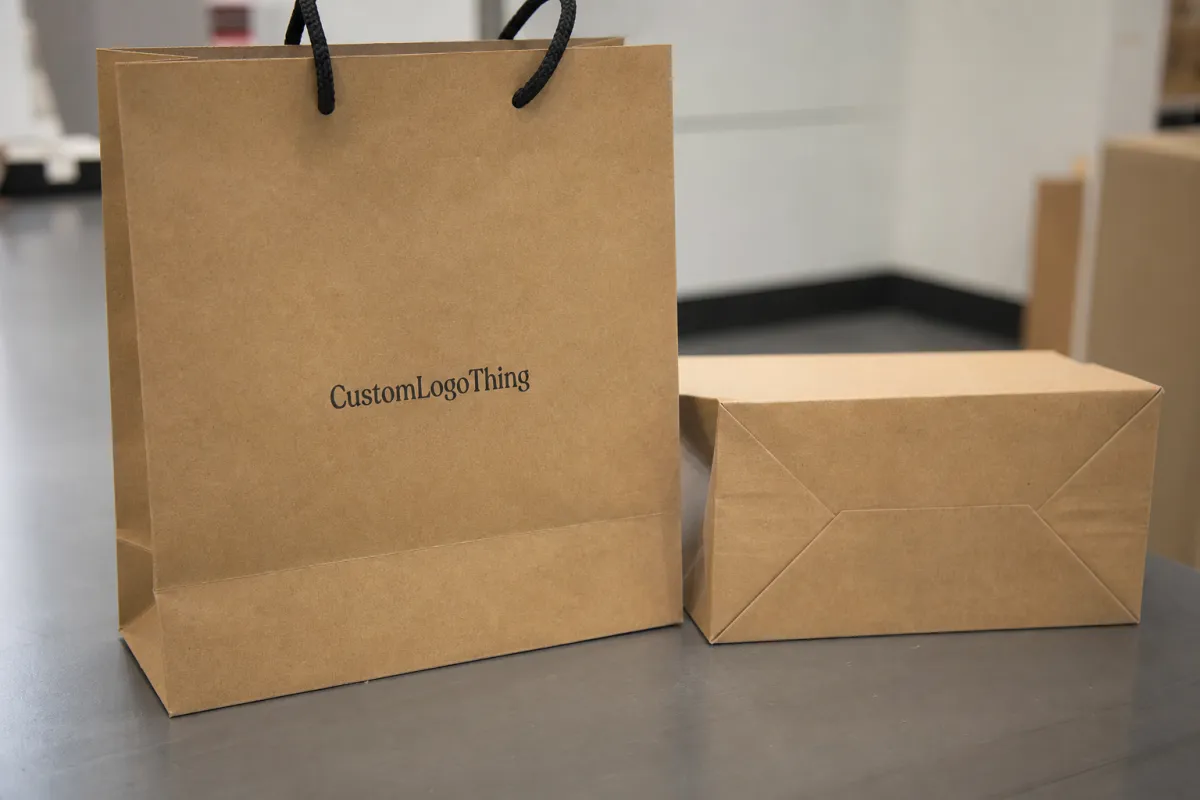
Most reorder trouble starts with memory. A manager asks for “the same bag,” but the old order had three small revisions across the year. The first run used one stock weight. The second switched to a slightly thicker board. The third adjusted logo placement because the first print sat too low on the panel. None of those changes looked dramatic in isolation. Together, they created a new product.
That is why repeat orders need a locked reference file. Without it, the supplier has to interpret what “same” means, and interpretation is expensive. It adds proof rounds, rechecks, and the occasional correction after production starts. Paper bags do not forgive loose specs the way some disposable packaging does. A bag that is off by a little can still fold, but it may no longer stack neatly, hold folded apparel properly, or present the brand the way the store expects.
A disciplined reorder process protects three things:
- Brand consistency - the same print placement, finish, and color tone show up every time.
- Approval speed - fewer questions mean fewer delays before production starts.
- Store operations - staff get bags that fit the product, the shelves, and the checkout flow.
There is also a cost to being “close enough.” A bag that is slightly too narrow forces staff to tuck apparel too tightly. A weak handle turns into a complaint at the door. A print that drifts a little too far down the face panel makes the bag look off, even if the customer cannot explain why. Buyers see the bill first; store teams feel the friction later. Both matter.
A clean reorder file usually includes the final approved PO, the artwork PDF, the dieline, and one physical sample or a photo set with measurements. Keep those in one place. If the packaging team has to dig through old emails, the reorder slows before it even reaches production.
Bag formats and branding details that affect the reorder
A solid Custom clothing store paper bags reorder planning guide starts with format, not decoration. The bag shape sets the production path. A boutique shopping bag, a folded apparel bag, and a premium gift bag may all look like “paper bags” to a casual buyer. They behave very differently on press, in assembly, and at checkout.
For apparel stores, the main choices are usually size, gusset depth, paper stock, handle style, reinforcement, and print coverage. Each one changes how the bag handles real merchandise. A small accessory bag can work on lighter stock. A bag meant for denim, sweaters, or multi-item purchases needs a sturdier board and a stronger handle attachment. If the bag is used for gifting, the finish starts to matter more because the customer sees the package before the product.
The branding side is where reorders often drift. These details should stay fixed unless the store is intentionally launching a new version:
- Logo placement and size
- Ink colors and Pantone references
- Finish such as matte lamination, gloss lamination, soft-touch, or uncoated stock
- Message copy like a store URL, a tagline, or a QR code
- Handle style such as twisted paper, cotton rope, ribbon, or die-cut
There is a practical reason to be picky about print and finish. A dark full-coverage design can show scuffs faster than a cleaner, lighter layout. Foil reads well under store lighting, but it can also expose registration issues if the artwork is not built carefully. QR codes sound useful until they print too small or low-contrast to scan reliably. None of that is theory. It shows up fast once bags move through busy retail floors.
Store teams also notice when the packaging family does not match. If custom printed boxes are already part of the brand, the paper bag should feel like the same system, not a separate afterthought. Coordinated product packaging makes the checkout experience cleaner. It also reduces the chance that one item looks premium while another looks bargain-bin.
For sustainability claims, ask for proof instead of vague language. If the supplier says the stock is FSC-certified, ask for the certification reference and whether it applies to the paper itself or to the chain of custody. Marketing copy is cheap. Documentation is more useful. You can review FSC certification references at FSC certification resources.
“The best reorder is the one that feels boring in the best possible way: same file, same structure, same result.”
Specifications to verify before production starts
The fastest way to avoid a bad reorder is to treat the spec sheet like a production lock, not a rough note. If one field is vague, the job can still go forward, but somebody will be making assumptions. Assumptions are fine for opinions. They are terrible for packaging.
Before production starts, verify these items against the last approved sample:
- Dimensions - width, gusset, and height in inches or millimeters
- Paper stock - gsm, caliper, kraft, coated art paper, or uncoated board
- Handle attachment - glued, knotted, reinforced patch, or die-cut
- Print method - offset, flexo, screen, foil, spot UV, or mixed process
- Finish - matte, gloss, soft-touch, uncoated, laminated
- Packing format - flat packed, bundled, carton count, pallet count
Tolerance matters more than people want to admit. A few millimeters in width can change how a folded sweater sits inside the bag. Slight differences in paper thickness can affect stack height and shelf fit. A change in handle reinforcement can alter the feel in hand, even if the exterior looks identical. For a clothing store, those details show up at the register and in the back room.
Proofing should be just as strict. Confirm the latest dieline, the artwork version, and the color reference before signing off. If the bag includes a QR code, test it from the print-ready file, not from a screenshot or an image pasted into chat. If the logo has thin strokes or small type, ask for a production-grade proof. These checks are not fussy. They are cheaper than scrapping a run.
A practical approval flow is usually simple:
- Pull the last approved PO and proof.
- Match every measurement to the current sample.
- Confirm whether the reorder is identical or revised.
- State the exact quantity and delivery address.
- Approve only after structure and artwork both match.
If the bags will ship with other packaging, ask how cartons are packed and tested. Drop and compression checks matter more than many buyers expect, especially when paper bags are being shipped with custom printed boxes or other retail packaging in mixed cartons. For transport-testing references, the ISTA testing resources are a useful baseline.
Pricing, MOQ, and quote variables that change unit cost
Paper bag pricing is not arbitrary. It is built from stock weight, size, print complexity, finishing, handle type, and quantity. A reorder that matches an existing setup is usually easier to price because the supplier is not rebuilding the job from zero. A new spec, even a small one, changes the quote fast.
The biggest cost levers are usually straightforward: heavier paper, more print colors, extra finishing, and custom hardware or reinforcement. A simple one-color kraft bag is not in the same cost bucket as a soft-touch premium bag with foil accents and a reinforced top. That does not make the premium version wrong. It just means the buyer should expect the bill to follow the spec.
MOQ works the same way. Minimum order quantities are often tied to setup time, press efficiency, material usage, and die or plate costs. Lower quantities usually carry a higher unit cost because the fixed setup is spread across fewer bags. A 1,000-piece reorder can make sense for a test run or a limited event, but it is rarely the cheapest route per bag.
Here is a practical pricing view for planning purposes:
| Bag Type | Typical Spec | Best Use | Indicative Unit Cost | Cost Driver |
|---|---|---|---|---|
| Entry boutique bag | 157 gsm kraft, twisted paper handle, 1-color print | Accessories, smaller apparel items, light gifts | $0.42-$0.78 at 1,000-3,000 pcs | Lower material cost, but setup is spread across fewer units |
| Core retail shopping bag | 190 gsm coated stock, cotton rope handle, 1-2 color print | Folded tops, denim, multi-item purchases | $0.24-$0.40 at 5,000 pcs | Better volume pricing, moderate print complexity |
| Premium gift bag | 250 gsm art paper, reinforced top, soft-touch lamination, foil detail | Luxury presentation, launch events, high-margin items | $0.40-$0.95 at 5,000-10,000 pcs | Heavier stock and finishing raise both material and labor cost |
Those figures are directional, not a promise. Actual pricing depends on dimensions, delivery location, freight mode, and whether the reorder keeps the same plate, die, and print coverage. Buyers get cleaner quotes when they send the old spec, the target quantity, and a real ship date instead of a vague “as soon as possible.”
If a brand buys several packaging items at once, it is worth comparing the bag order against other Wholesale Programs and broader branded packaging plans. Sometimes a larger, planned purchase is cheaper than a series of late, small emergency orders. That is not a sales pitch. It is basic math.
One more caution: special finishes almost always add cost and usually add risk. Foil, embossing, spot UV, and thicker boards can look sharp, but they also narrow the margin for error on registration and handling. If the store does not need the extra finish, skip it. Pretty is expensive. Necessary is easier to defend.
Process, timeline, and lead time from quote to delivery
A reorder timeline should be concrete enough that someone can put it on a calendar. The usual path is quote review, proof confirmation, production, packing, and freight booking. If the reorder is identical to the previous run, it moves faster. If artwork changes, stock changes, or the handle spec changes, the schedule gets longer. That part is predictable.
Approvals are often the real bottleneck. Production can only move as fast as the buyer clears the proof. If the artwork still needs cleanup, if the Pantone reference is missing, or if someone wants to compare two paper stocks before signing off, the schedule pauses. Factories do not print around uncertainty. They wait for confirmation.
A normal planning window for a clothing retailer often looks like this:
- Quote and spec check - 1-2 business days if the last PO is on file
- Artwork proofing - 1-3 business days, longer if files need cleanup
- Production - often 12-20 business days for a standard reorder
- Freight - depends on destination, carton count, and transport mode
For a true repeat order, buyers should plan before inventory gets tight. A safe reorder point is often two to four weeks before stockout, and that is before seasonal spikes, holiday traffic, promotions, or gift packaging demand are added in. If the store is busy enough to matter, the buffer matters too.
Some orders need extra time even when the structure stays the same. Foil stamping, embossing, soft-touch lamination, or custom packaging bundles can extend the approval path and add handling steps. The same is true when the bags ship with custom printed boxes in a mixed packout. Nothing is wrong with that. It just needs to be scheduled honestly.
There is also a documentation angle. If the bags are tied to recycled content claims or FSC references, request the paperwork before production starts. Post-production paperwork is where teams lose patience and days. Pre-production paperwork is boring, which is exactly why it works.
How to choose a supplier and plan the next reorder
The best supplier for repeat paper bag work is not automatically the cheapest one. It is the one that can replicate the approved spec without turning every reorder into a new project. Good repeat packaging feels uneventful. That is the goal.
Look for a partner that can do four things consistently:
- Keep records of the last approved size, stock, and artwork
- Explain differences between a repeat order and a changed order
- Respond clearly on proofs, lead times, and freight timing
- Protect consistency across paper bags, inserts, and related product packaging
This matters because packaging rarely exists alone. If the store uses tissue, labels, inserts, or boxes, the bag should fit the same visual system. Otherwise the customer gets a mixed message: premium box, average bag, random insert. That kind of mismatch is easy to avoid and hard to unsee once it shows up.
The simplest reorder process is also the one least likely to fail:
- Pull the last purchase order and proof.
- Check current inventory against weekly usage.
- Confirm whether the next order is identical or revised.
- Gather artwork, size, stock, and finish details.
- Set the reorder date before the buffer gets thin.
Keep the previous spec sheet with the brand assets and reorder notes. That small bit of discipline saves more time than chasing a lower quote after the stock has already run low. If the team needs a reference point, the FAQ page can answer common questions quickly, and the main product page at Custom Packaging Products can help compare options without starting from zero.
The stores that do this well do not wait until the shelf is nearly empty. They watch usage, place the order early, and keep the brief tight. That is how a Custom Clothing Store Paper Bags reorder planning guide actually pays off: fewer surprises, fewer last-minute approvals, and fewer embarrassing moments at the counter.
Frequently asked questions
How do I know when to reorder custom clothing store paper bags?
Reorder before the remaining inventory drops below your normal lead time plus a small buffer. The better method is to calculate weekly usage, then add seasonal spikes, promotions, and transit time. Stores That Sell giftable apparel usually need more buffer than they expect because demand rises in bursts.
What information do I need for an accurate reorder quote?
Send the last approved size, paper stock, handle style, print details, and finish. Include the target quantity, shipping destination, and any artwork or structural changes. A copy of the previous PO or spec sheet helps the most because it gives the supplier a confirmed reference point.
Can I change the artwork on a clothing store paper bag reorder?
Yes, but treat any artwork change as a new approval step. Small text edits are usually easier than changing logo placement, print colors, or the structure itself. If the reorder is time-sensitive, ask whether the change affects the existing plate, die, or setup.
What affects MOQ for custom clothing store paper bags?
MOQ is driven by setup cost, material usage, print method, and production efficiency. More complex bags or premium finishes often require higher minimums to stay cost-effective. Matching an existing specification can sometimes improve the MOQ position because the supplier is not rebuilding the job.
How long does a paper bag reorder usually take after proof approval?
Lead time depends on complexity, quantity, and freight method. A reorder that matches an existing spec is usually faster than a first-time custom run. Build in extra time if the bags are needed for a promotion, launch, or holiday traffic because shipping delays tend to show up at the worst possible moment.

