Buyer Fit Snapshot
| Best fit | Custom Corrugated Boxes Branding projects where brand print, material claims, artwork control, MOQ, and repeat-order consistency need to be specified before quoting. |
|---|---|
| Quote inputs | Share finished size, material target, print colors, finish, packing count, annual reorder estimate, ship-to region, and any compliance wording. |
| Proofing check | Approve dieline scale, logo placement, barcode or warning zones, color tolerance, closure strength, and carton packing before bulk production. |
| Main risk | Vague material claims, crowded artwork, missing packing details, or unclear freight terms can make a low unit price expensive after revisions. |
Fast answer: Custom Corrugated Boxes Branding: What Matters Most should be specified like a repeatable production item. The safest quote records material, print method, finish, artwork proof, packing count, and reorder notes in one written spec.
Production checks before approval
Compare the actual filled-product size with the drawing, then confirm tolerance on folds, seals, hang holes, label areas, and retail display edges. Reserve space for logos, QR codes, warning copy, and material claims before decorative graphics fill the panel.
Quote comparison points
Review material grade, print process, finish, sampling route, tooling charges, carton quantity, and freight assumptions side by side. A quote is only useful when the supplier can repeat the same color, closure quality, and packing count on the next order.
Custom Corrugated Boxes branding tends to look simple from a distance, then the details start piling up. Board grades, print methods, coatings, structural strength, freight handling, and the way ink sits on a corrugated liner all shape the finished carton. I have seen plenty of packaging plans that sounded polished on paper but fell apart once the dieline, the shipping route, and the real budget all showed up in the same room. The first touchpoint a customer has with a product is often the box itself, so the outer carton begins shaping perception before anyone reads a label, opens a flap, or sees the item inside.
A plain shipping carton does its job quietly. A branded carton does that same job while also signaling order, care, and intent. That does not mean every box needs full-panel graphics or a premium coating. It means Custom Corrugated Boxes branding can turn a working shipper into a subtle extension of the brand, one that feels connected to the website, the product, and the service around it. Whether a carton is headed to a retail shelf, a subscription customer, or a warehouse fulfillment line, the outer box is part of the message, not just the container.
The best packaging programs usually balance three things at once: visual clarity, product protection, and a budget that still holds together after freight, sampling, and inventory are added in. That balance is where Custom Corrugated Boxes branding either feels intentional or starts to drift into waste. Think of the carton as both a structural object and a brand surface, because it has to carry both responsibilities without giving up either one. That is the work, and it is kind of the whole point.
Why custom corrugated boxes branding grabs attention first
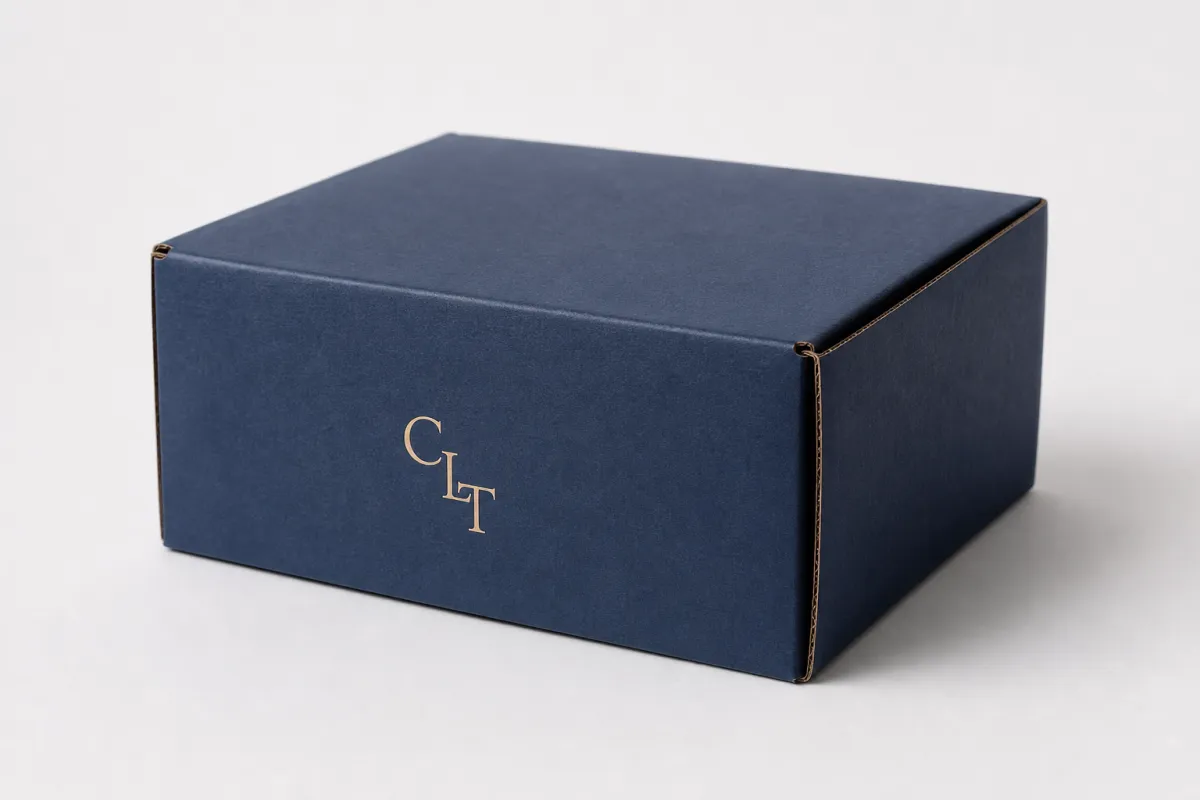
The shipping carton is often the first physical interaction a customer has with a business, and that moment carries more weight than many teams expect. Custom Corrugated Boxes branding works because it reaches people before they inspect the item, compare prices, or decide whether the purchase feels special or routine. A clean logo, a deliberate color field, or even a restrained message placed well on the panel can change the tone of the entire delivery.
People read packaging fast. A plain kraft box may perform perfectly well, yet still feel anonymous on a day when several parcels arrive together. By contrast, custom corrugated boxes branding gives the package a recognizable face. Even a minimal design says that someone cared enough to shape the outer experience, not just the contents. That small signal can influence trust, repeat buying, and the memory of the unboxing itself.
custom corrugated boxes branding is more than adding a logo to cardboard. It is the combined effect of box construction, artwork placement, print method, board selection, and finish decisions working together so the carton acts like part of the brand system. Some companies use that system to create a retail-ready presentation. Others use it to strengthen package branding on e-commerce shipments. The purpose stays the same: the outer box should feel like the brand, not an afterthought that happened to ship the product.
Teams sometimes miss that point because they treat the carton as a logistics item first and a brand surface second. The result can feel flat even when the product is strong. A better starting point is to define what custom corrugated boxes branding needs to communicate in the first two seconds: quality, simplicity, sustainability, premium positioning, speed, or a mix of those qualities. Once that message is clear, design decisions become easier to make and much easier to defend.
The outer carton also gets handled more than almost any other piece of packaging. It rides conveyors, sits in stacks, moves through trucks, and lands on doorsteps. If custom corrugated boxes branding survives that trip without losing clarity, the impression stays intact longer. That is why the branding conversation cannot be separated from distribution reality. The box has to look right and behave right under pressure.
"A carton should still read well after the dock, the truck, and the porch. If the message survives the trip, the branding is doing real work."
For brands that ship inserts, mailers, accessories, or companion items, the outer carton can anchor the whole packaging system. It ties together Custom Packaging Products, secondary cartons, and labels in a way that makes the experience feel consistent instead of assembled piece by piece. Buyers notice repetition, especially when it is calm and well controlled. When custom corrugated boxes branding lines up with the rest of the packaging, the result feels deliberate and dependable.
One more reason it matters: many customers share unboxing moments on social platforms or with coworkers, even if they do not intend to. A box that looks considered can carry the brand farther than a paid impression ever will. I have sat in enough press checks to know this part is not airy marketing language; packaging either reads as intentional or it reads as generic, and people decide that in seconds.
How custom corrugated boxes branding works in production
Production starts with structure rather than artwork. A carton style such as an RSC, mailer, tuck-top, or die-cut shipper determines the available surfaces, where the seams land, and how the box folds. Custom corrugated boxes branding depends heavily on that decision, because artwork that looks balanced on a screen can lose its rhythm once the panel is scored, glued, or stacked. Good packaging design starts with the dieline and works outward from there.
The next stage is prepress, where artwork is checked against bleed, safe zones, score lines, and panel placement. Corrugated board adds another layer of complexity because it is not a smooth, rigid sheet. The flute structure, liner quality, and surface texture all affect how ink sits and how crisp details appear. With custom corrugated boxes branding, even a strong logo can look softer than expected if the line weights are too thin or the contrast is too gentle.
Three print paths show up most often. Flexographic printing is efficient and widely used for larger runs, especially when the graphics need to stay clean without pushing the budget too far. Digital printing works well for shorter runs, frequent artwork changes, and quicker turnaround. Litho-lamination sits on the premium side, where a printed sheet is laminated to the corrugated board for a sharper, more retail-ready finish. Custom corrugated boxes branding can work with all three, but each one changes the cost, timeline, and final appearance in a different way.
Choosing the right print method
The simplest way to sort the options is practical rather than flashy. Flexo is efficient, digital is agile, and litho-lam is the polished route when the project can support it. A program with multiple SKUs, limited quantities, or seasonal artwork usually benefits from digital printing. A high-volume shipper with stable graphics often gets the best value from flexographic printing. A carton meant to sit in a retail environment or open into a premium presentation can justify litho-lamination. Custom corrugated boxes branding works best when the method matches the use case instead of the marketing pitch.
| Print Method | Best Fit | Typical Strengths | Common Tradeoffs | General Use Case |
|---|---|---|---|---|
| Flexographic printing | Medium to large runs | Efficient, durable, dependable for repeated artwork | Less detail on fine gradients and photo-heavy graphics | Shipping cartons, simple branded packaging, warehouse-ready boxes |
| Digital printing | Short runs and variable jobs | Fast setup, easy revisions, useful for multiple versions | Unit cost can rise at scale | Launches, small batch product packaging, test programs |
| Litho-lamination | Premium retail packaging | Sharp visuals, stronger shelf appeal, high-end finish | More setup, more cost, usually not ideal for low budgets | Display cartons, presentation boxes, branded packaging with strong visual demands |
Artwork placement deserves more attention than it usually gets. A logo should not sit where a glue flap will hide it, and a key message should not cross a score line unless the design has been built to handle that break. Dielines show where the box folds, and those folds are not passive marks; they are active parts of the carton once it is assembled. In custom corrugated boxes branding, the artwork has to work with the structure rather than fight it.
Finish affects perception too. A water-based varnish, aqueous coating, or matte surface can move the look from utilitarian to more refined, while also changing how well the box resists scuffs. If the carton will move through rough distribution, finish choice should protect the print as much as it shapes the mood. That is why custom corrugated boxes branding needs to be designed around real handling, not only a digital proof on a screen.
One practical detail that gets missed: the same print choice can feel very different on white, bleached, or kraft liners. A white liner can brighten artwork and sharpen contrast, while kraft gives a warmer, earthier tone that some brands actually want. Neither is universally better. It depends on what the box is supposed to say and how much abuse the print has to survive.
For deeper packaging education and transport testing context, the standards bodies are worth a look. ISTA publishes widely used test procedures for parcel and distribution packaging, while sourcing decisions often intersect with responsible forestry and recycled fiber questions through FSC. Those references help ground custom corrugated boxes branding in actual packaging performance, not just visual preference.
Cost and pricing factors in custom corrugated boxes branding
Pricing gets muddy fast unless the scope is defined clearly. Custom corrugated boxes branding is shaped by box size, board grade, print coverage, color count, finishing, inserts, and order quantity. Leave out those details, and any quote is only a rough placeholder. Suppliers need the same inputs before they can compare Custom Printed Boxes fairly, otherwise every price is built on a different assumption.
Quantity changes the math quickly. Smaller orders often carry a higher unit cost because setup, artwork prep, plates, or tooling are spread across fewer boxes. Larger runs usually lower the per-unit price, though that does not automatically make them the better choice. Teams sometimes overbuy cartons to chase a lower unit cost, then sit on obsolete inventory when the design changes. Custom corrugated boxes branding should be priced against real usage, not only the cheapest number on the page.
Quote comparison works best when buyers look at total landed cost instead of unit price alone. Freight can be meaningful on bulky corrugated goods, and sampling or revision fees can quietly shift the final budget. If one supplier includes custom inserts, interior printing, or structural changes, that scope is not the same as a basic shipper. Two quotes can look close at a glance and still describe very different jobs.
As a rough market check, a digitally printed short run may land around $0.85 to $1.75 per unit depending on box size and coverage, while a larger flexographic run may sit closer to $0.22 to $0.55 per unit if the board spec stays simple. Premium litho-laminated cartons can move well above that range, especially with detailed finishing or display requirements. Those figures are only directional, not promises, and they shift with region, volume, material availability, and timing. Even so, they show why custom corrugated boxes branding has to be evaluated as a whole system rather than one isolated line item.
Here is a practical quote checklist that keeps vendors aligned:
- Exact box dimensions, including internal size and any tolerance range.
- Board style and flute preference, if already known.
- Print method, number of colors, and ink coverage expectations.
- Coating or finish requirements, such as aqueous coating or matte varnish.
- Insert details, if the carton needs dividers, foam, or paperboard fitments.
- Estimated annual volume and first-order quantity.
- Delivery location, freight assumptions, and target timing.
That checklist may look basic, but it saves time and cuts down on guesswork. It also helps buyers compare custom corrugated boxes branding options against the same spec instead of mixing unrelated numbers. A carton meant for e-commerce shipping may only need a straightforward spec. A carton intended for premium retail packaging may justify stronger print clarity or a more refined finish because the outer box is doing brand work every time someone sees it.
There is a sustainability angle here too, and it often affects cost in a practical way. Right-sizing the carton can reduce corrugated use, improve freight density, and cut down on void fill. The EPA has long emphasized source reduction and smarter material use, which fits packaging decisions directly. When custom corrugated boxes branding begins with the right footprint instead of an oversized default, the budget and the environmental footprint often improve together.
One more cost point deserves attention: do not pay extra for visual features the customer will never notice. If the box is an outer shipper that gets opened quickly and discarded, the smartest spend may be on structure, logo placement, and scuff resistance rather than full-panel artwork. Custom corrugated boxes branding works best when the money matches the actual moment of contact.
Process and timeline for custom corrugated boxes branding
A realistic timeline begins with discovery. The first conversation should define product dimensions, shipping method, target budget, and the message the carton needs to carry. Once those basics are settled, the team can choose a box style and confirm the dieline. Custom corrugated boxes branding moves faster when the structure is locked early, because artwork only becomes reliable after the panel layout is fixed.
From there, the artwork is built and reviewed. That usually includes logo placement, copy hierarchy, color choices, barcode position if needed, and a check for bleed and safe zones. If the design requires custom inserts, multiple SKUs, or interior printing, proofing takes longer because every moving part has to line up. Most delays in custom corrugated boxes branding happen at this stage rather than on the press floor. A design that feels finished on screen can still need corrections once the folds, seams, and panel directions are taken into account.
A simple timeline often looks like this: brief and structure selection, artwork development, prepress review, proof approval, sample or mockup confirmation, production, then shipping. For a straightforward job, the process can move in about 12 to 15 business days after proof approval if materials and capacity are available. More complex packaging may need more time, especially if the job uses litho-lamination, multiple versions, or special coatings. Custom corrugated boxes branding is rarely delayed by one major issue; it is usually slowed by a handful of smaller ones.
Late changes create the most friction. A revised logo color, a shifted barcode, or a different insert size can trigger another proof cycle. A simple rule helps: approve the structure first, then the artwork, then the production quantity. That order matters. When teams reverse it, they often pay for rework or settle for rushed compromises that could have been avoided. In custom corrugated boxes branding, changing the carton after the graphics are nearly finished is usually the most expensive path.
A practical planning rule: if the launch date is fixed, lock the carton dimensions early, freeze the print-ready files before sampling, and resist the urge to keep adjusting copy after proof approval. That kind of discipline keeps the program moving and protects the final custom corrugated boxes branding result.
Teams that sell through multiple channels should think ahead about replenishment too. A branded shipper for subscription orders may need to live alongside a retail carton or a fulfillment box used by another warehouse. A shared spec sheet becomes useful fast because it lets Case Studies from earlier packaging programs inform the next order, and it keeps the packaging system easier to repeat without rebuilding it each quarter.
When a packaging program includes more than one box category, the core structure and visual logic should stay aligned. A master carton, a consumer-facing mailer, and a display box do not need to look identical, yet they should still feel related. That is a subtle part of custom corrugated boxes branding that pays off over time, because repeat buyers recognize consistency much faster than novelty.
Key factors that shape the final look and performance
Board strength comes first. If the product is heavy, fragile, or likely to travel through long-distance shipping, the carton has to be engineered for that reality. Flute choice, board grade, and carton construction all affect whether the box keeps its shape under pressure. Custom corrugated boxes branding cannot rescue a weak structure, and that is where pretty mockups can mislead people. A carton may look elegant on a render and still crush if the structure is underbuilt.
Product weight and shipping distance should shape every decision. A lightweight accessory can often live in a simpler shipper with modest print coverage. A heavier item may need a stronger board, better stacking performance, and more careful print placement. If the box passes through automated fulfillment, barcode position and clean panel alignment matter as well. The brand impression still matters, but the box has to survive the route first. Custom corrugated boxes branding works best when the engineering is honest about the load.
The visual side has its own rules. Color contrast, print saturation, and logo placement all affect how quickly the box reads from a distance. A design that works on a shelf may not work on a loading dock, and a design that reads well on brown kraft may fade into the background on white liner if the tones sit too close together. I like to imagine the box in three places: a warehouse, a porch, and an unboxing table. If custom corrugated boxes branding works in all three environments, the design is probably doing its job.
Finish choices shape both perception and durability. A matte surface can feel calm and modern, while a light coating can protect against scuffing and fingerprints. If the carton will be handled often, a finish that resists rubbing is more valuable than one that only photographs well. That matters especially for branded packaging that moves through several touchpoints before the customer sees it. The unboxing experience begins long before the outer wrap is removed.
Sustainability should be handled with care rather than slogans. Recycled content, right-sized dimensions, and fewer unnecessary layers can improve both environmental performance and cost control. The goal is not to overspec packaging just because the box is visible. The goal is to build custom corrugated boxes branding that feels purposeful, protects the product, and avoids material waste. That usually means choosing the simplest spec that still carries the right message.
Consistency across sizes matters more than many growing brands expect. If small, medium, and large cartons all use different logo placements, different tones, and different handling marks, the package branding starts to feel fragmented. A shared visual system keeps the experience coherent even as the dimensions change. In that sense, custom corrugated boxes branding is not a single design decision; it is a repeatable set of rules.
For buyers comparing multiple packaging programs, the question is not whether every box needs a premium look. It is whether each carton does its job without undercutting the brand. A shipping carton with restrained graphics can still look polished. A retail packaging box with careful print and a solid structure can feel premium without wasting material. That is the real value of custom corrugated boxes branding: function and identity support each other instead of competing for attention.
Common mistakes in custom corrugated boxes branding
The most common mistake is overloading the box. Too much copy, too many colors, too many visual ideas, and the carton starts to feel noisy once folds, seams, and handling marks are added. On a flat screen, every element may seem necessary. On an actual corrugated box, the clutter often gets swallowed by the structure. Custom corrugated boxes branding usually gets stronger when it is edited with restraint. If the box has one job, one clear logo treatment and one strong message often outperform five competing ideas.
Another problem is designing before checking the structure. Teams sometimes approve artwork only to discover that the logo lands on a glue tab or a key message runs across a score line. That kind of mistake is costly because it turns a design issue into a production issue. The fix is straightforward: lock the dieline first and place the graphics on a real template. Once that happens, custom corrugated boxes branding becomes much more predictable.
Price-only decisions create risk too. A lower unit cost can look appealing, but if the carton arrives weak, scuffed, or inconsistent, the real cost shows up through replacements, returns, and lost trust. Packaging is one of those areas where the cheapest option can end up being the most expensive. Buyers comparing custom corrugated boxes branding should look at board grade, print method, freight, and finish together instead of chasing a single number in isolation.
Skipping samples is another mistake that seems harmless until the first shipment goes out. Color accuracy, barcode readability, logo size, and finish behavior are much easier to catch on a physical sample than on a PDF. A proof can look fine while the actual box shows a darker logo or a weaker edge. If the carton matters to the brand, sampling is insurance. For custom corrugated boxes branding, one mockup can prevent a long list of expensive surprises.
Shipping environment matters more than many creative teams expect. A beautiful box that scuffs in transit or stains in humid storage will not create the right impression, no matter how strong the artwork is. Corrugated cartons need to handle abrasion, stacking, and moisture swings. That means ink choice, coating choice, and board selection should reflect the route the carton will take. Custom corrugated boxes branding should be tested against the actual distribution path, not admired only in a studio.
Messaging hierarchy creates another common problem. Some brands pack handling icons, promotional text, product claims, and social handles onto the same panel as the logo. The result feels crowded and hard to read. A cleaner layout is usually better: the logo gets the hero position, the product or brand line gets a secondary role, and handling information stays where operations needs it. That hierarchy keeps custom corrugated boxes branding legible and helps the carton feel more confident.
Another issue shows up when brands treat one box size as special and ignore the rest. A launch carton might be beautifully designed, but if the replenishment box uses a different print style or a different color family, the identity begins to drift. Over time, that inconsistency weakens brand memory. A packaging rule set that applies across the line keeps custom corrugated boxes branding recognizable even as order volumes and box sizes change.
There is also a subtle trap in chasing trend-heavy visuals. High-contrast gradients, busy patterns, or overly stylized type can age faster than the product inside the box. A carton is handled, stacked, taped, and recycled; it needs staying power. A strong, simple system often ages better than a flashy one, and that usually saves rework later.
Expert tips and next steps for better packaging
Start with a clear brief. That brief should include product dimensions, weight, shipping conditions, target budget, and the brand message the carton needs to communicate. If those five inputs are strong, most of the hard decisions get easier. Custom corrugated boxes branding benefits a great deal from this kind of upfront clarity because the structure, print method, and finish can be matched to the real use case instead of guessed later.
Give the design a hierarchy. The logo should not compete with handling marks, legal text, or decorative patterns for attention. Decide which panel gets the brand name, which panel carries the functional information, and which surface should stay quiet. That kind of discipline makes the carton easier to read and easier to produce. In custom corrugated boxes branding, the most successful boxes often look simple because the information has been organized well, not because nothing was considered.
Ask for samples, and if possible, ask for a structural mockup before the final production run. A physical carton tells you things a digital file cannot: how the flaps close, whether the print sits cleanly on the liner, whether the finish shows scuffing, and whether the box feels right in the hand. Teams that build custom corrugated boxes branding programs carefully almost always get better results when they test the carton under real handling conditions. A few hours of review can prevent a lot of downstream friction.
It also helps to create a reusable packaging spec sheet. That sheet should record box dimensions, board grade, print method, coating, insert details, and artwork notes so the next order starts from a consistent base. For companies with multiple product lines, that becomes the backbone of repeatable packaging design. It keeps replenishment from drifting and makes it easier to coordinate Custom Shipping Boxes with other packaging assets like Custom Labels & Tags. Custom corrugated boxes branding gets stronger when it is managed as a system.
If your team is still weighing options, a useful question is simple: what should the box do after the customer receives it? If the carton is part of a premium reveal, invest in better graphics and a finer finish. If it is mainly a durable shipper, keep the art clean and let the construction do the heavy lifting. Either way, the strongest custom corrugated boxes branding programs are the ones that treat the box as both protection and communication.
One last thought from the production side: the best packaging programs are rarely the most complicated. They are the ones that stay consistent, protect the product, and make the brand feel confident without trying too hard. That is why custom corrugated boxes branding works best when it is planned as a repeatable system rather than a one-time graphic choice. When the structure, print, finish, and message all support each other, the carton does more than ship a product; it carries the brand well.
For teams building their next run, start with the carton size, confirm the print method, request samples early, and compare suppliers on the same spec. That simple process keeps custom corrugated boxes branding practical, keeps costs legible, and gives the final box a better chance of doing its job the first time it lands on a dock or a doorstep. If anything should be locked first, make it the structure and the distribution path; the artwork will hold up a lot better once those are settled.
FAQ
What does custom corrugated boxes branding actually include?
It usually includes the box structure, print method, artwork placement, color choices, and any coating or finishing used on the corrugated board. It can also include inserts, interior printing, barcode placement, and handling marks when those details support the customer experience. The goal of custom corrugated boxes branding is to make the carton functional, recognizable, and consistent with the rest of the brand.
How much does custom corrugated boxes branding cost per box?
Unit cost depends on box size, board grade, print coverage, number of colors, order quantity, and whether special finishing is required. Small runs usually cost more per box because setup is spread across fewer units. The best way to compare quotes is to use the same carton specs, artwork coverage, and shipping assumptions so each custom corrugated boxes branding quote reflects the same scope. If one vendor includes inserts or a heavier board, that quote is not truly the same job.
How long does custom corrugated boxes branding take from artwork to delivery?
A simple job can move quickly if the dieline, artwork, and approvals are ready, while more complex packaging often needs extra proofing and sampling time. Timeline depends on revisions, print method, carton complexity, and whether inserts or special coatings are involved. Providing product dimensions and print-ready files early is the fastest way to reduce delays in custom corrugated boxes branding.
Which print method works best for custom corrugated boxes branding?
Digital printing is often a strong choice for smaller quantities and faster turnaround, while flexographic printing is common for efficient larger runs. Litho-lamination can deliver a premium retail look when the budget and structure support it. The best method depends on visual goals, quantity, board type, and how the box will be handled in transit, which is why custom corrugated boxes branding should always be matched to use case.
Can custom corrugated boxes branding improve e-commerce unboxing?
Yes, because the outer carton can create anticipation, reinforce trust, and make the product feel more polished before it is even opened. A well-branded box can also reduce the need for extra inserts or secondary packaging to communicate brand identity. The strongest results come from pairing clear graphics with sturdy construction and a clean unboxing experience, which is exactly where custom corrugated boxes branding earns its value.

