Buyer Fit Snapshot
| Best fit | Custom Corrugated Boxes for Subscriptions projects where brand print, material claims, artwork control, MOQ, and repeat-order consistency need to be specified before quoting. |
|---|---|
| Quote inputs | Share finished size, material target, print colors, finish, packing count, annual reorder estimate, ship-to region, and any compliance wording. |
| Proofing check | Approve dieline scale, logo placement, barcode or warning zones, color tolerance, closure strength, and carton packing before bulk production. |
| Main risk | Vague material claims, crowded artwork, missing packing details, or unclear freight terms can make a low unit price expensive after revisions. |
Fast answer: Custom Corrugated Boxes for Subscriptions: Board, Finish, Dieline, and Unit Cost should be specified like a repeatable production item. The safest quote records material, print method, finish, artwork proof, packing count, and reorder notes in one written spec.
Production checks before approval
Compare the actual filled-product size with the drawing, then confirm tolerance on folds, seals, hang holes, label areas, and retail display edges. Reserve space for logos, QR codes, warning copy, and material claims before decorative graphics fill the panel.
Quote comparison points
Review material grade, print process, finish, sampling route, tooling charges, carton quantity, and freight assumptions side by side. A quote is only useful when the supplier can repeat the same color, closure quality, and packing count on the next order.
Custom Corrugated Boxes for Subscriptions That Sell
For many brands, Custom Corrugated Boxes for subscriptions are the first physical handshake with the customer, and that moment carries more weight than most teams expect. The box has to protect what is inside, carry the brand story, and survive the trip from fulfillment bench to front door without turning into a crushed, disappointing arrival. One package is being asked to do a lot, which is exactly why custom corrugated Boxes for Subscriptions deserve more attention than a plain mailer or a generic stock carton.
From a packaging buyer's point of view, the real work is not just picking a box that looks good in a rendering. The harder job is finding Custom Corrugated Boxes for subscriptions that fit the product set, pack efficiently, ship safely, and still create a moment customers remember when they open the lid. A box that runs too large wastes freight and filler. A box that is too light can crush, bow, or burst under normal carrier handling. A box with weak graphics fades into the background. The right build has to manage all three.
That balance sits at the center of the decision: durability, cost, and experience. When a subscription program ships every month, even a small improvement in fit or packing speed can compound into real savings. A polished opening moment gives branded packaging more than a decorative role; it starts supporting retention the second the customer lifts the lid. If you are comparing Custom Shipping Boxes against fully branded subscription mailers, the details below will help you make a cleaner choice.
Why custom corrugated boxes for subscriptions stand out
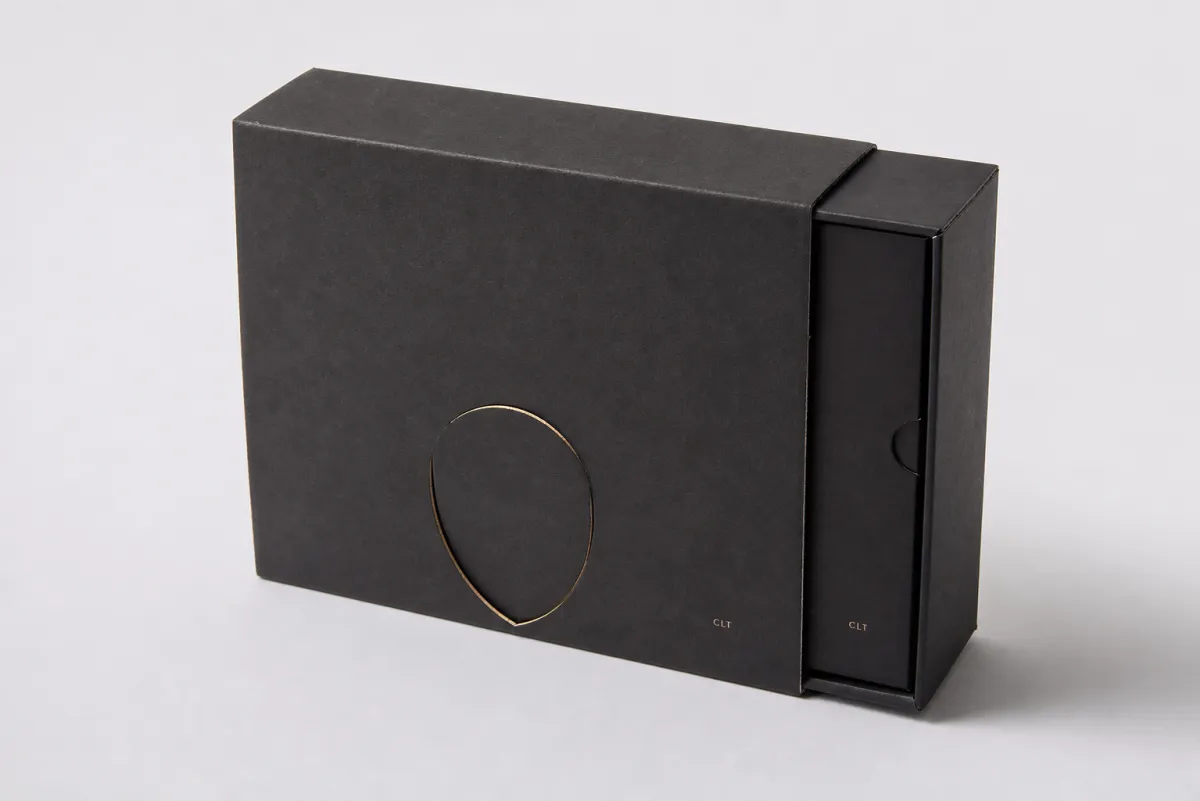
Subscription packaging lives in a rougher environment than shelf packaging. A retail carton can sit upright under store lighting and look perfect until someone picks it up. Custom corrugated boxes for subscriptions have a harder route. They are loaded, stacked, slid across tables, dropped into vehicles, sorted in carrier networks, and opened at home where the customer notices every corner, every crease, and every bit of movement inside. The box is being judged in motion, not just in a polished mockup.
The strongest subscription programs understand that the box is not merely a shipping vessel. It is part of the product packaging system, and it has to do three jobs at once: protect the contents, communicate the brand, and keep the fulfillment team moving at a steady pace. Generic mailers can handle one of those jobs. Custom corrugated boxes for subscriptions are built to handle all three together, which is why they tend to outperform stock options once a brand starts shipping at scale.
Many teams underestimate how quickly a recurring program turns packaging into an operational issue. A box that works for one launch can become a bottleneck when orders increase, items change, or seasonal kits get heavier. That is where custom corrugated boxes for subscriptions pay off: they can be sized around the actual kit, built for the right board strength, and printed to support package branding without forcing the team to wrestle with excess filler or awkward closures.
There is also a psychological side to this. Subscription customers do not just receive a parcel; they receive a ritual. The opening moment can shape how they talk about the brand, whether they post photos, and whether the next renewal feels worth it. Custom corrugated boxes for subscriptions start doing retention work long before a customer reads the insert or tries the product inside.
The best subscription box is not the prettiest one in a mockup. It is the one that arrives intact, packs fast, opens cleanly, and still feels intentional after a long carrier journey.
That is also why subscription brands should think beyond outside graphics alone. A well-executed custom corrugated boxes for subscriptions program can use the inside panels for product stories, usage tips, QR codes, recycling notes, or seasonal artwork. Those details strengthen the reveal without covering every surface in decoration, and they often cost less than teams expect when the structure and print plan are set early.
For brands comparing Custom Packaging Products, the question is rarely “Can we make a branded box?” A better question is “What should the box accomplish in the real world?” If the answer includes protection, easy packing, lower damage rates, and a more memorable reveal, custom corrugated boxes for subscriptions are usually the right place to start.
How custom corrugated boxes for subscriptions work
Corrugated board is a simple material with a smart structure. It is usually made from outer linerboard, inner linerboard, and a fluted medium between them. That fluted layer creates rigidity and cushioning while keeping weight under control, which is exactly why custom corrugated boxes for subscriptions can protect products without turning every shipment into a heavy, expensive parcel. The flutes help absorb impacts, resist compression, and hold up when boxes are stacked in transit or on warehouse racks.
The style of the box matters just as much as the board itself. A tuck-top mailer gives a neat presentation and is easy to open. A regular slotted carton is efficient and familiar, especially for shipping heavier kits. Two-piece presentation styles create a more gift-like reveal. Inserts, partitions, and die-cut supports keep multiple items from rattling around. In practical terms, custom corrugated boxes for subscriptions work best when the structure matches the product mix instead of forcing the product into a generic shape.
That fit has a measurable impact on cost. If the box is sized around the actual contents, you reduce void fill, cut down on movement, and often improve shipping efficiency by controlling dimensional weight. A half-inch of wasted space may not sound like much, but across thousands of recurring shipments it kinda snowballs. Custom corrugated boxes for subscriptions are one of the few packaging choices where better fit can improve both presentation and freight economics at the same time.
Print is another part of the system. The outside of the carton handles the first impression, but the inside can carry a second layer of brand storytelling. That may include a welcome message, product instructions, a spot color accent, or a simple repeat pattern that makes the unboxing feel more intentional. Good custom printed boxes do not need to be overloaded. They need to be legible, on-brand, and placed where the customer will actually see them.
If you want a more technical frame of reference, standards matter here too. Shipping and distribution testing often draws on methods associated with organizations like ISTA, while material sourcing choices may be informed by chain-of-custody or responsible forestry practices such as those described by FSC. Those references do not replace real-world sampling, but they help teams think more clearly about durability and sourcing expectations.
Custom corrugated boxes for subscriptions are not premium simply because they are printed. They become premium when the board grade, closure style, insert design, and graphics all support the same shipping behavior. If the box is supposed to feel giftable but arrives dented, the experience falls apart. If it is supposed to be efficient but takes two extra minutes to pack, labor cost starts eating the margin. The right spec keeps those tradeoffs in balance.
Process and timeline for custom corrugated boxes for subscriptions
The cleanest projects begin with a clear brief. Before artwork gets too far, the team should know the product dimensions, packed weight, fragility level, fulfillment method, and the customer experience they want the box to deliver. That information helps turn custom corrugated boxes for subscriptions from a loose idea into a package that can actually be manufactured and shipped without surprises.
From there, the usual workflow is straightforward, even if the details are not. A die line is developed, artwork is placed, the print method is selected, and the structure is sampled. Once the prototype is approved, production moves into board procurement, printing, cutting, folding, gluing, and final packing. The process sounds simple, but every one of those steps can shift the final result if the spec is not clear.
Sample rounds matter more than many brands expect. A PDF proof can confirm where the logo sits, but it cannot tell you whether the closure is awkward, whether the insert slows down pack-out, or whether the inside graphics disappear after the carton is folded. A physical prototype gives you the chance to pack actual products and see how custom corrugated boxes for subscriptions behave under real handling. That is where fit issues, crush points, and print placements usually show themselves.
Here is the production sequence in practical terms:
- Confirm dimensions, weight, and product count per kit.
- Select the box style and board strength.
- Build the die line and place the artwork.
- Review proofs for folds, seams, and print-safe areas.
- Run physical samples and test pack-out.
- Approve the final spec and start production.
Timeline depends on more than just quantity. Board availability, print coverage, insert complexity, and how quickly approvals move all affect delivery. Simple custom corrugated boxes for subscriptions can move through production faster than multi-component kits, but only if the artwork is ready and the structure is settled early. If a launch date is fixed, build time for sampling into the schedule instead of assuming the first proof will be the last.
It helps to separate design lead time from manufacturing lead time. Design lead time includes the structural planning, artwork adjustments, and sample review. Manufacturing lead time starts once the final proof is approved and the order is released. Brands that treat those as one block often feel rushed at the end, especially if the box needs seasonal messaging or the contents are still changing. With custom corrugated boxes for subscriptions, the safer approach is to lock the structure first and leave enough room for a prototype cycle.
For teams comparing packaging paths, a subscription mailer that is built for recurring orders will usually be more predictable than a one-off promotional carton. That predictability matters in fulfillment. If the box closes the same way every time and the inserts hold the items in place, labor stays consistent, and the customer sees a clean, repeatable presentation. That consistency is one of the quiet advantages of custom corrugated boxes for subscriptions.
Cost, pricing, and MOQ for subscription box programs
Pricing for custom corrugated boxes for subscriptions is driven by a handful of variables that usually matter in this order: size, board grade, print coverage, quantity, and structural complexity. A larger box needs more material. Heavier board costs more but can reduce damage. Full coverage printing takes more setup and more ink. Inserts add both material and assembly time. Once you understand those pieces, quote comparisons become much easier to read.
Minimum order quantity, or MOQ, is another factor that affects almost every subscription program. Higher MOQs usually lower the unit price because setup costs are spread across more pieces, but they also increase inventory commitment and storage needs. Smaller runs can be useful for a launch or a test market, yet they often carry a higher per-box cost. That is why many brands start with a simpler version of custom corrugated boxes for subscriptions and then upgrade graphics or finishing details once order volume stabilizes.
It is easy to chase the lowest quote, but that only helps if the box performs. A cheaper carton can become expensive if it crushes corners, slows packers, or forces the fulfillment team to add void fill by hand. When you compare custom corrugated boxes for subscriptions, ask about freight, labor, and damage risk alongside the per-unit price. In many programs, those hidden costs matter as much as the box itself.
| Option | Typical Price Range | Best Fit | Tradeoff |
|---|---|---|---|
| Stock corrugated mailer | $0.70-$1.40 per unit | Very simple kits, fast launch, limited branding | Less tailored fit and weaker package branding |
| Basic custom corrugated box | $1.10-$2.25 per unit | Most recurring subscription shipments | Moderate setup and artwork planning |
| Custom box with inserts and inside print | $1.80-$3.75 per unit | Multi-item kits, premium unboxing, fragile contents | Higher material and assembly cost |
| Premium presentation build | $3.50-$6.00+ per unit | Giftable retail packaging feel and elevated reveal | More expensive, longer approval path |
Those numbers are directional, not a promise. Actual pricing for custom corrugated boxes for subscriptions shifts with board spec, print method, quantity, and geography. Still, the table shows how quickly structure and print choices change the economics. If the box only needs one-color branding and no insert, it can stay surprisingly affordable. If the kit needs several compartments, a premium finish, or interior messaging, the cost rises in a way that usually makes sense once you factor in the customer experience.
A quote should be detailed enough to compare apples to apples. Ask for board grade, flute type, print method, dimensions, insert needs, quantity breaks, and shipping assumptions. That is especially important for custom corrugated boxes for subscriptions, because one vendor may be pricing the box only while another is including inserts, prototyping, or freight. If the scope is different, the numbers are not really competing.
Step-by-step guide to specifying the right box
Step 1: measure the kit as it ships. Do not measure just the product bottle, candle, sleeve, or pouch in isolation. Measure the full subscription set, including inserts, tissue, cards, samples, and any branded extras. Custom corrugated boxes for subscriptions should fit the packed system, not just the hero item.
Step 2: define the desired feeling. Do you want sturdy and practical, polished and giftable, or more like retail packaging with a strong reveal? That answer changes the structure, print choices, and insert design. Some brands want the box to disappear into logistics; others want the box to feel like part of the product itself. Both can work, but they require different packaging design choices.
Step 3: Choose the Right corrugated spec. For lighter kits, a lighter board may be enough. For heavier or fragile products, stronger board and better internal control become much more important. I always tell buyers to think about the worst normal handling condition, not the ideal one. Custom corrugated boxes for subscriptions should survive stacking, drops from table height, and ordinary carrier abuse without needing luck.
Step 4: decide what gets printed. Outside branding is obvious, but the inside of the carton can carry instructions, a welcome note, recycling guidance, or seasonal artwork. Keep type sizes readable and avoid placing critical elements too close to folds, seams, or score lines. With custom printed boxes, clean hierarchy matters more than visual clutter.
Step 5: review pack-out speed. A beautiful box that takes too long to assemble will create trouble in fulfillment. Test the process with the people who will actually pack it. If the inserts are confusing, if the lid resists closure, or if the product shifts during hand packing, the spec needs another look. Custom corrugated boxes for subscriptions should make the line easier, not harder.
Step 6: check storage and shipping realities. A subscription box can look ideal on paper and still fail if it takes up too much shelf space, ships in awkward carton quantities, or needs too much filler. Practical product packaging decisions often come down to these unglamorous details. The right box is one that fits the warehouse as well as the unboxing moment.
Step 7: prototype before committing. This is the step some brands skip, and it is the one that saves the most pain. Put the actual contents in the prototype, shake it, stack it, and ship a few units through real channels if possible. Many of the best custom corrugated boxes for subscriptions get refined in this stage because the test reveals what the render could not.
For teams that want to build out a broader packaging system, it can help to browse the structural options in Custom Packaging Products before locking the spec. That keeps the box design aligned with the rest of the branded packaging mix, especially if the subscription line shares art direction with retail kits, sample programs, or promotional mailers.
Common mistakes with custom corrugated boxes for subscriptions
The most common mistake is oversizing the carton. A box with too much empty space needs more filler, costs more to ship, and lets the contents move around during transit. That movement is the enemy of a polished unboxing. It also increases the odds of edge crush and scuffing. With custom corrugated boxes for subscriptions, the best fit is usually the one that looks almost too efficient when the contents are packed correctly.
Another common issue is under-specifying board strength. Heavy kits, glass jars, metal tins, or products with sharp corners can damage weaker board faster than many people expect. A carton that looks fine on a desk may fail after being stacked in a warehouse or compressed in a carrier trailer. If the contents are delicate, custom corrugated boxes for subscriptions should be built with the actual abuse profile in mind, not just the product launch photo.
Artwork can create trouble too. Small type, low contrast, and graphics that run too close to folds often look crisp on screen and muddy in production. That is especially true when the box uses coated or uncoated board with different ink absorption behavior. Good package branding depends on legibility first and decoration second. If the customer cannot read the message, the design is not doing its job.
Skipping the prototype step is a risky habit. A box can look right in a mockup and still be awkward to pack, hard to close, or vulnerable to damage. I have seen brands discover too late that the insert was slowing down labor, that the lid popped open too easily, or that the print landed exactly where a fold made it disappear. Custom corrugated boxes for subscriptions need physical testing, not just approval on a PDF.
There is also a financial trap: judging a box only by unit cost. The cheaper option can increase labor, freight, replacement shipments, and customer service tickets. That is why subscription packaging should be evaluated as a system. Custom corrugated boxes for subscriptions that reduce damage and keep packing simple may cost a little more upfront, but they often win on total cost once the full operation is counted.
- Do not choose a box before confirming the packed dimensions.
- Do not assume one board grade works for every kit variation.
- Do not place critical art across seams, folds, or closures.
- Do not skip transit testing if the kit is fragile or heavy.
- Do not compare quotes unless the scope is identical.
If sustainability is part of the brief, keep it practical. Recyclable corrugated structures, efficient sizing, and materials aligned with responsible fiber sourcing can support a stronger story without making the box fragile. The EPA's guidance on packaging waste reduction is a useful reference point for teams trying to lower material use while keeping performance intact. For brands that care about sourcing discipline, that matters almost as much as the artwork.
Expert tips and next steps for subscription packaging
Start with a packaging brief that includes the numbers, not just the mood. Product dimensions, packed weight, fulfillment method, target retail feel, shipping zones, and sustainability goals all belong in the same document. That is the fastest way to get meaningful recommendations for custom corrugated boxes for subscriptions instead of generic design suggestions that do not fit the operation.
Before you request samples, gather three kinds of data: what the product needs for protection, what the shipping budget can tolerate, and what the brand story needs to express. Those three factors drive nearly every decision in custom corrugated boxes for subscriptions. When one of them is missing, the project tends to drift toward either overbuilt packaging or a box that looks nice but performs poorly.
Test the box in real conditions. Pack a short run, move it through the actual fulfillment process, and inspect it after handling and transit. That means checking closure behavior, corner crush, insert stability, print readability, and opening experience. A prototype that survives all of that gives you much more confidence than a digital proof ever can. It also gives the team a chance to tighten up product packaging before the launch date is under pressure.
Phased rollouts can be smart when the line is still changing. A brand may start with a stable structural spec, then refine interior print, special coatings, or premium details later. That keeps the core custom corrugated boxes for subscriptions reliable while leaving room to improve the experience once order volume and product mix are clearer. It is often better to get fit and protection right first, then layer on the extras.
If you are building a larger packaging program, look at the full family of Custom Shipping Boxes alongside subscription-specific formats. Sometimes the same structural logic can be adapted across recurring shipments, promotional kits, and retail packaging, which helps keep branding consistent while simplifying procurement. That kind of consistency is one of the quiet strengths of well-planned custom corrugated boxes for subscriptions.
In practice, the next step is simple: compare specs, request a prototype, review pricing with freight included, and test the box before you commit. Once the structure performs the way your team needs it to, custom corrugated boxes for subscriptions become more than a shipping choice. They become part of the customer relationship, month after month.
A subscription box should do more than hold products. It should protect the shipment, support the fulfillment team, and reinforce the brand with every opening. When custom corrugated boxes for subscriptions are designed with those priorities in mind, they help a program feel more professional, more dependable, and more worth repeating.
If you are specifying one now, start with the packed dimensions, the expected handling conditions, and a physical prototype before you approve artwork. That sequence keeps the project grounded in how the box will actually behave, which is usually where the smartest packaging decisions get made.
FAQ
What makes custom corrugated boxes for subscriptions better than plain mailers?
They can be sized to the exact kit, which improves protection and reduces wasted space. They also create a stronger brand moment because the outside and inside can both be printed. For recurring shipments, that combination often lowers damage risk and supports retention, which is why many teams move from stock mailers to custom corrugated boxes for subscriptions once volume starts to grow.
How do I choose the right corrugated strength for a subscription box?
Start with the total packed weight, product fragility, and how much empty space is inside the carton. Heavier or delicate kits usually need stronger board and better inserts to control movement. A prototype test is the best way to confirm the box performs under real shipping conditions, especially for custom corrugated boxes for subscriptions that will ship every month.
What affects the cost of custom corrugated boxes for subscriptions the most?
Size, board grade, print coverage, quantity, and structural complexity usually drive pricing first. Inserts, coatings, and special finishes can raise cost, but they may reduce damage or improve presentation. Freight and fulfillment labor should be included when comparing quote options for custom corrugated boxes for subscriptions, because the cheapest unit price is not always the lowest total cost.
How long does the custom corrugated box process usually take?
Timing depends on whether the design is simple or requires multiple prototype rounds. Artwork approval, board availability, and quantity can all change the production timeline. The safest plan is to lock the structure early, then schedule samples before launch date pressure builds, especially if the project involves custom corrugated boxes for subscriptions with inserts or inside print.
What should I include when requesting a quote for subscription packaging?
Provide product dimensions, packed weight, box style preferences, print needs, and estimated quantity. Include insert requirements, shipping assumptions, and whether you need samples before full production. The more complete the brief, the easier it is to compare quotes accurately and avoid surprises when ordering custom corrugated boxes for subscriptions.

