Buyer Fit Snapshot
| Best fit | Custom Padded Mailers for Jewelry Sample Approval projects where brand print, material claims, artwork control, MOQ, and repeat-order consistency need to be specified before quoting. |
|---|---|
| Quote inputs | Share finished size, material target, print colors, finish, packing count, annual reorder estimate, ship-to region, and any compliance wording. |
| Proofing check | Approve dieline scale, logo placement, barcode or warning zones, color tolerance, closure strength, and carton packing before bulk production. |
| Main risk | Vague material claims, crowded artwork, missing packing details, or unclear freight terms can make a low unit price expensive after revisions. |
Fast answer: Custom Padded Mailers for Jewelry Sample Approval: Film, Print, MOQ, and Carton Packing should be specified like a repeatable production item. The safest quote records material, print method, finish, artwork proof, packing count, and reorder notes in one written spec.
Production checks before approval
Compare the actual filled-product size with the drawing, then confirm tolerance on folds, seals, hang holes, label areas, and retail display edges. Reserve space for logos, QR codes, warning copy, and material claims before decorative graphics fill the panel.
Quote comparison points
Review material grade, print process, finish, sampling route, tooling charges, carton quantity, and freight assumptions side by side. A quote is only useful when the supplier can repeat the same color, closure quality, and packing count on the next order.
Custom Padded Mailers for Jewelry Packaging prototype sample approval is a long search phrase because the job itself has a lot of moving parts. You are not just checking a box. You are testing fit, protection, print quality, closure strength, and how the package behaves once it is handled like a real shipment instead of a desk sample. A ring box can look perfect in a mockup and still fail the first fold, first seal, or first drop.
From the buyer side, the sample stage has one job: prove the package can do the work before you commit to volume. Jewelry looks small, but the expectations around it are not. Customers notice crushed corners, crooked graphics, weak adhesive, or a mailer that feels too flimsy for the price point. That mismatch is usually what exposes sloppy product packaging and weak branded packaging decisions.
If your line uses more than one packaging format, it helps to view the mailer as part of a system. Many brands pair retail presentation with a lighter shipper for ecommerce. The right choice depends on whether the package needs to sell, protect, or do both without pretending those are the same task. A custom padded mailer can be the right answer for one program and the wrong answer for the next. Packaging rarely fails because the material is bad. It fails because the material is being asked to solve the wrong problem.
Why sample mailers fail jewelry packaging tests
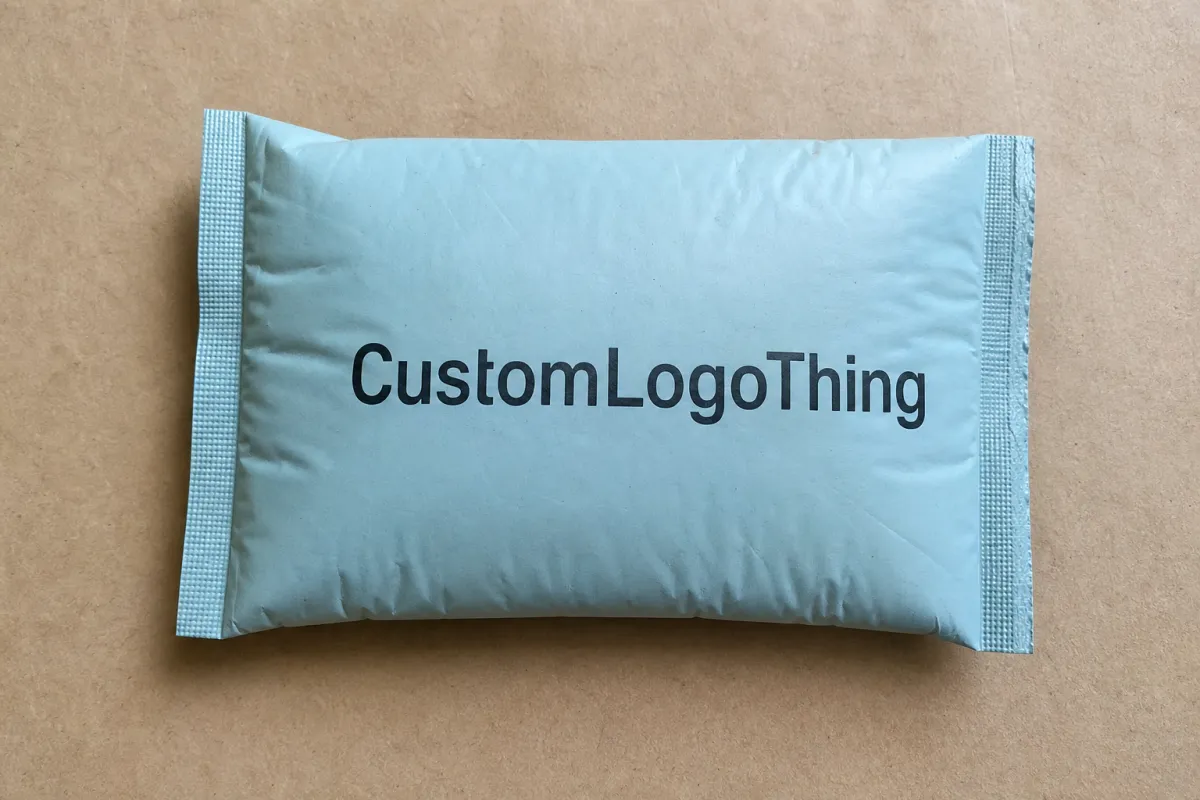
A mailer that looks strong in a render is not the same thing as a mailer that survives actual use. That gap causes most problems. In the artwork file, the logo sits where it should, the flap lines up, and the finish looks premium. Then the real jewelry box goes inside, the walls compress, the seal pulls unevenly, and the package suddenly feels rushed.
Jewelry is a tricky category because the product is small, but the risk profile is high. A necklace card can shift and rub inside the mailer. A polished bracelet box can scuff if the interior surface is too rough. A pendant insert can move just enough in transit to create corner crush. The item may weigh almost nothing, but the perceived value is high, which means the packaging has to carry more trust than the size suggests.
That is why Custom Padded Mailers for jewelry packaging prototype sample approval is really a test of three things at once: fit, protection, and brand feel. If one fails, the sample fails. A mailer can be structurally fine and still feel wrong for the brand. It can look expensive and still arrive dented. It can protect well and still cost too much to scale. Buyers usually learn that the hard way once, then they stop guessing.
Common failure points show up early if you know what to inspect:
- Loose fit: too much empty space lets the jewelry box slide and damage its own corners.
- Tight fit: forcing the product into the mailer distorts the shape and weakens the seal.
- Weak closure: peel-and-seal strips that do not grab cleanly create problems in fulfillment.
- Poor print placement: a centered logo on the dieline can drift once the mailer is folded and filled.
- Wrong surface feel: a scratchy, greasy, or overly glossy finish can kill a luxury impression fast.
Shipping reality creates another layer of trouble. A package that looks clean on a desk may fail after compression in a carton, a drop from belt height, or a rough day in a fulfillment center. That is why a sample should never be judged by eye alone. It needs to be handled, sealed, packed, stacked, and shipped. Skip that step and you are approving a brochure, not a package.
A sample that only looks right on the desk is not approval. It is an expensive suggestion.
There is also a common mistake around jewelry presentation and jewelry protection. They are related, but they are not the same. Retail packaging can be delicate and beautiful because the customer sees it immediately. Ecommerce packaging has to survive the trip first. Good packaging design respects both jobs without pretending a single structure can solve every problem equally well.
How custom padded mailers for jewelry packaging prototype sample approval works
The process usually starts with a size spec or dieline, then moves into a short-run prototype that confirms the actual structure. For custom Padded Mailers for Jewelry packaging prototype sample approval, the goal is not to build inventory. The goal is to prove the final package can perform without creating surprises later.
A typical custom padded mailer has a few parts: an outer layer, a padding layer, a closure system, print, and sometimes an internal insert or lining. The outer layer might be kraft paper, coated paper, or poly. The padding can be bubble, foam, or another cushioning structure depending on the product and shipping risk. The closure may be a peel-and-seal strip, a double-seal system, or a tamper-evident setup if the brand wants a more secure finish.
For paper-based mailers, a common build might use a 350gsm C1S artboard face on a printed sleeve, then a 120gsm kraft liner or 1.5 mm EPE foam layer behind it, depending on the protection target. On lighter programs, a 60-80gsm kraft outer with a thin bubble layer is often enough for a ring box or small pendant box. For heavier or more premium jewelry sets, a laminated paper shell with reinforced edges usually holds up better than a thin decorative wrap.
Here is the basic flow most teams follow:
- Size definition: you provide the jewelry box, pouch, or insert dimensions, not a guess.
- Artwork proof: the printer maps the logo, text, and graphics onto the dieline.
- Material selection: you choose the exterior, padding type, and closure style.
- Prototype build: the sample is produced in a small quantity or as a single working model.
- Physical review: you test fit, closure, appearance, and handling with the real item inside.
- Transit check: if needed, you run a basic drop or compression test before final sign-off.
- Revision or approval: you either adjust the spec or lock the sample for production.
The difference between a visual sample and a functional sample matters more than most buyers expect. A visual sample is about print, color, layout, and finish. A functional sample is about whether the mailer still works once the product is actually inside. The first can be reviewed on a screen or by mail. The second has to be touched, bent, sealed, and pushed through real handling.
For brands already using custom printed boxes or rigid jewelry cartons, this step matters even more. The mailer has to fit the box system instead of fighting it. A ring box that sits neatly inside a carton can still rattle inside a mailer if the interior dimensions are off by only a few millimeters. That is a small mistake with a bad habit of showing up later in returns and customer complaints.
If you are still deciding whether you need a padded mailer at all, compare the product path first. A lightweight accessory line may do fine in a poly shipper, while a premium boxed set may need extra cushioning. You can review a lighter option such as Custom Poly Mailers before locking the padded format. Sometimes the honest answer is simple: the jewelry line does not need more material. It needs the right material.
For shipping validation, many teams use practical checks modeled on industry methods such as ISTA procedures instead of guessing from appearance. Nobody needs to turn a small jewelry order into a lab circus. The point is to simulate enough handling to catch obvious failure before production. The International Safe Transit Association provides useful packaging testing references at ista.org.
Key factors that affect fit, protection, and brand feel
Fit comes first. If the mailer is too small, you get bulging seams, stressed edges, and weak closure performance. If it is too large, the product rattles and the package starts feeling cheap no matter how good the print looks. For jewelry packaging, the right internal clearance is usually modest, not generous. In many cases, a few millimeters on each side make the difference between a clean pack and a sloppy one.
As a practical rule, the mailer should fit the jewelry packaging without forcing it, but not leave so much slack that the contents can slide around. For a small ring box around 55 x 55 x 35 mm, a mailer with roughly 5 to 10 mm of working clearance on each side may be enough, depending on the padding type. For a larger bracelet set or layered insert, you may need more depth and a stronger seal zone. There is no magic number that works for every line, because shape matters as much as dimensions.
Material choice changes the whole experience. Kraft paper gives a more natural, recyclable feel and usually suits eco-minded retail packaging. Poly offers moisture resistance and a cleaner shipping profile. Bubble lining increases protection. Foam padding can feel more premium, but it also pushes cost up and may not fit a minimal brand look. If your jewelry line includes polished metal, resin, enamel, or other scratch-prone finishes, extra interior cushioning is not a nice extra. It is basic damage control.
Exterior finish changes the sample result too. A matte aqueous coat feels different from a gloss laminate. A soft-touch film can look high-end, but it may show scuffs during packing. Uncoated kraft feels honest and tactile, but it can pick up dirt in a busy fulfillment line. A 12pt or 14pt paper wrap may look fine on screen, but a 350gsm C1S artboard with a better fold score often handles pressure more consistently when the package gets stacked.
| Option | Typical prototype cost | Typical unit cost at scale | Protection level | Best fit |
|---|---|---|---|---|
| Plain kraft padded mailer with printed label | $25-$60 | $0.18-$0.42 at 5,000+ units | Moderate | Simple ecommerce orders and lower-risk jewelry pieces |
| Custom kraft mailer with one-color logo and bubble lining | $80-$180 | $0.24-$0.58 at 5,000+ units | Good | Ring boxes, pendant sets, and branded packaging with a cleaner finish |
| Full-color custom padded mailer with custom size and internal insert | $120-$300 | $0.15-$0.24 per unit for 5,000 pieces, depending on size and print coverage | High | Premium launches, heavier gift sets, and stronger package branding |
Those ranges are working ranges, not promises. A thicker pad, tighter print registration, or custom tooling can push pricing up quickly. A simple one-color job with minimal coverage can come in lower than a fully printed format. The mistake is treating price as if it floats above structure. It does not. The structure is the price.
Closure style deserves more attention than it usually gets. A peel-and-seal strip can be efficient, but only if the adhesive quality is right and the flap length gives enough contact area. If the seal line is short or the adhesive grabs unevenly, packs may reopen during handling. For a jewelry line, that is more than annoying. It creates trust issues and can raise returns. Tamper evidence may be useful for higher-value pieces, especially if the brand wants a security cue before the package reaches the customer.
Brand feel matters too. A matte kraft mailer says something different from a glossy white poly mailer. A soft-touch finish reads more premium, but it may be harder to keep clean in fulfillment. Metallic accents can look refined, but they also raise print complexity and color matching demands. If your brand identity already leans heavily on package branding, the mailer should extend that identity without trying to steal attention from the jewelry itself.
Process and timeline: from prototype request to approval
Most sample projects move faster when the buyer sends real information up front. That means product dimensions, actual weights, packaging inserts, finished artwork, closure preference, and any shipping concerns. If you send a vague brief and ask for a miracle, the sample usually comes back with unnecessary revisions. Packaging vendors can fill in gaps, but they should not have to guess what you meant.
A straightforward prototype cycle usually looks like this:
Day 1-2: brief review. The supplier checks box dimensions, print area, material options, and whether the package is intended for retail or ecommerce. If the jewelry product has sharp edges, delicate plating, or mixed materials, that needs to be stated early. A chain necklace is not the same risk as a resin pendant or a high-polish bracelet.
Day 3-5: artwork and structural proof. The dieline is adjusted and the print file is mapped to the structure. This is the point where many teams catch proportion issues. A logo that looks balanced on a flat sheet can end up too close to a fold line once the sample is built.
Day 5-10: prototype production. A sample or small batch is made using the selected substrate and closure. If specialty coatings, foil, or unusual laminations are involved, add time. Fast sample work is possible, but custom features do not care about your calendar.
Day 10-14: physical review and revision. The buyer checks the real item inside the mailer. If the fit is off, the seal is weak, or the finish shows marks, the sample goes back for changes. Some teams approve on the first pass. Most do not. That is normal.
Day 14+: final approval and production lock. Once the sample passes, the approved version becomes the control spec for the production run. This is the stage where everyone should stop making casual changes. A last-minute size tweak can break the entire shipping flow.
That timeline can be shorter for simple builds and longer for custom finishes, but the order of steps usually stays the same. The biggest time sink is rarely the sample itself. It is the back-and-forth caused by missing information. One unclear measurement can cost more time than a full round of actual production.
Cost and pricing: what drives MOQ and unit cost
Prototype cost and unit cost are not the same thing, and teams get burned when they mix them up. A sample may be cheap because it is made one piece at a time. Production pricing depends on setup, material consumption, print coverage, tooling, and how much handwork is involved. A mailer with a simple printed exterior and standard seal will usually cost less than a fully customized structure with multiple layers and a custom insert.
The main cost drivers are predictable:
- Material type: kraft, coated paper, poly, bubble, and foam each carry different base costs.
- Dimensions: larger mailers use more material and often need stronger closure zones.
- Print coverage: full-color or high-ink coverage raises both production and registration risk.
- Closure style: upgraded adhesives, double seals, or tamper features add cost.
- Insert complexity: internal trays, liners, and custom fits add handling time.
- Order quantity: higher volume usually lowers the per-unit price, but not always in a straight line.
Minimum order quantities matter because they set the economics of the run. A vendor may be willing to make a short prototype at low cost, but production MOQ can still be several thousand units. That is not a trick. It is how setup-heavy packaging works. The cutter has to be prepared, the print plates or digital files have to be set, and the run has to cover labor and waste. Low volume with custom structure almost always costs more per unit. There is no elegant way around that.
In practical terms, brands should decide early whether they want a marketing-first package or a shipping-first package. A marketing-first mailer with high print coverage, a custom finish, and extra structure usually costs more but supports the unboxing experience. A shipping-first mailer may use fewer materials and lower cost while still protecting the product. The wrong decision is trying to get luxury presentation, maximum protection, and rock-bottom pricing from the same build. Packaging people hear that request all the time. It never ages well.
If you need a budget check before approving a full run, compare two versions side by side: one with the minimum structure that still protects the product, and one with the presentation elements the brand actually needs. The split often makes the trade-offs obvious. You can spend on finish, on structure, or on both. Rarely all three without moving the target price.
Common mistakes that slow sample approval
The slowdowns are usually self-inflicted. Not malicious. Just avoidable. The worst one is sending the supplier a product size without the actual packaged dimensions. A jewelry item may be one size, but the box, pouch, protective sleeve, and insert together are another. The mailer has to fit the finished pack, not the thing inside it.
Another common problem is approving graphics before the structure is locked. That is backwards. The dieline defines where folds, seals, and edge tolerances live. If the visual is approved first, the design often gets forced into a structure that cannot support it cleanly. That leads to stretched logos, cut-off copy, or seams sitting in the wrong place.
Teams also underestimate how much finish changes the sample. A glossy mailer can show finger marks during packing. A soft-touch coating can scuff on contact. A metallic ink can shift color under different lighting. None of those are deal-breakers on their own, but they should be reviewed in real lighting, with real hands on the package, not just in a proof PDF.
Other mistakes worth avoiding:
- Using estimated product dimensions instead of measured finished dimensions.
- Skipping the actual jewelry box or insert during sample review.
- Testing only one seal and not checking repeated open-close behavior.
- Ignoring how the mailer behaves inside a shipper carton.
- Approving color from a screen instead of a physical proof when color matters.
- Choosing a finish that looks premium but cannot survive the fulfillment line.
One more practical issue: samples often get approved by different people for different reasons. Marketing may like the appearance. Operations may care about pack speed. Procurement may care about cost. If those decisions are made separately, the final packaging can end up satisfying nobody. The cleanest approvals happen when everyone reviews the same physical sample and signs off on the same criteria.
Expert tips and next steps after sample sign-off
Once a sample passes, the job is not finished. It just gets more expensive if you are careless. The approved sample should become the reference for the production run, and the team should lock the spec before anyone starts casually adjusting artwork, dimensions, or materials. If the approved version is not documented well, production drift starts quietly. Then the first carton arrives and everyone acts surprised.
A few habits save time later:
Keep the approved sample on hand. Store one physical master and one photo record with measurements. If a supplier changes paper stock, foam thickness, or adhesive, the difference is easier to catch when the reference is clear.
Record the actual finished dimensions. Not the target dimensions. The finished ones. A packaging line needs the real number if the mailer will be packed by hand or by machine.
Write down the acceptable variation. Small tolerances are normal. A box that is off by a millimeter is not automatically a failure. A closure that misses by five millimeters is another matter.
Test packing speed before volume. A mailer that looks beautiful but slows the packing line can become an operational headache. The best packaging is the one the team can use consistently without improvising.
Check storage and shipping conditions. If the mailers will sit in a humid warehouse, get warm in transit, or stack under heavier cartons, the sample should reflect that. Conditions matter. Paper and adhesive both react to them.
For jewelry brands, the next step after sign-off is usually a controlled pilot run. That small production batch confirms that the approved sample survives real manufacturing variation. If the pilot matches the sample, then the spec is stable enough for volume. If it does not, the problem is easier to fix before thousands of units are printed.
Here is the practical takeaway from the approval stage: the sample is not a trophy. It is a control standard. Use it that way. If the approved mailer cannot be packed quickly, protected reliably, and reproduced consistently, it is not ready for scale yet. That is not a failure. That is exactly why the sample exists.
Final checks before full run
Before placing the production order, run one last review against the approved sample. The check should be boring. Boring is good. Verify the dimensions, print placement, paper stock, padding thickness, closure style, and finish. Confirm the color against the physical proof, not the monitor. If there is any concern about the seal, do a few repeated open-close cycles and see whether the adhesive still behaves properly.
It also helps to look at the package through the lens of the customer journey. Does the mailer open cleanly without tearing? Does the jewelry box stay centered? Does the package look intentional after transit, or does it arrive with crushed edges and tired-looking corners? Those are simple questions, but they keep teams honest.
If the design is meant to support premium package branding, one last question matters: does the mailer still feel like the brand after handling, shipping, and stacking, or only when it is untouched on a table? That answer tells you a lot. Packaging that only works in the safe version of the world is not ready yet.
Keep the final approval narrow. The more people who reopen decisions after the sample is signed, the more likely the run drifts away from the control spec. A clean production launch depends on discipline, not enthusiasm.
FAQ
What makes custom Padded Mailers for Jewelry packaging prototype sample approval different from a standard packaging proof?
A standard proof often checks artwork and layout. A prototype sample checks the actual structure. For jewelry, that means confirming fit, protection, closure, and appearance with the real item inside the mailer.
Do jewelry brands always need bubble or foam padding?
No. It depends on the product, the box style, and the shipping risk. A light ring box may only need modest cushioning, while a polished gift set or fragile insert may need a stronger padding layer.
How much clearance should a jewelry mailer have?
There is no universal number, but a few millimeters of working clearance on each side is often enough for small jewelry boxes. The goal is to avoid both compression and rattling. Shape and padding type matter as much as the dimensions.
Can a sample be approved from photos alone?
Photos help, but they are not enough for final approval. You need to handle the sample, close it, pack it, and check how it behaves in transit conditions. Jewelry packaging is too sensitive to approve by image only.
What drives the price up the fastest?
Custom size, full-color print, specialty finishes, stronger padding, and custom inserts all increase cost. Adhesive upgrades and tighter tolerances can also raise the unit price. Material choice matters, but structure usually drives the bigger jump.
What should be locked before placing the production order?
The final dimensions, print file, material spec, padding thickness, closure style, and acceptable tolerance should all be fixed before volume production starts. If those keep changing, the run will not match the approved sample.
For jewelry packaging, the cleanest path is simple: measure the finished pack, build a real prototype, test it under handling conditions, and only approve the version that still looks right after it has been used like a real shipment. That is the point of Custom Padded Mailers for jewelry packaging prototype sample approval. Everything else is just decoration with an invoice attached.

