Need a printed Poly Mailer Bags quote for fitness that actually helps you buy, not just compare a stack of vague numbers? Start with the package itself. A mailer is not “just packaging”; it is the first physical touchpoint after checkout, and the customer judges it fast. If the bag feels thin, scuffed, or poorly printed, the brand inherits that impression whether the product inside is excellent or not.
For fitness brands, the mailer has a practical job to do. It needs to protect apparel, accessories, and small retail kits, keep shipping weight under control, and still look sharp when the parcel lands on the doorstep. Gymwear, supplements, resistance bands, shaker bottles, and subscription boxes all create slightly different packaging demands, which is why a serious quote starts with size, material, and print intent rather than a single unit price.
The mistake many buyers make is asking for a price before they know what the bag must handle. That usually leads to quotes that look comparable but are built on very different assumptions. A useful quote should help you balance product protection, fulfillment speed, and brand presentation without hiding the tradeoffs.
Why fitness brands need printed mailers that do more than ship products
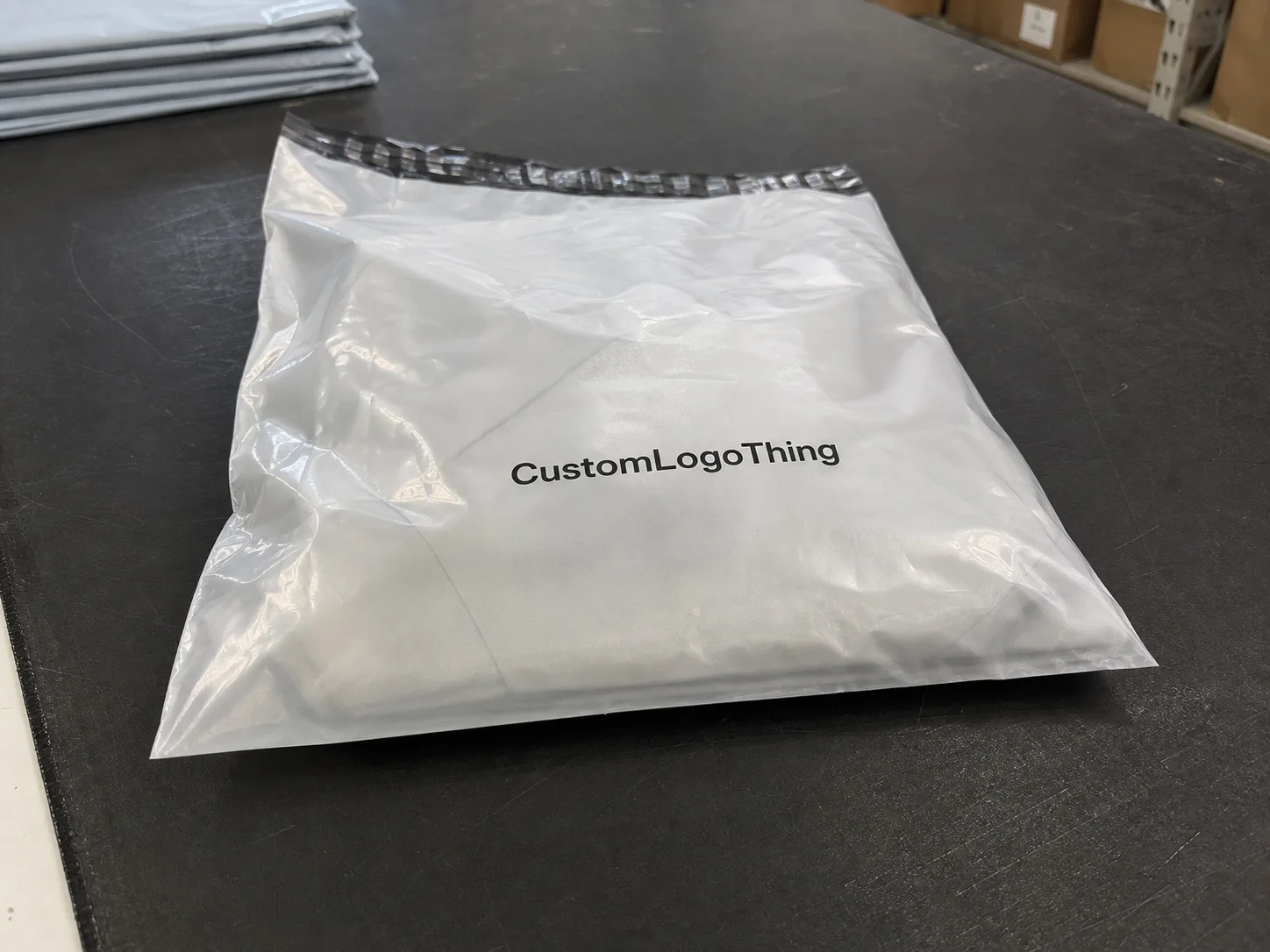
Fitness customers often come back. That makes packaging more than a shipping expense. A neat, well-fitted mailer supports brand recall, and brand recall can help with repeat purchases, referrals, and even the occasional social post. A plain, generic bag still ships the item, but it rarely adds any value beyond moving the product from point A to point B.
Poly mailers are popular in this category because they are lightweight, compact, and efficient. Compared with corrugated boxes, they often lower volumetric weight and reduce carton fill issues. For leggings, tees, socks, headbands, resistance bands, and small bundled orders, that difference can add up quickly across hundreds or thousands of shipments.
From a buyer’s perspective, the best mailer usually does three things at once:
- Protects contents from scuffs, dust, and basic moisture exposure.
- Looks branded without turning each shipment into a premium-cost item.
- Supports margin by staying light, efficient, and consistent.
That is the real context behind a printed Poly Mailer Bags quote for fitness. You are not simply buying plastic film. You are buying a low-cost branding surface that has to survive transit and still make economic sense at scale.
“The best mailer is the one customers barely notice because it arrived intact, looked on-brand, and did its job without friction.”
Printable mailer bag options for apparel, supplements, and accessories
Different fitness products place different demands on the bag. A flat tee is easy to ship; a hoodie plus shaker bottle is not. So the first question is always what you ship most often, not which sample looks most attractive under bright light.
Standard LDPE is common for apparel and lightweight kits. It is cost-effective, prints cleanly, and usually offers enough flexibility for products without sharp edges. Co-extruded film adds strength and better puncture resistance, which is useful when shipping bulkier items or when the package needs a more premium feel in hand. Recycled-content options may be available too, though print consistency, film clarity, and surface feel can vary depending on the blend. That is not a downside in every case, but it is a factor buyers should see before committing.
Closure style matters more than people expect. A self-seal adhesive strip is standard and works well for most shipments. If your operation handles returns or higher-value items, ask about tamper-evident seals or double-seal structures. For high-volume fulfillment, a smooth peel-and-stick closure can save time and reduce packing errors.
Print style changes the perceived quality fast. A single-color logo can look crisp and economical. Full-color graphics are better for bold fitness brands, detailed marks, or packaging that doubles as a marketing surface. Matte finishes tend to look more refined and hide fingerprints. Gloss finishes make color pop more under retail lighting. Opaque films improve privacy for apparel and supplements, while semi-opaque films can feel lighter but may show shadowing in certain lighting.
The fit itself matters just as much as the print. A mailer should be snug enough to prevent excessive shifting, but not so tight that seams are under constant stress. A bag that barely fits a folded hoodie will split faster than one with a little sensible room. Oversizing is not much better, because loose parcels look untidy and can drive higher shipping costs than needed.
| Product type | Typical mailer choice | Best fit notes | Common tradeoff |
|---|---|---|---|
| Leggings, tees, socks | Standard LDPE, 2.5–3 mil | Snug folding, minimal extra space | Lower cost, less puncture margin |
| Hoodies, joggers | Co-extruded film, 3–4 mil | Needs room for bulk and seam strength | Higher unit cost, better protection |
| Supplements, shaker bottles | Thicker opaque film, 3–5 mil | Better privacy and puncture resistance | Heavier bag, slightly higher postage impact |
| Resistance bands, small kits | Reinforced or co-extruded film | Watch for sharp edges and odd shapes | May need a larger bag to reduce stress |
If you are comparing a Printed Poly Mailer Bags Quote for fitness across suppliers, do not compare only the price per bag. Compare how the material behaves with your actual product mix. That is the part that helps prevent reorders, damage claims, and awkward conversations with fulfillment teams later.
Specifications that affect performance, branding, and postage
Three specifications usually drive the real-world result: thickness, size, and print coverage. Other details matter too, but these three tend to control both performance and price.
Thickness is usually measured in mils or microns depending on the supplier. In practical terms, thicker film generally means better puncture resistance, a more substantial handfeel, and a more premium impression. Lighter mailers work well for tees and socks, while heavier or sharper items usually justify extra thickness. For many fitness apparel orders, 2.5–4 mil is a reasonable starting range. If the item has hard edges, increase it.
Size should match the packed item, not the product name. A folded hoodie may need a very different bag from a flat tee, even though both fall under apparel. The right size allows easy packing without leaving so much excess space that the parcel looks inflated or wastes shipping volume. A bag that is too small stresses the seams; one that is too large creates movement and a sloppier finish.
Print coverage changes both cost and appearance. A simple front logo is cheaper than full coverage on both sides. If you need white ink on dark film, raise that early because it can change the production method and the quote structure. Confirm bleed area, logo placement, and whether artwork must avoid the seal zone.
There are a few functional details buyers should ask about directly:
- Tear resistance for shipping durability.
- Moisture protection for basic transit exposure.
- Opacity if privacy matters for apparel or supplements.
- Seal strength so the bag stays closed during handling.
- Handling feel for fulfillment teams packing large volumes.
It also helps to think in terms of transport performance rather than appearance alone. Packaging tests and shipping expectations are commonly discussed by organizations such as the ISTA, while material and recycling considerations often connect to broader guidance from groups like the EPA. Not every mailer needs formal lab testing, but it does help to ask about drop performance, seal reliability, and film consistency before a production run starts.
The tradeoff is usually straightforward. Use a lighter bag when postage savings matter more and the product is forgiving. Use a thicker bag when puncture resistance, privacy, and presentation matter more. If your product is easy to flatten and margins are tight, lighter can be the right call. If the packaging is part of the brand experience, thicker film usually earns its place.
Printed poly mailer bags quote for fitness: cost, MOQ, and unit price drivers
If you want a meaningful Printed Poly Mailer Bags Quote for fitness, you need to know what actually moves the price. In most cases, the biggest drivers are bag size, film thickness, print colors, print coverage, add-ons, and order quantity. Bigger bag, thicker film, more colors, more coverage, lower quantity — those all push the unit cost up. That pattern is not mysterious, but it is easy to underestimate if you only look at headline pricing.
MOQ varies by print method and factory setup. Traditional gravure or plate-based printing usually makes more sense at larger quantities because the setup cost gets spread out over more bags. Digital printing can support smaller orders and faster changes, but the unit cost may be higher once volumes rise. A buyer trying to launch a first run and a buyer planning repeat replenishment may therefore arrive at different best choices even with the same artwork.
For many custom runs, MOQ starts around 5,000 pieces, though some suppliers can support smaller runs depending on the print method and the design. If the artwork is simple, the material is standard, and the timeline is not aggressive, that often opens more options. If the art is complex or the bag requires special finishes, the entry point can move upward.
Typical pricing ranges for Custom Printed Mailers vary widely, but a buyer might see something like this for a standard fitness order:
| Order size | Typical unit price range | What usually affects it |
|---|---|---|
| 3,000–5,000 pcs | $0.16–$0.32 | Higher setup impact, smaller quantity, simpler print recommended |
| 10,000 pcs | $0.11–$0.24 | Better spread of setup cost, more room for print options |
| 20,000+ pcs | $0.08–$0.18 | Lower per-unit cost, easier to justify thicker film or broader coverage |
Those ranges are broad, not a promise. Exact pricing depends on material, print method, shipment route, and current production load. Freight matters too. A low factory price can disappear once shipping, duties, and packaging-to-warehouse handling are added in, so it is better to compare landed cost than to chase the lowest number on a spreadsheet.
When requesting a printed Poly Mailer Bags quote for fitness, send these five details first:
- Bag dimensions in width x length.
- Quantity for the initial run and any repeat-order target.
- Print colors and whether the design is front-only or printed on both sides.
- Material and thickness preference, if you already have one.
- Shipping destination so freight can be estimated accurately.
If you can add photos of the product or a packed sample, even better. A quote based on real fill volume is far more useful than one based on guessed dimensions, especially for mixed-size apparel bundles.
Production steps, proofing, and lead time from artwork to delivery
The production flow is usually straightforward, but weak briefs create delays. First comes inquiry and specification review. Then artwork submission. Then a digital proof. After approval, production begins, followed by inspection, packing, and shipping. Nothing unusual there. The delays tend to come from missing details, not from the process itself.
The most common problems are low-resolution artwork, missing dielines, vague bag dimensions, and last-minute design edits. A logo file that looks fine on screen may not hold up in print if the resolution is too low or the color space is wrong. That is where a good proof stage earns its keep.
Proof review should focus on five items: artwork placement, color balance, text accuracy, bag size, and seal orientation. Check whether the logo sits too close to the edge or the fold area. If the bag has a defined seal strip, confirm that artwork does not interfere with it. Small layout mistakes are tedious to correct later and usually cost more once production has started.
Lead time depends on quantity and print complexity. After proof approval, many custom mailer runs take roughly 12–15 business days for production, although larger orders or more complex setups can take longer. Rush requests are sometimes possible, but only if factory capacity allows it. Rush is not a magic switch; it is a scheduling problem with a higher cost attached.
Freight deserves attention as well. Bulk Poly Mailers take space, and cartons can be awkward if you need split shipments or multiple warehouse drops. If your fulfillment is spread across locations, say so early. A useful quote should show packaging cost and freight plan clearly instead of hiding one behind the other.
“The quote worth trusting is the one that leaves fewer surprises between approval and delivery.”
What makes a fitness mailer bag a safer buy for growing brands
For a growing fitness brand, the cheapest bag is not always the safest buy. Consistent film gauge, clean sealing, and stable print registration matter more than clever sales language. If the first few hundred bags look good and the rest of the run does not, the order has not really saved money; it has just moved the problem downstream.
The safer choice is usually the one that balances size accuracy, film strength, and print simplicity. That does not mean every order should be plain. It means the artwork and structure should fit the production method instead of fighting it. A well-planned one-color logo on a correctly sized film can outperform a flashy design that stretches the process or creates inspection issues.
Growing brands also need flexibility. New labels often need tighter MOQ control and a simpler spec. Larger brands may care more about repeatability, cost stability, and inventory planning across multiple drops. The right supplier should be able to explain those tradeoffs clearly rather than promising that every spec is perfect for every stage.
Good support also includes sample review, practical communication on timing, and a realistic explanation of what affects cost. If you need packaging beyond mailers, browse our Custom Packaging Products. If you already know the format you need, our Custom Poly Mailers page is a good starting point. If you want to confirm a spec before placing an order, use our Contact Us form and send the basics.
What should you expect from a supplier, honestly? Clear specs, consistent product, and a quote that reflects the real requirements of the shipment. A supplier should help reduce returns, packaging complaints, and rework, not just send the lowest number and disappear when the order arrives with the wrong finish or the wrong fit.
How to request a quote and place the right order the first time
If you want the process to go smoothly, prepare five details before you request a quote: size, quantity, print colors, material or thickness, and shipping destination. That is the minimum. Add product photos or a packed sample if you can. Those details give the supplier enough context to quote accurately instead of padding for uncertainty.
Ask for two or three pricing tiers if your volume is flexible. A quote at 5,000 pieces and another at 10,000 pieces can reveal how quickly the unit cost changes. Sometimes the larger run saves enough to justify holding a bit more inventory. Sometimes it does not. Either way, you need the comparison before deciding.
Before approving the order, confirm three things:
- Proof approval timing so the schedule does not drift.
- Production schedule so you know when the order actually starts.
- Freight method so the landed cost is not a surprise.
There is one practical rule that buyers overlook too often: choose the mailer for the product mix you ship now, not the assortment you hope to ship someday. If your brand mostly ships tees today, buy for tees. If you are moving toward heavier bundles, say that early and quote accordingly. Guessing wrong on bag size is a very expensive way to learn basic packaging math.
Once the specs are clear, review the digital mockup or sample, approve the quote, and start production. That is the cleanest path to a printed poly mailer bags quote for fitness that balances price, durability, and presentation without creating avoidable surprises.
FAQ
What details do I need for a printed poly mailer bags quote for fitness products?
Provide bag size, quantity, print colors, material and thickness preference, and delivery destination. If possible, include a packed sample or product dimensions so sizing is accurate.
What is the usual MOQ for custom fitness poly mailer bags?
MOQ depends on the print method and material, but bulk runs usually lower the unit price significantly. Smaller orders may be possible with digital printing, while traditional production often favors higher quantities.
How long does production usually take after artwork approval?
Lead time depends on order size, print complexity, and the current production schedule. After proof approval, production plus shipping can vary, so confirm timing before placing the order.
Which thickness is best for fitness apparel mailers?
Lighter apparel can use standard film, while heavier or premium shipments benefit from thicker material. Choose thickness based on puncture resistance, perceived quality, and postage impact.
Can I get a quote for recycled or eco-friendly printed mailer bags for fitness brands?
Yes, recycled-content options may be available depending on the structure and print requirements. Ask for material samples and pricing comparisons because eco options can change both cost and appearance.


