A custom Premium Cuffed Beanies bulk order usually succeeds for the same reason good retail items always do: the product looks finished before anyone reads the logo. The cuff creates a clean branding zone, the shape holds better than a floppy knit, and the item feels substantial enough to justify a higher price or a more selective giveaway. That matters because a winter accessory has to work in a crowded field of merch, gift kits, and seasonal promotions.
The difference between a forgettable beanie and one people actually keep is rarely dramatic on paper. It can be a tighter knit, a better yarn blend, or a cuff that stays flat instead of curling at the edges. Those small decisions affect how the beanie photographs, how it wears, and how much confidence the buyer has when approving a larger run. In practice, that is where the value sits.
Custom premium cuffed beanies bulk order: the margin play most buyers miss
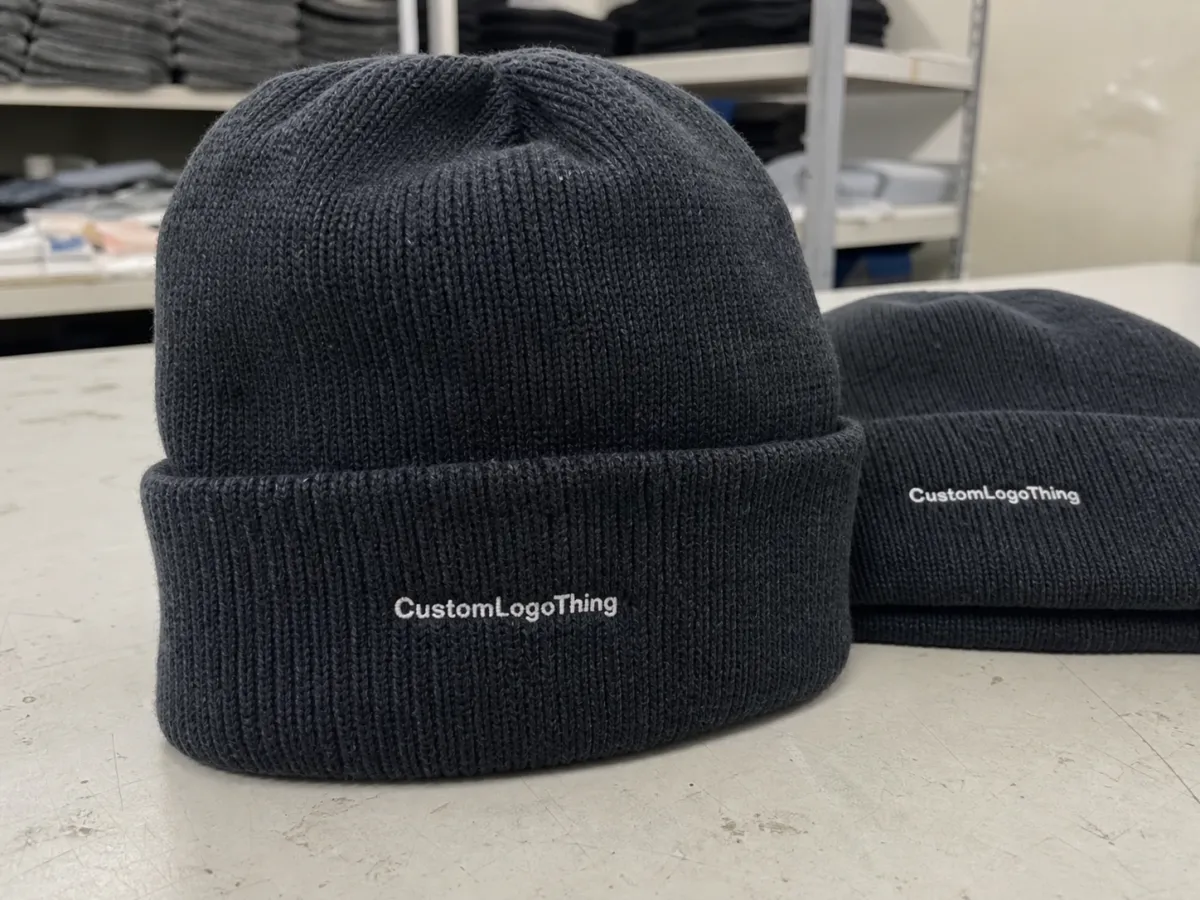
Most buyers start with warmth, but the smarter ones start with visibility. A cuffed beanie gives you a front panel that can carry embroidery, a woven patch, or a woven label without competing with the rest of the knit. The logo lands where people naturally look, which makes the piece easier to read from a distance and easier to sell in a retail setting where decisions happen quickly.
That positioning has a real commercial effect. If the hat looks premium, it is more likely to be worn often, and every additional wear creates more impressions. Promotional items that disappear into a drawer have limited value. Products that feel like part of someone’s regular cold-weather rotation keep working long after the campaign ends.
The same logic applies across branded goods. Presentation changes perceived value whether the item is apparel, an insert card, or product packaging. A beanie with a well-planned fold, a simple sleeve, or a tidy hangtag feels closer to merchandise than to a throwaway handout. That difference can support a higher sell-in price without requiring a louder logo.
There is also a practical sizing advantage. Cuffed beanies are usually one size, but the cuff and rib structure make the fit forgiving without looking sloppy. Buyers planning a custom premium cuffed Beanies Bulk Order often want fewer fit complaints, fewer leftovers after the event, and less anxiety about who will actually wear the item. A well-built beanie solves those problems better than a thin, loose knit ever will.
One mistake shows up again and again: treating all beanies as interchangeable. They are not. A shallow cuff, loose gauge, and weak decoration plan can make even a good logo look cheap. A cleaner build can do the opposite, and the difference in unit cost is sometimes only a few dollars.
Materials, knit density, and fit details that make premium feel real
Material choice sets expectations before decoration enters the picture. Acrylic is still the most common base because it is soft, stable in production, and cost-effective. Recycled acrylic blends are popular with buyers who want a stronger sustainability story without moving too far up the price ladder. Wool blends bring more warmth and a more natural hand, but they also raise cost and can change care expectations for the end user.
The knit itself matters just as much as the fiber. A tighter gauge usually gives the cuff a cleaner surface for decoration and helps the beanie keep its shape after repeated wear. Loose knit can look relaxed on a rack, but it also tends to lose structure faster. Buyers should ask for the unrolled height, cuff height, stitch count, crown shape, and stretch recovery. For many premium builds, an 8.5 to 10 inch body with a 2 to 3 inch cuff is a reasonable starting point, though the right spec depends on the audience and decoration method.
Fit is not a cosmetic detail. A good cuffed beanie should stretch comfortably across a typical adult head range, often around 20 to 24 inches, while snapping back instead of bagging out. Rib structure matters here because it keeps the cuff flat and gives embroidery a more stable base. That stability is part of what buyers pay for when they want the piece to look retail-ready instead of promotional.
This style serves different buyers for different reasons:
- Brands want shelf appeal and a stronger resale story.
- Teams want a fit that works across mixed sizes.
- Nonprofits want a visible item that feels worth giving.
- Ski shops and winter retailers want something that sits comfortably beside jackets and accessories.
- Event buyers want an item that does not vanish into a giveaway pile.
If the beanie is part of a broader branded kit, the knit spec should match the rest of the package. A premium beanie inside cheap packaging sends mixed signals, and the reverse is just as awkward. The product, the fold, and the outer presentation need to agree on price point or the whole order feels off.
Decoration choices, color matching, and spec decisions that protect the design
Decoration is where a good beanie becomes a branded asset. Embroidery is still the default for many buyers because it is durable, clean, and easy to read on a cuff. It works best for logos with solid shapes and limited fine detail. Woven patches are a better fit when the artwork includes thin lines, small type, or multiple colors that would blur in thread. Labels are useful when the brand wants an understated finish or a softer premium look.
Each method has a tradeoff. Embroidery adds texture and weight, but it can compress tiny lettering. Patches preserve detail better, though they add a component and another approval step. Labels are subtle and often economical, but they may not carry enough visual force for a louder design. The right choice is rarely the cheapest one. It is the one that matches the logo, the audience, and the way the beanie will be sold or handed out.
Color matching needs more attention than it usually gets. Pantone targets help, but knitwear does not behave like flat print stock. Yarn absorbs and reflects light differently, so a color can look warmer or deeper in hand than it did on screen. Heather effects, marl yarns, and two-tone body-and-cuff builds also change how the mark reads in photos. If the logo relies on contrast, the cuff color should support it rather than fight it.
Before approving a run, lock these spec points:
- Folded cuff width so the logo has enough space.
- Mark placement so the decoration lands centered and level.
- Stretch range so the fit suits the intended audience.
- Packaging style for retail, kits, or loose bulk distribution.
- Color references for both yarn and decoration thread or patch backing.
Another common mistake is designing as if the surface were flat. Knitwear curves, stretches, and compresses. Artwork that looks crisp on a screen can blur once it is stitched onto a cuff. Thin icons can lose legibility, and low-contrast thread can disappear. The best buyers keep the artwork honest and trim away anything the material cannot support.
For launch kits or sales giveaways, custom printed boxes or a simple folded mailer can raise perceived value without adding much complexity. A clean insert card, a retail fold, or a plain sleeve often does more for package branding than a louder logo ever will. The finish has to match the item; otherwise, the presentation looks assembled instead of designed.
Pricing, MOQ, and unit cost for bulk orders
Price follows variables, not slogans. Quantity, yarn composition, decoration method, packaging, and whether the beanie is stock-based or fully custom all affect the final number. A basic embroidered acrylic cuffed beanie in volume may sit in the low single digits per piece, while a wool blend with a woven patch and retail packaging can move much higher. The key is to compare like for like.
As a working reference, larger runs usually lower the unit price because setup costs spread across more pieces. Simple artwork helps too. Standardized yarn colors, fewer decoration zones, and fewer sample revisions all reduce cost. If the order uses a stock base with decoration added later, the price can stay more accessible. A fully custom knit build, by contrast, costs more because it introduces more production steps and more approval points.
| Build type | Typical unit cost at 500 pcs | Typical unit cost at 2,500 pcs | Best use |
|---|---|---|---|
| Stock acrylic + embroidery | $4.20-$6.10 | $2.95-$4.10 | Events, employee gifts, basic retail tests |
| Recycled acrylic blend + woven patch | $5.10-$7.40 | $3.45-$5.20 | Brand launches, sustainability-led merch, mid-tier resale |
| Wool blend + label or patch | $7.50-$11.00 | $5.80-$8.20 | Premium retail, ski shops, executive kits |
MOQ depends on the build. Many suppliers can start stock-decorated orders at 100 to 200 pieces, while custom knit programs often begin around 300 to 500 pieces. That does not mean a smaller run is impossible. It means the economics change. If you need a test run to validate color, stitch density, or logo placement, a smaller order can make sense. If the item is already proven, a deeper bulk order usually delivers better value per unit.
Do not compare quotes by sticker price alone. Ask what is included. Sample fees, decoration setup, freight, packaging, and rework risk can change the real number quickly. A quote that looks low can become expensive if the proof process is vague or if the supplier has to correct avoidable mistakes later. A clear spec sheet saves money before production even begins.
If the order sits inside a broader wholesale program, the pricing structure should be evaluated alongside the rest of the merchandise mix. Volume planning works better when apparel, accessories, and packaging are all priced with the same assumptions.
Process and turnaround: from proof to delivery
The cleanest orders usually follow the same sequence. Artwork review comes first. Then the supplier issues a digital proof or mockup. If the build is more complex, a physical sample follows. Once the sample is approved, production gets scheduled, decoration starts, quality checks happen, and the finished goods move into packing and shipment.
Timing depends most on yarn availability, quantity, artwork complexity, and season. If the order lands during peak cold-weather demand, lead times stretch. That is normal. A straightforward embroidery job on a stock beanie may move faster than a custom knit with several yarn colors and retail packaging, but the margin for error gets smaller as complexity grows.
There are three ways to save time without cutting corners. Send clean vector art. Confirm colors before the proof cycle drags out. Approve the sample with discipline instead of asking for small changes after every round. Those little delays add up. A buyer planning an employee rollout, sponsor gift, or retail drop should work backward from the delivery date, not forward from the quote date.
A simple planning model helps:
- Week 1: submit specs, target quantity, and logo files.
- Week 2: review proof and approve colors.
- Weeks 3-4: sample or pre-production check, if needed.
- Weeks 4-6: production and quality review.
- Final week: packing, freight booking, and delivery confirmation.
That is not a promise. It is a planning frame. A larger or more customized run will take longer, and a narrow seasonal window can stretch everything. The buyers who avoid surprises are the ones who build in slack before the weather changes and the calendar gets crowded.
For orders that include inserts or other branded goods, packaging needs to move through approvals with the beanie itself. The hat, card, sleeve, and carton should all be confirmed together so the final product packaging arrives as one coordinated order instead of a stack of disconnected parts.
Quality checks, packing, and supplier proof points that reduce risk
Quality on a cuffed beanie starts with consistency. The knit needs to hold its gauge. The cuff should fold evenly. The logo has to land in the same place on every piece. Color should stay within an acceptable range across the run, and elasticity should recover after stretching. Final count verification matters too; bulk orders only help if the delivered quantity matches the approved invoice.
Packing affects what happens at receiving. Individual polybags, size labels, retail folds, and custom inserts can make a big difference if the order is heading to stores, fulfillment centers, or event kits. If the buyer plans to repackage items, standard bulk packing may be enough. If the beanies need to go straight from carton to shelf, retail packaging saves labor and protects presentation. That is where retail packaging earns its keep.
Supplier proof points matter more than a polished sales pitch. Ask for sample photos, production photos, and a correction process if something misses spec. Ask what happens if the thread color lands off or if the cuff height differs from the approved sample. The better vendors answer clearly and document the fix. Vague answers usually show up again later, this time on a packing table.
Premium is not about adding more decoration. It is about making the beanie hold its shape, keep its color, and still look intentional after repeated wear.
Transit can damage soft goods even when the product itself is fine. Standards from ISTA are useful because they remind buyers that shipping risk belongs in the planning stage, not only after arrival. If the order includes paper inserts, sleeves, or hangtags, FSC-certified materials can support a cleaner sourcing story. The sourcing decision is not only about the beanie; it is about the full package experience.
Cheap sourcing tends to fail in predictable ways. The logo is off-center. The cuff rolls unevenly. The beanie feels thin in hand. The colors drift. The packaging arrives bent. A premium program reduces those failures because the supplier has to plan around them. That is the actual point of paying for the better order.
That is also why the difference between simple decoration and thoughtful package branding matters. If the beanie sits beside other branded goods, the fold, finish, and insert should reinforce the same visual system. That alignment looks small on paper. In a showroom or on a shelf, it changes the read immediately.
How to move from quote to production without slowing the order
Good orders move quickly because the buyer sends useful information early. Start with quantity, color count, deadline, logo files, decoration preference, and destination. If you need retail packaging or loose bulk packing, say that upfront. If the beanies will be bundled with other merchandise, mention that too. The clearer the brief, the fewer revisions later.
Here is the shortest path from inquiry to approval:
- Gather vector artwork and brand colors.
- Choose embroidery, patch, or label decoration.
- Confirm cuff width, knit style, and material blend.
- Set quantity tiers and target ship date.
- Approve the proof with one clean revision cycle, if needed.
- Lock packaging style and freight method.
If you are comparing options, ask for a line-by-line quote instead of a single lump sum. That makes it easier to see what you are paying for and where changes create cost. It also helps when the same project includes other merch, because apparel and packaging can be checked against the same assumptions. Buyers who treat the quote like a spec document usually encounter fewer surprises later.
A strong first inquiry should include the following:
- Target quantity and backup quantity tier.
- Logo file in vector format.
- Brand colors or Pantone references.
- Deadline and whether it is fixed or flexible.
- Ship-to location and whether it is one address or multiple.
- Packaging preference such as bulk, retail fold, or gift-ready pack.
That checklist is simple, but it prevents a lot of slow back-and-forth. It also gives the supplier a real chance to quote accurately instead of padding for unknowns. If the order belongs to a broader merch program, keep the packaging story aligned across the set. A beanie, insert card, and custom printed boxes do not need to be extravagant. They do need to look like they belong together.
For buyers who need to make a decision with limited time, the order should come down to three things: the spec, the schedule, and the presentation. If those line up, a custom Premium Cuffed Beanies bulk order is easier to approve, easier to sell, and easier to repeat. The best runs are the ones that feel simple after the work is done because the planning was precise before production started.
FAQs
What is the usual MOQ for a custom Premium Cuffed Beanies bulk order?
MOQ usually depends on whether the beanie is stock-based, fully custom knit, or decorated with embroidery or patches. Larger runs usually lower the per-unit cost, while smaller runs may still be possible when the decoration process is simple.
How long does production take for custom Premium Cuffed Beanies in bulk?
Turnaround depends on proof approval speed, yarn availability, order size, and decoration method. Build extra time into the schedule during peak cold-weather season because lead times usually stretch as demand rises.
Which decoration method works best for custom cuffed beanies?
Embroidery is often best for clean logos and durable branding on the cuff. Woven patches or labels work better when the artwork has fine detail, multiple colors, or a more retail-focused finish.
Can I approve a sample before placing a bulk order?
Yes. A sample is the safest way to confirm fit, color, logo placement, and hand feel before committing to production. It reduces the chance of expensive corrections after the full run starts.
How do pricing breaks usually work on bulk beanie orders?
Price per unit usually drops as quantity increases because setup costs are spread across more pieces. The biggest cost drivers are material choice, decoration complexity, packaging, and any rush production needs.

