Get a Custom Wine Paper Bags Unit Cost Breakdown
Why a Cost Breakdown Changes the Buying Decision
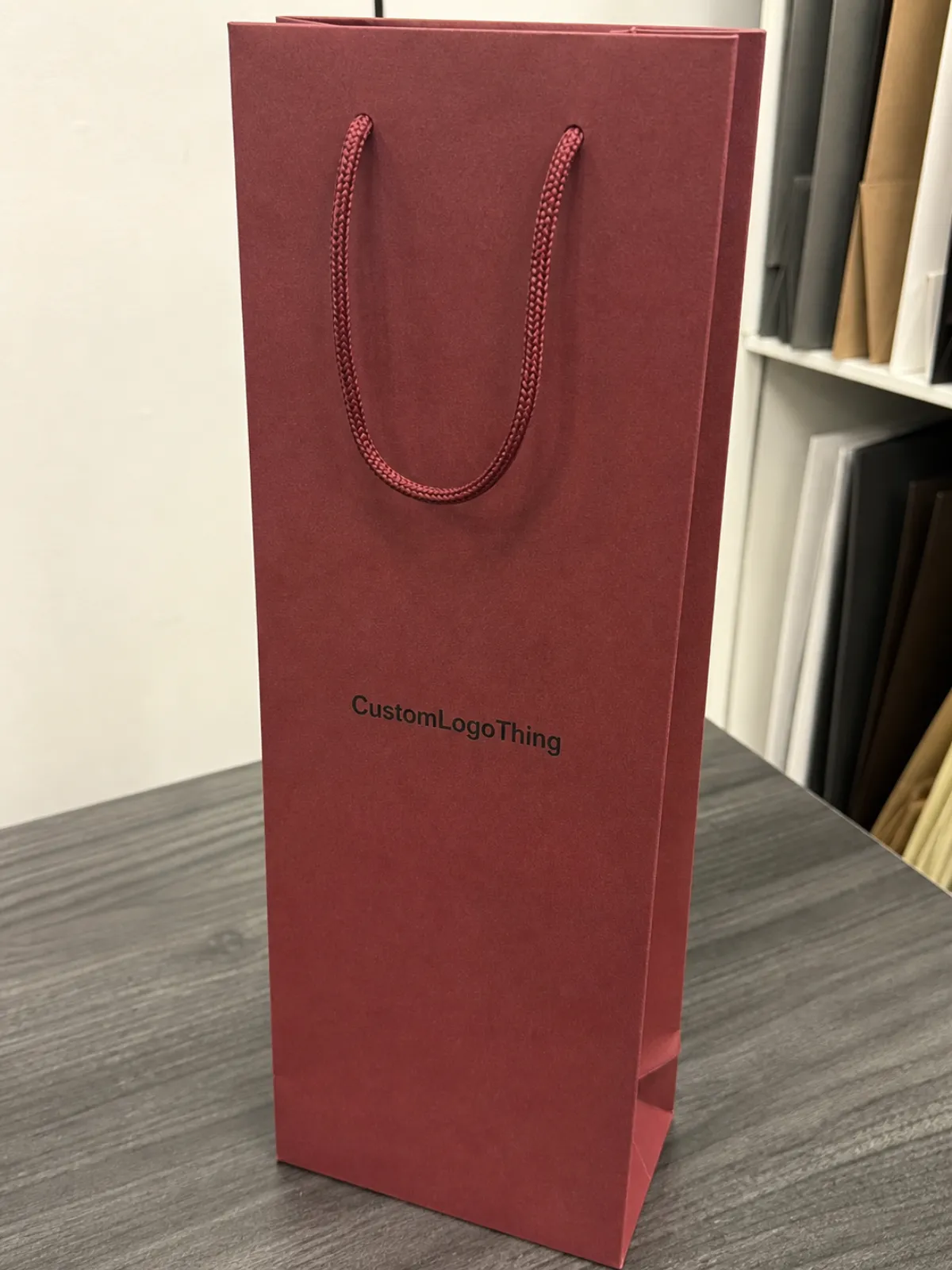
Two wine bags can look almost identical on a tasting-room counter. Same logo. Same bottle inside. Similar color. Yet the delivered cost can differ by 25% or more once paper weight, handle style, print coverage, finishing, packing density, carton size, and freight zone are counted. That is why buyers need a custom wine paper Bags Unit Cost Breakdown before approving production, because the cheapest visible quote is often not the cheapest delivered packaging program.
A winery may manage bottle margins down to a few cents per pour, then lose that discipline on the bag handed to the customer. The piece price looks small. The damage hides in setup charges, carton count, overages, rushed proofs, and shipping that was never included in the first number. I have seen this pattern across retail packaging: procurement compares the easy line item, not the real cost structure.
A structured breakdown changes the conversation. Wineries, liquor stores, hotel gift teams, event planners, and distributors can compare suppliers on the same assumptions instead of matching one incomplete quote against another. One supplier may include bottom reinforcement. Another may quote lighter paper. A third may exclude freight entirely. Those are not equal offers.
Custom Logo Things approaches custom wine bags as product packaging with commercial consequences. The point is not to decorate paper. The point is to protect a heavy glass bottle, support package branding, fit the buying moment, and make the unit cost defensible before the invoice arrives.
Buyer reality: a $0.12 difference per bag becomes $600 on 5,000 units. Add freight surprises, and the gap can buy a full tasting-room display or disappear into avoidable packaging waste.
This guide defines the product, identifies the cost variables, explains how quotes are built, clarifies MOQ logic, maps the production timeline, and gives buyers a checklist that makes a custom wine paper bags Unit Cost Breakdown easier to compare across suppliers.
Product Details That Move the Price Before Printing Starts
Custom Wine Paper Bags are reinforced paper carrier bags sized for one or more wine bottles. They are common in wineries, liquor stores, tasting rooms, hotels, gift shops, subscription clubs, and promotional events. They sit between branded packaging and utility packaging: attractive enough for gifting, strong enough to carry glass.
Wine packaging is not a standard retail paper bag with a taller profile. Bottles are heavy, cylindrical, breakable, and often bought as gifts. A 750 ml bottle can weigh roughly 2.6 to 3.4 lb depending on glass weight and closure. Champagne-style bottles can be heavier. That changes the engineering. Paper grade, GSM, gusset depth, bottom board, top fold, and handle attachment matter more than they would for apparel or bakery bags.
Common structures include single-bottle bags, two-bottle carriers with dividers, and premium gift formats with laminated stock and rope handles. A simple kraft wine bag might use 150-180gsm paper for light retail use. A more substantial coated or laminated bag may move into the 200-250gsm range, sometimes higher for luxury gift presentation. More paper means more cost. It also means more confidence at the handoff.
Handles create another pricing fork. Twisted paper handles are practical and cost-efficient. Cotton rope feels more premium but adds material and attachment labor. Ribbon can look gift-ready, though it may not suit heavy bottles unless reinforced. Die-cut handles keep the silhouette clean but can stress the top panel. Reinforced punched handles improve strength yet require extra material planning.
Add-ons should earn their place. Bottle dividers, reinforced bottom cards, foil stamping, embossing, spot UV, matte lamination, gloss lamination, varnish, hang tags, and tissue-ready interiors all change the quote. Some upgrades add cents. Others add setup steps, longer lead times, or higher reject risk during finishing.
The right bag is not always the most decorated option. It is the specification that protects the bottle, fits the retail moment, and keeps the economics rational. For a buyer comparing Custom Packaging Products, the strongest choice is usually the one that balances structure, print method, and order quantity rather than maximizing decoration.
Specifications to Confirm Before You Ask for a Quote
A useful quote starts before the supplier opens a pricing sheet. Confirm the finished bag size, bottle count, bottle diameter, bottle height, expected filled weight, paper thickness, handle type, print method, color count, artwork coverage, finish, quantity, destination, and deadline. Missing one of those details can turn a clean estimate into a guess.
Size discipline matters. A half-inch increase in height or gusset depth sounds harmless, but multiplied across 5,000 or 10,000 bags it raises paper consumption, carton volume, and freight exposure. Wine bags are light, yet they can be bulky. That makes dimensional weight a real factor for parcel and air freight.
Paper choice also signals brand position. Brown kraft can suit natural, vineyard, organic, or rustic retail stories. White kraft gives cleaner contrast for dark logos and bright graphics. Coated paper supports sharper images, stronger color control, foil, and premium finishes. If FSC-certified material is part of the brand requirement, ask early and verify availability through the Forest Stewardship Council chain-of-custody expectations.
Print method changes both price and appearance. Flexographic printing can be efficient for repeat runs and simpler graphics, especially one- or two-color designs. Offset printing supports higher-resolution artwork and tighter color control for detailed packaging design. Digital printing can suit smaller or variable runs, although unit economics shift by quantity, coverage, and substrate.
Durability needs should be stated plainly. Is the bag for one standard bottle, two bottles, chilled bottles with condensation, or heavier sparkling wine? Moisture can soften uncoated paper. A glossy or laminated surface may resist handling marks better, but it also changes recyclability and price. For transport-related performance questions, buyers can reference distribution testing principles from ISTA, even though a hand-carried wine bag is not tested the same way as a shipper carton.
Request a dieline or template before final art approval. Logo placement, barcode zones, regulatory copy, social handles, and decorative borders should not land on folds, gussets, bottom panels, or handle reinforcements. Print-ready artwork is not just high resolution. It is artwork placed on the correct structure.
Custom Wine Paper Bags Unit Cost Breakdown: Pricing and MOQ
A proper Custom Wine Paper Bags unit cost breakdown separates visible and hidden components. Visible costs include paper, handles, printing, finishing, reinforcement, labor, and quality control. Hidden or overlooked costs include printing plates or screens, setup fees, sample charges, cartons, packing labor, overage policy, freight, duties if applicable, and storage after delivery.
MOQ is not random. Minimum order quantity reflects paper procurement, machine setup, printing preparation, finishing labor, and the point where setup cost can be spread across enough units to make the order economical. If a plate or setup package costs $300 and the run is 500 bags, that setup contributes $0.60 per bag before paper or printing. Spread the same setup across 5,000 bags, and it contributes $0.06 per bag. Same artwork. Very different unit cost.
| Specification Scenario | Typical Use | Cost Behavior | Buyer Watchpoint |
|---|---|---|---|
| 150-180gsm kraft, one-color logo, twisted paper handle | Tasting rooms, liquor stores, event giveaways | Lower setup and material burden, especially at 1,000+ units | Confirm bottle weight and bottom reinforcement |
| White kraft or coated stock, two- to four-color print | Retail gifting, seasonal promotions, club pickups | Higher ink and proofing sensitivity; better brand color control | Check color shift between proof and final substrate |
| 200-250gsm laminated paper, rope handle, foil stamp | Premium wine gifts, hotel programs, luxury retail | Higher material, finishing, labor, and packing cost | Ask whether finishing affects lead time and recyclability |
The lowest quote can mislead. It may exclude freight, use lighter paper, omit a bottom card, assume fewer print colors, or price a longer production window that does not match your launch date. A clean custom wine Paper Bags Unit cost breakdown should show what is included and what is optional.
Ask for tiered pricing at 500, 1,000, 2,500, and 5,000 units. Even if the first order is small, the tier view shows where the cost curve drops. Sometimes the break is meaningful. Sometimes storage cost erases the savings. That depends on carton size, warehouse space, cash flow, and how quickly the branded packaging will be used.
Domestic, nearshore, and overseas options should be compared by landed cost, not factory unit price. Ex-works pricing can look attractive until freight, customs, duties, inland trucking, and delays are included. From a buyer’s point of view, landed unit cost is the number that belongs in the purchasing approval file.
Production Process and Timeline From Artwork to Delivery
The production path is predictable, but only if inputs are ready. It usually moves through specification review, quote confirmation, dieline preparation, artwork placement, proofing, sample or pre-production approval, material sourcing, printing, bag forming, handle attachment, finishing, quality inspection, packing, and shipping.
Simple repeat orders move faster than first-time custom wine paper bag projects. A repeat order may already have approved dimensions, color targets, artwork, and packing instructions. A new project can require structural confirmation, a physical sample, Pantone matching, foil testing, or a revised dieline. Those steps are not bureaucracy. They prevent expensive mistakes.
Typical timing depends on quantity, print complexity, finishing method, sampling requirements, seasonal capacity, material availability, freight method, and artwork readiness. A straightforward project may need roughly 12-20 business days from proof approval before shipping, while premium finishes or larger quantities can take longer. That estimate is not universal. It depends on the final specification and production queue.
Proofing discipline saves more time than buyers expect. Every missing logo file, unclear Pantone reference, late copy edit, or changed bag size can restart review. A late change after proof approval may require new plates, rescheduled machine time, extra labor, or wasted stock. Short sentence. Big bill.
Shipping deserves early attention. Wine paper bags are not heavy like glass bottles, but they occupy space. Carton dimensions, pallet height, loading method, delivery address type, and destination zone influence cost. A commercial dock is not the same as a rural tasting room with limited receiving hours.
Build the timeline backward from the event, club shipment, retail reset, holiday promotion, or tasting launch. If the in-hands date is fixed, production planning should begin with the latest acceptable delivery day, then account for freight, packing, quality inspection, production, proofing, and artwork review. Rush quotes are possible in some cases. They are rarely the cheapest path.
Mistakes That Inflate Wine Bag Costs After Approval
Most preventable cost increases start with vague specifications. Buyers choose an oversized bag “just to be safe,” underestimate bottle weight, change artwork after proof approval, skip reinforcement, request too many spot colors, select decoration that does not match order quantity, or compare quotes without freight. Each mistake looks small in isolation.
Specification drift is expensive because production is sequential. A new logo size can require a new proof. A revised color can affect ink preparation. A changed handle may alter reinforcement. A larger gusset may change the dieline, paper usage, and carton count. Once materials are ordered or printing is scheduled, flexibility narrows.
Do not treat strength as optional. A failed wine bag does more than waste packaging. It risks broken glass, product loss, customer embarrassment, staff cleanup, and brand damage at the handoff moment. The bag is often the final physical contact before the bottle leaves the store or tasting room.
Color expectations need practical management. The same logo will not look identical on brown kraft, white kraft, coated stock, and laminated surfaces. Brown kraft absorbs and mutes ink. White kraft gives better contrast. Coated paper holds sharper detail. Lamination changes sheen and perceived saturation. If exact color is critical, ask about drawdowns, proofs, or production samples.
Inventory planning can also distort unit cost. Ordering too little may force a rush reorder with new setup pressure and premium freight. Ordering too much can create storage issues, carton handling cost, dust exposure, and brand risk if artwork or compliance copy changes. A wine club with predictable monthly volume may justify higher quantities. A one-night event may not.
The prevention method is blunt: lock the bottle dimensions, target use case, artwork file, shipping address, deadline, and approval chain before asking suppliers to sharpen final pricing. That gives the manufacturer room to improve the custom wine Paper Bags Unit cost breakdown without pricing around uncertainty.
Why Buyers Use Custom Logo Things for Wine Paper Bag Programs
Buyers use Custom Logo Things because the conversation stays tied to evidence: structural fit, print feasibility, MOQ economics, timeline risk, and freight realities. That matters for wine bags because they must carry weight, present well, and still make sense on a per-unit basis.
Working with a custom packaging manufacturer helps connect design choices to production consequences early. A beautiful concept can become an expensive operational problem if it needs an unrealistic finish, weak handle, oversized structure, or inefficient carton pack. The better move is to test the idea against manufacturing logic while the specification can still be adjusted.
Quote clarity is a practical advantage. The team can help separate one-time setup expenses from recurring unit cost, compare quantity tiers, and identify where a small specification change could reduce waste or improve durability. For example, right-sizing the gusset may cut paper and freight exposure without changing the front-panel brand impact. Switching from a multi-finish design to one strong foil accent may reduce complexity while preserving premium perception.
Wine paper bags require both presentation and strength. A supplier needs to understand package branding, load-bearing performance, retail handling, and the emotional side of gift packaging. The buyer does not need the most expensive bag. The buyer needs the right bag, at a unit cost the finance team can approve and the customer can trust.
Custom Logo Things can support dieline review, material recommendations, print method guidance, finish selection, sample coordination, production tracking, and packing details. Buyers comparing wine bags alongside custom printed boxes or other Custom Packaging Products can keep the broader packaging program consistent without forcing every item into the same material or finish.
Next Steps to Get a Comparable Quote Without Guesswork
A comparable quote starts with complete inputs. Send quantity, target unit cost if known, finished size, bottle count, bottle diameter, bottle height, filled bottle weight, paper preference, handle style, print colors, artwork files, finishing requests, delivery address, and in-hands date. If any detail is unknown, say so. A good manufacturer can recommend options, but guessing silently creates bad numbers.
- Quantity: request tiers such as 500, 1,000, 2,500, and 5,000 units.
- Structure: confirm single-bottle, two-bottle, divider, bottom card, and handle requirements.
- Artwork: provide vector logo files, Pantone targets, coverage notes, and dieline placement needs.
- Finish: specify matte, gloss, varnish, foil, embossing, spot UV, or no added finish.
- Delivery: include address type, receiving constraints, deadline, and whether freight should be quoted.
Ask for a structured quote instead of one blended number. Setup, unit price, sample cost, packaging, freight, and optional upgrades should be visible. That format helps procurement compare real choices rather than negotiating against a foggy total.
If the budget is tight, request two or three scenarios. One might be standard kraft with a one-color logo. Another could be white kraft with full-color print. A premium option might use laminated paper with rope handles and foil. The goal is not to upsell every feature. The goal is to see which specification delivers the right presentation for the money.
Compare landed cost. Check whether cartons, overages, duties, and delivery are included. Ask how overproduction or underproduction is handled, since many custom packaging runs allow a small variance. For purchasing teams, that policy can affect the final invoice and inventory count.
Send Custom Logo Things the artwork, quantity range, bottle specifications, and deadline to receive a practical custom wine paper bags unit cost breakdown that can be used for purchasing approval, supplier comparison, and budget control before production starts.
Frequently Asked Questions
What affects a custom wine paper bag unit cost breakdown the most?
The largest cost drivers are paper grade and thickness, bag size, handle type, print method, color count, finishing, reinforcement, order quantity, and freight. Setup costs matter more on small runs because printing preparation and machine setup are spread across fewer units. For wine bags, strength requirements can also change pricing because bottles are heavier than typical retail products.
What MOQ should I expect for custom printed wine paper bags?
MOQ depends on the specification, print method, material, and finishing, so it should be confirmed during quoting rather than assumed. Higher quantities usually lower the unit cost because setup, sourcing, and production preparation are distributed across more bags. Ask for tiered pricing at multiple quantities to see whether increasing the order creates a meaningful cost break.
Can I reduce the unit cost without making the wine bag look cheap?
Yes. Right-size the bag, limit unnecessary print coverage, choose a practical handle, and use one strong brand element instead of several costly finishes. A kraft paper bag with clean logo placement can look intentional and premium when the material, proportions, and print contrast are correct. Reducing complexity is often more effective than reducing paper strength, especially for bottle packaging.
How long does the custom wine paper bag production timeline take?
Timeline depends on artwork readiness, sampling needs, quantity, print complexity, finishing, material availability, and shipping method. First-time projects usually take longer than repeat orders because size, proof, color, and structural details need approval. The safest approach is to work backward from the event, retail launch, club shipment, or promotion date.
What should I send to get an accurate custom wine paper bag quote?
Send quantity, bottle size and weight, desired bag dimensions, paper preference, handle style, print colors, artwork files, finishing requests, delivery address, and deadline. If you are unsure about specifications, send the bottle details and intended use case so the manufacturer can recommend a practical structure. Ask for setup, unit price, freight, sample cost, and optional upgrades to be shown separately.
