For gift retailers, Die Cut Handle Bags for gift shops moq planning is not a side task. It affects how the sale feels the second the item leaves the counter. A good bag supports the product, the price point, and the store’s brand. A weak one does the opposite, which is a lovely way to spend margin for no reason.
Gift shops have a harder packaging problem than many retailers because the merchandise changes constantly. One week it is boxed candles and stationery. The next week it is ornaments, mugs, scarves, and small bundles that all behave differently in a bag. The right carrier reduces checkout friction, protects the item, and avoids the awkward handoff where a customer suddenly realizes the “premium gift” is leaving in something that looks cheap.
That is why smart buyers do not treat bag size, material, print, and reorder timing as separate decisions. They are one decision. If the structure is wrong, the print cannot save it. If the MOQ is wrong, the store either overbuys or scrambles later. Either way, someone ends up unhappy.
At Custom Logo Things, the real buying question is simple: which bag spec looks clean, carries well, and fits seasonal traffic without forcing excess inventory? That is where Die Cut Handle Bags for gift shops moq planning turns from guesswork into a workable purchasing plan.
Why Gift Shops Need Bags That Carry More Than a Purchase
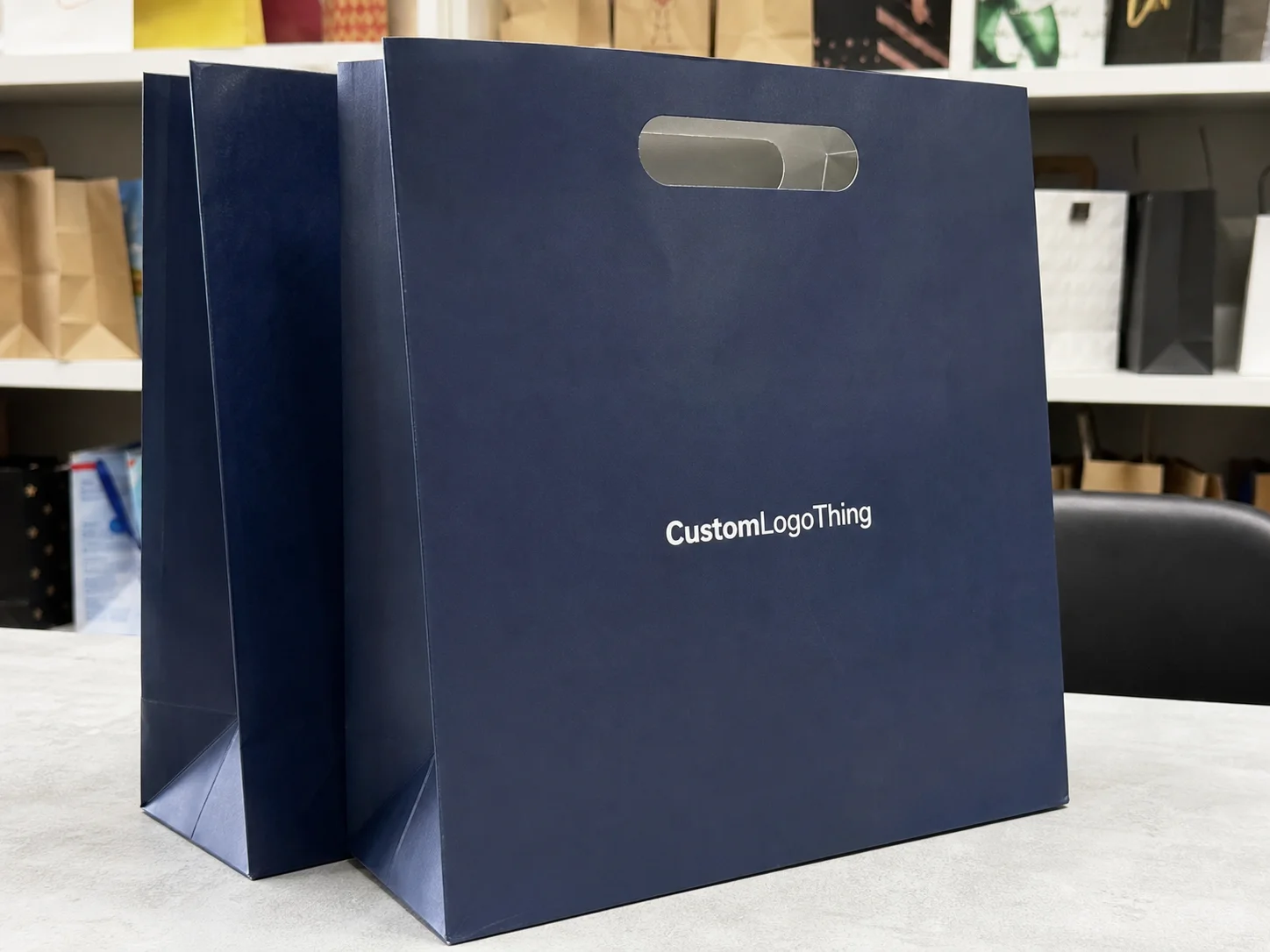
A gift shop bag is packaging, but it is also part of the customer experience. If it wrinkles badly, stretches at the handle, or prints in a dull way, the item inside feels less valuable. Retail buyers know this. Customers may not say it out loud, but they absolutely notice when the carrier looks flimsy.
In practical terms, a well-made die cut handle bag can reduce extra wrapping, tissue stuffing, or last-minute rescue work at the register. That matters during holiday traffic, when staff are moving fast and every extra step slows the line. A bag that performs well is not just a branding choice. It is a labor choice.
The right bag also depends on how the shop sells. A clean white opaque bag with a simple logo can feel more expensive than a loud print on thin film. Clear film works if visibility is part of the design. Tinted film can add character without making the bag look like promotional clutter. The wrong choice usually shows up as either overdesigned packaging or a carrier that feels too plain for the store’s price tier.
A bag that tears, stretches too much, or looks generic can undo the premium feel of a carefully chosen gift. Buyers often discover that only after the first busy weekend, which is a very expensive lesson.
Consistency matters too. A reorder should look and feel like the last order. Staff pack faster when the size and handle placement stay the same, and customers get a more predictable experience. That is one reason Die Cut Handle Bags for gift shops moq planning should start with the actual merchandise mix, not a generic size sheet pulled from a drawer and hoped into relevance.
For packaging behavior and shipping performance, references from ISTA and packaging.org can help frame the conversation. They will not choose the bag for you, but they do help buyers ask better questions about transit strength, handling, and structure.
Bag Construction and Print Choices That Fit Retail Display
Die Cut Handle Bags use a punched handle opening rather than looped or twisted handles. That keeps the profile clean and stackable, which is useful at checkout and in back-of-house storage. For gift shops, the shape matters because the bag should frame the merchandise, not fight it.
The most common material options are LDPE and HDPE film. LDPE usually feels softer and more flexible. HDPE is lighter and crisp, with a slightly different hand feel and finish. Clear, tinted, and opaque versions all have their place. Clear bags work when product visibility is a selling point. Opaque bags usually print more cleanly and read as more finished. Tinted film can add a bit of personality without turning the bag into a mini billboard.
Finish changes perception more than many buyers expect. Gloss tends to feel brighter and more retail-forward. Matte or soft-touch styles, where available, feel quieter and more upscale. Neither is automatically better. The right choice depends on the merchandise and the store’s brand tone. A bright souvenir shop and a minimal boutique do not want the same bag. That should not be a controversial idea, and yet here we are.
Print decisions affect both appearance and price. A one-color logo on a white bag usually keeps setup charges lower and helps the budget. Multiple PMS colors, large coverage areas, or seasonal artwork will raise the unit cost, but they may still be worth it if the bag plays a real role in the brand experience. The best print is usually the one that stays readable, holds up in handling, and does not overcomplicate the order.
Handle reinforcement deserves more attention than it gets. A reinforced die cut area, thicker film around the handle, or patch reinforcement can make the bag feel much more dependable. Side gussets also matter because they help the bag hold boxed candles, journals, and bundled purchases without stressing the seams. If the bag bows, digs in, or looks overstretched when loaded, customers notice immediately.
For seasonal brands, a common approach is to keep the base structure the same and change only the artwork or message. That keeps the look consistent and makes reorders faster because the core specification stays stable. It also keeps the number of decisions under control, which is always underrated in retail operations.
If sustainability messaging matters, check local recycling rules before choosing a film style. The EPA recycling resources are a reasonable starting point, but film recyclability still depends on local collection rules and the actual resin used. A bag that looks recyclable and a bag that is accepted in local streams are not always the same thing. Convenient, right?
Sizes, Thickness, and Load Specs That Match Merchandise
Gift shops usually do better with bags sized to the common purchase bundle rather than the biggest item in the store. A mug, a candle, and a card need a different fit than one scarf or a pair of ornaments. Right-sizing keeps the purchase looking intentional and avoids paying for extra film that never does any useful work.
As a practical guide, lighter gift loads often work in the 2.5 to 3 mil range. Everyday retail use usually feels better around 3.5 to 4 mil. If the store sells heavier boxed goods or mixed purchases, 5 to 6 mil gives more confidence at the handle and seam. Thicker is not automatically better. It only makes sense if the added material matches the actual load and the store’s handling pattern.
Width, gusset depth, and handle placement all affect performance. A bag that is too narrow can crush packaging corners. A bag that is too tall may shift weight awkwardly and make the handles feel strained. The right gusset helps the bag sit upright at checkout and keeps the contents tidy inside the carrier. That small detail matters more than it sounds, especially for premium presentation.
A practical sizing framework looks like this:
- Small gift items: ornaments, jewelry boxes, stationery, and gift cards with add-ons.
- Medium gift items: candles, mugs, books, scarves, and boxed accessories.
- Larger mixed purchases: two or more medium items, or one item plus tissue, wrap, and inserts.
The most common sizing mistakes are predictable. Oversizing raises material cost and makes a small sale look underdressed. Undersizing creates handle stress, crushed corners, and awkward packing at the counter. A buyer who knows the store’s basket size can usually avoid both problems and keep unit cost under control at the same time.
For shops with seasonal shifts, it often makes sense to standardize one everyday size and one holiday size. That gives flexibility without multiplying SKUs. It also keeps MOQ planning cleaner because the buying team can forecast usage by season instead of pretending one number will cover every merchandise mix for the entire year. It won’t.
Pricing, MOQ, and Unit Cost Planning
Bag pricing is driven by more variables than buyers usually want to count. Size, film gauge, print coverage, handle reinforcement, finish, and total quantity all affect the quote. Change one of them and the cost per piece can move enough to matter across a full season.
For standard Custom Die Cut handle bags, realistic pricing often lands in these directional ranges:
| Order Tier | Typical Unit Cost Range | What Usually Changes |
|---|---|---|
| 3,000 to 5,000 pieces | $0.14 to $0.28 | Higher setup burden, smaller economies of scale, more sensitivity to print colors and size |
| 10,000 to 20,000 pieces | $0.09 to $0.18 | Better bulk pricing, lower unit cost, easier to absorb setup charges across the run |
| 25,000 pieces and above | $0.07 to $0.14 | Best price efficiency, but storage, forecast accuracy, and reorder rhythm matter more |
These numbers are directional, not universal. A simple white bag with one-color print may sit near the lower end. A larger bag with multiple inks, custom tint, or heavier film can move higher quickly. Buyers should compare quote tiers honestly instead of chasing the cheapest line item and ignoring freight, storage, or the cost of running out in the middle of a sales season.
MOQ planning should follow sell-through, not optimism. If a gift shop uses 800 bags a month in normal traffic and 1,600 during holiday peaks, the order should cover a realistic window plus a buffer. Too little inventory creates expensive rush reorders. Too much inventory locks up cash and storage space in something that does not turn fast enough.
Ask for multiple quote levels whenever possible. Moving from 5,000 to 10,000 units can lower the unit price enough to offset part of the extra inventory. On the other hand, if storage is tight or artwork changes often, the lower MOQ may be the better decision even if the unit price is a bit higher. That tradeoff is the actual job. The quote is just the starting point.
Also ask about plate charges, tooling fees, and setup charges separately. Some suppliers package them together. Others list them line by line. Both are normal, but buyers need to know what is one-time and what repeats. If the size or print layout changes later, another setup round can erase the savings from a lower unit price faster than people expect.
Production Process and Timeline: Artwork to Shipment
A clean production run usually follows a simple sequence: artwork review, proof approval, material confirmation, press setup, printing, finishing, packing, and shipment scheduling. If those steps stay in order, the job usually moves smoothly. If one of them slips, the schedule can slide quickly, especially during holiday retail windows when everyone wants the same thing at the same time.
The most common delay is artwork, not the factory floor. Files that need logo cleanup, missing bleed, low resolution, or color correction can add days before the press even starts. Clean vector files, clear size notes, and a correct print area usually get a better proof faster. That is not a sales line. It is just how the workflow behaves.
Typical lead times for Custom Retail Bags often land in the 12 to 20 business day range after proof approval, depending on size, print complexity, and the current production queue. More complex jobs, peak season demand, or special finishing can push that longer. Rush work is sometimes possible, but it usually costs more because proofing, production, and packing are compressed into a tighter window.
For holiday or event-driven retail, approve artwork earlier than feels necessary. Once the calendar fills up, a two-day proof delay can become a week of missed sales if the bags arrive after the window closes. Good die cut handle Bags for Gift Shops moq planning depends on lead-time discipline as much as it depends on price.
When comparing suppliers, ask how they handle color matching, whether they approve a pre-production proof, and how they pack cases for transit. Those details affect whether the bags arrive usable and consistent. If the order is going to multiple locations, transit standards such as ISTA can help frame the conversation around damage risk instead of only print quality.
One more practical point: if the order is for a seasonal launch, do not change size, color count, and artwork all at once unless there is no other option. Every variable adds friction. Keeping the spec tighter usually makes the order faster, cleaner, and less likely to produce surprises that show up only after the ship date.
Why Custom Logo Things Fits Reorders and Seasonal Demand
Gift shops need suppliers who understand repeatability. The first order matters, but the second and third orders matter more because that is where the operation either stays organized or turns into a pile of handwritten notes and last-minute emails. A bag program works best when the supplier keeps the spec consistent, the quote readable, and the reorder process free of guesswork.
Custom Logo Things is a good fit when the buyer wants straightforward production guidance instead of polished fluff. That means helping the store choose a bag style that actually matches the merchandise load, identifying quantity breaks that improve bulk pricing without overbuying, and keeping the quote structure clear enough to compare options without decoding every line.
Consistency is a bigger issue than many buyers expect. If the width shifts slightly or the handle placement changes, the customer experience changes too. Staff notice it at checkout. Shoppers notice it when the bag does not sit flat in the car or on a counter. A repeat order should not feel like a new experiment.
For stores that handle both everyday retail and heavier seasonal traffic, a stable bag structure can support both. The print can change. The core specification usually should not. That keeps the visual identity intact and reduces the number of decisions the team has to make each time stock is replenished.
If you are comparing vendors, ask which details stay fixed across repeat runs and which ones trigger new setup charges. That question separates a supplier that thinks like a packaging partner from one that is just quoting a shipment. For buyers managing multiple stores or seasonal campaigns, that difference affects both cost and workflow.
There is also value in practical communication. A supplier should be able to tell you whether a size will feel too loose for small items, whether reinforcement is worth the added cost, and whether a lower MOQ is likely to push unit price above the margin you can accept. Those are not extras. They are part of getting an accurate quote.
What to Send for a Fast, Accurate Quote
The fastest quotes come from complete inputs. If you want a clean estimate for die cut handle bags for gift shops moq planning, send the finished bag size, quantity tiers, material preference, print colors, finish, and target delivery date. Without those details, most quotes are placeholders. Placeholders are where delays start.
It also helps to explain the use case. Tell the supplier whether the bag will carry boxed candles, mugs, ornaments, apparel, stationery, or mixed gifts. That context often changes the recommended thickness or gusset depth. A bag that looks fine on paper can feel wrong in hand if the merchandise profile is ignored.
Artwork files should be as clean as possible. Editable vector artwork is best. If that is not available, send the highest-resolution logo files you have, along with brand color references or PMS numbers. If the order is seasonal, note whether the artwork will be reused or replaced on the next run. That affects how the proofing and plate setup are handled.
A useful quote request usually includes the following:
- Finished bag width, gusset, and height
- Estimated annual or seasonal usage
- Target quantity by tier
- Material and thickness preference
- Print colors and imprint area
- Finish preference, such as gloss or matte
- Delivery window and ship-to location
If your team wants a quick internal checklist before sending the request, the notes on our FAQ page can help you gather the right details without reworking the same email three times. That usually saves time and makes the first quote more usable.
For gift shops, the best bag decisions are the ones that match how the store actually sells. Order enough to cover the season, choose a structure that suits the merchandise mix, and ask for pricing tiers that reflect reality instead of wishful volume. That is how die cut handle bags for gift shops moq planning stays practical, protects margin, and keeps the checkout experience polished from the first order through the reorder cycle.
What is the typical MOQ for die cut handle bags for gift shops?
MOQ depends on bag size, print complexity, and film specification, so there is no single universal number. For standard custom runs, many buyers see practical minimums in the 3,000 to 10,000 piece range, with lower or higher thresholds depending on the factory and artwork. If the shop needs several sizes, ask for pricing by SKU so you can compare one larger run against multiple smaller runs.
How do I choose the right size for gift shop merchandise?
Start with the largest item the bag is expected to carry, then add enough room for tissue, handles, and a comfortable fit. If the bag will be used for mixed purchases, choose a size that handles the most common bundle without making smaller sales look underfilled. That balance usually gives the best presentation and avoids wasted material.
Can I lower unit cost without ordering too many bags?
Yes, but the main levers are quantity, print color count, and material choice. Ask for several quote breaks before deciding. A slightly larger order can reduce unit cost enough to offset storage if the reorder pattern is predictable, but the math only works when the store truly uses the extra inventory.
What affects the production timeline most?
Artwork readiness is usually the biggest variable, followed by proof approval speed and whether the order needs special print or finishing changes. Peak seasonal demand can also extend scheduling, so confirm lead time before committing to a store event or holiday launch. Clean files save time, and changing the spec late in the process usually adds more time than buyers expect.
What files do you need for a quote on custom printed handle bags?
Send editable artwork if available, plus logo files, color references, size notes, and the print area you want to use. Include the delivery date and quantity target as well, because those two details often change the best production plan and price tier. If you can add a short note about the merchandise the bags will carry, the recommendation is usually more accurate.


