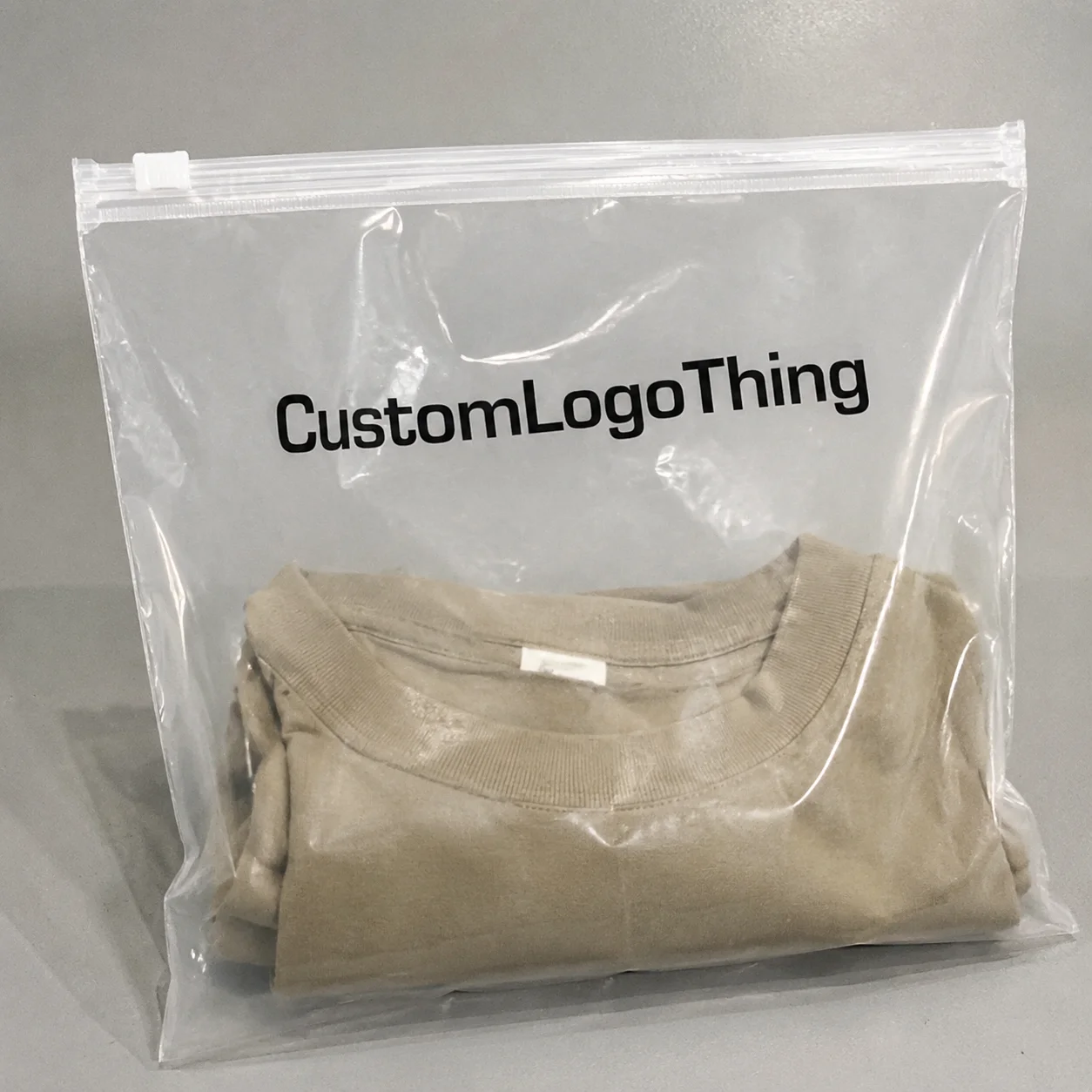
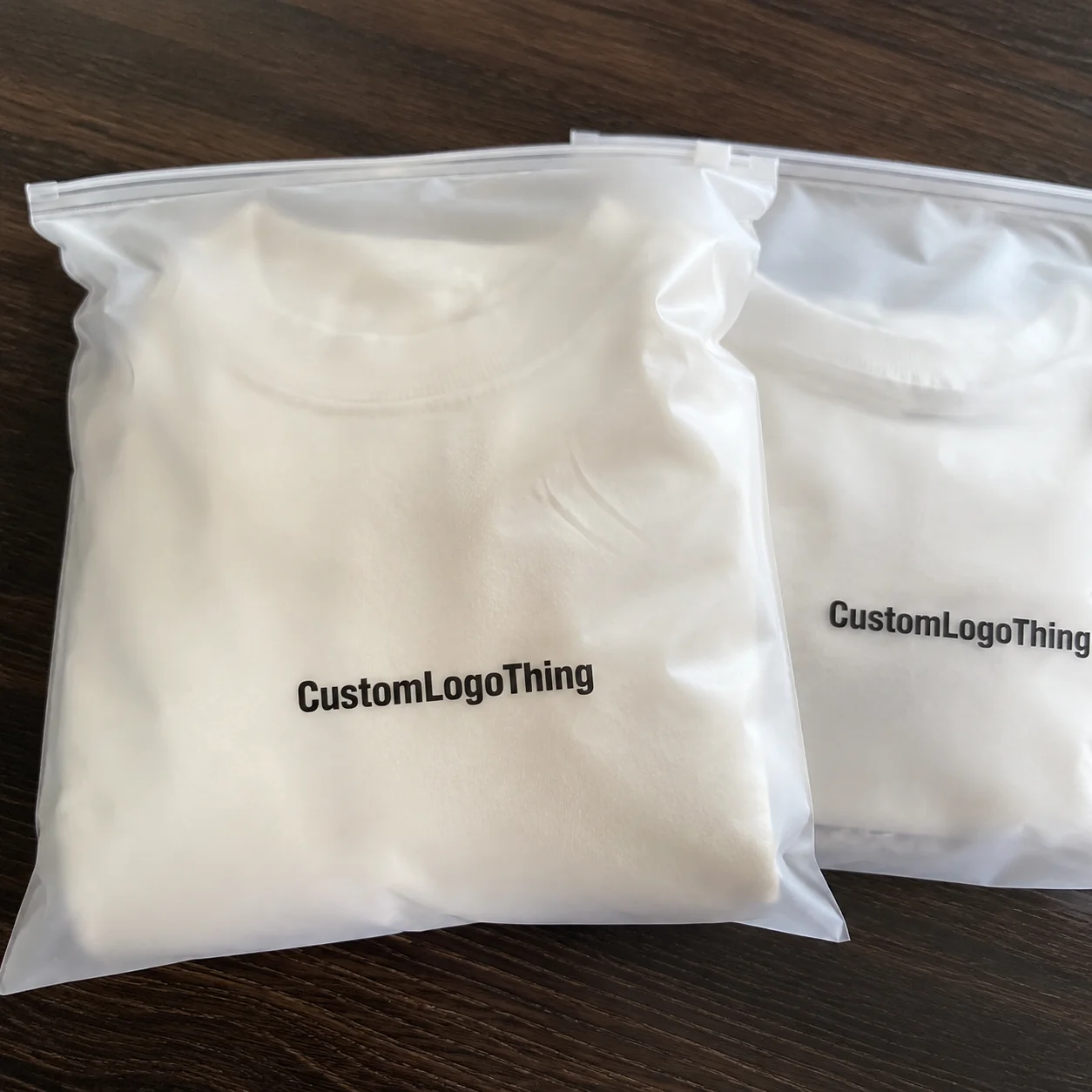
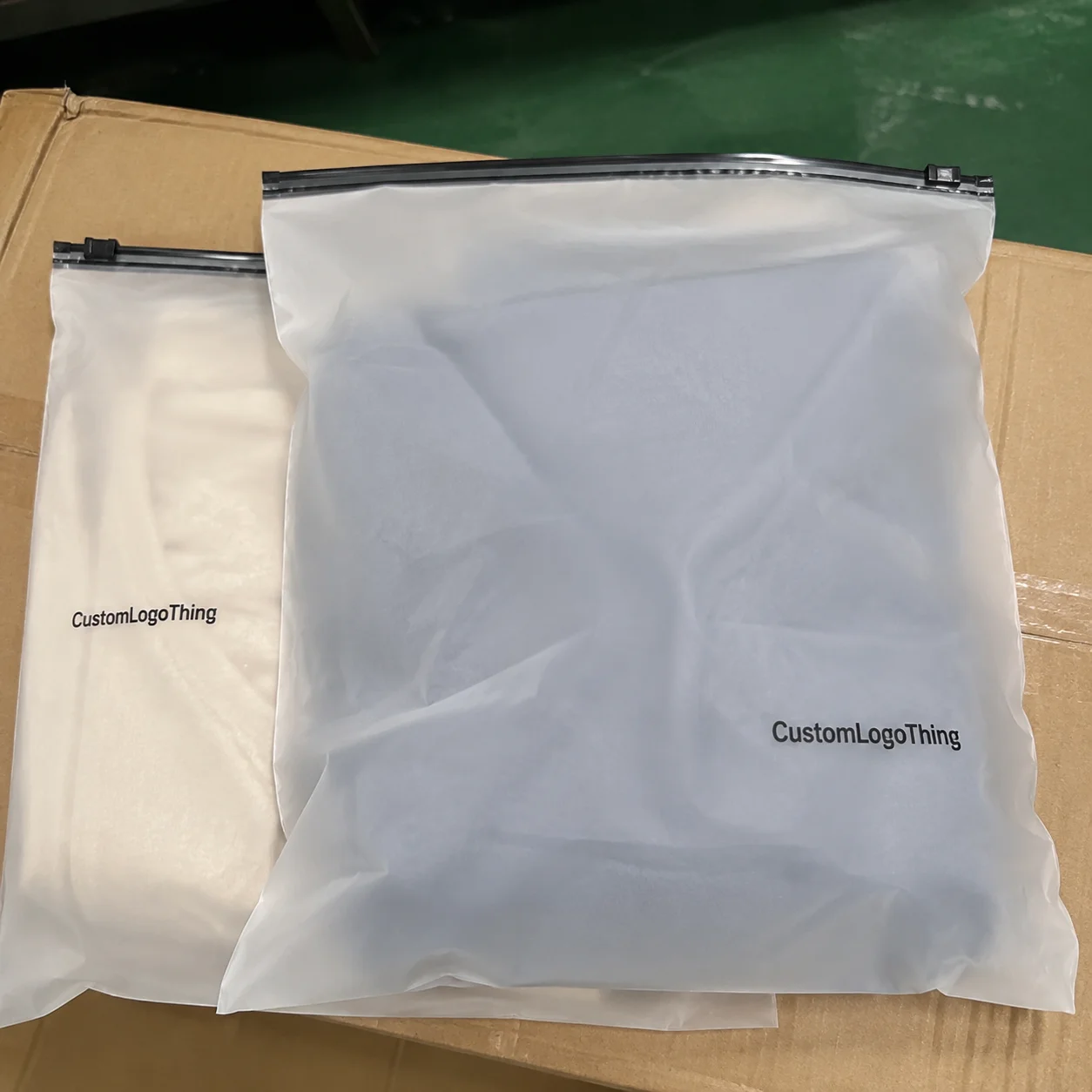
For wellness brands, packaging is never just packaging. A shopper sees the bag first, and that first look does a lot of work. It sets expectations for the product inside, the price point, and whether the brand feels polished or rushed. That is why Die Cut Handle Bags for wellness brands moq planning matters before anyone signs off on artwork or starts bragging about “premium presentation.”
The bag has to do three jobs at once: protect the product, look good on shelf, and fit the order volume without wrecking cash flow. That sounds simple until a buyer has to balance materials, print method, handle strength, lead time, and inventory risk in the same spreadsheet. Fun times.
For supplements, tea, skincare, candles, and event kits, the right bag can make the whole line feel intentional. The wrong spec can make even a solid product look underbaked. That gap is usually smaller than people think, which is exactly why packaging decisions deserve more than a five-minute approval in a group chat.
Why wellness brands choose die cut handle bags for retail-ready packaging
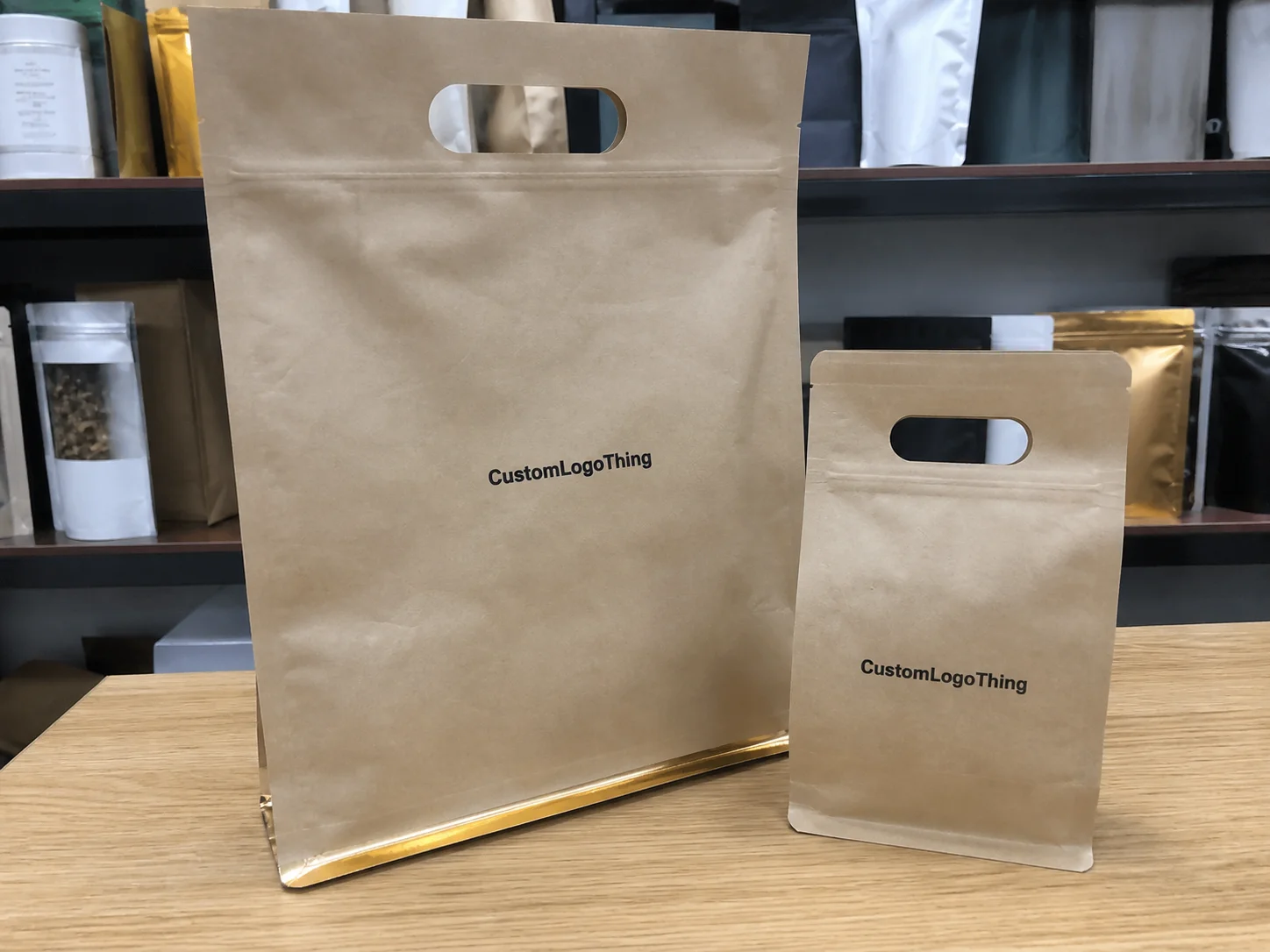
Wellness shoppers are unusually sensitive to presentation. Clean print, straight handles, and a smooth finish often read as product quality before the buyer even touches the contents. Die Cut Handle Bags fit that expectation well because they deliver a tidy retail look, a flat surface for branding, and a built-in carry feature without extra parts or assembly.
That simplicity matters in boutiques and pop-ups. Staff do not want a bag that collapses, sticks awkwardly, or looks like it was chosen because it was cheap. Brands also do not want a package that fights the product. A herbal tea set, a candle bundle, or a skincare kit needs packaging that feels calm and organized, not overdesigned.
Lightweight does not have to mean flimsy. A bag with the right film gauge, proper handle reinforcement, and clean registration can feel premium even without heavy material. In practice, a 2.5 mil bag with a well-cut handle and crisp graphics usually looks more professional than a thicker unbranded option that wrinkles, stretches, or shows sloppy print alignment.
For multi-channel brands, Die Cut Handle Bags also help keep the experience consistent across boutiques, event booths, subscription inserts, and retail handouts. One base structure can support seasonal colorways, campaign changes, or partner requirements without forcing a redesign every time. That consistency matters more than people admit. Customers notice when the bag matches the brand story.
“The bag has to earn its place in the customer’s hand. If it feels flimsy or the print looks off, the product inside starts at a disadvantage.”
This is where Die Cut Handle Bags for wellness brands moq planning becomes a real buying decision rather than a branding exercise. The order quantity affects pricing, storage, and how much risk the brand carries if the campaign changes. Too little inventory drives unit cost up. Too much ties up cash and creates stale stock. There is no magic answer, just better planning.
Buyers often treat the bag like a simple carrier. That is too narrow. It is also a retail display piece, a brand touchpoint, and a production decision that has to hold up across reorders. A reliable supplier can help with structure and print consistency, but the buyer still needs to know what the bag is supposed to do. That part cannot be guessed from a catalog photo.
If you are reviewing real-world examples, it helps to compare Case Studies and request samples before settling on a run size. Mockups are useful. Physical samples are better. Paper optimism has a way of disappearing the first time a jar handle tears through a thin film.
Film, print, and handle details that affect performance
Material choice drives most of the performance difference. LDPE is softer and more flexible, with a smoother hand feel and good clarity for many retail uses. HDPE feels crisper, stands up a bit better, and usually has strong puncture resistance for its weight. Co-extruded blends sit between those two and are often used when a brand wants a balance of toughness, appearance, and cost control.
The handle style matters just as much. A standard die cut handle is clean and efficient, but a reinforced patch handle can make a big difference for heavier jars, boxed sets, or bottle bundles. When the contents have sharp edges, uneven weight distribution, or a higher total load, the handle area takes the stress first. Reinforcement is not a luxury. It is insurance against the cheapest kind of failure: the one customers notice in public.
Print method is the other major variable. Flexographic printing is common because it handles repeat production well and keeps unit cost manageable at volume. For wellness brands, PMS color matching often matters more than people expect. Sage needs to stay sage. Lavender should not wander into beige. Charcoal that prints flat instead of rich can make the whole line look tired.
Finish changes the tone of the packaging. Matte usually reads calmer and more natural, which suits herbal, clean beauty, and supplement brands. Glossy feels brighter and more promotional, which can work for launches, seasonal sets, or value-driven retail. Neither is automatically better. The right finish depends on the shelf environment and the brand voice.
Gusset depth and bag width deserve real attention too. A slim bag may look elegant in artwork, but the product inside decides whether the bag works. Boxed soap sets, bottle kits, and bundled skincare items need enough room so the sides do not pinch or force the handles apart. The same is true for items that need help resisting moisture or light exposure. Herbal products and bath salts often need a bit more care than a standard shopping bag spec gives them.
For technical buyers, the right question is not “What material do you have?” It is “What does this product weigh, how will it be carried, and where is the weak point?” That is the kind of thinking that saves time later.
Industry references like The Packaging School / IoPP packaging resources and ISTA test standards are useful when a brand is checking transport durability or handling expectations, especially for products that travel through more than one channel.
Size, gauge, and artwork specifications buyers should lock in early
Before a quote means anything, the buyer should have five things settled: bag width, bag height, gusset depth, film thickness, and print coverage. Handle size should be included too, especially if the bag is meant to be carried for more than a short walk from counter to car. If even one of those details is fuzzy, pricing can shift later and the production spec may need to be reworked.
Gauge is where feel, durability, and cost meet. A lighter film can reduce price and work fine for sample packs or low-weight inserts, but it also wrinkles more easily and may feel less substantial in the hand. Heavier gauges cost more, yet they are usually the right call for premium wellness bundles, glass containers, and products that will be handled repeatedly. A thin bag that saves a few cents and then disappoints customers is not a bargain. It is just a delayed problem.
Artwork prep affects both the look and the production schedule. Vector logos are the cleanest path for flexographic printing, and safe zones matter because the handle cut and edge seals reduce usable print space faster than many design teams expect. Bleed should be checked early. Small text should be simplified if it sits near the edge or close to the handle opening. Fine lines that look elegant on screen can disappear or distort on film. The press is not sentimental.
- Single-bottle set: usually needs a taller bag with enough width for neck or cap clearance.
- Mini-sample pack: can often use a lighter gauge and smaller footprint if the contents do not shift too much.
- Folded merchandise insert: benefits from a flat profile and a clean print face rather than excessive depth.
- Giftable wellness kit: usually needs extra interior room, stronger handles, and a more premium finish.
When die cut handle Bags for Wellness Brands moq planning is being built properly, the product dimensions come first and the bag spec follows. That order matters. Brands that start with a random catalog size usually end up paying for artwork revisions, prototype changes, or a bag that looks right on paper and wrong in real life.
| Common use case | Typical spec focus | Practical note |
|---|---|---|
| Sample packs | Smaller size, lighter gauge | Good for launch tests and event handouts |
| Retail purchase bags | Medium gauge, reinforced handle area | Supports boutique counter use and repeat carrying |
| Gift bundles | Larger width, stronger film, more print coverage | Useful for premium sets and seasonal promotions |
| Heavy jars or bottles | Higher gauge, wider gusset, stronger structure | Reduces stress at the handle and side seams |
Pricing, MOQ, and unit cost planning for die cut handle bags
Pricing comes down to a handful of predictable inputs: film type, bag size, thickness, number of print colors, special finishes, and quantity. Setup charges and tooling also matter because they are fixed costs that need to be spread across the run. That is why a larger order usually produces a lower price per piece, even when the bag itself is basically the same.
MOQ exists because print setup, plates, material changeover, and press time all have to be justified. A smaller order can still make sense for a pilot launch or a seasonal promotion, but the unit cost will usually be higher. A larger order improves bulk pricing and lowers landed cost, assuming the brand can actually use the inventory before the campaign window closes. Nobody needs a warehouse full of perfectly printed bags for a product that sold out six months ago.
For a rough planning frame, buyers often think in these terms:
| Order profile | Pricing behavior | Best use case |
|---|---|---|
| Small pilot run | Higher unit cost because setup charges are spread over fewer bags | Testing a new product, short retail window, or event use |
| Mid-size replenishment | Moderate unit cost with manageable inventory exposure | Ongoing boutique sales and regional distribution |
| Larger production run | Lower cost per piece and stronger bulk pricing | Established SKUs with steady sell-through |
For wellness brands, the lowest quote is not always the best quote. A thin film that tears, a weak handle cut, or print that cannot hold a PMS color can cost more in brand damage than the upfront savings. I would rather see a buyer pay a little more for a dependable spec than chase the cheapest number and end up reordering early because the bag failed in use.
A practical buying method is to compare at least two quantity breakpoints. For example, a brand might ask for pricing at 5,000 and 10,000 pieces, then compare the unit cost difference against storage space, cash flow, and timing. Sometimes the larger quantity is clearly worth it. Sometimes the savings are not enough to justify the inventory. That is why die cut handle bags for wellness brands moq planning should be tied to real sell-through, not to a spreadsheet that assumes every product moves on schedule.
Public pricing ranges vary too much to be useful as a promise, but Custom Die Cut handle bags often move from a relatively expensive pilot run into a more favorable mid-volume structure once setup costs are spread out. The exact break depends on size, color count, and film specification. A two-color bag in a standard size will usually behave very differently from a large, reinforced, multi-color gift bag. Shocking, I know: packaging costs are not a single number.
If you need a better sense of how packaging specs affect spending, the FAQ pages below answer the usual questions before a quote is requested. For sustainability-minded brands, the EPA’s packaging and waste reduction resources at epa.gov can also help frame material and waste decisions in a broader context.
Process and timeline: from quote approval to delivery
The workflow is straightforward, but delays usually come from missing details. A standard custom bag order moves through request, spec confirmation, artwork submission, proof approval, production, inspection, and shipping. The fastest projects are the ones where the buyer sends complete dimensions, artwork files, and target quantity up front, then answers proof questions quickly.
The usual trouble spots are predictable. A logo may only exist as a low-resolution JPEG. The bag size may change after the quote is approved. Or the brand decides late that it wants a different finish, which means the quote gets revised and the schedule moves. None of that is exotic. It just takes time.
Production lead time depends on order size, print complexity, color matching, and freight method. A simple one- or two-color order usually moves faster than a multi-color print with close PMS matching and premium finish requirements. After proof approval, many custom runs take roughly 12 to 15 business days to produce, though that can shift with workload and spec complexity. Shipping time then becomes the final variable, especially if the bags are moving by ocean freight rather than domestic transport.
Pre-production samples or proof bags can be useful when the contents are sensitive or the branding is especially important. A brand selling glass skincare bottles may want to confirm handle comfort, interior fit, and print visibility before releasing the full order. That extra step costs time, but it can prevent a bigger problem later. A delayed launch is annoying. Replacing damaged product because the bag failed is worse.
If your team is pushing a launch date, speed comes from discipline rather than shortcuts: one final artwork file, one approved spec, one decision on quantity, and one clear in-hand date. That keeps the process efficient and helps the factory focus on the parts that actually affect quality.
How a packaging manufacturer supports compliance, consistency, and scale
A good packaging manufacturer does more than quote a price. It translates a brand idea into something repeatable, measurable, and suitable for production. That matters for wellness companies that sell through boutiques, DTC channels, subscription programs, and retail partners who expect identical bags every time a shipment arrives.
Consistency starts with print registration, handle cut accuracy, seal integrity, and dimensional control. If the first run is approved and the second drifts, the brand loses visual continuity and may have to explain the difference to retail buyers. Reorders are much simpler when the spec is stable and the print plates are already approved. Less rework. Less waste. Fewer headaches.
There is also the structural side of the conversation. A manufacturer can advise when a fragrance-heavy product needs a better film, when an oily container might affect handling, or when a heavier kit needs more strength for gifting. Those are practical judgments based on product behavior, not marketing language. Strong packaging advice usually sounds a little boring. That is a good sign.
For brands planning growth, predictability is the big advantage. If the same approved dimensions, print references, and plate set are used for future runs, rework drops and brand color stays consistent. That is especially useful when the bag is part of a larger kit or a seasonal campaign that must match labels, cartons, and inserts.
Some buyers ask whether packaging has to meet formal testing standards. The answer depends on how the bag is used. If bags are being shipped as part of a larger e-commerce order, it may make sense to think about transit abuse testing and handling expectations. If the bags are strictly for retail carry-out, the focus is usually durability, appearance, and fit. Packaging decisions should match the actual use case, not a one-size-fits-all assumption. For broader packaging performance context, packaging.org is a useful reference.
That is why a strong supplier relationship is built on facts: clear quotes, honest MOQ guidance, proof accuracy, and production that matches the approved sample. No drama. Just repeatable results.
Next steps to order the right custom bag for your wellness line
Before requesting a quote, gather three essentials: product dimensions and weight, the bag style and size you prefer, and finished artwork files in a usable format. If you have a bottle, jar, box, or kit, give the manufacturer the actual finished dimensions rather than the marketing dimensions from a product page. That one detail can change the bag spec more than most teams expect.
Then decide what the order is really for. A launch test, an ongoing replenishment program, and a seasonal promo all call for different MOQ thinking. A test run may justify a smaller quantity even if the unit cost is higher. A replenishment order may benefit from a larger run and lower cost per piece. Seasonal packaging usually sits somewhere in the middle, where timing matters as much as price.
- Confirm product dimensions, total weight, and any fragile components.
- Choose the intended use: retail sale, event giveaway, insert, or gift pack.
- Request at least two quantity options so you can compare unit cost and inventory risk.
- Share artwork early, including logo files and any PMS color targets.
- Confirm shipping destination and the date the bags need to be in hand.
That approach makes die cut handle bags for wellness brands moq planning much easier to control, because the quote reflects the real spec instead of a rough guess. It also gives the packaging team a cleaner way to compare price, quality, and timing without revisiting the same variables three times.
If you are pricing a custom run, the most useful next step is a clear spec sheet and a realistic quantity range. Custom Logo Things can help translate your wellness line into a die cut handle bag that matches the product, the budget, and the timeline without turning the order into a science project.
What is a realistic MOQ for die cut handle bags for wellness brands?
MOQ depends on size, print colors, and film type, but custom runs usually start at a quantity that covers setup and plate costs efficiently. Smaller pilot orders are possible, though the unit cost is typically higher than a larger replenishment run. The best MOQ is the smallest quantity that still gives stable pricing and enough inventory for your launch or reorder cycle.
How do I choose the right gauge for custom wellness shopping bags?
Match the gauge to product weight, handle stress, and whether the bag will be hand-carried, shipped, or both. Heavier jars, bottles, and bundled kits usually need a stronger film and reinforced handle area. A thinner film may work for lightweight inserts or sample packs, but it can feel less premium and show wear sooner.
Can die cut handle bags be printed with a premium look for skincare or supplements?
Yes. Crisp flexographic printing and accurate PMS color matching can deliver a clean, retail-ready presentation. Simple artwork often prints best on film, especially when the brand wants sharp logos and readable product messaging. Matte or glossy finishes can further shape the premium feel depending on the material and use case.
How long does production usually take after artwork approval?
Lead time depends on order size, print complexity, and current factory schedule, but production begins only after proof approval. Many custom runs take roughly 12 to 15 business days after approval, though freight timing can extend the total timeline. Complete specs and fast proof feedback are the easiest ways to keep the schedule moving.
What should I prepare before requesting a quote for custom die cut handle bags?
Have your bag dimensions, estimated product weight, print artwork, target quantity, and delivery location ready. If you are comparing quantities, ask for pricing at multiple breakpoints so you can evaluate unit cost and inventory needs together. A clear use case, such as retail packaging, event giveaways, or subscription inserts, helps the quote reflect the right materials.