Buyer Fit Snapshot
| Best fit | Die Cut Window Boxes Wholesale projects where brand print, material claims, artwork control, MOQ, and repeat-order consistency need to be specified before quoting. |
|---|---|
| Quote inputs | Share finished size, material target, print colors, finish, packing count, annual reorder estimate, ship-to region, and any compliance wording. |
| Proofing check | Approve dieline scale, logo placement, barcode or warning zones, color tolerance, closure strength, and carton packing before bulk production. |
| Main risk | Vague material claims, crowded artwork, missing packing details, or unclear freight terms can make a low unit price expensive after revisions. |
Fast answer: Die Cut Window Boxes Wholesale: Specs, Pricing, Process should be specified like a repeatable production item. The safest quote records material, print method, finish, artwork proof, packing count, and reorder notes in one written spec.
Production checks before approval
Compare the actual filled-product size with the drawing, then confirm tolerance on folds, seals, hang holes, label areas, and retail display edges. Reserve space for logos, QR codes, warning copy, and material claims before decorative graphics fill the panel.
Quote comparison points
Review material grade, print process, finish, sampling route, tooling charges, carton quantity, and freight assumptions side by side. A quote is only useful when the supplier can repeat the same color, closure quality, and packing count on the next order.
Die Cut Window Boxes Wholesale: Specs, Pricing, Process
Die cut Window Boxes Wholesale do something plain cartons cannot. They let the product speak before the shopper has time to overthink it. That matters on a crowded shelf, in a busy inbox, and in every channel where a buyer is skimming faster than your copy can keep up.
Packaging is not decoration with a shipping label attached. It has to sell, protect, and arrive intact without turning into a budget leak. If the product is strong but hidden, the carton is underperforming. If the box reveals the right amount of product while still holding up in transit, it starts doing real work.
For retail launches, subscription kits, seasonal assortments, and gift-ready bundles, a window box can raise shelf impact without forcing a full display build. The challenge is simple to describe and annoyingly specific to execute: make the product visible, keep the structure efficient, and request quotes with enough detail that Pricing and Lead Time stop being guesswork.
Why die cut window boxes wholesale win in the first 3 seconds
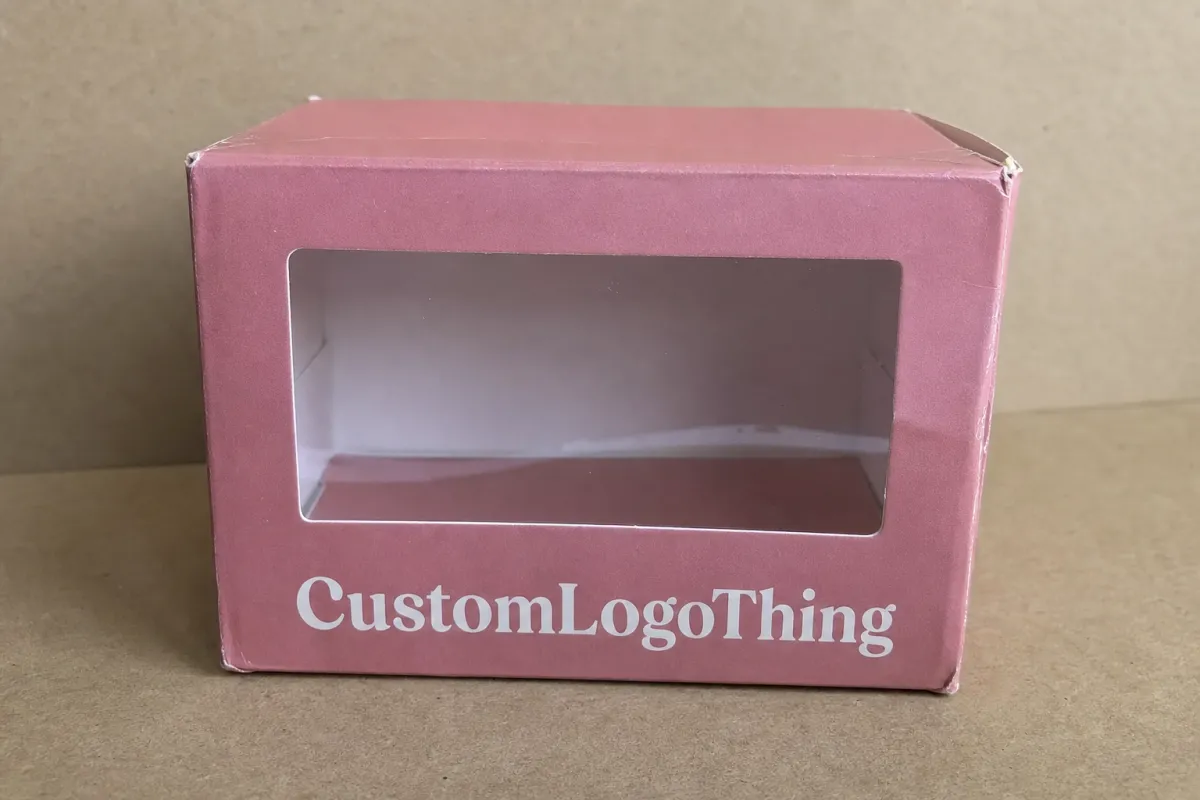
Shoppers do not inspect packaging like they are reviewing a spec sheet. They scan. Fast. On shelf, that scan may last only a few seconds, which means the front panel has to carry a lot of weight. A window eases that burden because the product itself becomes part of the presentation.
That is the practical edge of die cut window boxes wholesale. A premium candle in a closed carton depends on typography, finish, and blind faith. Put that same candle in a window box and the shopper can see wax color, vessel shape, label detail, and the overall polish before touching anything. Bakery items, supplement bottles, toy sets, and hair accessories get the same advantage. People trust what they can actually see.
These boxes tend to work best where visible proof improves perceived value:
- Cosmetics and personal care - jars, tubes, and gift sets are easier to judge at a glance.
- Bakery and food items - freshness cues matter for cookies, pastries, and confectionery.
- Candles and home fragrance - vessel color and surface finish often influence the sale.
- Apparel accessories - socks, ties, belts, and small textile goods benefit from a clean reveal.
- Supplements and wellness products - a neat, controlled view can help build trust faster.
- Toys and gift sets - the contents can sell the box faster than a render ever will.
From a buyer's point of view, the logic is pretty blunt. A window reduces hesitation, and less hesitation usually improves sell-through. That does not mean every SKU should be exposed. It means the package should match the shelf environment and the product inside. A controlled reveal can support a premium price better than a fully closed carton, especially when the product already has strong visual appeal.
There is also a production upside. A window box can reduce the need for extra display material, trim front-panel copy, and cut down on the number of separate assets a retail buyer has to juggle. The brand story stays clear without getting bloated. Which, frankly, is refreshing.
Packaging reality: a clear window does not fix poor fit, weak board selection, or messy artwork hierarchy. It just makes the flaws easier to spot.
Die cut window box styles, materials, and structural options
There is no single structure that works for every SKU. Product weight, shipping route, retail placement, and how much protection the item actually needs all affect the right choice.
Core box styles
Most buyers start with one of a few common formats. Straight tuck end boxes suit lightweight retail items because they fold cleanly and print well. Reverse tuck end boxes can fit products that need a different locking orientation. Auto-lock bottom styles make sense when the product is heavier or packing speed matters on the line. Sleeve-style constructions work well when the reveal itself is part of the brand story, since the tray or inner carton stays partly visible.
Display-focused structures deserve a look too. A window can be paired with a hang tab, a shelf-ready base, or an insert that keeps the product in a consistent position. That matters because a product sitting crooked inside a window box looks sloppy fast. If the item shifts or tilts during transit, the visible face loses its impact before it ever hits the shelf.
Material selection by use case
SBS paperboard is often chosen for crisp print, sharp imagery, and a polished retail look. It works well for cosmetics, confections, and premium gift packaging where color accuracy matters. Kraft board creates a natural look and suits brands that want a restrained, earthy presentation. It also fits recycled or sustainability-led positioning without pretending to be something it is not.
Corrugated board is the practical pick for heavier products or packaging that has to survive rougher distribution channels. It adds stiffness and cushioning, though the print finish is usually less refined than a premium folding carton. Specialty boards, including textured or coated stocks, help signal higher value, but they need to match the die cut pattern and folding requirements carefully.
Material choice changes more than appearance. It affects scoring, compression resistance, print behavior, and how much abuse the finished box can take during packing. Thin board can look elegant and still collapse under a heavier product. Thick board can protect better and make the carton harder to fold at scale. That tradeoff should be settled before artwork gets locked.
Window variations and internal support
Window shapes range from simple rectangles and ovals to custom contours that echo the brand or the product profile. A full-panel window gives the biggest reveal, but it also reduces the surface available for print and can weaken the front panel if it is not engineered properly. A partial reveal keeps more structure in place and works better when the product only needs to be seen from one angle.
Corner-cut windows and asymmetrical reveal shapes can add energy to the design, but the die line has to be precise. If the opening sits too close to a score line or fold, the board can crack or deform. That is why window packaging should start with product dimensions, not artwork ideas scribbled on a whiteboard.
Inside the box, inserts do the quiet work. A paperboard insert is light and economical. A molded pulp insert gives a stronger sustainability story and handles movement well. Foam still shows up in some premium or protective applications, though it is not always the first choice for brands with recycling targets. Custom die-cut inserts are the most controlled option when the product has multiple components, such as a kit, set, or bundle.
For brands comparing packaging options, the decision usually comes down to three questions:
- How visible does the product need to be?
- How much movement can the box tolerate during shipping and retail handling?
- How important is the first tactile impression compared with cost and speed?
Answer those honestly, and the structure gets much easier to narrow down.
Key specifications for print, die cuts, and window film
Most quote problems start with missing specs. A buyer may know the product name and quantity, but if the box dimensions, board thickness, or film preference are vague, every estimate turns into a guess. That slows procurement and creates revisions nobody wanted.
What to send before requesting a quote
A clean quote for die cut window boxes wholesale is much easier to produce when the buyer shares the following:
- Exact product dimensions - length, width, height, and any unusual protrusions or closures.
- Product weight - a filled box can behave very differently from an empty mockup.
- Board preference - SBS, kraft, corrugated, or another stock.
- Artwork format - editable file, linked assets, and whether the design is print-ready.
- Finish requirements - matte, gloss, soft-touch, foil, embossing, spot UV, or varnish.
- Window shape and size - including whether the film must be full-width or partial reveal.
- Insert need - none, paperboard, molded pulp, foam, or custom die-cut support.
- Target quantity - because quantity changes the print and tooling economics immediately.
Dieline accuracy matters more than most people expect. A measurement error of only a few millimeters can change how the product sits inside the carton, where the window lands on the front panel, and whether the folds close cleanly. A good dieline should account for board thickness, scores, glue flaps, insert clearance, and the actual tolerances of the product itself. That is why sample confirmation matters even for experienced buyers.
Window film choices and sustainability tradeoffs
Clear PET film is widely used because it gives strong visibility and a clean, stable appearance. PVC film still shows up in some applications, though many brands avoid it where possible because of recycling concerns. Recycled-content film can support a sustainability message, but the exact recycled percentage and clarity should be checked against the display needs. Film-free alternatives are possible for select packaging programs, especially where the opening is paired with a tray or where the product does not need a barrier.
There is a real tradeoff here. A larger window improves visibility, but it can weaken the front panel and expose the product to more dust or handling. A smaller window protects more of the carton, but gives less visual proof. The right choice depends on shelf life, distribution route, and how much the retailer expects the package to do on its own.
For brands with sustainability targets, ask for board sourcing details and recycling options upfront. FSC certified paperboard often comes up in that conversation, and it helps procurement teams align packaging choices with sourcing goals. On the transit side, testing against recognized distribution methods matters too; ISTA standards are often used to check how packaging behaves under shipping stress.
Finishes that change perception and cost
Surface finish changes both price and consumer perception. Matte softens the look and works well for understated premium branding. Gloss makes color pop and can sharpen illustrations. Soft-touch adds a tactile feel, though it usually raises cost and does not fit every product line. Foil stamping, embossing, and spot UV can highlight the logo, product name, or one design element instead of covering the carton in effects.
The key is restraint. A window box already has a focal point. Piling on too many finishes can make the package feel crowded. A better result often comes from choosing one premium effect and letting the rest of the design stay disciplined.
For food, cosmetics, and wellness products, the finish should also fit the handling environment. A high-gloss surface can look excellent under showroom lighting and still show scuffs sooner than expected in warehouse-to-store distribution. That kind of tradeoff is normal. Pretending otherwise helps no one.
Die cut window boxes wholesale pricing, MOQ, and quote factors
Pricing is where packaging conversations either become useful or wander off into fog. Buyers Need to Know what drives cost, how minimums work, and which details push a project into a different price tier. There is no single price for a custom window box, but the patterns are predictable.
The biggest cost drivers are board grade, print coverage, window size, finish complexity, insert design, and order volume. A simple one-color kraft box with a small window and no insert can price very differently from a full-color SBS carton with foil, soft-touch, and a custom molded pulp tray.
| Order tier | Typical MOQ | Unit price range | Best fit | Notes |
|---|---|---|---|---|
| Prototype or sample run | 1 to 50 units | $75 to $250 per style | Fit checks, pitch samples, line testing | Setup and manual finishing matter more than volume here |
| Short run | 500 to 1,000 units | $0.65 to $1.40 each | Launches, seasonal tests, local retail programs | Good for speed, but per-unit cost stays relatively high |
| Mid-volume production | 2,500 to 5,000 units | $0.28 to $0.85 each | Core SKUs with steady demand | Often the best balance of cost and flexibility |
| Volume production | 10,000+ units | $0.18 to $0.55 each | National retail, replenishment, multi-channel distribution | Tooling gets spread across more cartons, so unit cost usually drops |
Those ranges are directional, not fixed. A small window with plain print sits near the lower end. A large custom contour window, heavy board, or premium finish moves the number up quickly. Inserts matter too. A simple paperboard insert adds far less than a multi-part custom tray built to hold several components in place.
MOQ expectations depend on structure and print method. Short-run programs are often possible for launches, but they cost more per unit. Larger runs are usually more efficient because setup, die cutting, and press preparation are spread across more cartons. If a brand is still testing demand, a smaller initial run can be the safer choice. If the SKU already has stable reorder history, volume production usually makes better financial sense.
Quotes get cleaner when the buyer sends a full brief the first time. The best request includes product dimensions, total quantity, artwork, ship date target, window preference, and any compliance or sustainability requirement. If the carton must support a food item, fragrance, or regulated product, say that early. The quote should reflect the real build, not a convenient assumption.
A practical comparison helps procurement teams make decisions without pretending everything matters equally:
- Lowest upfront spend - fewer finishes, smaller window, basic insert, simpler board.
- Best shelf presence - fuller print coverage, stronger finish, larger reveal, cleaner alignment.
- Best shipping security - thicker stock, tighter insert, and a structure that resists crush.
Those three goals are related, but they are not the same thing. A package that looks excellent on the shelf may cost more to ship. A box that assembles fast may not feel as premium. Buyers usually get the best result when they rank priorities before requesting price, not after the quote lands.
Process and timeline: from dieline to delivery
Packaging projects move faster when the process is clear from the start. For custom cartons, the most common delay is not production capacity. It is missing information, late revisions, or a dieline that does not match the actual product.
The production path
A typical project moves through these stages:
- Brief intake - product size, quantity, board, finish, and window details are gathered.
- Dieline confirmation - the structure is checked against the product and the packing method.
- Artwork review - files are checked for bleed, resolution, fonts, and placement.
- Proofing - digital or physical proofs confirm layout and color intent.
- Sampling - fit, fold, and window placement are verified before full run approval.
- Production - printing, cutting, window application, scoring, and gluing are completed.
- Finishing - coating, foil, embossing, or other effects are applied if specified.
- Packing and shipment - cartons are bundled and prepared for delivery.
Simple projects can move quickly once artwork and dieline are approved. More complex builds take longer, especially when they require custom inserts, multiple finishing passes, or a unique window shape. A realistic planning window for many custom jobs is often 12 to 20 business days after proof approval, though the actual timing depends on order size, print method, and plant capacity. Samples can usually turn faster than full production.
Where delays usually happen
Three problems show up over and over. First, the product dimensions are incomplete. Second, the artwork arrives in a file format that needs repair. Third, the window or insert specification changes after proofing. Each one adds time and can raise cost.
Late artwork changes are especially expensive because they affect press scheduling, not just file prep. A buyer who changes copy after sampling may need a new proof, and a new proof can push the entire production run back. The same goes for dieline changes. Moving a window opening after approval can trigger another round of engineering checks.
Seasonal launches need extra lead time. If a holiday assortment has to hit stores in November, the packaging conversation should start well before inventory is locked. Waiting until finished goods are already scheduled usually forces rushed approvals and weaker structural decisions. Packaging should sit ahead of the launch, not trailing behind it.
For products that ship through e-commerce or mixed retail channels, distribution testing can be worth the extra step. ISTA testing standards help buyers evaluate how a carton handles transit stress, vibration, and repeated handling. A window box can look perfect on day one and still fail if the board, insert, or closure does not survive the trip.
There is also a practical buyer lesson here: if the product is still changing, do not lock final packaging too early. A slight change in cap height, bottle diameter, or bundle count can shift the entire dieline. That tiny revision becomes an expensive surprise if the box has already gone to print.
Why brands choose us for branded window packaging
Custom Logo Things is built around a packaging buyer's practical needs, not just the visual side of the job. That means structural advice, print guidance, and manufacturability checks sit alongside branding. A carton should not only look good in a mockup. It should fold correctly, hold the product properly, and repeat well on reorder.
That approach matters to procurement teams. Stable communication cuts rework. Sample support lowers the risk of a bad fit. Production discipline keeps repeat orders consistent. Those things do not sound glamorous, but they are what separate a one-time packaging experiment from a dependable packaging program.
Generic stock cartons can cost less at the start, but they often leave value on the table. A custom window box can improve shelf impact, fit the product more tightly, and reduce the need for extra point-of-sale material. It also gives the brand a clearer visual signature. On a crowded shelf, that is not decoration. That is business.
The same logic applies across categories. A candle line needs a different reveal than a supplement line. A bakery item needs more attention to freshness and visibility than a gift accessory. A toy set may need stronger internal support than a beauty carton. The packaging should fit the product, not the other way around.
For buyers comparing options, the internal Wholesale Programs page is a useful starting point for volume planning, while the Custom Packaging Products catalog helps map related formats such as sleeves, cartons, and insert-based retail packaging. If your line needs more than one format, that comparison can save time before the quote stage.
Consistency is where a packaging partner earns trust. A clean first run is useful. A repeatable second run is better. A stable third reorder, with the same color behavior, same window alignment, and same assembly performance, is what keeps operations calm.
We also keep the honest limitations in view. Not every project belongs in a window box, and not every budget can support heavy finishing or custom inserts. A good packaging partner says that out loud instead of pretending every brief can be upgraded into something expensive. That kind of honesty saves time and prevents a lot of bad approvals.
Next steps to order die cut window boxes wholesale
The fastest way to move a window box project forward is to organize the buying decision in the right order. Start with fit. Then choose the visual style. Then decide on finishes. Only after that should shipping timing and final budget be locked in. That sequence prevents a pile of revision loops.
Before asking for a quote, gather these items:
- Product sample or exact dimensions
- Estimated order quantity
- Artwork files or brand assets
- Preferred board type
- Window shape and size
- Insert requirement, if any
- Target budget and ship date
- Sustainability or compliance requirements
If the product is still in development, send a prototype or a CAD drawing. If the product is already finished, send one physical unit. That gives the packaging team a much better basis for dieline planning than a rough description alone. The result is usually a cleaner quote, fewer assumptions, and a better first sample.
For brands launching a new SKU, there is a useful order of operations: confirm the product fit, then lock the opening style, then settle the board and print method, then finalize the window and insert. Once those decisions are fixed, production becomes much more predictable.
That is the real value of die cut window boxes wholesale. They create a retail-ready package that shows the product, protects it, and scales with the business. For brands that need visibility without losing control over structure, cost, or shelf presentation, this format stays one of the strongest options on the table.
If you only remember one thing, make it this: bring dimensions, quantity, board preference, and window intent to the quote request before you chase finishes. That one step saves revisions, shortens approvals, and keeps the project on budget.
What should I prepare before ordering die cut window boxes wholesale?
Have the exact product dimensions, estimated quantity, artwork files, and the window style you want ready before requesting a quote. If the box needs an insert, special finish, or sustainable material, share that early so pricing reflects the real build instead of a placeholder spec.
How does pricing for die cut window boxes wholesale usually work?
Pricing depends on board grade, print coverage, window size, finish complexity, insert design, and order volume. Higher quantities usually lower the unit cost, while custom structures and premium effects raise the quote because they add setup and production steps. The ranges in this article are directional only, so a final quote should always be based on the exact dieline and finishing spec.
What is a typical MOQ for die cut window boxes wholesale orders?
MOQ varies by material, print method, and structure, so there is no single universal number. Short-run projects may be available for launches or tests, but larger runs are usually more cost-efficient once the SKU has stable demand. If you are still validating the product, it is usually smarter to start smaller than to overbuy boxes for an unproven run.
How long does production take for die cut window boxes wholesale?
Timeline depends on sampling, proof approval, finishing, and current plant capacity. Simple jobs can move quickly once artwork is approved, while custom inserts, specialty coatings, and complex window shapes add lead time. A realistic planning window for many jobs is 12 to 20 business days after proof approval, but the exact schedule depends on the build.
Can die cut window boxes wholesale be made with sustainable materials?
Yes, many brands choose kraft board, recycled-content board, and recyclable window film options. The best sustainable choice depends on product weight, shelf life, retail environment, and how much protection the carton needs during transit. For brands balancing shelf impact with practical buying judgment, die cut window boxes wholesale remain a direct route to packaging that shows the product and helps sell it. The next move is straightforward: lock the product dimensions, choose the reveal size, and build the quote around those facts instead of guessing.


