Hotel uniform programs fail at the edges more often than in the center. A shirt can be tailored, a badge can be polished, and a jacket can be pressed, but a cap still has to survive heat, movement, storage, and repeat wear. That is why hotel Unstructured Dad Hats Bulk Order planning deserves more attention than it usually gets. The soft crown changes how the logo reads, how staff tolerate the uniform, and how easily the order can be repeated six months later.
A cap that looks polished on a mockup can still fail on the floor if the crown collapses awkwardly, the logo lands across a seam, or the closure feels flimsy after a week of use.
The best programs solve three practical problems at once: they keep staff comfortable, they preserve brand visibility, and they stay simple enough to reorder without reopening every decision. That matters in hospitality, where one property may need only 48 pieces while a group rollout can reach several hundred. A low-profile, unstructured dad hat is often the easier choice because it stores flat, ships compactly, and wears like part of the uniform instead of a promotional afterthought.
There is also a brand reason to prefer this style. Unstructured caps read softer and more service-oriented than stiff promotional truckers. In a lobby, that difference is noticeable. A rigid crown can look athletic or retail; a softer crown sits closer to the head and feels more integrated with hotel attire. The result is less visual noise, which is useful in front-of-house spaces where every piece of clothing is doing quiet brand work.
Why These Hats Work in Hotel Uniform Kits
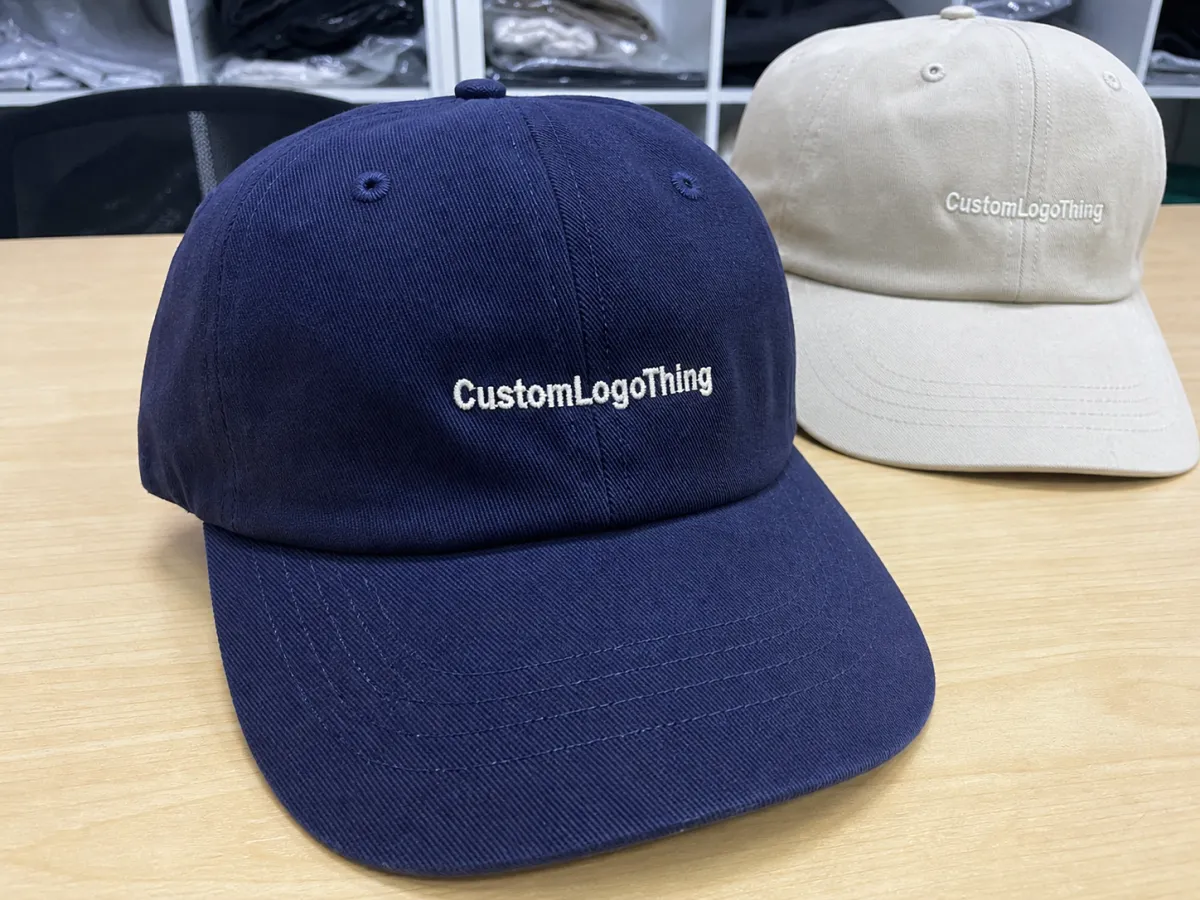
Storage is the first advantage, and it is more practical than it sounds. Unstructured caps pack flatter than firm-front styles, so properties can hold reserve stock without devoting much space to it. That helps when storage already competes with linens, amenities, signage, and replacement uniforms. For a hotel manager, the benefit is not abstract: a drawer or shelf can hold more back-up hats, which means fewer emergency purchases before a full weekend arrival.
Comfort matters just as much. Staff will not wear a hat consistently if it pinches, sits high, or feels overly stiff after an hour. The best-looking option on paper often becomes the least-used item on the property. In practice, guest-facing teams choose the cap that disappears on the head, not the one that photographs best. That makes the unstructured style a strong fit for concierge teams, valet staff, bell service, pool attendants, and outdoor hospitality roles.
The style also works across departments without looking mismatched. A low-profile dad hat feels relaxed enough for poolside service but still tidy enough for a front desk or event setup crew. That versatility reduces the number of uniform variations a buyer needs to manage. Instead of maintaining separate headwear for each role, one spec can often cover several use cases.
- Best-fit teams: concierge, valet, bell staff, pool attendants, outdoor service, and seasonal front-of-house crews.
- Operational benefit: compact storage, faster issue to staff, and fewer complaints about fit or stiffness.
- Brand benefit: approachable appearance without losing logo visibility.
For hotel unstructured dad hats Bulk Order Planning, that versatility has another benefit: it reduces the chance of dead inventory. If a property adds seasonal workers or opens an outdoor service program, the same hat can usually move into the new role without requiring a second design system. That is a small logistics win, but it adds up over time.
Fit, Crown Shape, and Fabric Choices That Affect Wear
Fabric tradeoffs that matter on the floor
Fabric determines how the cap feels on day one and how it behaves after repeated use. Cotton twill remains the most common baseline because it is familiar, breathable, and easy to decorate. Washed cotton softens the appearance and reduces the brand-new stiffness some staff dislike. Chino twill gives a cleaner surface and often supports sharper embroidery. Cotton-poly blends can hold color more consistently and dry faster, which is useful for pool teams, outdoor crews, and properties that need frequent laundering.
There is no single correct fabric. Indoor guest-service teams often prefer softness and low sheen. Outdoor teams usually care more about moisture handling and faster cleanup. A multi-property hotel group can standardize the style while allowing one approved material for warmer climates and another for indoor-only teams. That keeps the visual language consistent without forcing one fabric to do every job.
Construction details that shape comfort
The construction points look simple on a spec sheet, but each one affects wear in a different way:
- Low-profile unstructured crown: sits closer to the head and avoids the boxy shape of rigid caps.
- Pre-curved brim: shortens break-in time and makes the hat look finished out of the box.
- Six-panel build: gives a familiar fit and enough front-panel area for a logo.
- Adjustable back closure: buckle, strap, or hook-and-loop; the choice changes comfort, durability, and appearance.
- Interior sweatband: worth checking for long shifts or hot environments.
- Eyelet placement: helps breathability and can reduce heat buildup inside the crown.
Adjustable closures are usually the safest choice for hospitality because they fit across departments without a sizing matrix. A brass buckle tends to feel more durable and more premium. A fabric strap is softer. Hook-and-loop is faster to adjust, though it may feel less refined and can wear down sooner. Ask for the actual closure range in inches or centimeters. “One size fits most” is not a specification; it is a placeholder.
Color also deserves attention. Black, navy, khaki, and washed neutrals are common for a reason: they hide wear better than bright shades and pair with most uniform palettes. That said, a dark cap in a hot environment can trap more heat than a lighter one. If the hats are for outdoor or pool use, a softer beige or stone color may perform better even if the lobby team prefers navy. The right choice often depends on the shift more than the logo.
Decoration Specs That Keep Branding Legible
Decoration is where many cap programs drift. Soft crowns behave differently from structured panels, so the logo method has to match the fabric and the front shape. Flat embroidery is usually the strongest starting point because it keeps the logo clear without adding excess bulk. If the logo is simple and bold, it reads well and stays light. If the mark contains fine lines or small type, a patch may handle it better than stitching.
Woven patches are useful when the art has detail that would be lost in thread. Leather patches can raise the perceived value of the cap, especially for boutique, resort, or lifestyle-oriented properties, but they are not ideal for every hospitality brand. 3D embroidery can work on large, simple logos, though it is less forgiving when the artwork includes thin strokes or multiple lines of text. The decoration should support the brand, not fight the crown.
The logo itself needs a production review, not just a design approval. Fine text can disappear once stitched. Thin elements may need to be thickened. Detailed crests often need cleanup before digitizing. A practical filter helps: if a key element cannot be read from six to eight feet away, it probably needs revision. In hospitality, the cap moves. It is seen while walking, greeting, loading, and turning. Static mockups do not show that motion.
Proofing checkpoints should include PMS or hex color confirmation, logo cleanup, placement review, stitch count, and a physical sample when the order is large or brand-sensitive. A simple hotel wordmark may sit in the 5,000 to 8,000 stitch range. More detailed emblems can go higher. That does not automatically make them bad, but it does affect hand feel, cost, and turnaround. More stitches mean a denser logo and more time at the machine.
There is also a practical tradeoff between visibility and comfort. A heavy patch can look polished, but it adds structure to a cap that is supposed to feel soft. A large embroidery can read cleanly, but it may cause the front panel to pucker if the fabric is thin. Buyers should ask the supplier how the decoration interacts with the blank body, not just whether the logo itself is approved.
Small artwork on a soft cap is where many programs go off track. If the supplier is vague about minimum line weight, stitch limits, or exact placement, the final hats usually arrive with an avoidable compromise.
Cost, MOQ, and Quote Variables to Compare
Cap pricing is usually driven by a short list of inputs: blank cost, decoration method, setup or digitizing, custom labeling, packaging, freight, and rush timing. The most common mistake is comparing only the unit price. That number can look attractive until sample costs, shipping, and setup fees appear later. For hotel Unstructured Dad Hats bulk order planning, the meaningful number is landed cost per usable hat.
MOQ matters for the same reason. Stock-style embroidery can sometimes begin around 24 to 50 pieces if the blank is already available. Fully custom colors, special patches, or sewn labels often make more sense at 100 to 300 pieces or more. Once an order reaches 500 or 1,000 pieces, the unit price usually improves, but only because the factory can spread its setup work across more hats. The lower price is real; the threshold is the tradeoff.
| Option | Typical MOQ | Estimated landed cost per hat | Best use |
|---|---|---|---|
| Stock cotton twill + flat embroidery | 24-50 | $4.00-$6.75 | Front desk, concierge, and small pilot rolls |
| Washed cotton + woven patch | 100-200 | $5.25-$8.25 | Boutique branding and more detailed logos |
| Chino twill + leather patch | 100-300 | $5.75-$9.25 | Premium guest-facing teams and resort wear |
| Cotton-poly blend + tonal embroidery | 50-150 | $4.25-$7.00 | Outdoor teams, pool staff, and higher-wear programs |
Those ranges move with artwork complexity, order size, and shipping method, so they should be treated as planning numbers rather than promises. A digitizing fee may run roughly $25 to $85 per logo. Woven patches can cost more than flat embroidery, but they may save money if the original art would require a lot of cleanup. Custom tissue, retail-style boxing, or individual polybags can add cost too. Sometimes that is justified for onboarding kits. Sometimes it is not.
Hotels should also compare quote structures. Ask whether sampling is included or billed separately. Ask whether freight is charged from the factory, from a domestic warehouse, or as delivered pricing. Ask whether the supplier can hold the same blank body and same closure on a reorder. The first quote rarely tells the full story.
Scope changes the math as well. Outfitting one property is not the same as rolling the same hat across a regional group. A single location may accept a slightly higher unit cost if the run is small. A multi-property rollout should push harder on tier pricing, repeatability, and reorder terms. That is where disciplined hotel unstructured dad hats Bulk Order Planning saves time and avoids replacement surprises later.
Process, Timeline, and Lead Time for Bulk Orders
The cleanest production flow is predictable: brief, quote, mockup, sample, approval, production, quality control, packing, shipping. If a supplier skips over one of those stages, the buyer usually inherits the risk. For a simple embroidery run, production often begins 12 to 15 business days after artwork approval. Patch-based orders, sewn labels, or special packaging can stretch that to 18 to 28 business days. Sampling adds time, but it is usually less expensive than correcting a run of 300 hats after the fact.
- Brief: send logo files, cap color, quantity, delivery deadline, and department split.
- Quote: confirm blank cost, decoration, setup, freight, and any packaging add-ons.
- Mockup: check placement, size, thread color, and closure style.
- Sample: approve a physical piece whenever the order is large or brand-sensitive.
- Production: lock the spec sheet and avoid late changes unless the schedule allows them.
- QC and packing: inspect finish quality, then pack to the hotel's distribution plan.
- Shipping: confirm carton count, tracking, and receiving contact details.
Lead time usually slips for the same reasons across hospitality programs: internal approval loops, logo sign-off, and late changes to color or quantity. Seasonal demand matters too. Spring and holiday periods can crowd production schedules, especially if the order includes other uniform items. If the hats are being kitted with amenity items, ask whether the outer cartons are built to an ISTA transit test profile and whether any paper components use FSC-certified stock. Those checks are not glamorous, but they reduce damage and help with sustainability documentation.
A realistic timeline usually looks like this: one to two days for quote comparison, two to four days for mockup and revisions, three to seven days if a sample is needed, then the production window after approval. If the opening date is fixed, build in at least one extra week of buffer. That margin is not wasted time. It is what keeps a hot order from becoming a rush fee.
One more scheduling issue is often overlooked: interdepartmental approval. Uniform decisions may need sign-off from operations, brand, procurement, and the property manager. Each handoff adds delay, especially if the team has not already agreed on color, decoration, and budget. The best way to protect the calendar is to finalize those inputs before the supplier starts digitizing.
Supplier Checks That Reduce Reorder Risk
Many buyers focus on the first run and forget the second. That is a mistake. A good cap supplier should be able to repeat the spec without drifting in crown height, fabric tone, or logo placement. Ask for factory samples, not only renderings. A digital mockup cannot show how the front panel collapses, whether the strap hardware scratches, or whether the embroidery sits too high on the crown.
Consistency checks matter more than many teams expect. Cotton lots vary. Wash treatments shift color slightly. Hardware finishes can change between batches. If a property may reorder quarterly, keep the approved sample and the spec sheet together. That gives future production a clear reference and makes it easier to catch drift before a shipment lands.
- Check seam symmetry: uneven panel alignment is visible quickly on a soft crown.
- Check embroidery tension: loose stitching can pucker the front panel.
- Check patch adhesion: edges should sit flat, not curl or lift.
- Check packaging cleanliness: guest-facing hats should arrive free of dust, loose thread, and crushed brims.
- Check closure hardware: buckles and sliders should move smoothly and feel secure.
Responsiveness is another quality signal. A supplier that answers revision questions clearly and documents changes in writing is easier to manage on repeat orders. In hotel purchasing, that is not a minor convenience. It reduces the number of people interpreting the same spec differently. If one buyer prefers a darker navy, another wants a washed finish, and operations wants the logo moved a few millimeters, the supplier needs to translate the final decision into production language without improvisation.
Ask about replacements too. Can the vendor rerun a small batch if a dozen hats arrive damaged? Do they keep artwork on file? Can they source the same closure and same blank body on the next order, or do they treat each run as a new sourcing project? Those answers separate a one-off quote from a program that can survive reorders.
Next Steps for a Clean Hotel Rollout
Start with a tight information pack. Gather department counts, likely size assumptions, logo files, brand colors, and the actual delivery window before requesting quotes. If the hotel needs split quantities by department, list them up front. If one team will wear the hats outdoors, say so. Those details affect fabric and closure recommendations more than many buyers expect.
Next, choose one decoration path, one budget ceiling, and one first-drop quantity. Orders stall when too many people keep reopening the same decision. Hotel unstructured dad hats Bulk Order Planning works best when the spec is narrow enough to price quickly but flexible enough to survive a minor production adjustment. That balance usually beats a perfect design with no purchase order behind it.
- Confirm the cap style, color, and closure.
- Approve the logo size and decoration method.
- Request a mockup and, for larger runs, a physical sample.
- Lock the spec sheet before issuing the purchase order.
- Set a reorder threshold for replacements and seasonal restocks.
That final step deserves more attention than it usually gets. A reserve stock of 5 to 10 percent is often enough for attrition, especially in high-use departments. If the property rotates seasonal staff, build the restock trigger before the first shipment lands. The cleanest programs do not just buy hats; they define how hats are replaced without a fresh approval cycle every time.
Handled this way, the program stays practical. The hats feel like part of the uniform, the branding stays legible, and the reorder path remains simple enough to use again. That is the real value of hotel unstructured dad hats bulk order planning: fewer surprises, fewer fit complaints, and a clearer route to the next run when staffing changes.
What is the usual MOQ for hotel unstructured dad hat bulk orders?
MOQ depends on the blank, decoration method, and how much customization is involved. Stock-style embroidery often starts around 24 to 50 pieces, while custom colors, patch work, or private labeling usually make more sense at 100 to 300 pieces.
Which logo method works best on a soft-crown dad hat?
Flat embroidery is the most common choice because it stays readable on an unstructured front panel and keeps the cap light. Woven or leather patches can work well if the logo has fine detail or the brand wants a more elevated finish.
How should I size hotel unstructured dad hats for mixed staff teams?
Use adjustable closures so one spec can cover most head sizes across departments. Ask for the closure range in real measurements, then test the fit on a few staff members before approving the final run.
How long does production take after artwork approval?
Simple embroidery orders often ship in about 12 to 15 business days after approval, while patch-based or custom-labeled runs can take longer. Add time for sampling, busy seasons, and any late artwork edits.
What do I need before requesting a quote for hotel unstructured dad hats bulk order planning?
Have your logo file, preferred cap color, target quantity, decoration choice, and delivery deadline ready. Include department split, packaging preferences, and any reorder expectations so the quote reflects the real program.

