Electronics Trucker Caps Material Sample Guide for Buyers
If you are ordering branded caps for technicians, showroom staff, warehouse crews, or trade show teams, the electronics Trucker Caps Material Sample guide is where the buying decision stops being theoretical. A cap can look excellent in a render and still fail in hand. The front panel may buckle under embroidery, the mesh may feel scratchy after an hour, or the closure may look tidy but wear out quickly under repeated adjustment. Those differences are small on paper and obvious on the head.
That is the reason sample review matters so much. It shows whether the cap will keep its shape, fit a real range of wearers, and support the logo without distorting the profile. For electronics-related teams in particular, the right cap is usually judged on three things at once: comfort for long shifts, a clean surface for branding, and enough structure to look consistent under bright indoor lighting.
The sample should prove the cap, not merely display it. If the crown collapses, the mesh feels overly stiff, or the logo area behaves badly, that is valuable information. Better to find it before production than after 1,000 units are already moving.
What the sample pack reveals before you order
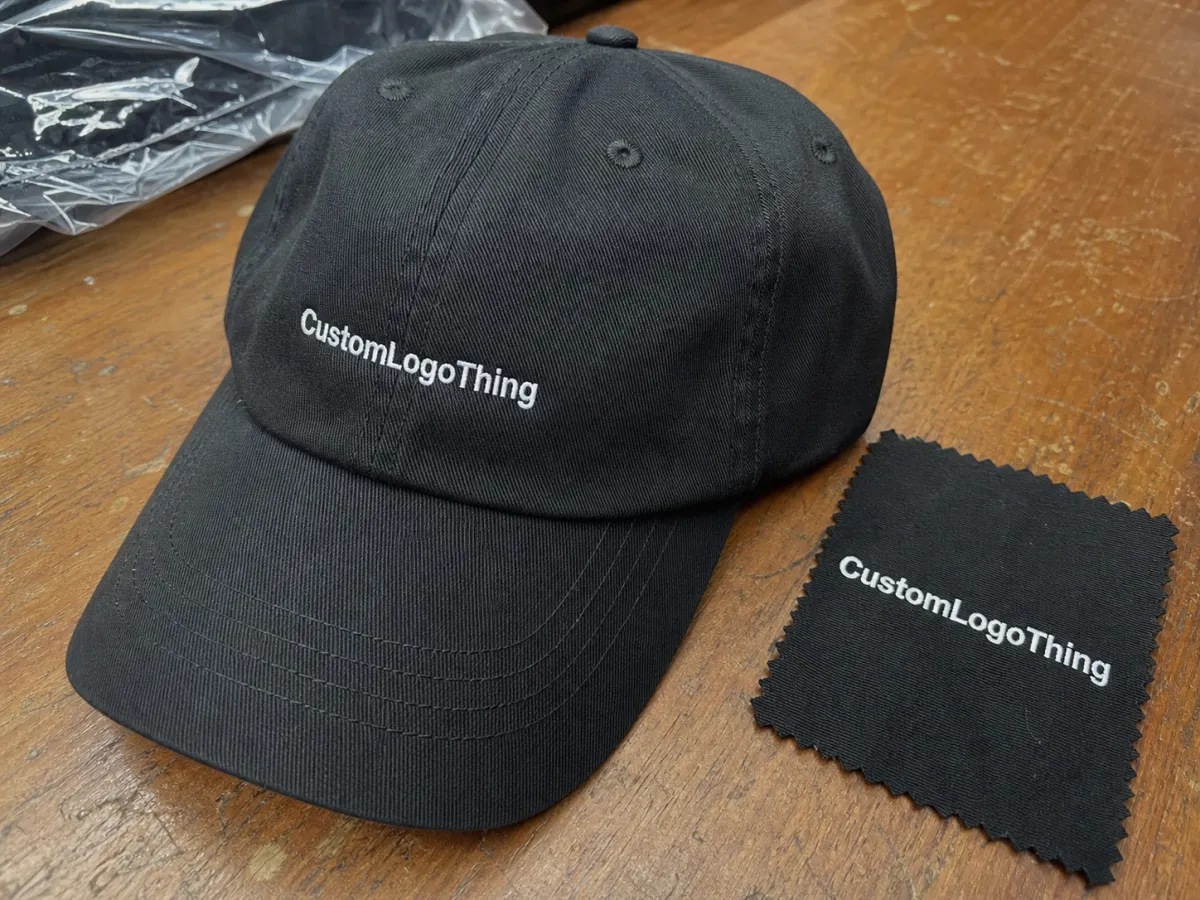
The fastest way to avoid a mismatch is to treat the electronics Trucker Caps Material Sample guide as a fit-and-finish checkpoint, not a marketing exercise. A useful sample pack reveals crown depth, visor shape, panel structure, mesh openness, seam quality, and how the closure sits after several adjustments. Those details sound minor until the cap is worn by ten different people and photographed under different lights.
Proportion matters more than many first-time buyers expect. A front panel that is too shallow can make a logo feel cramped. A crown that sits too high can look awkward on smaller heads and feel unstable during movement. Mesh that looks restrained in a product image may open up more in person, which changes both the breathability and the visual balance. The sample gives you a chance to see those tradeoffs before they become order-wide problems.
Consistency is the other major signal. If one sample arrives with tight stitching and another has uneven topstitching, loose binding, or a visor that flexes too easily, that points to a process issue. One bad sample may be a fluke. Two different versions often mean the spec is not yet locked. Buyers who catch that early usually save time later, because the factory can correct the build before the full run starts.
A complete sample pack should answer a basic question: can this cap be reproduced the same way every time, without hidden compromises in comfort, structure, or branding? If the answer is unclear, approval is premature.
How cap material samples are evaluated in hand
Good sample review starts with lighting. Hold the cap under daylight, then under the sort of indoor lighting it will actually see. Mesh tone, thread sheen, and panel contrast shift more than many buyers expect. A cap that feels refined near a window can look flatter under cool LEDs. That does not automatically make the material wrong, but it does mean the buyer should judge it in realistic conditions rather than by memory or a screen photo.
A proper sample pack should include the full material system, not just a few swatches. Look for the shell fabric, mesh, visor board, structured front or foam front, sweatband, closure hardware, and any trim that affects the silhouette. If packaging references are included, pay attention to those too. A sample packed in corrugated cardboard with kraft paper inserts tells you something practical: the supplier understands protection, not just appearance.
These checks usually reveal the truth quickly:
- Bend the visor and see whether it returns cleanly to shape.
- Press the crown to judge stiffness, recovery, and padding.
- Open and close the back closure several times to test wear on the hardware.
- Run a finger along the sweatband and inner seams for rough edges or loose thread.
- Check whether the logo area will support embroidery, a patch, or print without distortion.
Comparing samples side by side is more useful than inspecting them one at a time. Set two or three on the table and step back. One may feel more premium because the mesh is tighter and the stitching denser. Another may be lighter, cooler, and better for long shifts. The right choice depends on the job. A field service team and a retail floor team do not wear the same way, even if they wear the same cap.
If shipping protection is part of your decision, the International Safe Transit Association offers useful material on distribution testing and package performance at ista.org. That matters more than it sounds, especially if the sample is traveling with inserts, cards, or other small components that can crease or shift in transit.
Fabric, mesh, and closure details that change the outcome
Material choice changes everything about how a trucker cap wears. A heavier front panel gives the crown more structure and usually makes the logo area look cleaner, especially with embroidery or a woven patch. Lighter front materials can feel softer, but they crease sooner and may lose the crisp profile many branded programs need. That tradeoff is not abstract; it shows up the first time the cap is worn for a full shift and stored on a hook or in a locker.
Mesh is the other half of the equation. A tighter mesh usually looks neater and more polished. A looser mesh breathes better and can be more comfortable in warm environments, but it may read more casual under bright light. For electronics teams, warehouse staff, and event crews, the sweet spot is often a mesh that ventilates well without looking flimsy. In testing, buyers often find that the most breathable option is not the most flattering one, and the most polished option is not always the most wearable.
Closure choice affects fit range, perceived quality, and how the cap ages. Snapback closures are familiar and easy to size. Hook-and-loop adjusts quickly, though repeated use can wear the surface down. Fabric straps keep the look clean and relaxed. Metal buckles usually feel more finished in hand and can support a higher perceived value, but they may add cost and a little assembly time. The right choice depends on use frequency and the level of finish expected.
| Closure Type | Typical Feel | Approx. Cost Impact | Best Fit For |
|---|---|---|---|
| Snapback | Familiar, structured, easy to size | Lowest or baseline | Broad team use and straightforward branding |
| Hook-and-loop | Fast adjustment, practical, lighter look | Low to moderate | Frequent fit changes and short lead times |
| Fabric strap | Casual, clean, slightly softer finish | Low to moderate | Retail-style presentation and relaxed wear |
| Metal buckle | More premium, more finished in hand | Moderate to higher | Higher perceived value and longer wear cycles |
Decoration compatibility deserves equal attention. A front panel that is ideal for a woven patch may be a poor choice for fine embroidery, and a soft shell that feels comfortable can distort small lettering. That is why the electronics Trucker Caps Material Sample guide should always be read alongside the decoration method. A blank cap is not enough proof if the final logo process is the real point of the order.
Packaging can matter too, especially for programs that present the cap in retail or gift-style formats. Corrugated cardboard protects the crown and visor better than a soft mailer, while kraft paper wraps reduce plastic use and help the order look cleaner on arrival. For buyers asked to meet sourcing targets, FSC certified cartons or recycled-content packaging are practical options. The Forest Stewardship Council explains certification clearly at fsc.org. For small accessory kits, biodegradable packaging can make sense, but only if it still protects the shape during transit.
Pricing, MOQ, and unit cost drivers to compare
Sample cost and production cost are related, but they are not the same. A sample often costs more per unit because the factory is cutting one-off components, setting up decoration, or using a small amount of specialized trim. That upfront expense is often worthwhile if it prevents a larger run from arriving with the wrong crown depth, weak closure, or the wrong fabric feel. In plain terms, the sample is usually cheaper than the mistake.
Production pricing moves with volume, decoration, and materials. A straightforward stock-style trucker cap with a simple logo may land around $2.20 to $3.20 per unit at higher quantities. More customized versions with premium mesh, dense embroidery, special labeling, or a metal buckle often move into the $3.50 to $5.80 range, sometimes higher if the spec is narrow or the order is small. Lower minimums raise the unit cost quickly. Larger runs usually reduce it, but only if the spec stays simple enough to produce efficiently.
MOQ is where many buyers get caught. A supplier may quote a low price at 500 pieces, then attach a different minimum for each color, closure type, or decoration method. Ask whether the MOQ applies to the cap body only or to the final finished spec. That distinction matters a lot if the order includes custom mesh, inner tape, woven labels, and a special closure. A quote that looks friendly on the first line can become expensive once the details are counted.
The most common cost drivers are easy to list and worth asking for in writing:
- Setup fees for embroidery files, patch tooling, or print preparation.
- Stitch count for logos with dense fill or fine detail.
- Special mesh colors or custom-dyed panels.
- Labeling, hang tags, and printed inner tape.
- Freight, test shipments, and split delivery charges.
A line-item quote is better than a single lump sum because it shows where the price is actually coming from. One supplier may look expensive on the base cap but include decoration, while another looks cheap until labels, cartons, and freight are added. That is why the sample guide and the quote sheet should be used together. One tells you whether the cap works. The other tells you what it really costs.
For many programs, the packaging spec also affects cost and waste. Corrugated cardboard protects the cap profile, kraft fillers reduce plastic use, and recycled materials may support sustainability targets. Those choices are sensible, but they should not weaken transit performance. A bent visor on arrival wipes out the benefit of a greener insert sheet very quickly.
Process and timeline from brief to approved sample
The cleanest sample process begins before anything is cut. Send a brief that includes the style, target audience, size range, brand colors, decoration method, approximate quantity, and non-negotiable details such as structured front, breathable mesh, or premium hardware. Specific briefs get better samples. Vague briefs tend to produce cap-shaped guesses.
Typical turnaround depends on what is already in stock. A simple sample using existing materials can often move in about 5 to 10 business days. If the order needs custom mesh, special trims, or a fresh color match, the timeline often stretches to 10 to 15 business days or more. That is normal. Material sourcing, decoration setup, and revision cycles take time, and those steps are where the final quality usually improves.
Revisions should be deliberate. Change one major variable at a time if possible. If fit, color, and decoration all change together, it becomes hard to tell what fixed the problem. A better sequence is straightforward: confirm shape and comfort first, then decoration, then finishing details. That approach keeps feedback useful and shortens the path to approval.
A practical approval file usually includes:
- Approved sample in hand.
- Written spec sheet updated with measurements and material codes.
- Artwork confirmed in the correct file format.
- Packaging notes, including inner pack and carton preference.
- Target ship date aligned with production capacity.
Those steps matter because sample transit and final packout should reflect the handling the order will actually receive. A cap shipped in a soft mailer is not the same as a cap packed in a corrugated carton with protective inserts. The end goal is simple: the cap should arrive with its crown shape intact and its visor unwarped.
Once the approved sample is documented, production gets much easier to control. The factory does not have to guess whether the front panel should be firm or soft, whether the mesh should be open or dense, or whether the closure should feel casual or more premium. The sample has already answered those questions. That is the real value of a sample approval process done properly.
Common mistakes when approving a cap sample
Approving from photos alone is the biggest mistake. Photos can hide a lot. Mesh openness changes under different lighting, crown depth is easy to misread, and a color that looks correct on screen can drift in daylight or under LEDs. For branded caps, especially those tied to electronics or technical teams, the in-hand check matters more than the image gallery.
Testing only one head size is another common miss. A cap that fits one person perfectly may sit awkwardly on another because the front panel rides too high or the closure lands off-center. If the cap will be worn by a team rather than a single person, test it on more than one head shape and note the differences. Fit is not a cosmetic detail. It affects whether the cap will actually be worn.
Decoration can create surprises too. A logo that looks balanced in artwork may pull, warp, or lose edge definition once it is placed on a curved crown. Embroidery density, stitch tension, and patch edge softness all show up in the sample if you examine them closely. A cap sample without decoration is only part of the story, and sometimes the easiest part to get right.
Documentation gets overlooked as well. Keep the approved sample, material references, artwork files, and clear photos together. If those notes live in scattered email threads, production can drift even if everyone remembers the sample differently. A proper approval file should be plain and repeatable. No drama, no guesswork, just a record that can survive handoff.
Another easy mistake is approving too quickly because the order feels urgent. That pressure is real, but a weak approval can cost more time later than a careful review does up front. If the sample feels too stiff, too warm, too shallow, or too loose, catch it now.
Expert checks and next steps before production
Before locking the order, build a simple scorecard and rate each sample on comfort, structure, decoration quality, color match, and closure feel. It does not need to be elaborate. A 1-to-5 score is enough to show where one cap clearly outperforms another and where the final choice depends on the use case. Buyers tend to make better decisions when the comparison is written down instead of left to memory.
Request exact material codes and trim references rather than general descriptions. If the approved front is a foam-backed polyester blend, write that down. If the mesh has a specific weight or openness, note it. The same applies to labels, sweatbands, and packaging. A short code list prevents unnecessary back-and-forth during production and makes repeat orders much easier to match.
It also helps to ask for one or two alternates. Compare a slightly firmer mesh against a softer one, or a snapback against a metal buckle. Small differences often reveal the right direction for the long run. Buyers who only see one sample can approve a cap that is acceptable, but not necessarily the best fit for the program.
Use the final review steps in this order:
- Review the sample on actual heads, in real light.
- Confirm the decoration, fit, and closure are all acceptable.
- Mark any changes directly on the spec sheet.
- Keep the approved sample with the production file.
- Recheck the quote if any spec changed materially.
That is the practical value of the electronics trucker Caps Material Sample guide: it turns a loose product idea into a repeatable build. Once the sample, quote, and spec sheet all point to the same result, production becomes easier to control, and the final caps are far more likely to arrive as expected.
Frequently Asked Questions
What should be in an electronics trucker cap sample pack?
A useful sample pack should include the front panel, mesh, visor, sweatband, closure, trim, and any decoration example so you can judge the cap as a complete product. It should also include color references and material notes, because loose swatches do not show how the finished cap holds shape or wears in real conditions.
How do I compare mesh and foam options for electronics trucker caps?
Compare them in hand under different light, then check breathability, crown stiffness, and how the front panel supports embroidery or a patch. If the cap will be worn for long stretches, prioritize comfort and ventilation, but do not give up so much structure that the logo area looks collapsed or uneven.
What affects sample pricing and final unit cost the most?
The biggest drivers are material choice, decoration method, setup work, MOQ, and freight, especially when custom colors or labels are involved. A sample that costs a little more can still reduce final cost if it prevents rework, artwork changes, or a full production rejection.
How long does the process and turnaround usually take?
Turnaround depends on whether materials are stocked and how much customization is required, so a simple sample can move faster than one with custom trims or special decoration. Build in time for at least one review round, because fast approvals work best when the buyer sends clear feedback on fit, feel, and finish.
What is the safest way to approve the final sample?
Approve only after the cap passes fit, comfort, color, decoration, and construction checks on real heads, not just in photos. Keep the approved sample, written notes, and material references together so production can match the same standard later without guesswork.