Pet Treat Trucker Caps Material Sample Guide for Buyers
A pet treat Trucker Caps Material Sample guide earns its keep the first time a cap that looked polished on screen feels too shallow, too rigid, or oddly loose once it is actually worn. That gap between image and object is wider than many buyers expect. Mesh has texture, foam has memory, closures stretch differently, and a bill that looks clean in a render may arrive with a curve that changes the whole profile.
For pet treat brands, the sample is not only about approving a logo. It is about confirming that the cap works as a product: does it fit the intended wearer, does it hold up in real use, and does it present the brand the way the packaging or sales deck promised? A promo giveaway, a retail item, and a staff uniform each demand a different level of durability and finish, even if they share the same silhouette.
The better question is not, "Does it look right?" but "What does this sample prove?" That shift saves time, money, and a surprising amount of second-guessing.
What a Sample Kit Reveals Before You Commit
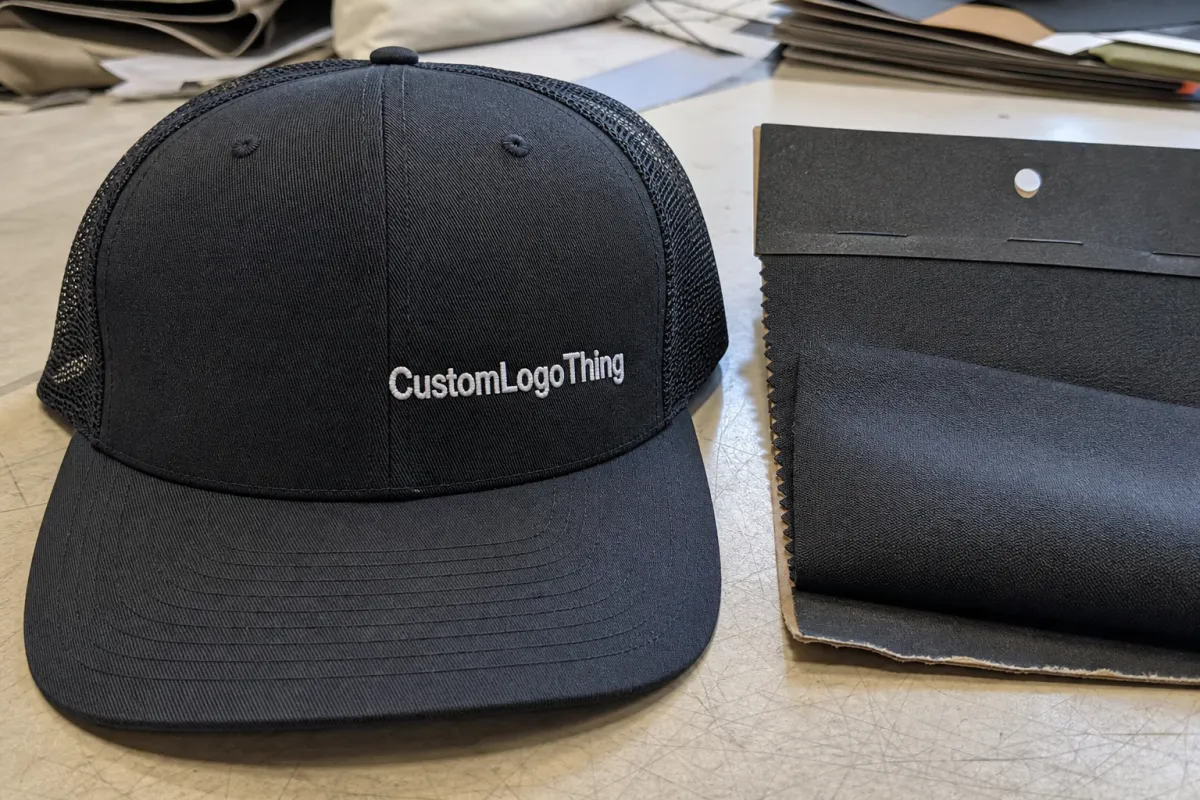
The first thing a good sample reveals is tactile, not visual. A trucker cap can appear balanced in photos while still feeling boxy, top-heavy, or scratchy in hand. Front panel height, mesh stiffness, sweatband softness, and the way the closure sits at the back all shape the wearing experience. Once a cap fails that test, no amount of attractive artwork will rescue it.
A practical review looks beyond the logo and checks the build. Crown depth tells you whether the cap sits low and close or high and roomy. The front panel shows how much structure the cap carries. The bill curve affects attitude, while the mesh determines breathability and silhouette. Even the inside tape matters; a rough seam can turn a decent cap into something people avoid after one wear.
That is why sample kits exist in the first place. They let a buyer judge shape, hand feel, and visual weight before committing to a bulk order. A sample may be the only chance to catch a spec problem before it becomes expensive across 500 or 5,000 units.
If the cap looks right but feels wrong, the issue usually sits in the crown, mesh, or closure spec rather than the artwork.
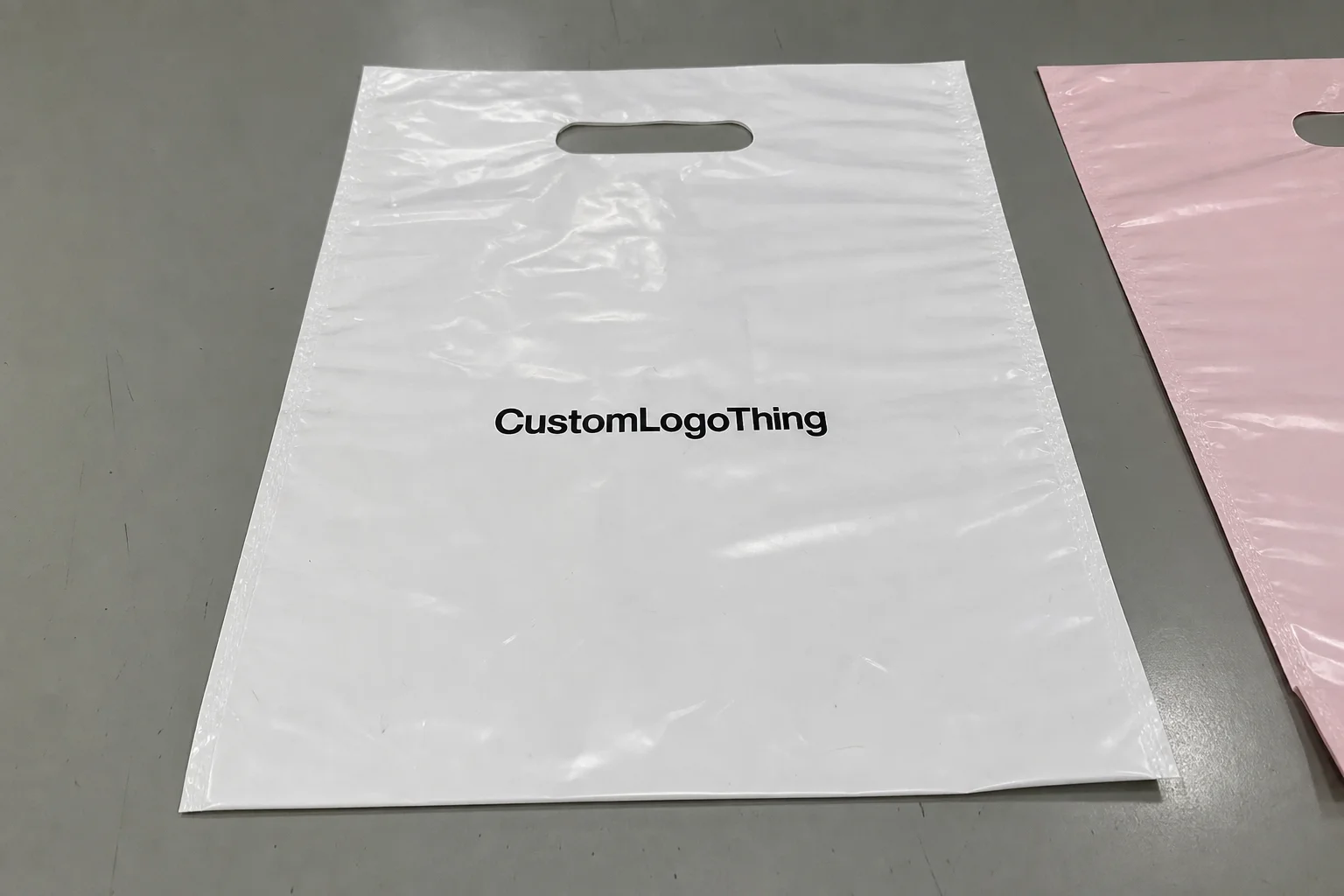
Sample kits sometimes include packaging, and that should be evaluated separately. A decorated cap can arrive in a weak mailer, the bill can bend in transit, or the insert card can press against the front panel and alter the shape. For brands that care about presentation, the shipper is part of the sample, not a side detail. Corrugated cardboard mailers, kraft paper cushioning, and a simple protective insert often preserve the cap better than a flashy pack that leaves no room for the bill.
If sustainability is part of the brief, ask for FSC certified cartons or recycled-content packaging, but only where those claims are actually supported by the materials. That distinction matters. A recycled outer box does not make the whole kit eco-friendly if the rest of the pack is still built from mixed plastics and hard-to-recycle fillers.
For buyers reviewing multiple samples, the most useful habit is to separate what is being tested: product construction, decoration quality, and packaging performance. When those are mixed together, a shipping dent can be mistaken for a cap fault, or a packaging issue can distract from a good base spec.
How a Pet Treat Trucker Caps Material Sample Guide Evaluates Samples
A reliable review process usually follows a stable sequence: request materials, confirm the blank style, add decoration, inspect the finished sample, then wear-test it under realistic light and handling. A Pet Treat Trucker Caps material sample guide works best when that sequence is written down. Memory gets fuzzy fast once people start reacting to color, logo placement, or fit.
There are three sample types that should not be confused with one another. A blank material sample checks the cap structure, fabric hand feel, mesh openness, and closure comfort. A decorated sales sample shows how the logo method behaves on the actual cap. A pre-production sample is the closest thing to the final order and should reflect the intended materials, trim, and decoration placement as closely as possible.
Those stages solve different problems. A buyer may approve a blank cap, then discover that embroidery pulls the front panel more than expected. Another may like a patch sample, only to learn the edge thickness changes the way the cap sits. Keeping the stages separate prevents small surprises from turning into broad rework.
Review should happen under more than one light source. Bright daylight shows stitch sheen, print registration, and surface texture. Indoor light reveals whether the cap still reads clearly in a store or office. If the cap will be photographed for e-commerce, it should also be tested under the same type of lighting used for product images. Mesh colors, white thread, and low-contrast logos often look cleaner on a monitor than they do under real conditions.
The physical sample itself deserves a handling check. Open and close the snapback a few times. Press the front panel. Bend the bill slightly and see whether it springs back or creases. Look inside for loose threads, inconsistent tape, or rough seam ends. These are not dramatic defects, but they add up. A buyer who notices them early avoids approving a cap that feels fine from across a room and mediocre at arm's length.
Shipping protection is another practical concern. A modestly priced sample sent in a poorly sized shipper can arrive with a crushed brim or warped crown. The damage may be small, yet it changes the review. Packaging teams often think in terms of transit abuse, and that mindset is useful here too. The basic testing logic used by ISTA is a sensible benchmark for protecting lightweight branded items during shipping, especially when samples are going to multiple reviewers.
One detail buyers often overlook is whether the sample kit includes packaging elements meant for the final product or only for review. A printed insert, a polybag, or a retail tag can change how the cap lies in the box. That can be useful if packaging is part of the launch spec, but it can also add noise if the sample's purpose is simply to judge the cap itself. Keep the review scope narrow unless the packaging is being signed off at the same time.
Material, Fit, and Decoration Factors That Change the Result
Materials affect the cap more than most first-time buyers expect. A polyester foam front gives a classic trucker profile and holds embroidery cleanly because the front panel stays upright. A cotton twill front feels softer and a little more natural, but it can show puckering sooner when the stitch density is high. The mesh back panel improves breathability, yet the stiffness and openness of that mesh can shift the silhouette enough to alter how premium the cap appears.
Fit details matter just as much. Crown depth decides whether the cap sits low and snug or high and roomy. Panel count changes the way the front rises. Bill curve affects the overall attitude of the cap. Sweatband quality influences comfort in warm conditions. Closure style - snapback, plastic tab, or fabric strap - changes both the feel and the adjustability. A cap can be technically correct and still miss the brief if one of those components is out of alignment.
Decoration is where many approvals drift off course. Embroidery gives depth and durability, but a heavy stitch count can pull soft front panels inward. Woven patches are cleaner for small lettering and fine edges. Heat transfer works well for detailed graphics or shorter runs, although the finish is flatter and more sensitive to application settings. Sewn labels can add a premium note, but they also introduce another edge to inspect and another place where alignment matters.
The most useful question is simple: does the decoration support the cap structure, or fight it? If the front panel is soft and the logo is dense, the cap can buckle. If the cap is very structured and the decoration is too small, the branding can disappear from shelf distance. That is why the sample has to be judged as a system. Fabric, shape, and decoration are not separate decisions; they are one outcome.
- Structured foam front: suited to bold embroidery and a traditional trucker silhouette.
- Cotton twill front: softer hand feel and a cleaner match for lighter decoration.
- Woven or sewn patch: useful for fine detail and a more finished presentation.
- Heat transfer: practical for quick tests, short runs, and complex graphics.
Buyers who want packaging to reflect sustainability can keep the sample process simple without pretending that every component needs to be premium. A flat insert printed on kraft paper, a shipper made from corrugated cardboard, or a box spec with post-consumer recycled content can support the brief at a manageable cost. If chain-of-custody claims matter, ask for FSC certified materials and confirm which part of the pack qualifies. That level of specificity avoids vague marketing language.
There is also a comfort issue that rarely appears in product photos: the inside finish. A cap with a stiff sweatband, rough seam tape, or a scratchy label may pass the visual test and still fail the wear test. For staff apparel or long event shifts, that matters more than decorative polish. The sample is the place to catch it.
Cost, MOQ, and Unit Price Tradeoffs to Check First
Sample pricing is usually straightforward, but the total rises faster than buyers expect once decoration and freight are added. A blank sample may cost only a few dollars before shipping, while a decorated sample can climb quickly depending on embroidery size, patch complexity, print color count, and whether the factory needs new setup work. Add freight, and even a small sample round becomes a real budget line.
Realistic planning numbers help. A blank cap sample often falls around $6-$12. A decorated sample commonly lands in the $18-$40 range. A more exact pre-production sample, especially one with specialty patches, revised artwork, or custom trim, may run $25-$60 or more. Shipping can add another $8-$25 domestically and more on international routes. Those ranges are not fixed, but they are grounded enough to keep expectations honest.
MOQ affects the final unit price in ways that are easy to underestimate. A 300-piece run is almost always more expensive per unit than a 3,000-piece run, particularly if each colorway needs its own setup or each pet treat flavor gets a separate version. Custom closures, mixed-panel fabrics, and branded inner labels also push price upward. The factory spreads setup costs across the order, so the more variants you request, the less efficient each one becomes.
| Option | Typical Use | What It Proves | Cost Signal |
|---|---|---|---|
| Blank material sample | First fit and hand-feel review | Shape, mesh stiffness, closure comfort | Lowest sample cost |
| Decorated sales sample | Logo and brand presentation check | Decoration quality, color match, visibility | Moderate sample cost |
| Pre-production sample | Final approval before bulk run | Final spec, placement, construction accuracy | Highest sample cost |
| Multiple colorway set | Retail or seasonal comparison | Assortment impact and shelf appeal | Highest total sampling spend |
The fastest cost jumps usually come from full-front embroidery, custom woven patches, low-volume orders, and private-label packaging. Printed inserts, polybags, size stickers, and branded tissue can also add packout labor. None of that is wrong, but it needs to be visible in the budget before approval. A beautiful sample can create false confidence if the landed cost is not checked at the same time.
One practical way to protect margin is to keep the sample stage focused on the decisions that change the product. If crown shape, mesh texture, or logo placement are still being debated, there is no need to overbuild the packaging. A clean shipper, a simple insert, and accurate notes usually do the job. Premium packaging can wait until the final launch if the sample's job is only to validate the cap.
It also helps to compare like with like. A buyer who asks for three complex samples in different materials, then compares them against one another without matching art size or closure style, is not really testing cost. They are testing variables. That is useful only if the goal is to understand tradeoffs, not if the goal is to approve a final spec.
Process, Timeline, and Lead Time for Approvals
A stable approval process starts with a precise request. Ask for the blank style, fabric options, closure style, crown depth, bill curve, and decoration method before anything is built. Then review the proof carefully. "Centered" is too loose if the placement needs to land relative to the seam or panel break. Measurement points should be explicit, because small wording differences can produce a visible shift on the finished cap.
Once the proof is approved, the factory sources materials, builds the sample, and ships it for review. Stock blanks often move in 5-8 business days before transit. Custom fabrics, specialty patches, or revised decoration can stretch that to 10-18 business days. International shipping may add another week or more depending on lane and customs. If a second round is needed, build in another one to two weeks. That is not pessimism; it is how product development actually behaves.
The smartest timelines allow for human review, not just factory time. Someone needs to open the sample, compare it against the spec sheet, photograph it in the same light, and collect feedback from the right people. Marketing may care about shelf appeal. Operations may care about durability and lead time. Finance may care about the per-unit result. A sample that satisfies one function but misses the others is not ready yet.
For packaging-heavy kits, the box spec should be handled with the same care as the cap spec. A sturdy mailer made from corrugated cardboard, with kraft paper or paper fill instead of loose plastic dunnage, usually keeps the cap in better shape. If the brief includes sustainability claims, recycled materials and clear language about biodegradable packaging can support the story, but only if those claims are real and traceable.
That planning mindset is what makes a pet treat Trucker Caps Material Sample guide useful. It should show what to check, who signs off, what the sample proves, and how long the next step will take. If those pieces are clear, the approval process becomes less reactive and far less expensive.
Common Mistakes That Waste Rounds and Budget
The biggest mistake is approving from photos alone. A phone image can hide stitch tension, mute color shift, and make a low crown look perfectly acceptable. Screen brightness also distorts thread sheen and mesh openness, which means a cap can appear flatter, cleaner, or more premium online than it does in hand. Plenty of buyers have signed off on a photo and changed course the moment the sample came out of the bag.
Another problem is comparing samples under different lighting or on different head sizes. That sounds small. It is not. A cap that fits a larger head can seem shallow on a smaller one, and a cream logo that reads clearly in daylight may disappear under warm indoor bulbs. Consistency matters. If the review conditions change, the conclusions do too.
Buyers also lose money by skipping the details they care about most. They ask for the sample to be "close," but they never define the closure style, the front structure, the patch size, or the logo offset. The sample comes back technically acceptable and practically wrong. Once that happens, revision costs start to grow because the factory has to infer which feature deserved priority.
A final mistake is treating a cosmetic tweak as a fix for a weak base spec. If the crown shape is wrong, a different thread color will not solve it. If the mesh is too soft, moving the patch lower will not improve the hand feel. The right move is to decide whether the problem is structural or decorative. Structural issues usually justify another round. Decorative issues may only need a minor correction.
Reject the sample when crown shape, closure feel, or base material is fundamentally off; adjust only when the sample is already close.
Packaging can muddy the review too. A sample sent in weak packaging can arrive bent or crushed, then the damage gets blamed on the cap. That creates a false defect. Protecting the sample is part of protecting the decision, and it is cheaper than remaking a piece that only looked bad because the shipper failed.
There is a smaller but persistent issue: inconsistent notes. One reviewer wants a deeper crown, another wants less mesh, a third wants the logo larger by a few millimeters. Without one set of comments, the revision round becomes a negotiation instead of a correction. The best sample review closes with a single decision: approve, revise, or reject, with the exact reason attached.
What should a pet treat trucker caps material sample guide include?
It should include a blank or decorated cap sample, fabric or mesh swatches if needed, and a written spec sheet that covers crown structure, closure style, decoration placement, and packaging notes. It should also explain what to inspect on head, under different lighting, and against brand colors before anyone approves production. A guide that does not define the test is easy to misuse.
How many sample versions should I compare before approving?
Most buyers should compare at least two material or color options if there is any uncertainty about texture, breathability, or logo contrast. If the order is larger, the art is complex, or the first version is only partly right, a second decorated sample is usually worth the extra time. The cost of an extra round is often lower than the cost of correcting a bulk order.
What drives sample and unit cost the most on trucker caps?
Decoration setup, specialty fabrics, low quantities, and custom packaging usually raise cost fastest. Shipping and revision rounds add expense as well. The most efficient reviews are the ones where the first sample request is measured, specific, and documented, so the factory is not guessing at the parts that matter.
How long should approval and lead time take for a cap sample?
Stock blank samples can move quickly, while custom material or decorated samples need more time for sourcing, production, and shipping. Build extra time for internal review too. One missed detail can trigger another round and add a week or two, especially if the revision touches a material or decoration element rather than a simple color change.
When should I reject a sample instead of trying to tweak it?
Reject it when the crown shape, closure, or material feel is fundamentally wrong, because small cosmetic fixes will not solve a poor base spec. Try tweaks only when the sample is close and the issue is limited to thread color, patch size, or another detail that can be changed without rebuilding the cap. That line is easier to draw before emotions get attached to the first sample.
If the review stays disciplined, a pet treat trucker Caps Material Sample guide becomes a working buying tool rather than a file that sits untouched. Use it to check fit, decoration, packaging, cost, and timeline together, then approve the version that actually matches the product you intend to sell or wear.