If you buy for a resort shop, an embroidered beanies Sample Approval Checklist for Resort Retail Buyers should do one job well: stop weak product before it reaches the shelf. Most samples do not fail because the logo is misspelled. They fail because the shape sits wrong on the head, the cuff collapses after handling, or the thread color loses clarity under bright store lighting.
That distinction matters. A beanie judged flat on a table can look tidy and still sell poorly once it is tried on, compressed in a suitcase, or placed next to cleaner-looking accessories. Resort retail is not a lab. It is fast, visual, and unforgiving. Guests notice feel, shape, and polish long before they examine stitch quality.
The practical test is simple: treat the sample like a real retail item. Put it on a head form or a person, inspect it in neutral light, compare it against adjacent SKUs, and review the packaging at the same time. If it cannot survive that sequence, it is not ready for approval.
Embroidered Beanies Sample Approval Checklist for Resorts
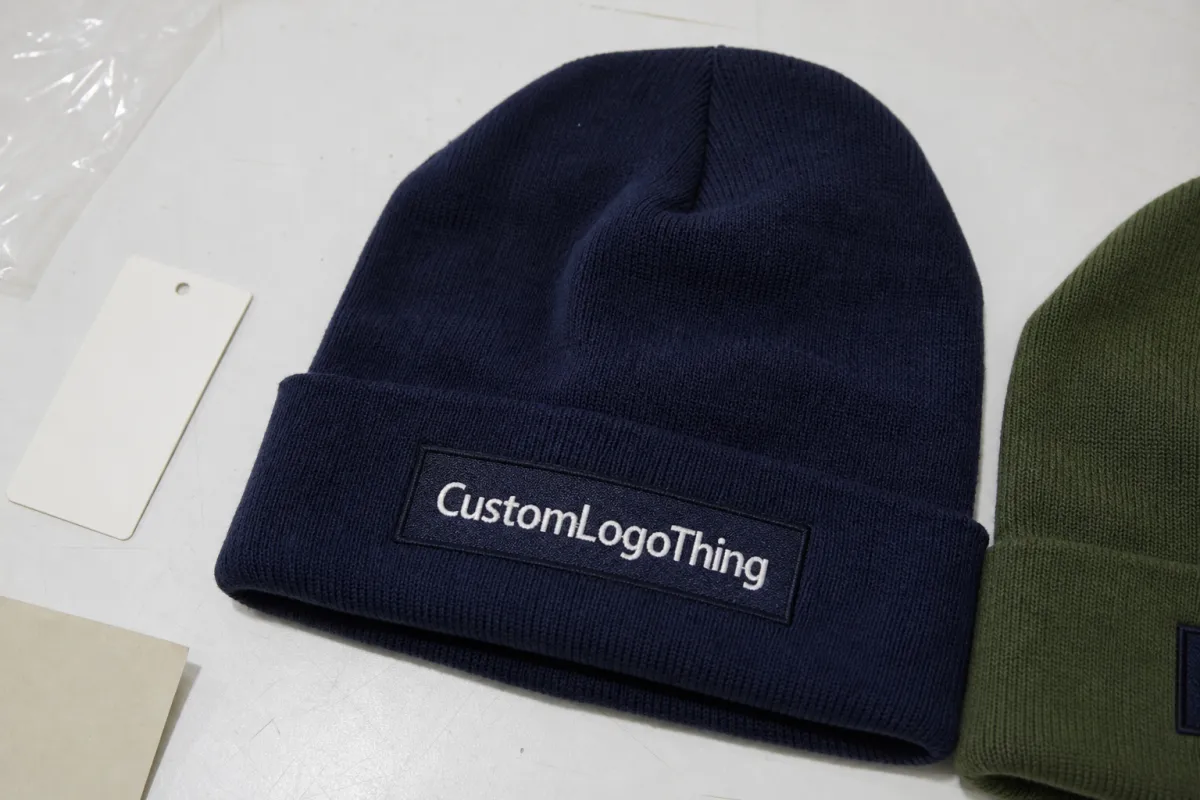
The first sample should expose problems, not impress the buyer. A useful checklist catches the details that renderings and mood boards always smooth over. Crown height, cuff rebound, logo scale, stitch clarity, and the way the knit feels after a minute in hand all shape the final retail impression.
Resort shoppers usually buy on impulse. They are not counting stitches. They are deciding whether the beanie looks easy, premium enough, and worth the price point sitting under it. If the silhouette feels off, the embroidery is fighting the knit, or the hand feels cheap, the item loses before the sell-through stage even starts.
If a sample looks fine flat but puckers on a head, it is not approved. Shelf presentation does not care what the mockup looked like in email.
A solid approval routine keeps the process honest:
- Test the sample on a head form or a real person, not just on a desk.
- Review it under bright neutral light rather than warm office lighting.
- Measure cuff depth, logo width, and crown height against the spec sheet.
- Stretch the beanie twice by hand and check how quickly it recovers.
- Record a clear pass, revise, or reject decision before comments go out.
That last step saves time. If the approval checklist does not define what counts as acceptable, the factory starts filling in the blanks. Guessing creates extra rounds, and extra rounds usually mean the original issue gets fixed while a new one appears somewhere else. Clear standards shorten the loop.
Fit, Knit, and Cuff Specs That Sell at Resort Retail
Silhouette sells first. That is the piece many programs get backward. A guest chooses a beanie because it looks easy to wear, easy to pack, and easy to gift. So the style needs to be defined up front: cuffed, slouchy, or shallow fit. A cuffed beanie with a 2.25-inch cuff reads very differently from one with a 3-inch cuff, and a slouch style needs enough back length to look intentional rather than limp.
For most retail programs, a mid-gauge knit gives the best balance of structure and comfort. A 7-9 gauge acrylic or acrylic-wool blend usually holds shape better than a loose open knit, especially after try-ons and shelf handling. Mountain properties often benefit from a denser knit and firmer recovery. Beach resorts may prefer a lighter hand and softer drape, even if the product feels a little less substantial.
The buyer’s job is to specify the cuff height and embroidery area in exact measurements. A front panel that is too short pushes the logo too low and makes the whole piece feel cramped. A cuff that is too tall can make the hat look heavy in front and swallow the design. In practice, a logo window around 2.75 to 3.5 inches wide is often workable, though the artwork and beanie size still control the final result.
Recovery matters more than many teams expect. If the beanie stays stretched after a few pulls, it will look tired after a day on the wall. That is a bad sign for resort retail, where shoppers handle almost everything. A knit that springs back cleanly feels better, photographs better, and lasts longer through the season.
Material choice deserves the same attention. Acrylic is common because it is economical, color-friendly, and easy to source at scale. A wool blend usually brings a warmer hand and a more elevated feel, but it can also increase cost, tighten lead times, and make shade matching more complicated. Recycled yarns can be a strong story if the handfeel and recovery stay acceptable, yet they still need the same wear testing as any other knit.
One detail that gets overlooked is seam behavior. Some beanies sit flatter because the crown construction distributes tension evenly. Others twist slightly after folding or packaging. If the style has a center seam, ask how visible it becomes once the hat is worn. A small construction choice can change the way the whole accessory photographs on shelf.
Decoration Specs That Hold Up in Sun, Salt, and Repeat Wear
Embroidery on knit is not forgiving. The fabric moves, the yarn stretches, and the logo can distort quickly if the spec is loose. For an embroidered beanies Sample Approval Checklist for resort retail buyers, placement, stitch density, thread type, and backing should all be locked before sign-off. If those four pieces are not defined, the factory will make reasonable choices on your behalf, and that is rarely ideal.
Thin lines, small text, and open graphic shapes need a clean stitch-out before bulk approval. A digital mockup hides a lot. A physical stitch-out shows whether the design survives real production. For cuff embroidery, 40-weight polyester thread is the safest default because it holds color well and resists wear better than cheaper alternatives. If you want a softer or more matte appearance, say that plainly, because finish changes the visual effect more than buyers often expect.
Color control needs a real reference. "Navy" is not a spec. Neither is "red." Use a Pantone reference or an approved yarn match and keep it consistent across sample and bulk. The same discipline applies to backing. A stretchy knit usually needs proper stabilization, and weak backing can cause the logo to sit proud on day one and distort by day ten.
For resort retail, the embroidery should read cleanly from 3 to 6 feet away. That distance matters because that is how shoppers encounter the product on a wall or shelf. Stitch count should support the art, not crowd it. If the logo is too detailed for the size you want, simplify it before production. Trying to save a design that should have been redrawn usually ends in a puckered compromise.
Packaging should be reviewed at the same time as decoration. A neat beanie in a sloppy polybag still looks sloppy. Clean folds, centered labels, and a simple hang tag do more for shelf appeal than most teams realize. If the unit is giftable, the fold has to stay tidy after packing and transit, not just at the sample stage.
What to Put on the Approval Sheet Before You Sign Off
This is the part that protects margin. A sample approval sheet should convert one sample into a production reference that nobody can misread later. For the embroidered beanies Sample Approval Checklist for resort retail buyers, write down exact measurements, tolerance ranges, artwork files, thread references, and packaging notes. If it is not written, it is not approved.
Numbers help keep everyone aligned. Note cuff height as 2.5 inches plus or minus 0.125 inch. Note logo width as 3.0 inches plus or minus 0.125 inch. That level of tolerance is strict enough to prevent drift and flexible enough to work in real production. Buyers do not need museum precision. They do need enough clarity to stop a 15% size change from slipping into bulk.
Include the photo angles the supplier must provide:
- Front view on head form.
- Side view showing crown and cuff.
- Close-up of embroidery and backing.
- Inside seam and label placement.
- Folded or boxed retail presentation.
Reject language should be direct. "Make it nicer" is not useful. Better notes identify the problem in production terms: logo sits too low, cuff feels too shallow, thread shade is too bright, or the beanie loses shape after stretching. Specific feedback gives the factory something it can actually correct.
Keep the approved sample, the photos, and the written comments together in one folder. Do not let the final decision live only in an email chain. That is how specs disappear and future reorders become detective work.
Cost, Pricing, MOQ, and Unit Cost Drivers
Resort buyers should separate pricing into pieces instead of staring at one number and hoping it tells the whole story. A proper quote should break out sample fee, embroidery setup, product cost, packaging, and freight. The factory price is only one part of landed cost. Once shipping, carton charges, customs, and retail packaging are added, landed cost can rise 15% to 35%, depending on destination and transport method.
The main cost drivers are stitch count, yarn quality, order size, label complexity, and the number of thread colors in the design. A clean one-color logo with simple packing is easier to price than a multi-color design with woven labels and custom hang tags. Buyers know that in theory, but the difference becomes visible fast once quotes arrive.
| Order Type | Typical Price Range | What Drives the Cost | Best Use Case |
|---|---|---|---|
| Sample | $35-$80 | Digitizing, thread matching, shipping | Fit and decoration approval |
| 100-149 pcs | $6.50-$10.50 each | Setup spread over fewer units, packaging, freight | Pilot buys and smaller resort shops |
| 250-499 pcs | $5.25-$8.25 each | Stitch count, label changes, carton packing | Seasonal retail programs |
| 500+ pcs | $4.20-$6.80 each | Thread colors, custom trim, shipping method | Multi-property and wholesale orders |
MOQ should be a planning tool, not a surprise. Lower minimums are possible, but the unit price usually rises because setup costs do not disappear when the order gets smaller. If you are comparing suppliers, ask for tiered pricing at 100, 250, and 500 units. That gives you a clearer read on where the economics improve.
Compare landed cost, not just factory cost. A beanie that looks cheap on paper can become expensive once customs, carton labels, split shipments, and retail-ready packaging are added. Buyers who factor that in usually make better margin decisions than teams chasing the lowest quote.
Production Steps, Timeline, and Lead Time Reality
A clean production timeline keeps the project calm. Start with artwork review, then sample making, then sample revision if needed, then bulk approval, then production, then shipping. The problem is that teams often blur those steps together and then act surprised when dates move. A strong Sample Approval Checklist keeps each stage separate so nobody mistakes a mockup for a production green light.
In a normal run, digital artwork review may take 1-3 business days, sample making 7-12 business days, and one revision round can add another 5-8 business days. Bulk production often takes 12-20 business days after approval, depending on order size and the number of custom details. Air freight is faster, but it costs more and does not fix a sloppy approval decision.
Fast approvals help. Rushed approvals usually create avoidable bulk issues. If the logo is detailed, check the sample in daylight and again under store lighting. If the fit is specific, send a head-size reference or a base cap spec. The factory can only execute the information it receives.
For shipments that will be boxed for retail or stacked in transit, review packaging performance against a recognized testing path. ISTA standards are a useful reference for distribution testing and carton handling: ISTA. That matters because a good-looking beanie can still arrive crushed if the cartons are weak, overfilled, or packed too loosely.
Keep sample time separate from bulk time in the schedule. A quick sample does not mean a quick launch if trim approval, color confirmation, or carton specs are still open. A 10-15 business day buffer is usually cheaper than missing a resort delivery window.
What Resort Retail Buyers Should Expect From a Supplier
A useful supplier does not tell you everything is possible. It tells you what will look good, what will fail, and what should be simplified before production. That kind of honesty is what the checklist is there to support. If a logo is too fine for the knit, the supplier should say so. If the cuff area is too small, it should say so. If the yarn choice will look dull under retail lights, that needs to be raised early.
Buyers should expect clear communication, not sales fog. Good suppliers send revision notes that reference measurements, not vague language like "improve quality." They provide photos of the sample, embroidery close-up, and packaged unit before bulk approval. They also answer the boring questions: thread brand, backing type, carton count, label format. Those are often the details that determine whether an order runs cleanly.
Repeat-order stability matters too. If the second run does not match the first, the process is not under control. That shows up quickly in resort retail, where buyers often reorder the same best-selling color. A 1 mm shift in logo placement or a slight knit shade change might seem minor in the factory. On a shelf, it can look like a different product.
If hang tags, belly bands, or insert cards are part of the program, ask for FSC-certified paper where it makes sense. It keeps the packaging story more credible and helps avoid random material choices. FSC explains its sourcing standards here: FSC. That is not decoration for its own sake. It is a practical way to keep the finished item consistent with a premium retail environment.
The best suppliers reduce risk. They do not inflate the pitch. They help you approve once, then repeat the result without drama.
Next Steps After Sample Sign-Off
Once the sample is approved, write everything down and move quickly. Confirm the final artwork file, thread colors, measurements, packaging notes, carton counts, and label language before the purchase order goes out. Anything left "to be confirmed" tends to return later as a delay, usually when the schedule is tightest.
For larger or seasonal programs, request pre-production photos or a production reference sample before bulk starts. That extra step is worth it when the order is tied to a resort opening, holiday program, or multi-property launch. A 500-piece order that lands wrong costs more than one additional round of sign-off.
Set the reorder trigger before stock runs low. Strong retail programs move on a calendar, not on panic. Keep the approved sample, approval photos, and the embroidered beanies sample approval checklist for resort retail buyers in one place so the next buy moves faster and the supplier does not have to rebuild the spec from memory.
The buyers who perform well in custom headwear tend to guard the details: fit, decoration, packaging, and repeatability. That is the job. It is not flashy, but it protects margin and keeps the assortment looking intentional.
What should be on an embroidered beanies sample approval checklist for resort buyers?
Include fit, cuff height, embroidery placement, color match, packaging, and a clear pass or revise standard. Add photo requirements, tolerance notes, and written rejection criteria so the factory knows exactly what approved means.
How many sample rounds are normal before approval on custom beanies?
One round is common if the artwork is clean and the spec sheet is tight. Two rounds happen often with small logos, multi-color thread, or exact brand color matching. More than two usually means the spec needs work, not just the sample.
What embroidery details matter most on resort retail beanies?
Placement, stitch density, backing, and thread color matter most because they control legibility and finish. Fine lines and tiny text need extra scrutiny, because knit fabric can distort detail fast if the design is too tight.
What MOQ should resort retail buyers expect for embroidered beanies?
MOQ depends on style, decoration complexity, and packaging. Lower minimums are possible, but unit cost usually rises as the order gets smaller. Ask for tiered pricing at 100, 250, and 500 units so you can compare real scenarios.
How long does embroidered beanie sample approval and production usually take?
Sample timing depends on artwork readiness, but bulk production starts only after approval. A realistic plan includes one revision round if the logo is detailed or the fit is specific. Keep shipping time separate so the launch date is not built on optimism.