An embroidered Beanies Sample Checklist keeps a simple knit accessory from turning into an expensive correction cycle. A beanie can look perfect in a flat mockup and still fail once it stretches over a head, folds at the cuff, and takes on real movement. The logo may pull, the crown can sit too tall, and a thread color that looked clean on screen may read darker or flatter once it is stitched into rib knit. Sampling exists to expose those problems before they spread across a full order.
Buyer-side logic is straightforward: prove the body first, then the decoration, then the packaging. If those points are written down clearly, the factory has one reference instead of three competing versions of the truth. That is where a good embroidered Beanies Sample Checklist earns its keep. It cuts noise, limits revision loops, and gives both sides a cleaner path to approval.
A mockup is a promise. A physical sample is evidence.
What an embroidered beanies sample checklist catches early
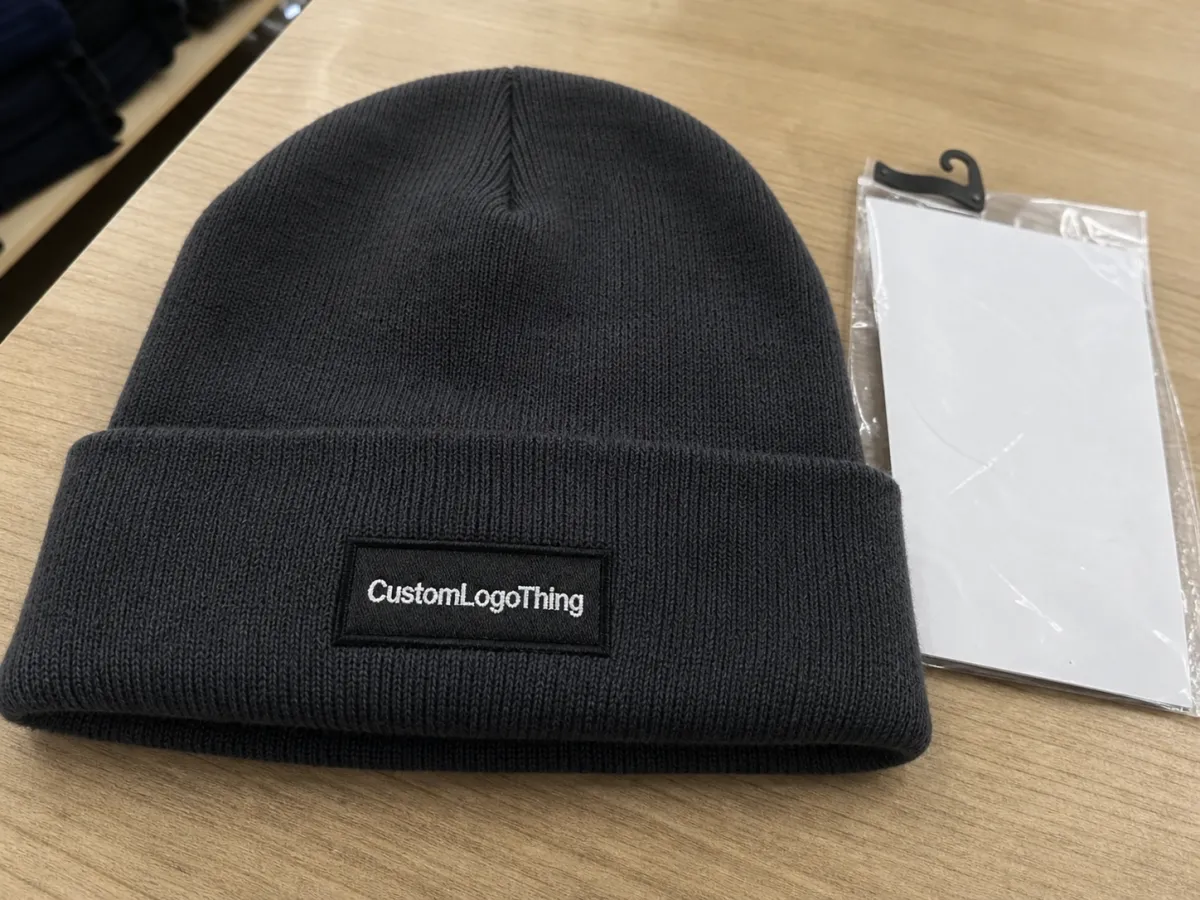
The first sample reveals issues that artwork files rarely show. A logo can look centered in a render and still land too close to the fold line on a real cuff. A knit that is slightly loose may let embroidery spread; a tighter knit can pinch the stitches and make the logo feel compressed. On a small item like a beanie, those shifts are visible fast. They are also costly if they reach bulk production.
The most useful checks are usually the least glamorous. Measure cuff depth, crown height, and opening circumference. Look at the logo from arm’s length, not just in a close-up photo. Stretch the sample, then let it recover, because poor recovery often appears only after wear. If the beanie includes a woven label, patch, or care tag, inspect whether the placement pulls the knit off balance. Small corrections at this stage are cheap compared with correcting hundreds of finished pieces later.
Use the embroidered beanies sample checklist as a written gate, not a loose conversation. Lock in artwork size, thread colors, decoration placement, and acceptable tolerance in one document. The clearer the approval note, the fewer “close enough” adjustments show up later. A supplier cannot follow a standard that keeps changing shape.
Wear context matters more than many buyers expect. A beanie on a table sits differently than one on a head form, and both sit differently than one on an actual wearer moving outdoors. Test the sample with the cuff folded the way it will be worn in the real order. If the logo is supposed to carry the branding moment, verify that it stays visible in that position rather than disappearing into the fold.
How the process and timeline usually unfold
Sampling moves faster when the input is specific. A solid tech pack should include artwork files, measurement targets, yarn or blank preferences, placement notes, and packaging requirements. If the factory has to guess at cuff height, logo width, or stitch direction, the sample becomes an interpretation exercise instead of a production check. That usually adds time, and sometimes it adds avoidable cost.
Most beanie programs move through three steps: first sample, revision sample, then pre-production sample. The first sample tests the basic concept. The revision sample corrects what missed the mark. The pre-production sample confirms the final version before the bulk run begins. Not every order needs every round, but larger runs or brand-sensitive logos usually benefit from the extra checkpoint.
Typical timing depends on setup, thread matching, and how much needs to be built by hand. A straightforward sample often takes 7-12 business days before shipping. Revision rounds commonly take 5-10 business days. If the order requires custom yarn matching, special trim, or additional embroidery setup, the schedule stretches. Add freight time and internal review on the buyer side, and a realistic sampling window often lands around 2-4 weeks.
The approval sequence works best in this order:
- Confirm construction and fit.
- Confirm embroidery placement, size, and stitch quality.
- Confirm label, packaging, and shipping details.
- Release the final version in writing.
That order matters because later decisions depend on earlier ones. If packaging is approved before fit is final, carton counts or inserts may no longer match the finished fold. If decoration is approved before knit structure is settled, the logo may need to move. A strong Embroidered Beanies Sample Checklist keeps those decisions in sequence instead of letting them blur together.
Pricing, MOQ, and quote details that change the order
Sample pricing looks modest until the hidden pieces show up. Always ask whether the quote includes digitizing, embroidery setup, yarn matching, revision work, shipping, and packaging mockups. Some vendors quote the beanie body only, then add separate charges for logo file conversion or for a second pass after revisions. If you are comparing suppliers, make sure the pricing structure is the same from quote to quote. Otherwise you are not comparing the same job.
MOQ affects more than quantity. It can influence unit price, color options, trim choices, and how much setup cost gets spread across the run. A smaller order may still be workable, but the per-unit cost often rises because the same embroidery and knit preparation must be recovered across fewer pieces. Multiple colorways can increase cost as well, especially if each one requires separate yarn or thread setup.
| Sample stage | What it confirms | Typical timing | Typical cost range |
|---|---|---|---|
| First sample | Beanie shape, logo size, and initial stitch behavior | 7-12 business days | $35-$120, plus setup if needed |
| Revision sample | Corrections to fit, placement, or thread color | 5-10 business days | $20-$80, depending on changes |
| Pre-production sample | Final materials, final label, final pack-out details | 7-14 business days | Often credited or kept low if no changes are needed |
| Bulk run | Approved construction repeated at full quantity | 12-25 business days after approval | Often $3.50-$9.00 per unit depending on build and order size |
Those numbers only help if you know what drives them. Stitch count, knit gauge, thread coverage, and decoration complexity matter a lot. A simple chest-level logo on a medium-gauge acrylic beanie is not the same job as a dense multi-color emblem on a heavier rib knit. If the supplier adds a rush fee or changes the price after approval, ask why. A useful quote is not just low; it is transparent about what is included and what is not.
Shipping and pack-out deserve a place in the conversation too. If the beanies are packed retail-ready, carton strength and transit resistance should be reviewed before bulk starts. The ISTA testing framework is a practical reference for distribution packaging, and FSC certification is worth asking about if hangtags, carton inserts, or printed paperboard are part of the sourcing story.
Stitch quality, yarn, and fit specs that matter most
This is where the sample earns approval or gets sent back. Yarn weight and knit gauge shape the entire beanie, not just the look. A finer gauge usually gives sharper logo edges and a cleaner handfeel, while a chunkier knit feels warmer and more casual but can soften small details. If the artwork uses thin lines or tight lettering, the knit itself may decide whether the embroidery reads clearly.
The embroidery method matters just as much. Flat embroidery is usually the safest choice on knitted beanies because it follows the surface more naturally. Thick 3D puff is less forgiving on stretch knit unless the logo is simple and the placement is tightly controlled. Backing deserves scrutiny too. Too much backing can stiffen the panel and distort the drape; too little can let the stitches sink into the knit. The right balance depends on the blank construction and the decoration size.
Fit specs are easy to underestimate. Check cuff depth, crown height, body length, and stretch recovery. A cuff that is too shallow can make the logo sit awkwardly near the edge. A crown that is too tall can make the beanie feel top-heavy. A piece that stretches well but does not recover well may look fine at first and sloppy after a day of wear. A dependable Embroidered Beanies Sample checklist should always include those measurements, not just the logo proof.
Labels and trims deserve the same level of review. A woven label with rough edges, a care tag stitched too tightly, or a patch set slightly off-center can make an otherwise strong sample feel unfinished. Ask whether the trim is heat-cut, folded, sewn, or bartacked, because those choices affect comfort and durability. If the goal is a premium presentation, the difference is visible in hand almost immediately.
The rule of thumb is simple: if a detail touches skin, fold line, or logo edge, inspect it twice. That includes thread tension, backing size, label placement, and the way the cuff settles after being folded. Small knit items magnify small mistakes.
Step-by-step approval path from mockup to final sign-off
A disciplined approval path keeps the order from drifting. Start with the artwork file and confirm logo dimensions, Pantone references, and any acceptable tolerance for stitch placement. On a beanie, a few millimeters can matter more than they do on larger apparel because the front panel is small and the cuff edge can visually crowd the design.
- Mockup review: Check size, placement, and overall branding balance.
- Physical sample review: Inspect fit, stitch density, thread tension, and handfeel.
- Revision notes: Send one clear list, grouped by must-fix and nice-to-have.
- Pre-production sample: Verify final materials, labels, and pack-out details.
- Written sign-off: Freeze the approved version before bulk starts.
That sequence may sound basic, but it prevents a common problem: one person approves a photo, someone else changes the thread, and the production team works from three different versions of the order. The embroidered beanies sample checklist should sit next to the spec sheet and approval email so there is no confusion about which details are locked.
If the order includes retail packaging, insert cards, or barcode labels, review them on the same pass as the garment. A perfect beanie in the wrong bag with the wrong barcode can stall a shipment just as effectively as a defective stitch. The item may be small, but the workflow is not. Production does not make only the hat; it makes the whole deliverable.
Before release, compare the sample to the internal checklist under normal light. Do not rely only on a cropped phone photo or a flashlight inspection. Knit texture, thread sheen, and label placement read differently in real light, and that is the view that matters most.
Common sampling mistakes that waste time and money
Photos are useful, but they are not enough. Camera compression can soften stitch edges, flatten shadows, and hide a beanie that is sitting wrong on the head form. If the sample is close but not quite right, ask for a physical revision rather than trying to approve from images alone. A beanie is a tactile product, and tactile products deserve real inspection.
Another costly mistake is changing the logo after the sample is approved. Even a small artwork shift can trigger new digitizing, new placement setup, and a reset in timing. If the brand is still debating logo size or color, keep the order in sample mode until those decisions are final. The fastest way to lose money is to treat an approved sample like a draft.
Yarn availability is another quiet risk. If you want a very specific seasonal shade or a brand-matched tone that is not stocked, ask early whether the mill can match it consistently across the full run. Minor variation can be acceptable in some programs, but for branded merchandise it often reads as inconsistency. That is especially true if the logo thread is bright and the base knit is muted, because contrast makes mismatches easier to spot.
Packaging mistakes are common too. Wrong carton counts, missing size stickers, incorrect care labels, and off-center hangtags can create extra handling at the end of the job. Buyers often focus so heavily on the embroidery that they forget the final handoff. The garment may be right, but the order can still fail if the pack-out is wrong.
If you build the embroidered beanies sample checklist around production risks, not just visual ones, you save time later. The checklist is not there to slow the order down. It is there to make sure the order only moves forward when the details are actually ready.
Expert tips for a cleaner bulk run and next steps
Keep one master approval sheet. Not three. One. Put the final photos, dimensions, thread references, sample date, revision notes, and sign-off names in a single document so everyone works from the same version. If the buyer, designer, and factory are all reading different notes, the production run will drift.
For larger orders, ask for a side-by-side comparison against the approved sample before the bulk run moves too far. That reference check is especially useful when the design is subtle, the logo is small, or the beanie uses a knit that can vary slightly from lot to lot. A simple visual comparison catches problems while corrections are still cheap.
Build a short punch list and keep it honest. If a sample has one fit issue and one label issue, fix both before you release production. Do not let anyone talk you into “we can handle it later” unless later truly does not affect the finished product. In apparel and accessories, later usually means more time, more freight, or more rework.
For buyers who want a cleaner handoff, connect the sample review to a practical sourcing standard. Transit packaging can be checked against ISTA guidance, and paper-based components such as tags or inserts can be specified with FSC paper where that matters to the brand. Those details may not change the beanie itself, but they shape the quality of the final delivery.
The embroidered beanies sample checklist should end with one thing: written approval that names the exact sample, the exact quantity, and the exact version being released. That final note protects both sides, keeps the schedule moving, and gives the bulk run a single clear reference. If you treat the sample as the production blueprint rather than a rough preview, the finished beanies usually come out closer, cleaner, and easier to ship.
FAQ
What should an embroidered beanie sample checklist include?
Include logo size, placement, thread color, stitch density, fit notes, cuff depth, crown height, and any trim or label details that affect the final look. Add approval photos and written tolerances so the factory knows what can change and what cannot. If the beanies ship retail-ready, note packaging, carton count, and barcode requirements too.
How many sample rounds are normal for custom embroidered beanies?
One revision round is common when the first sample is close and the spec sheet is clear. More rounds are usually needed if the artwork changes, the logo is very detailed, or the knit construction needs adjustment. A solid tech pack and a realistic embroidered beanies sample checklist can reduce the back-and-forth quite a bit.
What affects embroidered beanies sample pricing the most?
Setup work usually drives the first quote, especially digitizing, embroidery placement, label preparation, and any custom knit or trim development. Rush timing, freight, and revision count can raise the total quickly. Multiple colorways or yarn substitutions can also move the price higher because they add labor and material handling.
How do I tell if the sample fit is correct on a beanie?
The cuff should sit where the wearer expects it without sliding or folding awkwardly. The crown should keep a balanced shape instead of looking overly tall, tight, or slouchy. The fabric should stretch comfortably and return without leaving the decoration distorted. If the beanie looks good only flat on the table, it is not ready.
What should I confirm before approving bulk production?
Match the physical sample to the final spec sheet, artwork file, and approved measurements. Confirm pricing, MOQ, turnaround, and any extra charges tied to revisions or shipping. Then get written sign-off on the final sample so production starts with one clear reference, not a stack of conflicting notes.
If you keep the process disciplined, the embroidered beanies sample checklist becomes a production control tool instead of paperwork. That is usually what separates a clean bulk run from one that burns time on preventable fixes.


