A fitness embroidered Beanies Sample Checklist is what separates a clean approval from a box of merch that looks fine on a screen and awkward on a head. The embroidery can be sharp, the mockup can be tidy, and still the real sample can miss by 3 mm, pull the knit out of shape, or feel too bulky for gym wear.
For custom logo buyers, the sample is the real decision point. It tells you whether the logo size works, whether the cuff sits right, whether the beanie feels comfortable after stitching, and whether the supplier actually understood the brief instead of guessing through it.
What a fitness embroidered beanies sample checklist actually covers
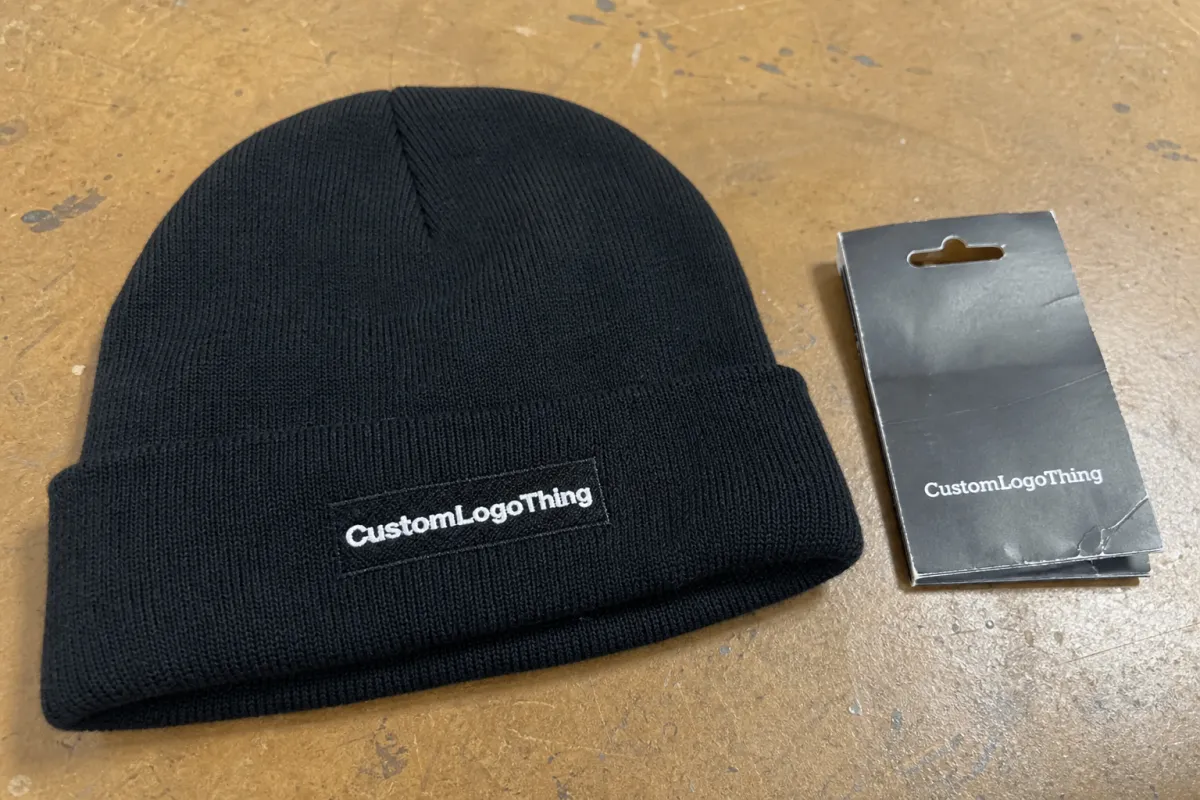
The point of a fitness embroidered beanies sample checklist is not to nitpick for sport. It is to catch expensive mistakes early, before 500 or 5,000 units are stitched the same wrong way. A logo that sits 3 mm too far left sounds small until you see it on a curved cuff, where the error reads as sloppy brand execution, not a tiny tolerance issue.
A proper checklist compares four things side by side: the approved artwork, the blank beanie, the actual embroidery, and the hand-feel of the finished sample. That sounds basic, but buyers skip one of those pieces all the time. Then they wonder why the bulk run feels heavier, tighter, or less balanced than the mockup.
For fitness merch, comfort matters more than decorative perfection. If the beanie is itchy, stiff, or too warm once embroidery is added, people will not wear it much. That is especially true for gym brands, run clubs, and wellness programs, where the item needs to feel like part of an active kit, not a trade-show freebie with a logo slapped on.
A sample is not a pretty promise. It is a manufacturing decision.
A useful checklist also sets tolerances. Which details must match exactly? Which ones can vary slightly? Which issues trigger a revised sample instead of approval? That structure keeps feedback clean and avoids the classic supplier conversation where everything is “okay” right up until you open the bulk carton.
Beanie sample process and turnaround from art proof to approval
Start with one clean brief. Send vector artwork, thread colors, beanie style, logo size, placement notes, target quantity, and any packaging needs in a single package. If you send a half-finished logo file and a vague note like “make it look premium,” the sample process turns into a guessing game. Suppliers are many things; mind readers usually are not.
Most factories follow a familiar path: they digitize the art, stitch a first sample, send photos or a physical proof, then wait for feedback. If the logo has fine lines, small text, or mixed fills and satin stitching, expect more back-and-forth. A clean icon can move quickly. A detailed fitness mark with five thread colors will usually need a second look.
Typical turnaround is 5-14 business days once the artwork is confirmed. Simple stock beanies with one-color embroidery may land closer to the low end. Custom knit structures, extra revision rounds, or rush requests usually stretch the timeline. That is not delay for the sake of delay; stitch quality does not improve because the calendar is impatient.
If you use this fitness embroidered Beanies Sample Checklist well, build in one revision loop from the start. That gives room to fix placement, resize the logo, soften stitch density, or adjust thread contrast without pretending the first attempt should have been perfect.
Also decide who signs off. One person should own the final approval. If marketing, sales, operations, and the founder all get a vote, the sample can sit in approval limbo for a week while everyone argues about millimeters. Version numbers help. So do dated sample photos and written notes.
Key material and fit factors that decide sample quality
Material choice affects the sample more than most buyers expect. A 100% acrylic 7-gauge beanie behaves differently from a 50/50 acrylic-wool rib knit. The first may feel lighter and more flexible. The second may hold shape better, but it can also feel warmer and a little less forgiving once dense embroidery is added.
Knit gauge matters because the stitch field is only as stable as the fabric under it. On a looser knit, heavy embroidery can pucker. On a tighter knit, the logo may sit cleaner but feel firmer. Neither is automatically better. The right choice depends on whether the buyer wants a softer athletic feel or a more structured retail look.
Cuff depth and crown shape change the read of the logo. A cuff that is 2.5 to 3.5 inches deep usually gives enough space for front placement without crowding the eyes or pushing the mark too high. Curved panels also matter because the logo is not sitting on a flat board. It is sitting on a bend, which means the embroidery has to work with the geometry, not against it.
Thread choice is another silent trouble spot. Polyester thread is common because it holds color well and resists wear. If the stitch count is too dense, the beanie can pucker and lose stretch recovery. If the stitch count is too light, the logo can look washed out from a few feet away. The sample should show you that tradeoff in plain daylight, not under showroom lighting designed to flatter everybody.
Fitness-branded beanies usually need a cleaner hand than fashion beanies. People put them on after a workout, not just for photos. That means the inside finish matters. Backing should feel smooth enough to wear for an hour without scratching. If the back of the stitch job feels rough, the customer notices long before they admire the logo.
If the inside feels like a cat toy, the outside better be extraordinary. Usually it is not.
Test the sample on a real head size, not only on a foam block. A beanie can look balanced in the sample room and sit awkwardly once stretched over a larger head. That is why the fitness Embroidered Beanies Sample checklist should include a wear test, not just a visual review.
Pricing, MOQ, and quote details that change unit cost
Sample pricing is where buyers get tricked by vague quoting. A sample fee often includes digitizing, setup, and one production run of the proof. It may or may not include shipping. It may or may not be credited back on the bulk order. Ask. Do not assume. Assumption is the cheapest way to buy an expensive surprise.
MOQ changes the math fast. The lower the quantity, the more the setup cost gets spread across each unit. That is why 100 beanies can look much pricier per piece than 1,000, even when the blank is identical. If the design also needs custom embroidery density, woven labels, or special packaging, the spread gets wider.
| Option | Typical sample cost | Typical bulk unit cost range | Best for | Watchouts |
|---|---|---|---|---|
| Stock acrylic beanie, 1-color embroidery | $35-$75 | $3.20-$5.50 at 300-500 pcs | Simple gym merch and quick launches | Limited texture options, modest logo size |
| Stock beanie, embroidery plus woven label | $50-$100 | $4.50-$7.25 at 300-500 pcs | Retailer-ready branding | Extra setup and label placement checks |
| Custom knit, mixed stitch effects, premium packaging | $75-$150 | $6-$12+ at 500 pcs and up | Higher-end brand launches | Longer approvals and tighter spec control |
Those numbers are not a promise. They are a practical range. Compare quotes only when the specs match: same beanie blank, same embroidery size, same thread count, same delivery window, same packaging, and same labeling. Otherwise you are comparing fiction dressed up as a quote.
Watch for extra charges that are easy to miss: art cleanup, revision fees, rush handling, sample freight, and re-stitching if the first proof is rejected. If the supplier offers carton packaging or retail boxes, ask for materials that meet your sustainability standards too. For shipping and transit guidance, I like checking the basics from ISTA. For paper packaging, FSC is a straightforward way to document responsible sourcing.
Used properly, the fitness embroidered Beanies Sample Checklist protects margin. It tells you where cost is justified and where cost is just noise.
Step-by-step sample review for fit, placement, and stitch quality
Review the sample in a fixed order so nothing gets missed. Start with the spec sheet, not your first impression. The sample may look attractive on the table and still fail the actual brief. I like a simple pass-fail list because it keeps the review honest. No poetry. Just facts.
- Check size and construction. Confirm beanie length, cuff depth, knit gauge, fabric blend, and any label or tag placement.
- Measure logo placement. Use a ruler from center front, top of cuff, and side seam. A difference of 2-3 mm can matter on a curved knit surface.
- Inspect embroidery density. Look for puckering, thread gaps, loose loops, and areas where the knit is being pulled flat.
- Stretch and wear test. Put the beanie on a head form or a real wearer and see whether the logo distorts or the cuff loses shape.
- Flip it inside out. Check backing, knots, tails, scratchy points, and whether the internal finish is something a customer would tolerate.
That inside-out check is the one buyers skip and later regret. The exterior can be clean while the interior is a mess of excess thread and sharp points. If the product sits against skin during a warm-up, a commute, or a cold outdoor session, those rough spots become a real issue.
Mark every item on the checklist before approval. Do not rely on memory. Memory is how “we said that was fine” turns into a production dispute. If the sample passes, send a written approval with photos attached. If it fails, call out the exact fix: resize, re-center, reduce density, change thread, or rebuild the sample.
That is also the moment to confirm packaging details if the beanie ships folded in a polybag, banded in tissue, or packed in retail cartons. Labels and cartons are part of the product, not a separate hobby project. The cleaner the sign-off, the less chaos later.
Common sample mistakes that waste rounds and delay approval
The biggest mistake is approving from a mockup alone. A screen cannot show stitch pull, crown distortion, or how a logo behaves on a knit curve. It can only suggest. That is useful, but it is not a sample.
Another common miss is ignoring stitch density until the beanie puckers. Once the knit opens up or the cuff starts warping, the fix usually means another round of sampling. That is time and money nobody planned to spend. And yes, “close enough” is usually the phrase that triggers the extra round.
Fit testing gets skipped too often. A sample may feel perfect on one head size and tight on another. For fitness brands, that is a real issue because the same beanie might go to trainers, staff, event crews, and customers. One fit does not tell the whole story.
Buyers also treat labels, hang tags, and packaging as afterthoughts. Then the beanie arrives with thoughtful embroidery and cheap-looking presentation. That is a bad look. People notice when the outside says premium and the details say rushed.
Here is the expensive habit to avoid: approving the sample because it is “basically right.” Basically right is how you end up with bulk inventory that is technically acceptable and commercially disappointing. Those are not the same thing.
“Close enough” is a payment plan for future complaints.
Skipping revision notes is another trap. If a supplier makes a change verbally and nobody writes it down, the next person in production may never see it. Use dated comments, marked-up photos, and a final sign-off file. Paper trails are boring. They also save money.
Expert next steps before bulk production starts
Once the sample passes, lock the approval in writing. Attach the date, SKU, thread codes, artwork version, blank beanie spec, and sample photos. If the job gets reordered later, that file becomes your shortcut back to the approved version. If it is not documented, it is just a nice memory.
Ask for a pre-production confirmation before the bulk run starts. This matters if the supplier changed yarn, thread, backing, or label stock after the sample was made. Even small substitutions can change the look and feel. A quick final check is cheaper than discovering the issue in freight.
Build a reusable approval template for future orders. A strong fitness embroidered beanies sample checklist should get better with every run. Keep the same structure for placement, fit, stitch density, backing, and packaging so you are not reinventing the wheel every season. That is how buyers move faster without getting sloppy.
If the sample is close but not right, request a second round. Do not gamble on bulk production because the first sample felt “almost there.” Almost there is not a production spec. It is a polite way to say unresolved.
Used well, the fitness embroidered beanies sample checklist protects your margin, reduces rework, and keeps the bulk run aligned with the original brief. That is the whole point. Get the sample right, and the rest gets much easier.
FAQ
What should a fitness beanie sample checklist include?
It should cover logo size, exact placement, stitch count, thread colors, fabric blend, cuff depth, stretch, fit, backing, and any packaging requirements that affect the final launch. If a detail would cause a complaint later, it belongs on the checklist now.
How long does an embroidered beanie sample usually take?
Simple samples often take about 5-7 business days once artwork and specs are confirmed. More complex logos, custom knit structures, or revision rounds can push that to 10-14 business days or more. Rush requests usually add cost and shrink your room to revise.
How much should I budget for a beanie sample and quote?
Budget for digitizing, setup, and shipping unless the supplier clearly credits those charges back later. For bulk pricing, the unit cost usually drops as MOQ rises, but extras like special labels, extra thread colors, and premium packaging increase the total.
What if the sample embroidery puckers or looks uneven?
Ask for a reduction in stitch density, a resize of the logo, or a different placement area if the knit is being pulled too hard. Do not approve the bulk order until the correction is confirmed on a revised sample.
Can one sample approve multiple beanie colorways?
Only if the blank, yarn blend, and decoration method are truly the same. Dark and light fabrics can change how thread contrast and edge detail read in real life, so test at least one sample per major fabric or color change if you want fewer surprises.