Event Merch Pom Pom Beanies Unit Cost for Bulk Orders
Event merch pom pom Beanies Unit Cost is usually decided before production begins. The pom is the visible part, but the real pricing drivers are knit construction, yarn choice, decoration method, packaging, and shipping.
A beanie is a wearable item with shape, stretch, and handling requirements. If the cuff twists, the logo sits poorly, or the fabric pills after a few wears, the piece loses value fast. A slightly higher unit price can be the better buy if the hat looks right, arrives on time, and stays usable after the event.
The buyer’s job is to match the build to the use case, then price the details honestly. That means checking MOQ, setup charges, freight, packaging, and the difference between a low quote and a landed cost that actually fits the budget.
Why the Lowest Beanie Quote Can Cost More Later
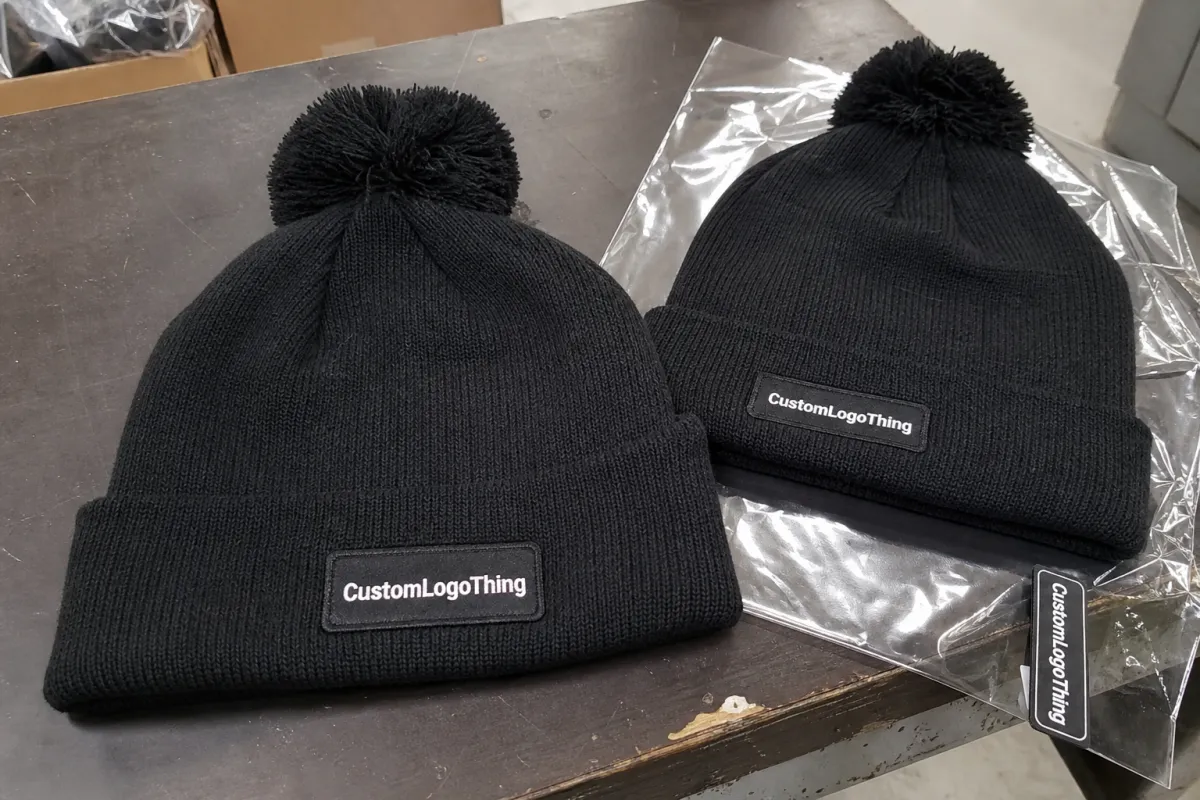
The lowest quote can be fine for a simple order with a relaxed timeline, but event merch rarely stays simple. One supplier may leave out sampling, freight, or packaging until late in the process. Another may include those items up front and look higher at first glance.
The main cost drivers are predictable. Knit gauge affects yarn use and labor. More colors add complexity. A faux fur pom adds material and attachment time. Embroidery is efficient for simple marks, but dense stitching can distort soft knit fabric. Small design changes matter because they affect both production time and quality control.
There is also a use-case issue. A beanie handed out at a winter event may be worn many times, while a cheap one-time giveaway is usually seen once. If the goal is repeated visibility, cost per wear is more useful than the headline unit number.
- Hidden cost: artwork changes that require new proofs or reprogramming.
- Hidden cost: packaging changes after production starts.
- Hidden cost: rush shipping because approvals ran long.
- Hidden cost: freight and duties excluded from the first quote.
The safest orders are usually the least complicated: clear specs, realistic timing, and a decoration method that fits the garment. That approach tends to beat a flashy mockup that becomes hard to manufacture cleanly.
Pom Pom Beanie Construction and Decoration Choices
Construction controls how the beanie feels, stretches, and holds its shape. For most event programs, a rib-knit cuff with an acrylic body is the most practical starting point because it balances warmth, comfort, and price.
Standard acrylic is common because it is affordable, warm, and available in many colors. It also gives buyers a workable base for brand matching. Blends can improve softness or reduce pilling, but they usually raise the quote. If the item is for a short campaign, that upgrade may not pay off. If the hats will be reused, it may.
The pom can be yarn, faux fur, or oversized. Yarn poms are usually the most efficient. Faux fur looks more premium in photos and can make the piece feel more giftable, but it adds cost and labor. It also changes the visual balance and can affect packaging.
Decoration should match the viewing distance and the role of the hat. Jacquard knit logos integrate the art into the fabric and often create the cleanest finish. Embroidery works well on the cuff when the logo is simple. Woven patches are useful for fine lines or small type. Faux leather labels can work for minimalist branding when the goal is a subtle retail look.
If the beanies will be seen in photos or crowded environments, bold contrast and simple shapes usually matter more than tiny details. If they will be handled closely, a patch or embroidered cuff may look sharper. More decoration is not always better; one strong brand element is usually enough.
“A good beanie spec should survive a proof, a production run, and a week of actual wear without needing excuses.”
Premium finishes can improve the piece, but they also make approvals and pricing less predictable. The cleanest orders avoid stacking too many techniques on one hat.
Specs Buyers Should Lock Before Sampling
Samples work best when the buyer sends a complete brief. Before asking for a sample, lock the finished size, cuff height, knit gauge, pom diameter, yarn blend, color references, and decoration method. Those details affect the visual result and the unit cost. If the sample has to be redone because the cuff is too shallow or the logo is too small, the timeline slips and the quote often rises.
Color control deserves attention. Knit goods do not read like flat print, and colors can look darker or softer in person. Pantone references help, but physical swatches are better. If a shade is critical, ask to see it against the intended logo color rather than relying on a screen rendering.
Size matters too. A beanie that fits one head well can feel tight if the knit recovery is too aggressive. Too much stretch can make the hat feel loose and weaken the cuff’s ability to hold a clean logo. The best spec gives enough range for real wear while still sitting neatly in photos.
Packaging should be decided early. Bulk-packed beanies keep costs down and are the simplest option for most event orders. Individual polybags add labor and materials, but they help when orders are split across venues or shipped into retail. Hang tags add polish. If sustainability matters, paper tags and cartons can be specified without adding much complexity. Those choices affect the quote more than many teams expect.
A clear spec sheet also reduces internal friction. Marketing may want visual impact, procurement may want the lowest landed number, and events may want the safest delivery date. A complete brief keeps those goals in one review instead of turning the proof round into a negotiation.
- Confirm first: finished size, cuff style, and pom type.
- Confirm first: logo method, artwork file format, and color references.
- Confirm first: packaging format, label needs, and ship-to destination.
- Confirm first: target delivery date and final approval owner.
Event Merch Pom Pom Beanies Unit Cost, MOQ, and Price Breaks
This is the number buyers usually care about most. Event merch Pom Pom Beanies Unit cost drops as quantity rises because setup, knitting programming, and decoration labor are spread across more pieces. A run of 250 will rarely price like 2,500, even if the mockup is identical.
For a standard custom knit or decorated beanie with one main logo area, these ranges are a practical planning frame. Exact pricing shifts with yarn selection, decoration method, packaging, and shipping method, but the numbers below are realistic for budgeting.
| Quantity | Typical unit cost | What usually drives the number | Best fit |
|---|---|---|---|
| 250-499 | $5.50-$9.50 | Small-run setup, sample handling, higher labor share | VIP kits, smaller activations, sponsor gifts |
| 500-999 | $4.00-$7.25 | Setup spread over more units, moderate labor share | Mid-size events and targeted merch drops |
| 1,000-2,499 | $3.10-$5.75 | Better production efficiency and stronger bulk pricing | Trade shows, conference merch, team programs |
| 2,500+ | $2.35-$4.80 | Lower cost per piece, steadier line efficiency, easier freight planning | Large events, national campaigns, recurring drops |
These figures assume standard acrylic construction and a straightforward decoration approach. Add a faux fur pom, multiple yarn colors, a woven label over embroidery, or retail-style packaging, and the price goes up. Fully custom knit patterns can also raise the minimum order because the factory has to justify programming and setup.
It helps to break the quote into separate parts instead of reading it as one opaque number:
- Base beanie cost: yarn, knitting time, shaping, and assembly.
- Decoration charges: embroidery, patch application, or jacquard setup.
- Setup charges: artwork prep, sampling, and machine programming.
- Packaging: polybags, tags, inserts, carton labeling, and packing labor.
- Freight and landed costs: shipping method, fuel surcharges, duties, and destination handling.
That last line matters because a low quote can become expensive once freight is added, especially if the event date forces a faster shipping method. For international orders, duties and import handling can shift the final number enough to change the decision. The real comparison is landed cost, not the headline unit price.
Smaller runs still make sense when the audience is narrow and the item needs to feel special. A limited drop for a VIP lounge, brand partner, or stage crew can justify a higher per-unit figure if the quantity is controlled and the finish is worth keeping.
Production Steps, Turnaround, and Shipping Windows
Beanies have more moving parts than they appear to. The production chain is usually straightforward: quote, artwork review, mockup, sample or swatch approval, bulk production, inspection, packing, and shipment. Every step depends on the last one being finished cleanly.
Most delays come from a few common issues: poor file resolution, changing color decisions, switching from embroidery to a woven patch, or moving from a yarn pom to faux fur after the sample round. Peak season adds pressure because winter and event orders often arrive at the same time.
For standard orders, a reasonable production window is often 15-25 business days after final approval, plus transit time. Fully custom knit programs usually take longer, especially if they require new yarn colors or special labeling. Rush work is possible in some cases, but the premium is real. Air freight can protect a date, yet it also pushes the landed cost upward quickly.
Shipping deserves its own review. A beanie is not fragile like glass, but shape still matters. Cartons that crush easily or pack unevenly can leave hats misshapen on arrival. If the order will pass through several handoffs, carton strength and packing density reduce damage risk. For programs that need formal transit expectations, it is reasonable to reference ISTA testing methods, especially when goods will be split across multiple distribution points.
If the event date allows sea freight or standard ground, use it. The savings can be meaningful on larger runs. If the date does not allow it, build the schedule around the faster method instead of hoping the cheaper route will work.
How to Keep Bulk Beanie Orders Consistent
Consistency is what separates a clean bulk order from a carton of near-misses. It starts with sourcing: stable yarn lots, documented stitch counts, and approved color standards give the factory something repeatable to work from.
On the production floor, the checks are practical. The logo should sit where the eye expects it. The cuff should fold straight. Poms should be centered and secure. Loose threads need trimming. The hat should hold shape when stacked and still look tidy after unpacking.
Repeat orders are where process discipline pays off. If a team plans to reorder the same beanie every winter or for a recurring event series, keeping the exact yarn, artwork file, and construction notes saves time and protects the look from year to year. A small change in cuff depth or shade can make the item look different enough to matter.
Quality control should also catch the boring stuff. Cartons need clear labels. Packing counts should match the purchase order. Size and color assortments need double-checking before shipment. Those checks reduce claims, rework, and rushed follow-up after delivery.
- Source control: approved yarn lots and locked stitch counts.
- Inspection focus: logo placement, cuff symmetry, and pom attachment.
- Repeatability: saved specs for annual or seasonal reorders.
What to Send for a Faster Quote and Cleaner Approval
The fastest quote usually comes from the most complete brief. Send quantity, target delivery date, destination, logo artwork, preferred colors, packaging needs, and the intended use case in the first message. If the order has to match a past item, include a photo or prior spec sheet.
A budget range is useful. If the target is value-driven, the quote can be shaped around simpler decoration and standard packaging. If there is room for a premium finish, that can be reflected in the yarn blend, label choice, or pom style. The point is to choose the right spec from the start.
Approval flow matters too. One final decision-maker prevents a lot of churn. If marketing, events, and procurement all need input, decide who has the last word before the proof is issued.
Before requesting the formal quote, restate the event merch Pom Pom Beanies Unit Cost target, the in-hands date, and any must-have specs. A short, precise brief usually gets a cleaner number than a long thread of partial decisions. It also lowers the odds of learning too late that the quote was built on different assumptions.
“The cleanest order is the one with enough detail to quote accurately and enough discipline to stop the spec from changing after the proof lands.”
FAQs
What affects event merch pom pom beanie unit cost the most?
Quantity, knit complexity, and decoration method have the biggest effect on event merch Pom Pom Beanies Unit cost. Add color changes, custom labels, or rush production, and the number moves quickly. Freight can matter just as much as the hat itself when the schedule is tight.
What MOQ should I expect for custom pom pom beanies?
MOQ depends on whether the beanie is fully custom knit or decorated from a simpler base. Custom knit programs usually need a higher minimum because of programming and setup. If the event is small, ask for the closest viable quantity and compare the landed cost per piece, not just the unit price.
Can I lower the unit cost without changing the look too much?
Yes. Reducing the color count, choosing a simpler logo method, or using standard packaging often lowers bulk pricing without weakening the design. A more flexible delivery window can also help keep freight down. The silhouette and main brand colors can stay intact while nonessential extras are trimmed away.
How long does production usually take after approval?
After final approval, standard production often takes 15-25 business days, though fully custom knit programs can take longer. Transit time sits on top of that. Clear artwork and quick sample approval are the two biggest schedule protectors.
What do you need to quote pom pom beanies accurately?
The most useful inputs are quantity, artwork, colors, target date, packaging preference, and destination. A budget range helps shape the right build. If you have a prior order or sample image, include it so the spec can be matched more closely.
For a bulk order, the safest way to judge event merch pom pom beanies unit cost is to compare the landed number, the production window, and the likely wear life of the finished item. A beanie that arrives on time, looks right in photos, and still holds up after the event is usually the better buy, even when the headline price is not the lowest line on the page.

