A good fitness Pom Pom Beanies reorder plan is not a search for novelty. It is a control system. The second order should protect the approved sample, the fit, and the delivery window, not invite a new round of “small improvements” that quietly change the product.
The best repeat programs are boring in the right way. The approved sample is still the reference. The last shipment photos still match the record. The spec sheet still says exactly what the buyer approved. If any of those drift, the reorder is no longer a reorder. It is a new job with old assumptions attached.
That distinction matters because beanies are deceptively simple. A quarter-inch change in cuff depth can alter the silhouette. A slightly different yarn weight can change stretch and hand feel. A new pom construction can add labor and introduce failure points that never showed up on the first run. The buyer sees the difference fast, even if the change looked harmless on paper.
Fitness Pom Pom Beanies Reorder Plan: Fix The Last Run
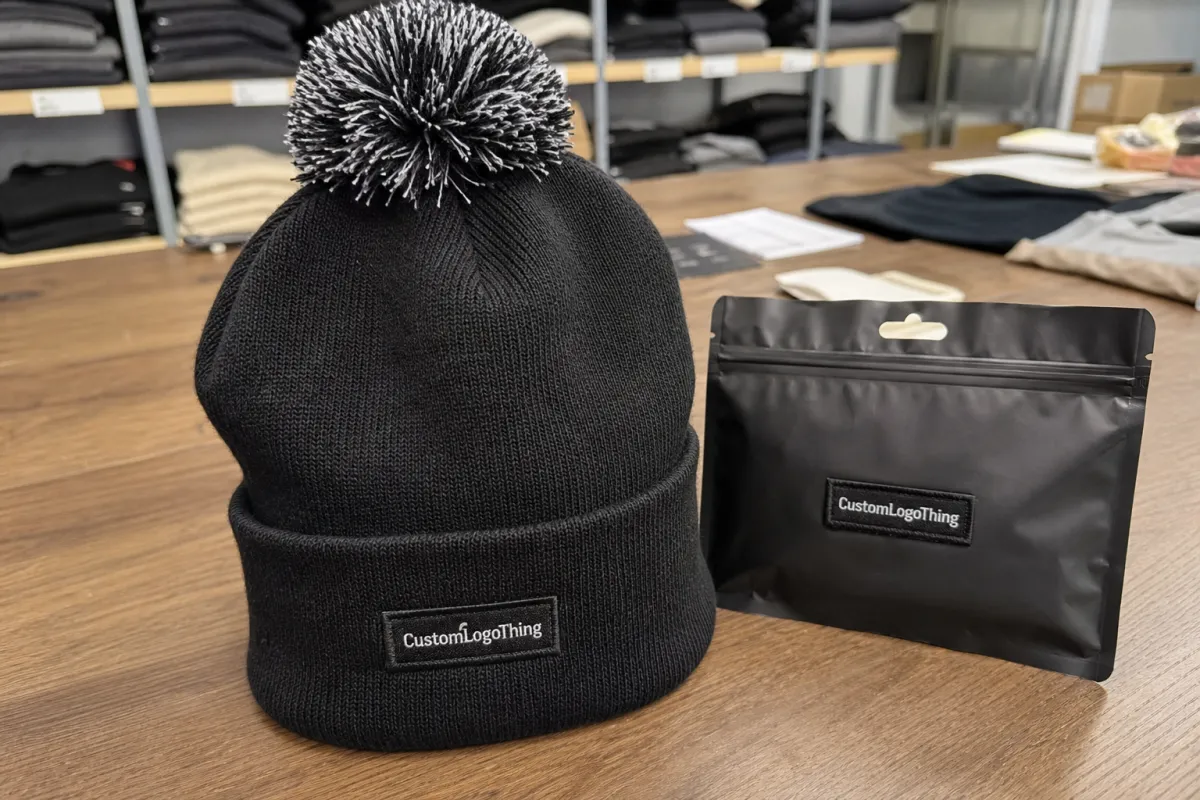
Start with the last approved version and treat it like evidence, not memory. The physical sample is the most reliable reference, followed by the signed spec sheet and shipment photos from the last batch. Sales notes are useful only if they match the approved record. If they do not, the paper trail needs to be corrected before the quote goes out.
Most repeat-order problems come from subtle spec drift. The logo is rarely the issue. The pain usually starts with rib width, crown height, yarn weight, cuff depth, or pom attachment. Those are the details that control how the beanie fits, how it packs, and how it looks after a few wears. One change can be absorbed. Three changes can turn a clean reorder into a salvage project.
Use a clear separation between what must stay fixed and what can flex. If the first run worked, freeze the construction first and discuss everything else later. Color, label placement, packaging format, and carton counts should all be documented, but fit and material specs deserve the highest priority. Buyers often spend too long debating inserts or outer carton art while the actual garment spec shifts underneath them.
Color confirmation deserves special care on knit accessories. Yarn does not read like flat stock. It catches light differently, and pom pom texture makes small shade differences stand out even more. A color that looks close on screen can look wrong in a warehouse stack or under retail lighting. Use the previous lot number, a physical swatch if available, and the Pantone reference together. One reference is not enough.
Practical rule: if the approved sample is missing, the next order should be treated as a fresh production job. Anything else invites assumptions.
The reorder brief should open with quantity, target delivery date, and the few specs that cannot move. That framing keeps the order centered on the buying problem: same product, same quality level, on time. A disciplined fitness Pom Pom Beanies reorder plan reduces waste because it removes the most common source of expense in repeat production: unnecessary change.
For seasonal retail, team kits, or fitness event merch, timing carries equal weight. A slightly lower quote is not useful if the goods miss the selling window. Inventory that arrives after the campaign loses most of its value, even if the beanies themselves are fine.
Keep The Spec Sheet Frozen Between Batches
If the spec sheet is loose, someone will tidy it up. That usually means a yarn blend changes, a knit gauge shifts, or a label moves a little and the whole product starts to feel different. A repeat order needs a frozen spec sheet that records yarn composition, knit gauge, cuff depth, pom diameter, label type, decoration placement, packaging format, and any wash or care detail that matters to the buyer.
Separate the sheet into hard specs and flexible specs. Hard specs affect fit, appearance, durability, or compliance. Flexible specs cover carton counts, inner pack configuration, barcode language, and other admin details. Those pieces still matter, but they should never distract from the product-defining items. A reorder can tolerate a different carton count. It cannot tolerate a different stretch profile if the buyer expects the same retail fit.
Sample approval should live inside the reorder file, not in someone’s inbox. Include the sample reference, approval date, and any exception notes. If a factory changes account staff or a buyer changes teams, the file still needs to explain what was approved and why. Without that, everyone starts over. That wastes time and opens the door to “helpful” changes nobody asked for.
For fit-sensitive beanies, the stretch range should stay consistent from run to run. A common adult program sits roughly in the 21-24 inch circumference range, but the exact target should follow the approved sample. If the first order had a deeper cuff and the repeat comes in shallower, the beanie can sit higher on the head and feel tighter. That kind of shift will show up in wear tests and customer feedback before it shows up in a spreadsheet.
Decoration control matters too. Embroidery is usually the most stable option for repeat orders because the stitch count and placement can be repeated cleanly. Woven labels are useful for smaller marks and lower stitch density. Patches can add texture and perceived value, but they also add time, cost, and an extra layer of quality inspection. Print can work on knit goods, though durability depends on the ink system and the artwork coverage. On a repeat order, the best method is the one that can be built twice without stretching the schedule.
Packaging deserves more attention than it gets. Polybagging, size stickers, barcode labels, and carton marks sound like small details until a warehouse receives 5,000 units and needs to split them by customer, assortment, or store. A clean pack plan saves labor at intake and reduces miscounts. If the order is heading into fulfillment, that efficiency is part of the product, not an afterthought.
For transit testing, ISTA methods are a useful reference when the goods are going through real warehouse handling and not just sitting in a photo shoot. If the order includes inserts or paper components, FSC-certified paper can support cleaner documentation for sustainability claims. Those are practical details, not marketing decorations. They make the file easier to defend if questions come up later.
Materials, Fit, and Decoration Choices That Move The Needle
Material choice drives the economics and the feel of the finished beanie. Acrylic is the usual baseline because it is affordable, easy to source, and dependable across larger production runs. Acrylic-wool blends generally feel warmer and more premium, but they can change the hand feel and push the unit price higher. Heavy thermal knits are a strong choice for cold-weather retail, yet they are not always the right answer for fitness programs where wearability matters more than thickness.
Fit is not cosmetic. It affects wear frequency and return risk. A beanie that sits too shallow gets pushed up or off. One that stretches too far loses shape and looks tired quickly. For a reorder, the key is not just size. It is recovery. The cuff should return to shape after packing, and the body should not bag out after a few wears. If the first run had a snug, well-balanced fit, the repeat needs to hit the same tension and crown height or the buyer will notice.
Poms are more sensitive than they look. Sewn poms are usually cleaner and more secure. Tied poms can work, but the labor and finishing need to be controlled closely. Dense yarn poms look fuller on a sample table, though they can flatten in transit or shed if the trimming is too aggressive. On repeat production, the best pom is the one that can be made the same way every time without slowing the line or creating rework.
Decoration should be chosen for consistency first and aesthetics second. Embroidery is the most common option because it is durable and repeatable. Woven labels work well for small logos or when the buyer wants a cleaner surface on the knit body. Patches can improve shelf presence, but they add another component to inspect and another step that can go wrong. If the logo is large and the artwork simple, embroidery is usually the most predictable path.
There is a practical difference between a product that photographs well and a product that performs well in bulk. A sample can look good under studio lighting and still fail to pack efficiently. A pom can feel soft in hand and still snag if the trim is loose. Buyers who place repeat orders should ask a simple question: can this be built the same way twice, at the same standard, without slowing the line?
That question matters even more if the beanies are tied to fitness events or promotional kits. Those programs often run on fixed dates and tight inventory windows. A warmer, bulkier build may look attractive in theory, but it can create cost or lead-time pressure that does not fit the campaign. The right product is the one that matches the use case and still leaves room for production control.
Pricing, MOQ, and Unit Cost Drivers For Repeat Orders
A reorder should usually be cheaper than the first run if the spec stays frozen. The artwork is already approved. The knit setup already exists. The sampling round should be lighter. Even so, the quote still moves with several hard inputs: quantity, yarn selection, decoration method, packing format, and shipping lane. Ignore those and the comparison becomes fiction.
MOQ exists because setup costs do not disappear just because the buyer wants a smaller batch. When volume drops, the overhead gets spread across fewer units, so the unit price rises. That is not a penalty. It is production math. Lower quantities can be useful for testing demand, but they rarely produce the best per-unit cost.
For planning purposes, the following ranges are realistic for basic repeat orders, though the final number depends on artwork coverage, material choice, and packing complexity:
| Option | Typical Unit Range | Best For | Tradeoff |
|---|---|---|---|
| Basic acrylic knit with embroidery | $2.20-$3.80 | Large event orders, promo runs, team gear | Good value, less premium hand feel |
| Acrylic-wool blend with woven label | $3.40-$5.90 | Retail buyers, colder-weather programs | Higher cost, better perceived quality |
| Heavier knit with patch and retail packing | $4.10-$6.80 | Brand launches, shelf display, gift sets | More setup, longer production window |
Buyers often miss the hidden cost items. Reworked hangtags. Different carton marks. Split shipments. Rush production. Holiday freight. A quote can look lean until those items are added back in. Then the cheapest option stops being the cheapest option. That is why landed cost matters more than ex-works price when the order has a real deadline.
A strong fitness Pom Pom Beanies reorder plan saves money through predictability. Stable specs lower scrap. Fewer changes reduce revision time. Repeat production goes smoother when the factory can reuse what already worked instead of guessing at what the buyer might prefer this time.
Freight deserves its own line in the budget. Air freight can solve a short runway, but it can erase the savings from a low factory quote. Ocean freight makes more sense on larger volumes, yet it needs a longer lead time and firmer schedule discipline. The right choice depends on the inventory window, not just the product cost. If the event date is fixed, the schedule is part of the spec.
Reorder Process and Timeline: From PO to Shipment
A repeat order should move in a straight line. Confirm the spec. Approve the quote. Collect the deposit. Book materials. Produce. Inspect. Pack. Ship. That sequence sounds plain because it is. The more the process looks like a checklist, the less it behaves like a fire drill.
Lead time should be broken into stages instead of compressed into one vague promise. Buyers need to know when production can start, when it will finish, and when freight can leave. A straight repeat with no spec changes often lands in the 12-18 business day production range after approval. Add roughly 4-7 business days for air freight, or about 20-35 days for ocean depending on route and port conditions. If the order needs fresh yarn confirmation, artwork changes, or packaging updates, the clock moves.
The delays are predictable. Missing artwork. Slow approval. Color confirmation waiting on the one person who is out for two days. A material shortage. Decoration rework. Late payment. None of those are mysterious, and none should be a surprise if the file is complete before the PO is issued.
Production control is especially important on knit accessories because small defects compound quickly. Knit tension should be checked against the approved sample. Pom attachment should be pull-tested. Embroidery placement should be checked for alignment on the cuff or front panel. Final trim matters too. A loose thread on a sample can become a rejected carton if it is missed across a full run.
For quality checks, many bulk programs benefit from a straightforward inspection standard such as AQL 2.5 for critical and major defects, adjusted to the buyer's tolerance and product risk. That is not about making the file more formal. It is about catching repeatable problems before they become customer complaints. If the goods are going into retail, the packout inspection should also confirm barcode accuracy, carton count, and bag sealing.
If inventory timing is tight, split shipments can help. They are not free. They create extra freight cost, more receiving work, and a larger chance of carton count mistakes. Use them only when the stock gap is more costly than the added complexity. For a seasonal accessory, a late full shipment is still a problem, but a split shipment should be a decision, not a default.
One practical point gets missed often: assign one person to own the final approval. If sales, operations, and marketing all send comments separately, the order slows down and the file loses clarity. A clean fitness Pom Pom Beanies reorder plan depends on one decision path. Otherwise a simple repeat turns into a thread of emails that nobody wants to own.
Why Repeat Buyers Stick With The Beanie Program
The value is operational. Buyers come back because the product behaves the same way twice. The approved sample is still the reference. The color stays close enough to avoid complaints. The answer to “what does it cost, and when does it ship?” arrives without a scavenger hunt. That is what a repeat program is supposed to do.
Documentation is the real backbone. The strongest programs keep the approved sample reference, artwork files, carton specs, previous invoices, and freight history together. That way the next reorder starts from evidence, not recollection. If the file has to be rebuilt every season, the relationship may be repeat business, but the process is still starting from zero.
Quality control on pom pom beanies should focus on the failure points buyers actually see. Knit tension. Pom attachment. Embroidery alignment. Trim cleanliness. Carton counts. Bag seals. Those checks catch the problems that surface at receiving, in photos, or on the shelf. Nobody returns a beanie because the internal stitch notes were elegant. They return it because the fit changed or the pom came loose.
Speed of communication matters just as much as product consistency. A useful reorder quote should answer four questions in plain language: unit cost, MOQ, production time, and what changes the schedule. Anything beyond that should support the decision, not bury it. Buyers do not need a performance speech. They need a clear path from approval to shipment.
Experienced buyers also know when not to change a working product. If the first run sold well, the second should copy it as closely as possible. “Improving” a stable item often introduces more risk than value. That is especially true for fitness programs and event merchandise, where timing and consistency matter more than novelty.
What To Confirm Before You Place The Next PO
Before the next purchase order goes out, confirm the style code, approved sample reference, and last quantity. Basic? Yes. Ignored? Often. Many reorder mistakes begin when someone pulls the wrong file and assumes it belongs to the current job.
Then recheck the details that drift quietly: color names, decoration file version, packaging count, carton marks, and delivery address. If any of those changed since the last run, say so plainly. A reorder should not inherit old errors just because the previous shipment arrived on time.
Decide whether the next order is a true repeat or a controlled update. If the logo changes, the trim changes, or the pom color changes, call it out before the quote is accepted. That keeps the schedule honest and prevents the factory from promising a repeat when the job has already become a revision.
Ask for the quote in the same structure used for the prior order. That makes comparisons easier and exposes real price movement instead of spec drift disguised as pricing. If the first run had embroidery and the second quote swaps in a patch, the delta should be obvious immediately. The same is true for packaging, freight method, and carton configuration.
One more check is worth doing if the beanies are headed into retail or event fulfillment: confirm the receiving requirements. A carton that is technically correct but poorly marked can still create delays in the warehouse. The order is not finished when it leaves production. It is finished when it lands in the right format, at the right time, ready to move.
The short version is simple. A fitness pom pom Beanies Reorder Plan should protect four things: the approved sample, the spec sheet, the schedule, and the landed cost. Handle those four with discipline and the reorder behaves like a reorder should - predictable, repeatable, and easy to receive. Ignore them, and even a familiar product can turn into a fresh problem.
How soon should I start a fitness pom pom beanies reorder?
Start as soon as the next event date or inventory window is known. If stock is already low, the order becomes more sensitive to rush fees, freight availability, and approval delays. Seasonal programs need extra buffer because yarn confirmation, artwork checks, and shipment booking can all add time. If the order includes any spec change, start earlier than you think you need to.
What should stay the same on a repeat pom pom beanie order?
Keep the body yarn, knit gauge, cuff depth, fit profile, pom construction, and decoration method the same unless the goal is to revise the product. Use the approved sample and the previous production record as the source of truth. If the beanies are going into retail or warehouse fulfillment, keep the packaging spec locked as well.
Can I change colors on a reorder without raising the MOQ?
Sometimes, but not always. It depends on whether the factory can use existing yarn stock or has to source a new dye lot. Small shifts may fit within the same quantity tier, while custom shades can add cost and extend the schedule. Ask for the price impact and the timing impact separately so the tradeoff is clear.
What affects unit cost most on a reorder?
Quantity tier, yarn choice, decoration method, and packaging have the biggest impact. Repeat orders are usually more efficient than first runs because setup work is already done, but only if the spec stays stable. Freight method and rush timing can erase those savings quickly, so compare landed cost instead of factory price alone.
How do I avoid delays on a beanie repeat order?
Send the style code, approved sample reference, and final artwork before requesting the quote. Approve artwork and payment quickly so production can start without idle time. Keep one person responsible for final sign-off to avoid conflicting instructions from different departments. Clear files move faster than long email threads.
Bottom line: a good fitness pom pom beanies reorder plan is built on the last approved run, not on guesses. Lock the specs, verify the timeline, and compare landed cost rather than chasing the lowest headline price. That is how a repeat order stays controlled from PO to shipment.


