Subscription Pom Pom Beanies Supplier for Custom Orders
Finding a subscription Pom Pom Beanies supplier sounds straightforward until the first shipment lands and the pom poms look flat, the cuff feels loose, or the shade shifts just enough to make the whole box look off. In recurring programs, that one trim detail carries more weight than buyers usually expect. People decide whether a beanie feels premium in seconds, and the pom is often the difference between a product that looks thoughtful and one that looks rushed.
Recurring headwear is not the same as a one-off promo run. A supplier serving monthly or seasonal drops has to keep fit, color, branding, and packing aligned across multiple cycles. If the knit changes between batches, the customer notices. If the pom construction drifts, they notice faster. Subscription buyers are surprisingly good at spotting inconsistency, even when they cannot name the exact defect.
Why subscription beanies fail when the trim looks cheap
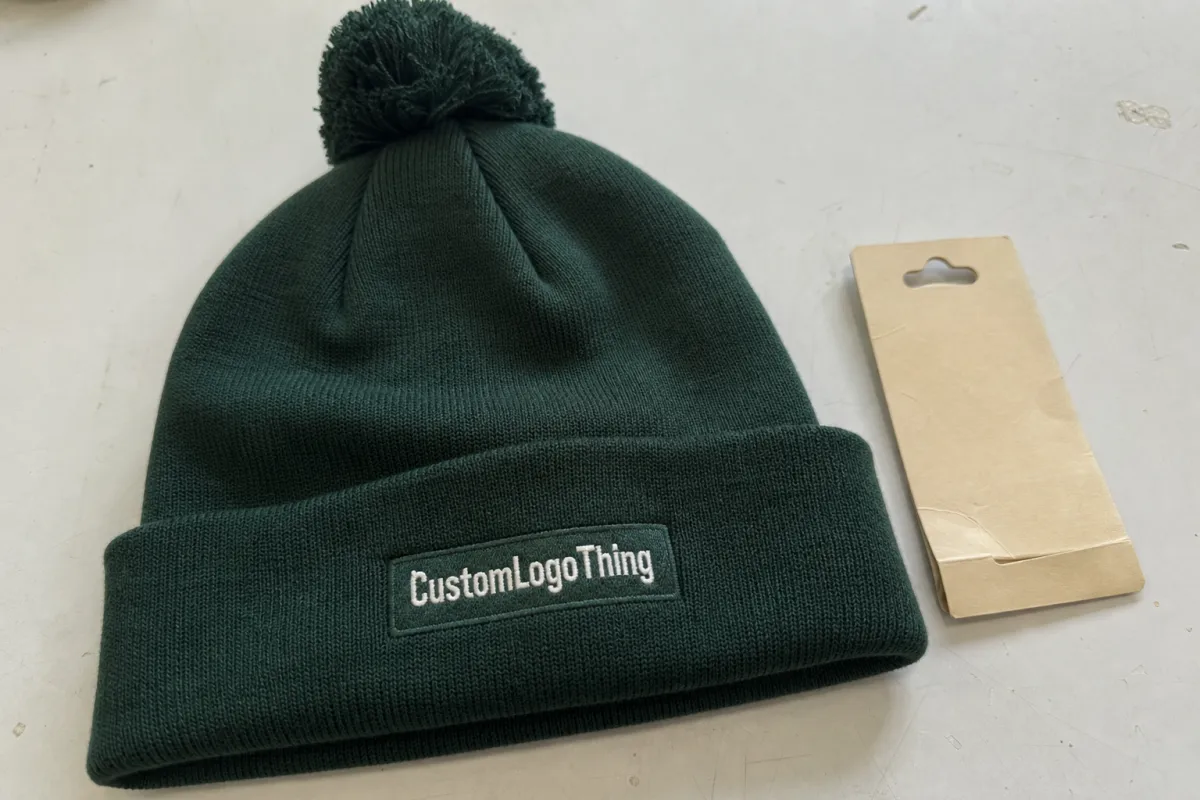
Pom Pom Beanies live and die on first impression. The body knit can be perfectly acceptable, but if the pom is sparse, lopsided, or attached with weak stitching, the whole piece reads as lower value. That trim gets touched, photographed, packed, and compared from shipment to shipment, which makes it the highest-risk part of the program.
A strong subscription Pom Pom Beanies supplier does more than knit hats. They repeat the same fit, yarn weight, crown shape, and decoration method across every reorder so the box feels consistent month after month. A standard beanie vendor may be fine for a single campaign. Recurring programs need more discipline: stable dye lots, reorders that match the approved sample, and packing that does not shift because someone changed a carton size midway through the season.
Picture 500 beanies shipped every month. One batch has fluffy poms, the next batch has smaller poms in a darker tone, and the third batch shows loose crown stitching. That is not a minor cosmetic issue. It turns into support tickets, refunds, and awkward explanations about why the same product looks different three times in a row.
Buyers also need variety without chaos. The common options include:
- Acrylic for price control and easier color matching.
- Wool blend for a warmer hand feel and a more premium surface.
- Recycled yarn for sustainability claims and retail positioning.
- Cuffed or slouch silhouettes depending on the brand direction.
- Detachable or sewn pom poms based on durability and washability.
- Woven labels, embroidery, and custom hangtags for branding.
The point is not to over-design the hat. The point is to lock the parts that affect repeatability. If the trim looks premium, the rest of the beanie gets a lot more forgiveness.
How recurring beanie programs work from order to reorder
Most recurring headwear programs follow a familiar path: concept, sample approval, production, quality check, packing, shipment, then reorder. The difference is that a subscription schedule gives the supplier less room to improvise. The buyer needs a unit plan, likely color splits, any size variance if the program includes multiple fits, and a shipping window that lines up with subscriber fulfillment rather than factory convenience.
Forecasting matters because knitwear is not magic. If the supplier knows they need 500 pieces a month, they can plan yarn purchase, machine allocation, and labor more sensibly than if they are guessing from week to week. A small change in volume can shift the production plan from stock yarn to special-dyed material. That can change price and lead time faster than most buyers expect.
Packaging coordination matters more than many teams expect. Individual polybags, branded sleeves, barcode stickers, insert cards, and outer carton labels all add labor. If the beanies are part of a subscription box, the supplier should know whether the product ships bulk-packed, pre-bagged, or kitted for a fulfillment center. One program may need fold-and-pack consistency for retail presentation, while another wants minimal packaging to cut freight cost and receiving time.
For launch stock plus ongoing replenishment, staggered fulfillment is usually smarter than sending everything at once. You want enough reserve stock for replacements, returns, and subscriber growth, but not so much that product sits in storage and starts to feel stale. A practical plan usually includes a launch batch, a buffer, and a reorder trigger tied to actual subscriber counts.
Communication checkpoints keep the process from drifting. Confirm the written spec before sampling. Approve photos or a pre-production sample before bulk knitting starts. Lock the delivery calendar before the factory books the line. A subscription Pom Pom Beanies supplier that handles recurring orders well will usually keep a reorder template on file, because starting from zero every cycle is how small mistakes turn into recurring ones.
“The worst version of a recurring headwear program is the one where every shipment is technically close but visually different. Customers do not care about your excuses. They care that the hat in box three looks like the hat in box one.”
If the packaging has to survive transit, it helps to think about shipping abuse early instead of acting surprised later. For mailer-based fulfillment, transit testing standards like ISTA can help you sanity-check whether a packed beanie still looks right after drops, vibration, and compression. That work is not glamorous, but neither is re-shipping damaged inventory.
Material and trim tradeoffs that change the final look
Materials drive more of the customer’s impression than the spec sheet suggests. Acrylic is common because it is predictable, available in many colors, and usually easier to keep within price targets. It also gives buyers a little more room for bright branding, which matters if the beanie is meant to read as cheerful rather than heritage-driven. The tradeoff is hand feel. Cheap acrylic can look a bit dry or fuzzy if the yarn count is too light.
Wool blend styles feel warmer and often photograph better in winter campaigns, but they ask more of the buyer. They need tighter color approvals, clearer care guidance, and more caution around pilling. Recycled yarn can be a good fit for brands that talk about material choice with some seriousness, though the look may vary more from lot to lot. That is not a defect by itself. It just means the approval process has to be stricter.
Pom poms deserve the same scrutiny. Sewn poms are usually more secure and easier to specify for repeat orders. Detachable poms can be useful for cleaning or style changes, but they introduce more failure points and more packing steps. A pom that looks dense in a sample can flatten after compression if the fiber blend is too soft or the attachment point is weak. The buyer often sees that after shipping, which is too late to solve it cheaply.
For brands shipping in winter, weight matters too. A heavier knit usually feels more substantial, but every extra gram adds freight cost across thousands of units. That is one of those small arithmetic problems that quietly changes a margin. A 20-gram difference on 3,000 beanies is 60 kilograms of extra product before packaging, and that number has a way of showing up in the freight invoice.
What a subscription pom pom beanies supplier must control
Spec sheets are where recurring programs either get disciplined or get sloppy. At minimum, a buyer should spell out yarn composition, knit gauge, cuff height, crown depth, pom pom size, pom attachment method, and the branding method. If embroidery is used, specify stitch density and placement. If woven labels are used, define size and fold. If the brand needs a matte finish, say so. “Looks nice” is not a spec.
The tricky part is quality drift. Common failure points include loose poms, stretched cuffs, uneven crown shaping, color drift between batches, and logo decoration that shrinks, puckers, or cracks after handling. Pom poms can also vary more than buyers expect because they are a collection of small yarn strands, not a rigid component. The factory needs clear acceptance rules, not just a mood board.
Ask for tolerances. Not vague promises. Measurement ranges. A practical spec might allow cuff height within plus or minus 0.5 cm, body length within plus or minus 1 cm, and pom diameter within a defined band. You should also ask how the supplier matches color: Pantone reference, lab dip, yarn swatch, or a physical standard sample. Yarn dyeing is not a perfect science, especially across different lots, so the approved reference matters more than a pretty render.
Many buyers also ask for a simple inspection plan. A common setup is a pre-production sample, a bulk reference sample, and an in-line or final inspection based on AQL 2.5 for major defects, depending on the supplier and program risk. That does not mean the product is guaranteed. It means the buyer and supplier agree on what failure looks like before the cartons are closed.
Durability matters because these are not single-use giveaway items. The beanie has to look good fresh out of the bag and still survive warehouse storage, shipping, and the dramatic reveal inside the box. If the program uses paper components, it is smart to specify FSC-certified hangtags or inserts up front instead of treating them like a last-minute add-on.
In a longer-run program, consistency usually comes from boring decisions: the same yarn supplier, the same Pantone references, the same attachment stitch for the pom, and the same packing method. Boring is underrated. Boring is what keeps subscribers from noticing drift.
Cost, MOQ, and unit pricing for recurring beanie orders
Price depends on a handful of things, and none of them are mysterious. Yarn choice, knit complexity, pom construction, logo method, packaging, freight, and volume all move the number. A simple acrylic cuffed beanie with a sewn pom and woven label can land in a very different range than a recycled yarn style with embroidery, custom insert cards, and individual polybagging.
MOQ works the same way. Lower quantities usually cost more per unit because setup time, lab dips, and production slotting get spread across fewer hats. That is not the factory being difficult. That is arithmetic. A factory quoting 300 pieces will usually price them higher per unit than the same factory quoting 3,000 pieces, even if the product looks almost identical on paper.
| Program type | Typical MOQ | Unit price range | Best fit |
|---|---|---|---|
| Basic acrylic cuffed beanie with sewn pom | 300-500 pcs | $3.20-$4.80 | Price-sensitive monthly drops and starter subscriptions |
| Midweight acrylic or wool blend with woven label | 500-1,000 pcs | $4.60-$6.40 | Member boxes, lifestyle brands, and repeat seasonal shipments |
| Recycled yarn, embroidery, and individual sleeve | 1,000-3,000 pcs | $5.80-$8.90 | Premium subscription offers and retail-minded packaging |
| Special knit pattern, custom pom, and staged fulfillment packing | 2,000+ pcs | $7.50-$11.50 | Higher-margin programs that need a stronger presentation |
Those ranges are not promises; they are the kind of realistic numbers a buyer can use to sanity-check quotes. Sampling may add $30-$120 per design depending on complexity. Embroidery digitizing, if needed, can add a small setup charge. Individual packing, relabeling, and insert cards can quietly turn a “cheap” hat into a not-so-cheap program, especially once freight is included.
If you are comparing suppliers, ask for three quote scenarios: launch volume, steady reorder volume, and contingency stock. That shows you whether the subscription pom pom beanies supplier is competitive at the scale you actually plan to run, not just at the first order that looks easy to win.
For subscription brands, it helps to keep quotes broken into clear lines:
- Unit price for the hat itself.
- Setup or sampling costs.
- Packing and kitting charges.
- Freight to the destination or fulfillment center.
- Storage or staged shipment fees if stock is held back.
That split makes it obvious where the money goes. Without it, buyers end up comparing apples to oranges and calling it due diligence.
Process and lead time for custom subscription beanies
A workable lead time usually starts with spec review, then sample development, revisions, production booking, bulk manufacture, inspection, packing, and shipment. The exact calendar depends on yarn sourcing, decoration complexity, and how fast the buyer approves things. The factory cannot knit a beanie that has not been approved, no matter how politely the request is phrased.
For many custom knit programs, first-order sampling takes about 7-14 business days, sometimes longer if the pom construction is unusual or the color match needs extra lab dips. Bulk production often runs 20-35 business days after approval, though labor-heavy trims, special yarns, or crowded factory schedules can push that out. Air freight is faster and more expensive; ocean freight is slower and better if the schedule allows it.
The pressure points are predictable. Yarn sourcing can add time if the color is not stock. Special dye matches can trigger another round of approvals. Pom pom assembly is often more labor-intensive than buyers expect. Custom labels and packaging inserts also slow packing if they are not already approved and ready to go. One delayed sample review can move the whole order, which is why subscription programs need buffers.
A practical schedule is simple: allow extra time for the first order, then tighten the window once the supplier has your approved spec on file. After the first run, a decent subscription pom pom beanies supplier should be able to reuse the pattern, keep the color references, and confirm reorder quantities without starting from scratch. That is where recurring business gets easier.
Good suppliers also reserve capacity and set cut-off dates. If they have a repeat-order template, they can confirm the next cycle faster because the decision points are already documented. That means fewer surprises for the fulfillment team and fewer phone calls asking why the monthly shipment is still “in progress.”
Here is the short version of a healthy timeline:
- Brief and quote: 1-3 business days.
- Sample development: 7-14 business days.
- Revisions and approval: 2-5 business days, depending on response speed.
- Bulk production: 20-35 business days.
- Inspection and packing: 3-7 business days.
- Freight: varies by route and mode.
If your program ships to a fulfillment center, add enough time for receiving and relabeling. Rushed apparel usually becomes someone else’s emergency, which is a very expensive habit.
Common mistakes buyers make with recurring headwear orders
The first mistake is ignoring packaging until after production. Then the beanie is fine, but it arrives wrinkled, mislabeled, or impossible to bundle efficiently. That is avoidable. Packaging is part of the product, especially in subscription mailers where the unboxing matters almost as much as the item itself.
The second mistake is approving a sample without checking bulk consistency. One pretty sample does not prove a program will hold across multiple batches. If the supplier changes yarn lot, pom size, or attachment method later, the subscription customer sees the difference. The buyer usually sees the complaint email.
The third mistake is chasing the lowest quote without comparing construction details. A quote can look cheaper because it uses lighter yarn, simpler stitching, thinner trim, or bare-minimum packing. Then the buyer pays for rework, delay, or customer service fallout later. Cheap quotes are very brave until they hit the warehouse.
The fourth mistake is forgetting the reorder buffer. A successful subscription launch can create a stockout just as demand stabilizes or seasonal interest spikes. If the program sells out faster than planned, the supplier needs time to replenish. If you do not carry buffer stock, the calendar becomes your enemy.
The fifth mistake is not defining the replacement policy and QC standard. If there is a defect, who remakes it? Who credits it? Is the next cycle allowed to ship with a small exception, or does it get rejected? A subscription pom pom beanies supplier should know the answer before production starts, not after someone finds a loose pom in a box.
Practical rule: if the spec cannot survive a second order, it is not a spec yet. It is a guess in better typography.
Next steps before you request samples or a quote
Start with a one-page brief. Keep it plain. Include target quantity, recurring schedule, yarn preference, pom pom style, logo method, packaging needs, destination country, and whether the first shipment must be warehoused or dropshipped. That brief saves everyone from the usual “wait, what were we actually buying?” conversation.
Next, ask for a sample plan. A good one includes a first article, a bulk reference sample, and a photo approval step before production starts. If the supplier cannot explain how the sample becomes the bulk standard, the program will rely on goodwill instead of process. That is not a comfortable place to be.
Then request pricing in a format you can compare. The quote should split unit cost, setup, packaging, and freight so you can see where the budget is going. If you also need hangtags or carton inserts, define whether the paper must be FSC-certified and whether artwork changes are allowed between cycles. Keep the spec sheet stable and the whole project gets easier.
Build the reorder calendar now, not after launch. Define the launch date, the reorder trigger, the safety stock level, and who signs off on artwork changes. A recurring knit program is much less stressful when the buyer knows the next decision point before the first shipment leaves the warehouse.
Most of all, use the same approved spec every cycle. That is the real job of a subscription pom pom beanies supplier: keep the product consistent from the first shipment to the last, even when the order repeats, the team changes, and somebody wants to “just tweak the pom a little.” Tiny tweaks are how programs drift.
Get the brief right, lock the sample standard, and compare quotes on full landed cost. Do that, and the supplier you choose will have a much easier time delivering a product that feels intentional instead of improvised.
FAQs
What should I ask a subscription pom pom beanies supplier before sampling?
Ask about yarn content, pom pom attachment method, logo decoration, packaging options, MOQ, and the exact lead time for first samples. Request a written spec sheet so the sample and the bulk order are judged against the same standard.
How much do recurring custom pom pom beanies usually cost per unit?
Cost depends on material, stitch complexity, branding method, and packing requirements, but unit pricing usually drops as order quantity rises. Ask for separate quotes for launch volume and reorder volume so you can see the real subscription economics.
What is a reasonable lead time for a custom beanie subscription order?
First orders take longer because the supplier has to develop samples, confirm artwork, and lock production specs before bulk knitting starts. Repeat orders are faster if the supplier keeps your approved spec, color references, and packing plan on file.
How do I keep pom pom beanies consistent across monthly shipments?
Lock the same yarn lot, Pantone references, pom pom size, and packaging method for every batch. Use pre-production approval and bulk QC checks so small spec drift does not snowball across later shipments.
What MOQ should I expect from a subscription pom pom beanies manufacturer?
MOQ varies by factory and decoration complexity, but custom knitwear often has a higher minimum than stock beanies because setup takes time. If the MOQ looks too high, ask whether the supplier can quote tiered pricing or split production across phases.

