Fitness Pom Pom Beanies Unit Cost Review for Bulk Buyers
The fitness Pom Pom Beanies unit cost review usually starts with a small surprise: this style often costs less to produce than buyers expect, but it can look more premium than a plain cuff beanie once it is packed, tagged, and on display. That matters for gyms, resorts, schools, clubs, and branded apparel programs that need a winter item with real shelf presence, not another forgettable knit cap.
What buyers often miss is that the pom is not the main cost driver. The bigger swing comes from yarn choice, knit weight, cuff height, decoration method, and how much setup the order needs. A simple silhouette can still look polished. A messy spec sheet can turn a reasonable quote into a headache. That is why the real buying question is not just price. It is unit cost, MOQ pressure, decoration choices, and where the order can be simplified without making the hat look cheap.
Fitness Pom Pom Beanies Unit Cost Review: What Buyers Miss
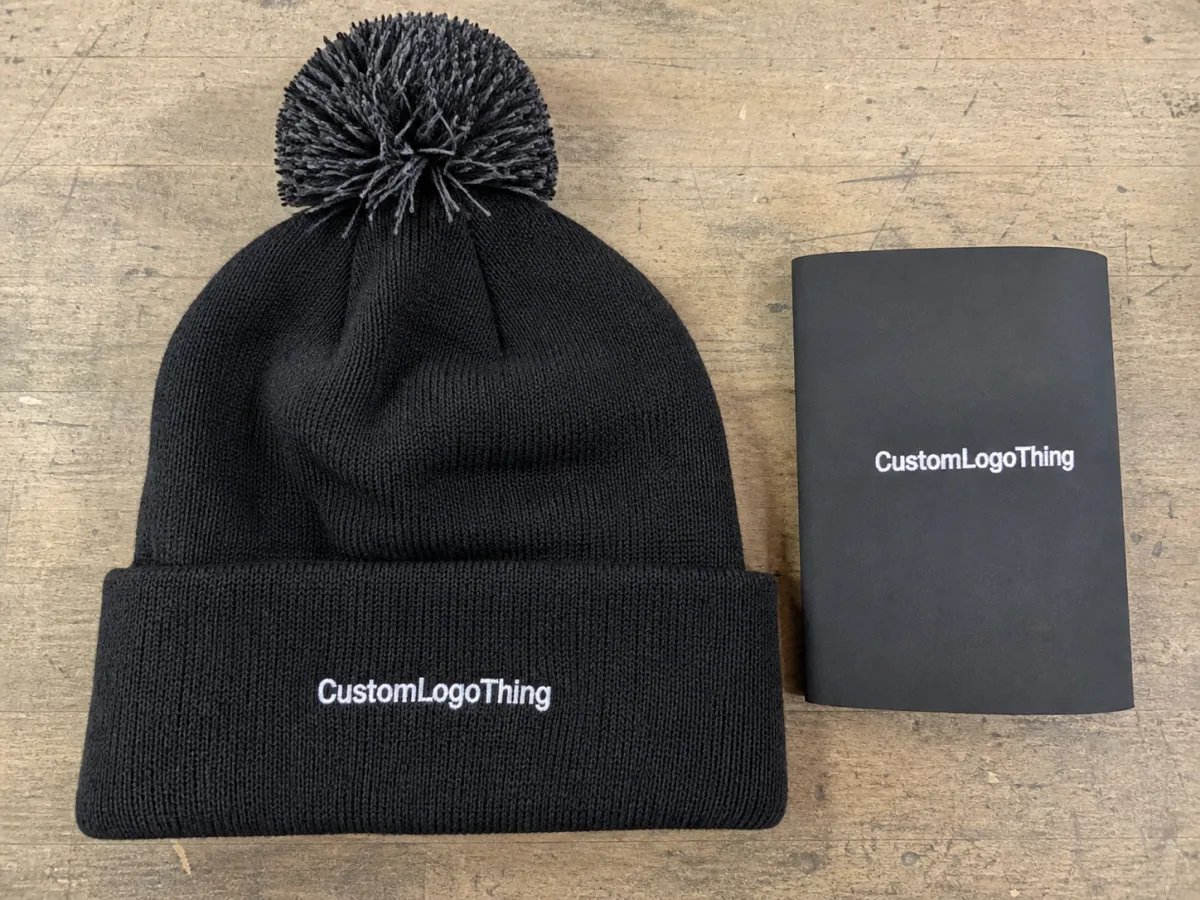
A pom pom beanie does not need to be expensive to look finished. A tighter knit, a balanced cuff, and a consistent pom can make the whole piece feel retail-ready faster than a basic stock cap. That is the part many bulk buyers miss. They focus on fiber content and ignore presentation value, which is usually what moves the needle in a gift set, winter merch table, or team retail program.
From a procurement angle, this style works because it fits a lot of use cases without looking generic. Gyms use it as cold-weather merch. Resorts use it as an add-on item. Schools and clubs use it for team gear. Brands use it in bundle programs because the pom gives the product visual lift without forcing a huge jump in cost.
The silhouette matters more than people admit. Small changes in crown shape or cuff height can make the beanie feel polished or awkward. A clean 2-color design with one well-sized pom usually beats a complicated build that tries to do too much and still lands flat. Cheap-looking product is rarely cheap because of one thing. It is usually a pile of slightly bad decisions.
The pom is rarely the expensive part. Custom yarn, oversized cuffs, special labeling, and extra setup are where the quote starts drifting.
That pattern shows up again and again in bulk orders. Buyers assume the visible feature is the cost driver because it stands out in a mockup. In practice, the cost lives in construction details, decoration method, and the minimums tied to custom color work.
For a fitness pom pom beanies Unit Cost Review, the right first question is simple: does the product need to look premium, or does it just need to be warm and branded? That answer shapes everything else.
Product Details That Change the Quote
Yarn choice changes the quote fast. Standard acrylic is usually the most budget-friendly route and gives you predictable hand feel, good warmth, and reliable color consistency. Acrylic-wool blends cost more, but they usually feel softer and drape better. Premium yarns improve the look again, though they also push the order into a higher cost band and may raise MOQ.
Pilling resistance matters too. A low-cost knit can look fine on arrival and start fuzzing after a short season of use. That is a bad trade for retail programs and a worse one for repeat buyers. Anyone trying to lower cost per piece should still ask for the yarn spec, not just the color name.
| Material / Build | Typical MOQ | Unit Cost Range | What You Get |
|---|---|---|---|
| Standard acrylic | 100-300 | $2.40-$4.20 | Good value, flexible color matching, straightforward bulk pricing |
| Acrylic-wool blend | 300-500 | $4.10-$6.80 | Better hand feel, warmer finish, stronger retail appeal |
| Premium yarn or custom knit | 500+ | $5.80-$9.00 | Higher shelf value, tighter production control, higher setup charges |
The pom itself has more options than buyers expect. A standard yarn pom is usually the lowest-cost choice. A dense oversized pom adds labor and material. A contrast pom can sharpen the look on shelf, but it also makes sourcing more complicated. Color-matched poms create a cleaner retail feel, though they often need a tighter production run to keep the colors aligned.
Knit gauge and stitch count also matter. A tighter knit uses more yarn and often takes longer on the machine. A taller crown needs more material. Stretch range affects fit. A snug, balanced beanie usually costs more than a loose one, but it sells better because it looks intentional instead of sloppy.
Decoration changes the price fast. Embroidery is still the default because it holds up and keeps the design sharp. Woven labels are useful for simple brand marks. Patches and leather-look badges can create a more premium feel, but they add tooling fees, extra setup, and more inspection points. If unit cost is the priority, do not stack decoration methods just because the mockup looks good.
Custom colors, heather effects, and mixed yarns can make the beanie look stronger on shelf. They also tend to raise MOQ. That tradeoff is normal. The mistake is acting surprised when a special yarn request increases both cost and lead time. It usually does, and the quote is not being dramatic.
Specs Buyers Should Lock Before Approving Artwork
Lock the yarn thickness, knit weight, and stretch range before approving artwork. If you do not, the logo can end up floating on the cuff or squeezed into a corner. Then everybody burns time fixing a problem that should have been caught at spec stage. That is preventable, which makes it extra annoying.
Logo placement needs to be measured, not guessed. Give the factory the exact cuff location, the target stitch count, and the maximum embroidery width. For most adult beanies, a clean embroidery hit often sits around 2.25-3.5 inches across the front cuff, but the actual number depends on cuff height and knit density. Bigger is not always better. Overly large embroidery can pull the knit and make the hat sit badly.
Pom color should be decided early. Match it to the hat body for a cleaner retail look. Use contrast if shelf visibility matters more. Leave it neutral if the style needs to work across several branded programs. That single choice affects sourcing, cost, and visual balance more than buyers expect.
Fit planning matters too. Adult, youth, and unisex fits are not interchangeable in production, even if the mockup makes them look close enough. A beanie with the wrong crown height feels off fast. One-size planning only works when the profile is tested against actual wear, not just a flat drawing.
Packaging instructions should be written before sampling starts. Folding method, polybag count, hang tag, barcode label, carton count, and carton dimensions all affect labor and freight. If the order needs retail-ready cartons, ask for a plan that can survive normal distribution handling. For shipping and carton performance guidance, the ISTA site is a useful reference point buyers can share with suppliers.
Packaging also changes the quote more than most people expect. A single hang tag sounds minor. Then someone adds a custom insert card, a retail fold, and individual bagging, and the labor stack starts moving. If the order needs printed cartons or display packaging, ask for those numbers separately instead of burying them in the hat price.
A clean fitness pom pom Beanies Unit Cost Review works best when the spec sheet is boring in the good way: clear, precise, and hard to misunderstand. That is how you keep the quote honest.
Unit Cost, MOQ, and Quote Breakpoints
Here is the practical range. For a straightforward acrylic pom beanie with one-color embroidery, buyers often see pricing around $3.80-$6.80 per piece at moderate volumes, depending on decoration size, yarn choice, and packaging. Blank or lightly branded stock-style versions can come in lower. Premium blends, custom-dyed yarns, and specialty poms can push the cost above that quickly.
The best way to compare quotes is to split them into product cost and setup cost. Otherwise the low quote can turn into the expensive order once the extra lines appear. A useful fitness Pom Pom Beanies unit cost review should always separate the base hat, decoration, sample cost, and freight.
| Order Type | Common MOQ | Base Unit Cost | Setup / Add-Ons | Best Fit |
|---|---|---|---|---|
| Stock color, blank | 100-200 | $2.10-$3.40 | Small sample fee, basic packing | Fast promo runs, giveaways |
| Decorated standard build | 300-500 | $3.80-$6.80 | Digitizing, label fees, packaging, freight | Retail bundles, team merch |
| Custom yarn / premium build | 500-1,000+ | $5.80-$9.00 | Tooling fees, custom dye work, higher sampling cost | Brand programs, higher sell-through targets |
MOQ is where many buyers get surprised. Stock-color runs often start lower because the factory can use what is already on hand. Custom yarn or custom dye lots usually need a higher minimum, and pricing gets better only after the next volume band. That is why asking for 150, 300, and 500-piece pricing in the same quote is smarter than asking for one number and hoping for the best.
Extra charges are where the quote grows quietly. Typical line items include digitizing, label tooling, sample fees, custom packaging, freight, and any duty or import handling. On smaller orders, those costs can matter as much as the base hat price. On larger orders, they matter less per unit, but they still need to be visible.
The breakpoint logic is simple. If ordering 100 or 200 more pieces drops the unit cost enough to improve total margin, the larger order may be the better buy. A lot of buyers chase the smallest order and then pay more per piece. That is not control. That is just making the spreadsheet look calm.
If you want tighter cost control, ask for three versions of the same quote: blank, decorated, and packed. Once the cost per piece is visible in each version, the decision gets easier fast.
Production Process and Lead Time From Sample to Ship
The production path is straightforward, but it is only fast when the approvals are clean. It usually runs like this: art proof, yarn selection, sample knitting, sample revision if needed, bulk production, quality control, packing, and final shipment. Each step is normal. Each step can also stall if the buyer keeps changing details.
Sample timing is usually several business days, not overnight magic. Simple setups move faster. Custom colors, special poms, or multiple decoration methods slow things down. Once the sample is approved, bulk production often takes roughly 12-20 business days for standard orders, and longer if yarn has to be sourced or the season is already busy.
Seasonality matters. Cold-weather programs do not wait politely. If you are buying for fall or winter retail, place the order earlier than you think you need to. That keeps pricing closer to standard and avoids the scramble that comes with peak demand. Late orders tend to cost more one way or another.
Most delays come from approvals, not machines. Color confirmation drags. Logo sign-off drags. Packaging decisions drag. Then someone sends a late email asking to change the cuff color after the sample is already moving. That is how a neat schedule turns into a mess.
One clean approval file solves most of that. Put the yarn color, pom color, logo artwork, logo size, placement, packaging spec, and carton count in one place. If the supplier has to interpret six messages from three different people, the chance of a mistake goes up. A buyer can avoid that by making the final spec sheet the only source of truth.
For carton protection and parcel handling, it helps to ask whether the supplier follows a distribution-test mindset aligned with packaging industry guidance. It does not need to become a science project. It just needs to keep the hats from arriving flattened, scuffed, or packed badly enough to annoy the receiving team.
And if the order includes retail hang tags or paper inserts, ask for paper stock options early. That is another place where the quote can wander if nobody pins down the materials before bulk starts.
How We Keep Repeat Orders Easy and Cost-Stable
Repeat orders are where a decent supplier proves its worth. If production notes, color references, and decoration files are stored properly, the reorder moves faster and avoids fresh setup charges every time the buyer comes back. That matters in winter programs, where timing is often tighter than the original forecast.
Clear pricing structure helps too. Buyers should be able to see the difference between blank, decorated, and packed versions without digging through a pile of half-explained quotes. Procurement teams do not need poetry. They need numbers they can compare.
Quality control matters more on knitwear than people admit. Stitching flaws, pom asymmetry, and crooked logo placement stand out immediately on a beanie because there is nowhere to hide. A low-cost sample that looks off-center can kill confidence in the entire run. One bad sample can cost more than the factory saved by rushing it.
Stable yarn sourcing also keeps the cost per piece from bouncing around between orders. If the supplier keeps changing materials, the buyer gets a different hat and a different price every time. That is a poor way to manage margin. Standard construction and stable yarn specs keep the order predictable, which is what a procurement team actually wants.
There is a common trap with upgrades. A buyer asks for a premium pom, a heavier knit, a stitched patch, and a custom box. Then product cost rises, freight gets heavier, and sell-through does not improve enough to justify the jump. A good supplier should say that out loud instead of pretending every upgrade is essential.
Honestly, that is the difference between a vendor and a partner. The partner tells you which feature helps sales and which one just eats margin.
Next Steps to Get a Clean Quote
Start with the basics: quantity, target delivery date, decoration method, color count, packaging needs, and whether the order is for retail, promo, or team use. The more vague the brief, the fuzzier the quote. That is not mysterious. It is what happens when people ask for pricing without defining the job.
Set your maximum landed cost before picking materials. The cheapest-looking beanie can still blow the budget once freight, setup charges, and packaging are added. If the margin only works at one price point, say that up front. It saves time for everybody.
Send a reference photo if you have one. If you do not, describe the audience and the style direction. A buyer asking for a fitness run will usually want a different balance than a retail buyer chasing a giftable winter item. Those choices affect the final quote more than a lot of people think.
Ask for sample pricing and bulk pricing in the same response. That gives you the real cost path from first approval to production. If the sample is cheap but the bulk price is high, you need to know before you get attached to the design. That is how budgets stay intact.
For repeat programs, keep the spec sheet, yarn references, logo files, and packing notes in one place. Then the next order does not start from zero. That is the cleanest way to keep the fitness pom pom beanies unit cost review accurate, keep the schedule sane, and keep the final quote aligned with what you actually want to sell.
What drives the unit cost of fitness pom pom beanies the most?
Yarn type, decoration method, and order volume usually move the price first. Custom colors and premium poms raise cost faster than a simple one-color embroidery hit. Freight and packaging can change landed cost more than buyers expect, so always ask for those separately.
What MOQ should I expect for custom pom pom beanies?
Stock-color runs often start lower, while custom yarn or custom dye work usually needs a higher minimum. A practical planning range is often 100 to 300 for simpler setups and 500 or more for custom builds. Larger orders usually unlock better bulk pricing.
How can I lower the cost without making the beanies look cheap?
Keep decoration to one clean embroidery location. Use a standard yarn pom instead of a specialty pom and limit the color count. Skip unnecessary packaging upgrades unless they help sell-through or are required for retail display.
How long does sampling usually take for pom pom beanies?
A practical sample window is usually several business days, not same-day. Revisions add time, especially if the logo size or yarn color changes. Approve one clean spec sheet and the schedule usually moves faster.
Are labels, poms, and packaging included in the quote?
Not always, so buyers should ask for a line-by-line breakdown. Base hat, decoration, packaging, and freight should be separated whenever possible. That makes it much easier to compare suppliers without hidden surprises, and it keeps the fitness pom pom beanies unit cost review honest from the start.

