A foam trucker hats wholesale supplier for Event Merch Buyers is selling more than a cap. The product has to be easy to read in a crowd, comfortable enough to wear for hours, and simple enough to approve quickly. That is why this style keeps showing up at concerts, campus activations, sponsor lounges, and trade show floors.
The appeal is practical. A foam front gives the logo a flat, visible field. Mesh keeps the cap lighter and more breathable. The perceived value is usually higher than the material cost suggests, which helps when the hat has to move fast through a merch table or a giveaway kit.
If your buying team already works from a spec sheet, keep it aligned with the details on the Wholesale Programs page so quantity, decoration method, and delivery timing stay consistent during quoting.
Why foam trucker hats work so well for event merch
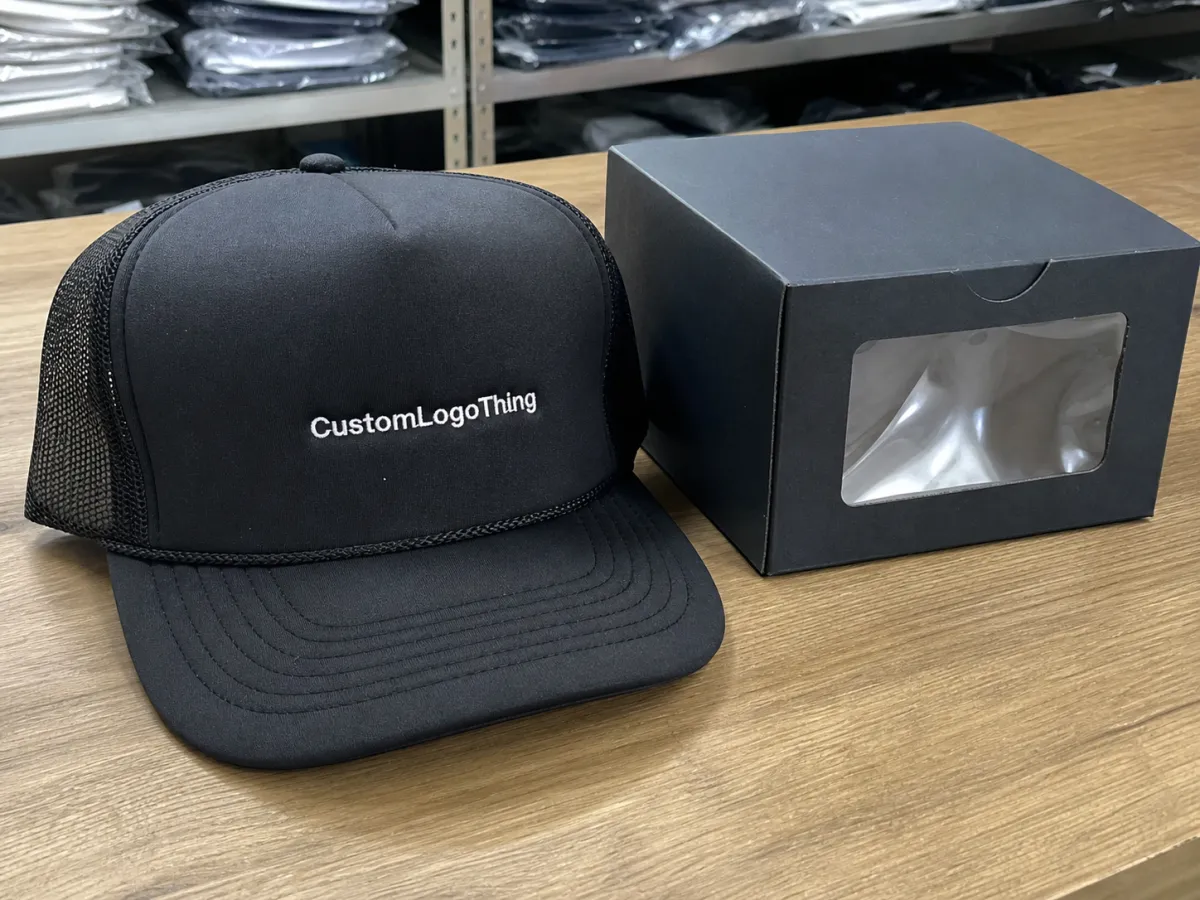
Event merch has one job before anything else: get noticed fast. People do not stop and inspect a hat. They glance, move, and keep going. A foam trucker hat is designed for that kind of use. The foam front gives you a broad imprint area, the mesh back keeps the cap lighter, and the structured crown helps it hold shape on a packed floor or outdoors.
The format also makes simple graphics look intentional. A one-color logo can read cleanly instead of feeling underdesigned, which is useful for sponsor giveaways, crew wear, and fan merch where recognition matters more than fashion complexity. In practice, the hat acts like wearable signage.
Budget is part of the reason this category keeps getting approved. Compared with many decorated apparel items, foam truckers often deliver strong visual impact at a manageable unit cost. That makes them useful in tiered merch plans where one item has to carry the brand message without consuming the whole budget.
Approval cycles are usually faster too. The shape is familiar, the print area is easy to visualize, and buyers do not need to untangle complicated construction details before signing off. A clean proof on a standard foam front typically settles decisions faster than a more variable garment.
The best use cases are the ones that need immediate recognition: staff on a crowded floor, fans in a dense arena, volunteers at a finish line, or sponsors in a photo-heavy environment. The hat is not trying to be subtle; it is trying to be legible.
Foam front construction, mesh back support, and decoration options
Most Foam Trucker Hats use a structured foam front, mesh back panels, and an adjustable rear closure. Many are five-panel crowns, though variations exist. That build matters because the foam face is the artwork surface, while the mesh manages heat and weight. The combination works well for long shifts and outdoor events.
Decoration has to match the material. Foam is not the same as cotton twill or performance fabric. It can take color well, but it is more sensitive to pressure, heat, and seam placement. Screen printing is often the cleanest fit for bold logos and limited color counts. Heat transfer can handle more detail, though adhesion and edge quality need to be tested. Patch decoration changes the look the most; woven, embroidered, and PVC patches can make the cap feel more premium, but they also add labor and cost.
Buyers sometimes assume a stiffer front always looks better in photos. Not always. A firmer crown holds shape well, but a slightly softer build can feel better in hot weather or at a casual activation. Tailgate merch, for example, can support a more relaxed finish than staff uniforms or sponsor caps.
Color choices matter more than many teams expect. A bright mesh back, contrast bill, or matching underbrim can change how the hat photographs and how bold it feels in person. That is why samples and accurate mockups matter. What looks balanced on a screen can feel louder or flatter once the cap is built.
Consistency is the hidden issue on repeat programs. If the hat is part of a larger rollout, the crown, mesh, thread, and bill colors should stay stable across cartons and reorders. Small variation is normal in imported headwear; large variation is a production problem. Ask how color drift is managed before approving a run that will be split across events or locations.
Specs to confirm before you request a wholesale quote
The fastest quote is the one built on a complete spec set. If you ask for foam trucker pricing without locking the hat shape, bill style, closure type, or imprint area, you are asking for estimates on top of guesses. That is how comparisons become meaningless. One buyer thinks curved bill, another thinks flat. One wants a centered logo, another wants a taller mark that crosses higher on the crown. Those are different products.
A Foam Trucker Hats Wholesale Supplier for event merch buyers should price against a defined build, not a vague description. The main specs to settle early are crown height, foam thickness, mesh color, bill shape, and closure style. Adjustable snapbacks remain the most common choice because they fit most head sizes and keep inventory simple, but the rear closure still affects both comfort and appearance.
Artwork placement needs exact measurements. A logo that looks centered in a digital proof can sit too low once it lands on a foam panel, especially if the crown seam pulls the eye away from the middle. Good proofing should show print size, not just a polished mockup. If the order must match sponsor colors or a brand book, ask for Pantone references or approved color targets before production begins.
- Hat style: five-panel foam trucker, curved bill, or flat bill
- Construction: foam thickness, mesh color, thread color, closure type
- Decoration: screen print, heat transfer, woven patch, embroidered patch, PVC patch
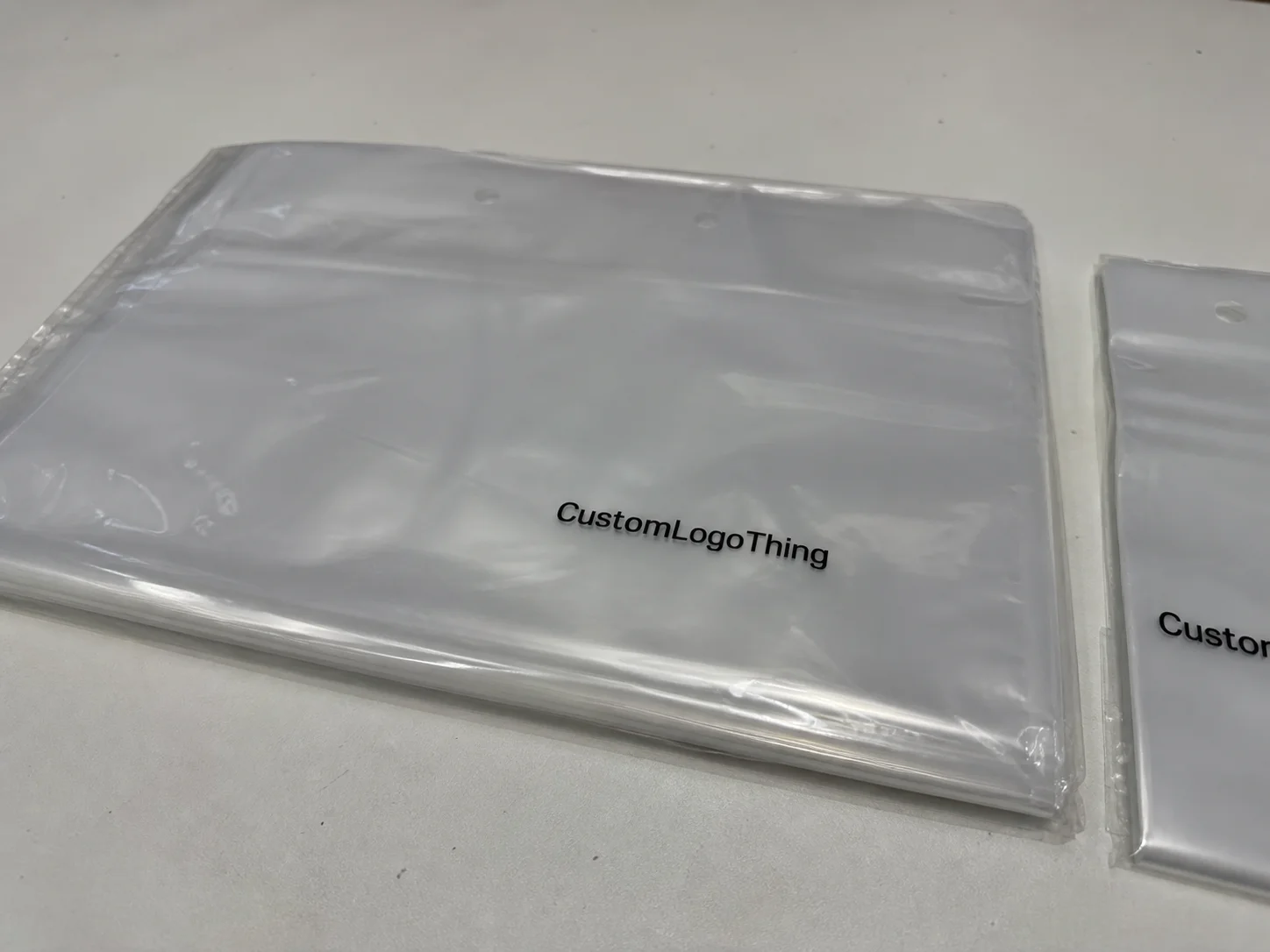
- Packout: bulk pack, individual polybag, barcode label, carton count
- Delivery: warehouse, venue, fulfillment center, or split shipment
If the hats are moving through a warehouse, staging area, or third-party fulfillment center, ask about carton labeling and transit protection early. Bulk headwear is bulky in a way flat goods are not, and a poor carton spec can create repacking work on arrival. For buyers who want a useful benchmark, transit guidance from the International Safe Transit Association is a practical reference point. If printed inserts or retail cartons are part of the order, ask about FSC-certified paper options as well; the Forest Stewardship Council remains a solid source for fiber sourcing standards.
Wholesale pricing, MOQ, and unit cost drivers
Pricing is shaped by more than quantity. Decoration method, color count, patch complexity, packaging, freight lane, and delivery timing all move the number. Buyers often compare the printed unit price and stop there. That is a mistake. Setup fees, proof revisions, labeling, and shipping can erase a small price advantage quickly.
The better question is not, “What is the cheapest quote?” It is, “What is the lowest landed cost for the spec I actually need?” A small run with a high setup burden can cost more per unit than a larger order with a simple one-color print. On the other hand, ordering too many hats creates dead stock. The right MOQ is the smallest run that still gives workable pricing and enough margin for demand.
| Order type | Typical MOQ | Approx. unit range | Best fit | Notes |
|---|---|---|---|---|
| Blank stock hat | 100-250 | $1.20-$2.25 | Fast giveaways, internal use | Lowest setup burden, weakest branding impact |
| One-color screen print | 144-500 | $2.10-$3.90 | Concerts, campus events, sponsor handouts | Best value for bold logos and simple art |
| Patch decoration | 144-500 | $3.40-$6.10 | Retail merch, premium activations | More dimensional, more labor, stronger shelf appeal |
| Custom packout | 500+ | $4.75-$8.50 | VIP kits, retail bundles, sponsor boxes | Includes bagging, inserts, labels, or carton prep |
Those ranges are directional. They move with freight, order size, the number of decoration steps, and how much handling the caps need before shipment. A simple one-color print on a stock foam front may look inexpensive until the order is split into two destinations or repacked individually. A patch order can look expensive on paper and still make sense if the merch is going into a higher-value kit.
Normalize every quote before comparing it. Match the same hat, same print method, same packaging, same delivery location, and same timeline. If one supplier is cheaper because the cap is blank while another includes decoration and bagging, the numbers are not comparable. The same warning applies when one quote assumes sea freight and another assumes domestic ground.
Production steps, turnaround, and shipping timeline
The production path is predictable if the order is prepared well. First comes artwork review, then the proof, then a sample or preproduction approval for more visible orders. After that, the supplier schedules the run, applies decoration, packs the caps, and ships them. Delays usually come from missing information, not from the process itself.
Low-resolution logos are a common problem. So are vague color references and late approval changes. If the event date is fixed, the schedule should be built backward from the delivery deadline, not forward from the day the quote is requested. A buyer who waits to decide whether the logo should shrink by half an inch is usually the buyer who ends up paying for rush handling.
Turnaround has three parts: stock availability, decoration lead time, and transit time. If the blank caps are already in warehouse and the decoration is simple, the order can move quickly. Once patch applications, color matching, retail packout, or split shipping enter the picture, the timeline stretches. Rush service is sometimes possible, but only if the product exists, the art is approved, and the production queue has room.
"A merch hat only works if someone can read it in three seconds."
That matters because event merch is usually seen in motion, under mixed lighting, and at odd angles. Fine detail, small type, and logos that sit too close to seams lose value fast. A proof should be judged from a distance, not only on a screen. If the mark cannot be understood from several feet away, the hat is doing half its job.
Shipping deserves the same attention as decoration. Bulk caps are light but bulky, which means carton size can matter more than weight on some routes. That is one reason a low unit price can disappear into freight and handling charges. Build time buffers for venue receiving windows, warehouse cutoffs, and address corrections from event teams that change plans after approval.
How to compare a supplier on proofing, stock, and consistency
Good sourcing is less about who replies first and more about who explains the order clearly. A dependable supplier should show where the artwork sits, how large it prints, which decoration method is being used, and what limitations the material creates. If those answers are vague, the production result will probably be vague too.
Proofing quality is a strong signal. A proper proof should make it obvious whether the logo clears the seams, whether the print fits the panel, and whether the color relationship between crown, mesh, and bill makes sense. Good proofing also exposes small problems early. A mark that sits too low or too wide is easy to fix in a digital proof and expensive to ignore in production.
Consistency matters because event merch rarely ships one piece at a time. It is handed out in volume. If one carton differs from the next, the variation becomes visible on the table or in photos. Ask whether stock colors are held from the same lot where possible, how reorders are handled, and whether the supplier can repeat a previous build without rebuilding the whole file tree from scratch.
Communication is another test. A strong supplier can translate technical details into plain recommendations: which decoration method suits the logo, whether a patch would overpower the crown, how much lead time the shipping lane really needs, and whether bulk or individual bagging makes more sense. Buyers do not need a lecture. They need decisions with context.
Use a simple filter: if the supplier can discuss stock, proofing, packout, and freight without making the buyer feel lost, the order is probably in good hands. If the price is low but the process is murky, the quote is not the real risk. The process is.
Next steps, samples, and release
Before final pricing, confirm quantity, decoration method, target delivery date, logo file format, color references, and shipping destination. If the order is high-visibility, ask for a sample or a proof that shows the actual imprint area at scale. On Foam Trucker Hats, small spacing issues are easier to catch before production than after hundreds of caps are boxed.
Once the spec is locked, avoid changing details unless they affect function. A one-inch shift in print size can alter the look, the setup, and the schedule. A switch from bulk pack to individual bagging can change carton count and labor. Small changes have a way of becoming expensive changes.
Tell the supplier how the caps will be used. Staff uniforms, retail merch, sponsor giveaways, and VIP kits all point toward different finish levels. That context helps a supplier recommend the right decoration method and packout style. It also reduces the chance of buying a cap that looks fine on paper but feels wrong on the floor.
For buyers comparing a foam trucker Hats Wholesale Supplier for event merch buyers, the real test is simple: can the supplier deliver a cap that reads quickly, arrives on time, and fits the event without forcing last-minute compromises? If the answer is yes, the order has likely been scoped correctly.
FAQ
What is the usual MOQ for foam trucker hats wholesale orders?
MOQ depends on stock availability, decoration method, and packaging. Blank caps usually start lower, while printed or patched orders need a larger run to absorb setup costs. The best benchmark is the smallest quantity that still keeps unit pricing reasonable for your event.
How long does production usually take for foam front trucker hats?
Turnaround is shaped by proof approval, decoration complexity, inventory status, and shipping distance. Simple stock-and-print orders can move quickly; patch work, custom packout, and split delivery take longer. Build in approval time before production starts.
Which decoration method works best on foam trucker hats for event merch?
Screen printing is usually the cleanest fit for bold, simple logos. Heat transfer can handle more detail, and patches are a stronger choice for a premium look. The right method depends on the artwork, budget, and how the hat will be used.
Can foam trucker hats be matched to brand colors?
Yes, but the result depends on the stock hat, the foam finish, and the decoration method. Pantone references or approved brand colors help reduce surprises. Exact color matching is easier when the order starts from a clear spec sheet.
What should event merch buyers send first to get an accurate quote?
Send quantity, deadline, logo file, color references, shipping zip code, and any packaging requirements. If the hats are part of a larger merch drop, include that context too. It helps the supplier price the order as a production job instead of a guess.