Tamper Evident Bags for Outdoor Brands: Unit Cost & Quotes
The cheapest quote is often the one that hides the most friction. For tamper evident Bags for Outdoor Brands unit cost, the closure style and print method usually move the number more than the film thickness itself, which is why two bids that look close on paper can land in very different places once production, freight, and rework risk are included.
Outdoor brands use these Bags for Retail returns, field kits, repair parts, rental gear, warranty swaps, and accessory bundles. The package has one job: if it is opened, that has to be obvious. No guessing. No argument at the counter. No follow-up email asking whether the item “might have been opened earlier.”
Buying teams should care about cost per piece, not the headline bag price. One rejected batch, one confusing return process, or one weak closure in the field can erase the savings from a lower unit quote. Suppliers that only talk about the bag itself tend to leave out the parts that actually affect landed cost.
Below is the practical version: which specs move price, where quality checks belong, and how to compare quotes without fooling yourself. If you are pricing Tamper Evident Bags for outdoor brands unit cost before approving a run, this is the material that matters.
Tamper evident bags for outdoor brands unit cost: what actually moves the number
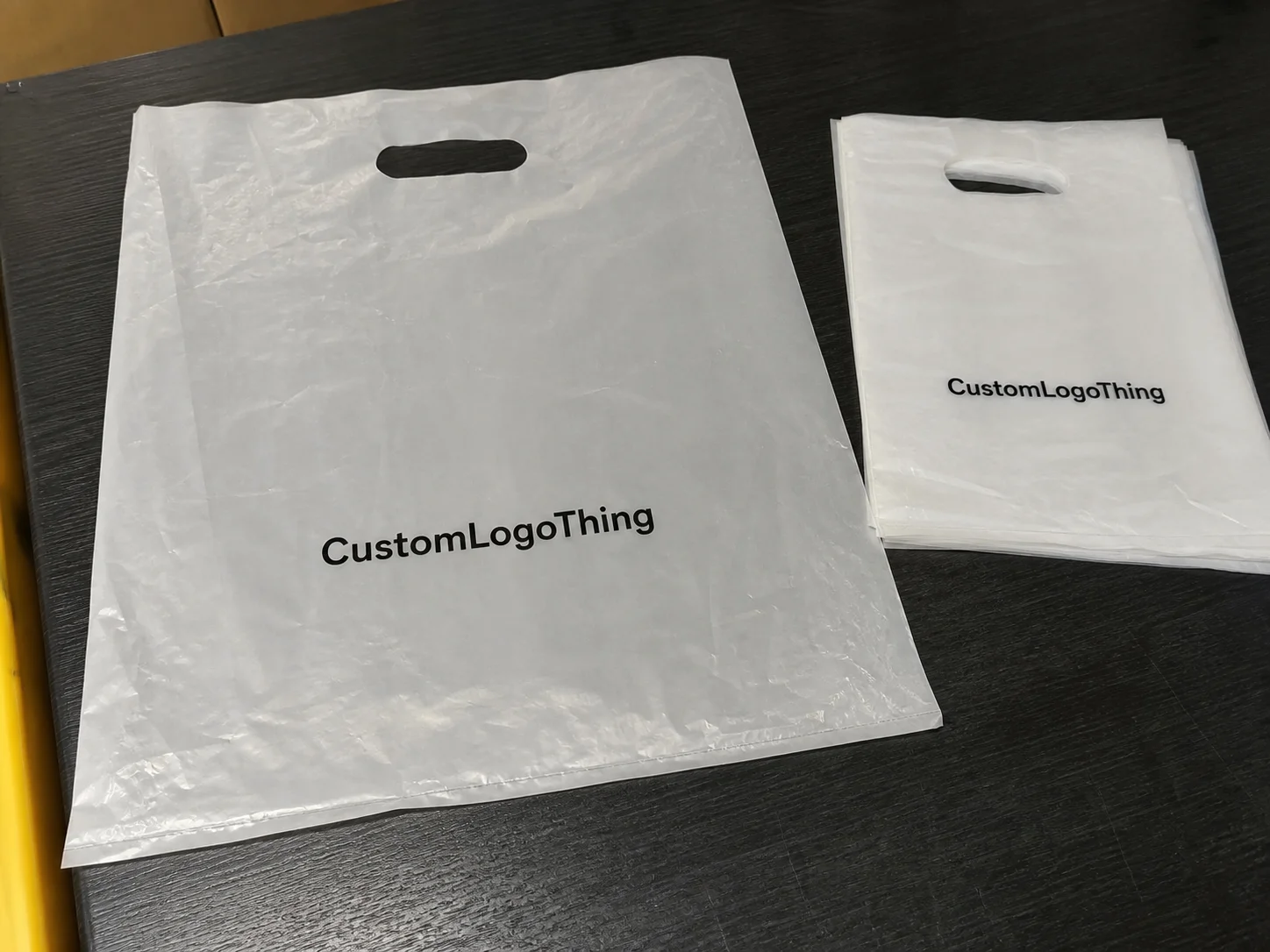
On small custom runs, the closure can change the unit cost more than the film. That catches buyers off guard the first time they compare quotes. A plain clear polyethylene bag with a one-time adhesive strip is one price. Add a tear strip, a break-away seal, printed warning text, or serialized numbering, and the cost can jump quickly.
That happens because the bag is no longer a simple container. It becomes packaging, security control, and process control all at once. For outdoor brands, that matters wherever staff, rental counters, warehouse teams, or customers need to verify that an item is unused, complete, or untouched since packing.
Common use cases include:
- Retail returns that need visible evidence of opening.
- Repair kits and spare parts shipped to field teams.
- Subscription or replenishment packs with mixed accessories.
- Rental or loaner equipment that must come back in a known state.
- Warranty replacements where serial tracking reduces disputes.
From a buyer’s point of view, the value is direct. Cleaner presentation. Lower tampering risk. Fewer arguments about condition at handoff. Better control in a warehouse, truck, kiosk, or trailhead locker. That is why tamper evident Bags for Outdoor Brands unit cost should be measured against the cost of a bad handoff, not against an ordinary poly bag.
“If the closure does not clearly show first opening, you are not buying tamper evidence. You are buying hope in a bag.”
One detail buyers miss: the first quote often includes setup charges, artwork fees, sample costs, or plate charges that make the opening order look expensive and the reorder look reasonable. That is normal. It also means you should compare landed cost, not just the unit number on the first line of the quote.
What makes a bag tamper evident, not just sealed
A sealed bag is not automatically tamper evident. That distinction matters. A basic zip bag closes. A tamper evident bag shows visible proof if someone opened it. The difference is usually in the closure design, not the film color or bag shape.
The common features are straightforward:
- Break-away seals that change visibly once opened.
- One-time adhesive closures that cannot be resealed cleanly.
- Tear strips that leave obvious damage after opening.
- Void messaging printed on the adhesive zone.
- Serial numbering for tracking and receiving control.
- Perforation or destructible elements that make reuse obvious.
That is different from tamper resistant. Tamper resistant means harder to open. Tamper evident means obvious if opened. For outdoor brands, you usually need evidence more than fortress-level resistance. A retail returns bag does not need to survive a sabotage test. It needs to create a clean, defensible handoff.
Clear bags remain the most practical option when product visibility matters. Staff can verify the item without opening the package. Customers can see what they are getting. The trick is keeping that visibility while making the opening state unmistakable. That balance is where the right specification earns its keep.
For programs that include transit abuse or repeated handling, it helps to anchor expectations against transport tests such as those published by ISTA. If your package also includes paper inserts or cartons, recycled-content or sourcing claims can be matched with FSC material where appropriate. Neither replaces a good closure spec, but both keep the broader packaging program disciplined.
Material, seal, and print specifications buyers should lock first
If you want a quote that means something, lock the Specs Before You ask for price. Otherwise you are comparing guesses. The main variables are film type, thickness, seal construction, closure style, and print coverage. Those five points drive most of the movement in Tamper Evident Bags for outdoor brands unit cost.
For lighter accessory packs, a clear polyethylene film in the 2.0 to 3.0 mil range is often enough. For heavier hardware, mixed kits, or anything getting tossed into trucks and bins, 3.0 to 4.0 mil is a safer range. Very light film looks inexpensive until it starts splitting at the seam. Very heavy film can be wasted cost if the contents are soft goods and the bag never sees rough handling.
Outdoor use adds realities that a standard quote can miss. Humidity can affect adhesive performance. Dust can interfere with closure consistency. UV exposure can degrade weak films over time. Cold storage can make brittle materials behave badly. If the bag will live in a warehouse, truck, trailhead kiosk, or rental locker, say so early.
Sizing matters too. Measure the product stack, not just the largest item. Leave room for the closure zone and a small handling margin. Oversized bags waste material, increase freight volume, and look sloppy on the shelf. Undersized bags create wrinkles, stressed seams, and rejected packs when someone tries to close them in a hurry.
Print should be functional, not decorative noise. One-color logos, sizing marks, barcode labels, QR codes, warning text, and custom numbering all have a use case. If the team does not need full-coverage print, do not pay for it. A clean one-color mark plus a functional closure is often the better tradeoff between branding and bulk pricing.
Before you approve the spec, ask for the small things that affect real-world use:
- Seal strength: enough to survive packing, but still show first-opening evidence.
- Print rub resistance: especially if bags are stacked, shipped, or handled repeatedly.
- Edge finish: rough trimming can catch on inserts, straps, or tools.
- Sample tolerance: confirm whether the production lot can vary slightly from the sample.
- Pack-out method: whether bags arrive flat, folded, or nested changes labor on your side.
That last point gets overlooked often. A slightly cheaper bag can cost more in receiving labor if it arrives in a format that slows pack-out. In packaging, convenience is a real cost item, even when it never appears on the quote.
Pricing, MOQ, and unit cost tradeoffs buyers need to see
Here is the part that matters to finance and procurement: the quote is never just the bag. It is the bag, the setup, the art, the sample path, the freight, and the risk of reorder friction later. If the supplier is honest, they will break out tooling fees, setup charges, and any print or numbering costs instead of burying them inside a vague total.
Typical MOQ expectations vary by build. Stock-based tamper bags can start lower, often 1,000 to 5,000 pieces. Fully custom sizes, custom print, and serialized closures usually start around 5,000 to 20,000 pieces depending on the construction. Higher volumes usually reduce the unit cost, but they also tie up cash in inventory. That is the tradeoff.
| Option | Typical MOQ | Typical unit cost at 5,000 pcs | Best fit |
|---|---|---|---|
| Stock clear tamper-evident bag | 1,000-5,000 | $0.08-$0.16 | Simple returns, accessory kits, quick programs |
| Stock bag with logo label or light print | 2,500-10,000 | $0.12-$0.24 | Retail presentation with basic branding |
| Custom size with print and numbering | 5,000-20,000 | $0.18-$0.42 | Warranty, tracking, field kits, controlled handoff |
| Heavy-duty closure with added security features | 10,000+ | $0.28-$0.60 | Rough handling, high-value contents, repeated distribution |
Those numbers are realistic ranges, not promises. A simple quote can land lower if the run is standard and the print is minimal. It can also go higher if the bag is oversized, the print coverage is heavy, or the closure requires a custom die or more complex assembly. The landed cost can shift again once freight and duty are added.
Use the same quote structure for every supplier. Same dimensions. Same closure. Same print spec. Same pack count. Same delivery terms. If one supplier quotes FOB and another quotes delivered, you are not comparing the same thing. That sounds obvious until someone in a meeting calls one quote cheaper and forgets freight, samples, and rework.
If you want a useful buying filter, ask for tiered pricing at three volume points. A realistic ladder might be 5,000, 10,000, and 25,000 pieces. That shows where the cost per piece drops enough to justify holding inventory. It also tells you whether the supplier has a real production structure or just a polished quote template.
There is another quiet cost item: failure rate. A slightly cheaper bag with poor closure consistency is not actually cheaper if you have to rework, relabel, or scrap a meaningful percentage of the lot. Good buyers ask what the acceptable defect rate is before they ask for a discount.
Process, timeline, and lead time from spec to shipment
A clean order starts with complete specs. First the buyer sends dimensions, closure type, print needs, quantity, ship-to location, and target delivery date. Then the supplier checks the artwork or dieline, confirms the closure construction, and sends a proof. Only after proof approval should production be scheduled. That order saves time and avoids the kind of correction that turns a small order into a long one.
Most delays happen for boring reasons. Wrong dimensions. Missing barcode data. Late sign-off. A brand team that wants to “just see one more revision.” Packaging moves on facts, not wishful thinking. If a quote is rushed because the spec is incomplete, the missing information usually comes back later as a delay or a surcharge.
For a standard custom run, a practical timeline after proof approval is often 12 to 15 business days for production, plus transit time. If the bag needs a custom closure structure, heavier print coverage, serialized numbering, or a sample round, plan more like 18 to 25 business days. Rush work can be done, but it usually adds cost and narrows your spec options.
Production is not magic. It runs through material prep, printing, sealing, inspection, packing, and carton labeling. A supplier should be able to explain where quality checks happen and what gets measured. You want consistency in closure strength, print alignment, seal integrity, and bag dimensions. Not a hand-wave and a cheerful email.
A practical QC checklist should cover the following before a full run is released:
- Dimensional check: bag width, length, and closure area match the approved spec.
- Seal inspection: closures open visibly and do not reseal without evidence.
- Print check: logo placement, barcode readability, and numbering sequence are correct.
- Handling test: sample bags survive packing, stacking, and basic transit handling.
- Lot control: cartons and inner packs are labeled so a bad batch can be isolated fast.
The buyer takeaway is simple: the shorter the lead time, the more likely you will see a rush charge or a spec compromise. If the project is tied to a seasonal launch or a retail reset, leave time for one proof cycle and one backup buffer. If not, you are paying to make your own schedule someone else’s emergency.
Why outdoor brands keep one bag spec across multiple product lines
Standardizing on one bag spec is one of the least glamorous ways to save money. It also works. One approved size and closure can cover apparel accessories, repair kits, first-aid items, replacement parts, and promo packs. That reduces SKU sprawl, simplifies receiving, and makes reorder conversations faster.
Seasonal drops make this even more useful. If every product line uses a different bag, procurement gets messy fast. Different closures. Different artwork. Different carton packs. Different approval cycles. Suddenly the packaging line item is taking more meeting time than the product it is supposed to protect.
There is also a quality-control benefit. Fewer SKUs mean fewer picking mistakes and fewer fulfillment errors. Reorders are cleaner because the team already knows the approved size, closure behavior, and print standard. That matters when volume spikes before peak season and nobody wants to rediscover packaging from scratch.
From a supplier standpoint, the best fit is not a generic reseller. It is a partner who can handle a low-volume test run and later support higher-volume replenishment without rewriting the spec every time. That is where the buying process becomes predictable instead of reactive.
That is also where tamper evident bags for outdoor brands unit cost becomes easier to manage. A repeatable spec reduces surprise charges. The bag that works for one line usually works for the next line with only minor size tweaks. Less chaos. Better control. More usable inventory.
Quote checklist for a faster fit check
If you want a quote that is actually useful, send the supplier five things: product dimensions, target quantity, closure type, print needs, and the required delivery window. Add the ship-to location too. A quote without delivery terms is not a quote. It is a placeholder with a logo on it.
Ask for a current sample, a photo of a similar bag, or even a competitor’s bag if you have one on hand. That helps the supplier match the real use case instead of guessing. It also exposes problems early, like a closure that looks secure but does not feel right in daily handling.
Request tiered pricing at multiple volumes. A serious supplier will show where the unit cost drops enough to justify larger inventory buys. If they only send one price and refuse to explain the setup, that is a signal. Not a good one.
Decide early whether you need branding, numbering, or just a functional tamper-evident closure. That one decision can change the whole quote structure. A clean functional bag is cheaper. A branded, serialized bag is more useful for control. Pick the one that matches the actual job instead of buying extra features because they sound neat in a meeting.
For brands comparing tamper evident bags for outdoor brands unit cost across suppliers, the cleanest approach is still the simplest: put every quote on the same spec sheet, include freight, and compare the landed number, not the teaser price. That is the practical way to buy. It is not glamorous, but it keeps the decision honest.
FAQ
What affects tamper evident bag unit cost for outdoor brands?
Size, thickness, closure style, and print coverage are the main drivers. Setup, tooling, freight, and sample revisions can move the landed cost more than the bag itself. If two quotes do not share the same spec, the lower number is mostly noise.
What MOQ should I expect for custom tamper evident bags?
Custom runs often start at a few thousand pieces, but the exact MOQ depends on the material and print method. Higher quantities usually reduce unit cost, so it is worth asking for price breaks at three tiers instead of taking one price and stopping there.
Which material works best for outdoor retail and field use?
Clear polyethylene is common when product visibility matters and the bag needs basic durability. If the bags will see moisture, dust, or rough handling, specify a stronger film and a closure that stays reliable in transit. Cheap film gets expensive when it fails early.
How long does production usually take after proof approval?
Standard custom production usually needs time for scheduling, printing, QC, and packing after the final proof is signed off. A practical range is often 12 to 15 business days for simpler runs, with longer windows for custom closures or serialization. Rush timelines exist, but they usually add cost.
Can I get samples before placing a full order?
Yes, and you should ask for them if the bag will hold higher-value gear or returned merchandise. A sample helps confirm size, closure strength, print clarity, and whether the tamper evidence is obvious enough for staff and customers. That one check can prevent a very annoying reorder.


