Why frosted zipper bags make coffee look premium without wasting budget
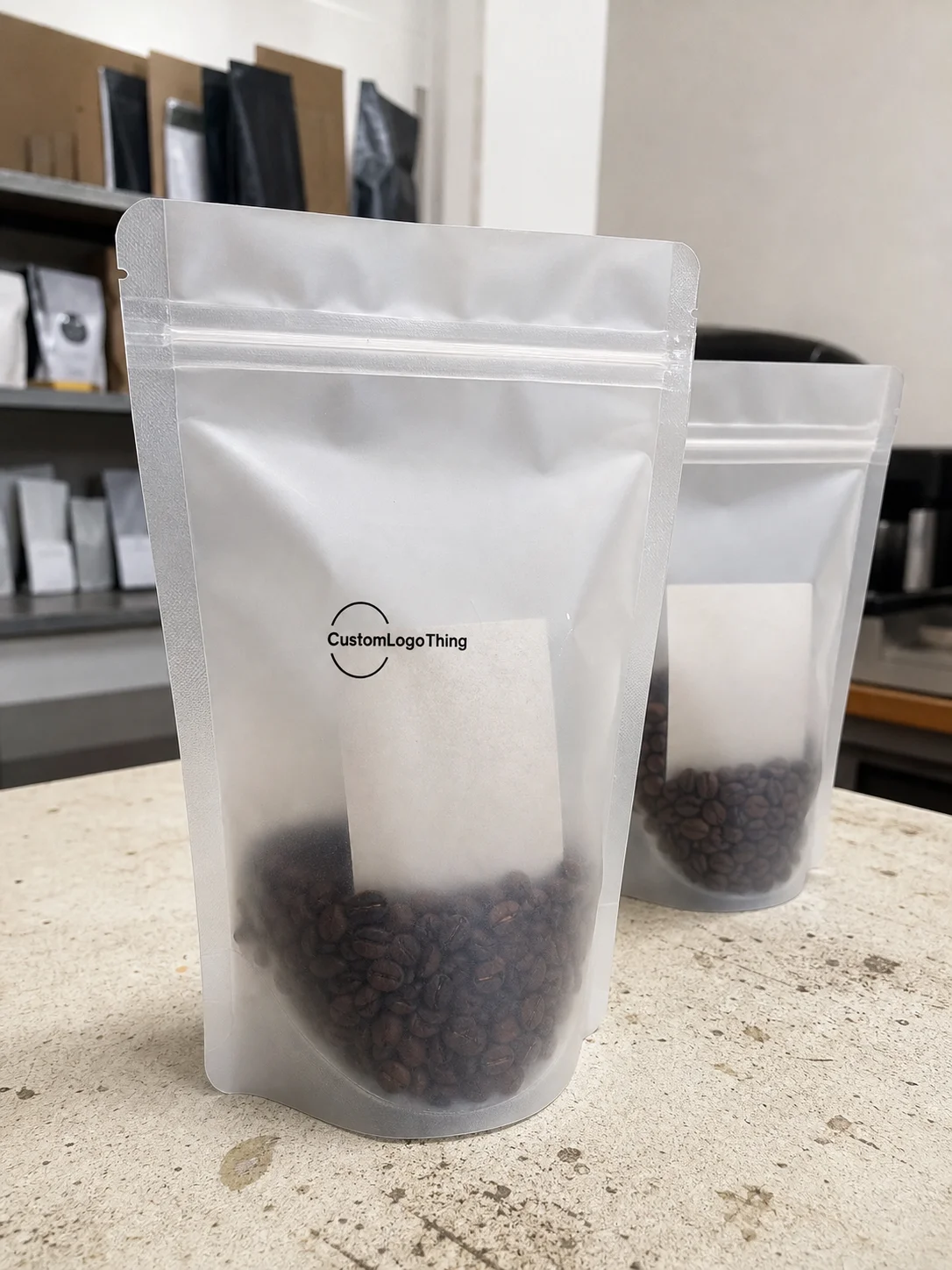
If you are comparing Frosted Zipper Bags unit cost for coffee, you are probably trying to do two things at once: make the product look better and keep packaging spend under control. That is a sensible place to start, because coffee packaging can drain margin quickly if the spec drifts upward without a clear commercial reason.
Frosted Zipper Bags sit in a useful middle ground. They look more refined than plain clear pouches, yet they do not depend on heavy print coverage or expensive decorative finishes to feel premium. The frosted surface softens the view of the coffee inside, reduces the harsh shine that can make low-cost packaging look cheap, and gives the bag a cleaner shelf presence.
That matters because coffee is often judged in a few seconds. In retail, the bag has to signal freshness, care, and product quality before anyone reads the tasting notes. A neat frosted finish, a zipper that closes cleanly, and a label or print layout with enough white space can do most of that work without pushing the unit cost into awkward territory.
The real goal is not the lowest possible number and not the fanciest spec. It is the bag that protects aroma, holds up in filling and transit, and fits the margin you actually have. A package that looks polished but leaks, splits at the seal, or loses closure performance is just a future complaint with a nicer exterior.
For coffee brands, Frosted Zipper Bags are especially common in retail bean packs, ground coffee, sampler formats, subscription refills, and limited runs where the product needs a stronger visual identity without committing to a complex printed structure. That flexibility is part of the value. The buyer gets a better presentation layer without paying for features that the product does not need.
Frosted zipper bag product details coffee buyers should verify first
Before asking for pricing, it helps to define the bag correctly. A frosted zipper bag is usually a laminated pouch with a frosted outer appearance, a resealable zipper, and either a stand-up bottom gusset or a flat format depending on the use case. Some versions include a tear notch for first opening, and some coffee bags include a one-way degassing valve for freshly roasted beans.
Those small details change the quote more than many first-time buyers expect. A zipper is not just a convenience feature; it affects material use, sealing steps, and the feel of the package in the customer’s hand. A valve adds both a component and assembly work. A gusset changes the way the bag fills and sits on shelf. Even a rounded corner or hang hole can shift tooling and finishing costs.
For coffee, barrier performance matters more than the visual description on the listing. Beans and grounds are sensitive to oxygen, moisture, odor transfer, and rough handling. If the film structure is too weak, aroma fades faster than it should. If the zipper does not close securely, customers notice immediately. And if the seal area is inconsistent, the best-looking bag in the warehouse becomes a liability.
Material choice usually comes down to a balance between appearance, stiffness, puncture resistance, and seal performance. PET/PE is a common combination because PET gives the outer layer a clean, stable surface and PE supports heat sealing. PA/PE is used when puncture resistance and toughness matter more, especially for heavier fills or more demanding shipping conditions. Some higher-barrier structures use additional layers, which improves protection but also raises cost.
Decoration deserves just as much attention. Frosted surfaces soften contrast, so artwork that looks crisp on a white proof may read differently on the actual bag. Fine text, narrow linework, and very dark artwork can lose definition if the print method is not matched to the substrate. Labels are a flexible option for short runs, while printed bags usually look more integrated and can be more efficient at scale. The tradeoff is setup cost and minimum order quantity.
Packaging buyer’s reality: the zipper is not a decorative detail. If it fails, the customer notices immediately, and your “premium” bag turns into a service problem.
Here is a practical way to think about common frosted formats:
- Full frosted finish: strongest shelf presence, usually more expensive than a plain clear pouch.
- Semi-frosted finish: allows more product visibility and can be a good middle ground for cost and presentation.
- Matte-style frosted effect: softer visual branding, often suited to minimal layouts and modern packaging systems.
Key specifications that affect coffee bag performance and price
The quote is rarely driven by one factor. It is the result of several decisions working together: dimensions, thickness, material structure, zipper style, valve option, finish, and print coverage. If you ask for “a frosted coffee bag” without those details, you will get a vague price that is hard to compare and even harder to trust.
Start with fill weight. A 4 oz sampler pouch, an 8 oz retail bag, and a 1 lb coffee pouch each create different material demands and different handling requirements. Smaller bags use less film, but custom decoration or specialty hardware can keep the unit cost from dropping as much as expected. Larger bags consume more material and often need stronger seals, so price moves up there as well.
The bag structure matters because it affects both feel and function. PET/PE is often used for retail coffee because it offers a stable print surface and dependable sealing. PA/PE can improve puncture resistance, which is useful for heavier bags or longer transit routes. Multi-layer laminated structures with higher barrier properties generally cost more, but they can better protect freshness and reduce the risk of package failure during storage.
Before requesting final pricing, it helps to lock down these points:
- Bag dimensions: width, gusset, and height.
- Material structure: PET/PE, PA/PE, or another laminated film.
- Thickness: often expressed in microns or mils, depending on the supplier.
- Zipper type: standard reseal, press-to-close, or a specialized closure if required.
- Valve option: yes or no, plus placement if you need it.
- Finish: full frosted, semi-frosted, or printed decoration over the frosted base.
- Accessories: tear notch, hang hole, rounded corners, or a window cutout.
Food-contact compliance also belongs in the conversation. Coffee is not as sensitive as wet foods, but it still picks up odor, contamination, and poor packaging quality quickly. Ask for material declarations, confirm whether the construction is suitable for food use, and make sure the supplier can explain the film layers in plain language. If the answer is vague, the bag spec is probably not fully under control.
For whole bean coffee, the valve location and seal geometry are worth checking carefully. A one-way degassing valve only works as intended if the surrounding structure is sound and the adhesive or weld area is secure. If the valve sits too close to a seal or folds into a gusset in the wrong way, the bag may look correct but perform poorly after filling. That kind of issue is easier to catch in sample review than in a finished shipment.
Frosted zipper bags unit cost for coffee: pricing, MOQ, and what changes the quote
Now to the part most buyers care about: Frosted Zipper Bags unit cost for coffee. The short version is that unit cost usually falls as quantity rises, but the curve is not smooth. Setup, tooling, print method, freight, and proofing can make a quote look attractive on paper and less attractive once the real landed cost is calculated.
For stock-style frosted bags, entry quantities can be relatively low because the base pouch already exists in a standard production format. For semi-custom runs, a supplier may apply a label or simpler decoration to a stock body, which keeps setup lower while still improving brand presentation. Fully custom printed bags usually require a higher MOQ because the print job, prepress work, and production scheduling are dedicated to that design.
Broad market ranges, not promises, are often the best way to frame early budgeting because the final number depends on the exact spec:
| Order type | Typical MOQ | Approx. cost per piece | Best for |
|---|---|---|---|
| Stock frosted zipper bag | 500-2,000 pcs | $0.12-$0.28 | Testing, small launches, refill packs |
| Semi-custom with label | 1,000-3,000 pcs | $0.18-$0.40 | Brands wanting lower setup charges |
| Fully custom printed bag | 5,000-20,000 pcs | $0.22-$0.55+ | Retail coffee brands, subscription programs |
These numbers move with size and complexity. A small 8 oz pouch with simple one-color printing can sit near the lower end. A 1 lb bag with a valve, heavy print coverage, a thicker laminate, and a better zipper can move quickly into a higher bracket. Freight can change the picture again, especially if the order is too small to absorb shipping efficiently.
The main cost drivers are usually straightforward:
- Bag size: more film means more material cost.
- Print coverage: more colors and more coverage increase setup and production cost.
- Valve add-on: useful for fresh roast coffee, but it adds component and assembly cost.
- Zipper style: standard zippers are usually less expensive than upgraded closure systems.
- Thickness and barrier: stronger laminations generally cost more.
- Order quantity: larger runs reduce unit cost, though savings taper after a point.
If a supplier gives you a price without confirming dimensions, film structure, print method, zipper type, and whether a valve is included, the quote is not ready for comparison. Ask for the exact material stack, the stated thickness, and whether sample approval or artwork proofing is part of the price. That is the only way to compare one offer against another without mixing different specs and calling it a market check.
For budgeting, the practical rule is simple: stock bags are best for testing or short-run promotions; mid-range semi-custom options work well for most retail coffee brands; and premium custom structures make sense only when shelf presence, higher retail pricing, or export requirements justify the extra spend. The expensive mistake is not paying for quality. It is paying for features that never support the product or the margin.
Process and lead time: from spec approval to delivered coffee bags
Packaging delays usually come from incomplete information. Sometimes it is a supplier-side issue, but more often the order is missing a detail that should have been settled earlier. A clean production flow starts with confirming size and structure, then reviewing artwork, approving a sample or proof, running the order, checking quality, and shipping the finished bags.
Stock-like frosted bags can move quickly because the pouch already exists in inventory or in a standard production format. Custom printed orders take longer because the prepress work, proof checks, and manufacturing schedule all need to line up. A simple run may be ready in roughly 12-15 business days after proof approval, though larger, more complex, or heavily customized orders can take longer. Shipping time sits on top of that.
Delays tend to appear in the same places:
- Artwork files arrive incomplete, incorrectly sized, or too low in resolution.
- The buyer changes dimensions, finish, or zipper style after the quote is already approved.
- Sample feedback comes late, which pushes the production slot back.
- Freight terms are not settled early enough, so the shipment waits for a decision.
That is why planning ahead matters. Coffee launches rarely pause for packaging. Roasting schedules are set, sales calendars are fixed, and retail or distributor deadlines do not shift because a bag proof was delayed. The most efficient way to keep the project on track is to work backward from the delivery date and leave enough room for proofing, production, and transit.
Freight deserves special attention because it can change landed cost more than the packaging price itself. Air shipping is faster, but it can quickly erase any advantage from a lower piece price. Sea freight is usually better for cost control, but it needs more lead time and more patience. If the bags are crossing borders, customs clearance, destination rules, and paperwork accuracy should be built into the schedule before production starts.
How to choose a supplier for coffee packaging without paying for mistakes
A good supplier saves money in places that are easy to overlook on the first quote. Fewer defects. Cleaner prepress. Better material consistency. Less reordering. Less time spent chasing corrections. That is where the real savings sit. The lowest quote is rarely the lowest total cost.
Factory-direct sourcing usually gives better control over the spec and the final unit cost, especially if you already know what you need and can describe it clearly. A broker can help if you need coordination across multiple packaging items or if you want support managing communication. Still, a lower quote without clear detail is not a better deal. If the supplier cannot state the film layers, thickness, print method, zipper type, and finish with confidence, treat the price cautiously.
For coffee packaging, these checks are worth requesting before approval:
- Material spec sheet: verify film layers, thickness, and food-contact suitability.
- Sample or proof: check frosted appearance, zipper feel, and print clarity.
- Seal strength review: the bag should hold up during filling and transit.
- Zipper testing: reseal performance affects customer satisfaction quickly.
- Odor check: coffee can absorb packaging smell if the materials are poor.
- Print alignment: bad registration makes a clean brand look careless.
If sustainability claims are part of your packaging story, ask for actual documentation rather than vague language. Some brands want FSC-certified paper components for secondary packaging, while others need clarity on shipping cartons and transit testing. For general packaging and materials context, PMMI is a useful industry reference, and ISTA offers well-known guidance on packaging test methods. If your secondary materials need chain-of-custody support, FSC is the place to verify documentation standards.
Packaging complaints are expensive because the damage spreads beyond the bag itself. A failed zipper or poor seal can lead to product loss, refunds, and brand damage that is much harder to measure than the packaging invoice. That is why supplier reliability is not just a procurement preference; it is part of the product’s commercial risk.
Next steps to lock in the right coffee bag spec and quote
If you want an accurate price for Frosted Zipper Bags Unit Cost for coffee, send the right information the first time. The essentials are simple: target fill weight, bag dimensions, artwork files, estimated annual volume, required delivery date, and whether you need a valve. If the finish matters more than anything else, say that clearly too. Vague requests create vague prices, and vague prices are rarely useful.
Compare only spec-matched quotes. That means the same bag size, the same material structure, the same zipper type, the same print coverage, and the same valve requirement if one is included. Otherwise the comparison is not really a comparison at all; it is a pile of numbers with different assumptions hidden inside them.
If the frosted look, zipper feel, or print sharpness matters to your brand, request a sample or proof before production. That step is worth the time because it catches issues that are easy to miss in a PDF and expensive to fix after a full run. A sample is not just a preview of appearance. It is a check on function, sealing, and how the package behaves once it is filled.
Before approving the order, confirm these points:
- MOQ and whether it applies per size or per artwork.
- Lead time after proof approval.
- Payment terms and deposit requirements.
- Freight method and who handles customs paperwork.
- Approval steps for artwork, sample, and final production.
The best choice is usually the bag that protects aroma, looks clean on shelf, and keeps the unit cost inside your target margin. Not the cheapest. Not the most elaborate. The one that fits the coffee and the business around it.
What drives frosted zipper bags unit cost for coffee the most?
Bag size, material structure, print coverage, zipper type, valve add-ons, and order quantity are the biggest cost drivers. Custom printed bags cost more than stock-style bags because setup and proofing add expense. If you want a meaningful comparison, ask each supplier for the same dimensions, the same thickness, and the same print coverage.
What MOQ should coffee brands expect for frosted zipper bags?
Stock or semi-custom options can start at lower quantities, while fully custom printed coffee bags usually require a higher MOQ. The exact minimum depends on bag size, structure, and whether a valve or special finish is included. For a small launch, stock bags or a label-based approach can keep cash flow under better control.
Do frosted zipper bags work for whole bean coffee with degassing valves?
Yes, frosted zipper bags can be made with one-way valves for whole bean coffee. For fresh roast output, confirm valve placement, seal strength, and barrier performance before placing the order. Whole bean coffee is less forgiving than it first appears, so sample testing is a smart step.
How long does production usually take for custom coffee zipper bags?
Timing depends on artwork approval, sample sign-off, production capacity, and shipping method. Custom orders usually take longer than stock items, so plan ahead before your launch or roast schedule is fixed. If the delivery date matters, work backward from that date rather than from the day you send the first inquiry.
Can I get a sample before ordering frosted zipper bags for coffee?
Yes. Ask for a sample or proof to check finish, zipper feel, print clarity, and fit with your fill weight. It is the safest way to avoid costly mistakes, especially when aroma retention and seal quality matter. It also gives you a much better read on whether the bag actually presents the brand the way you expect.


