Frosted Zipper Poly Bags for nonprofit campaigns moq planning is a practical sourcing problem. The bag affects presentation, handling, unit cost, and whether kits arrive ready for volunteers to pack without last-minute improvisation.
A clean frosted bag can make donor kits, sponsor inserts, thank-you notes, and small premiums look organized instead of rushed. That matters because presentation signals care. If the campaign asks for support, the packet should look finished.
The best planning order is straightforward: identify the contents, confirm how the packet will be handled, then choose quantity. After that come size, thickness, zipper style, and print. Reversing that order is how teams end up with a pretty mockup that does not fit the actual kit.
Why frosted zipper bags work for donor kits, welcome packs, and event mailers
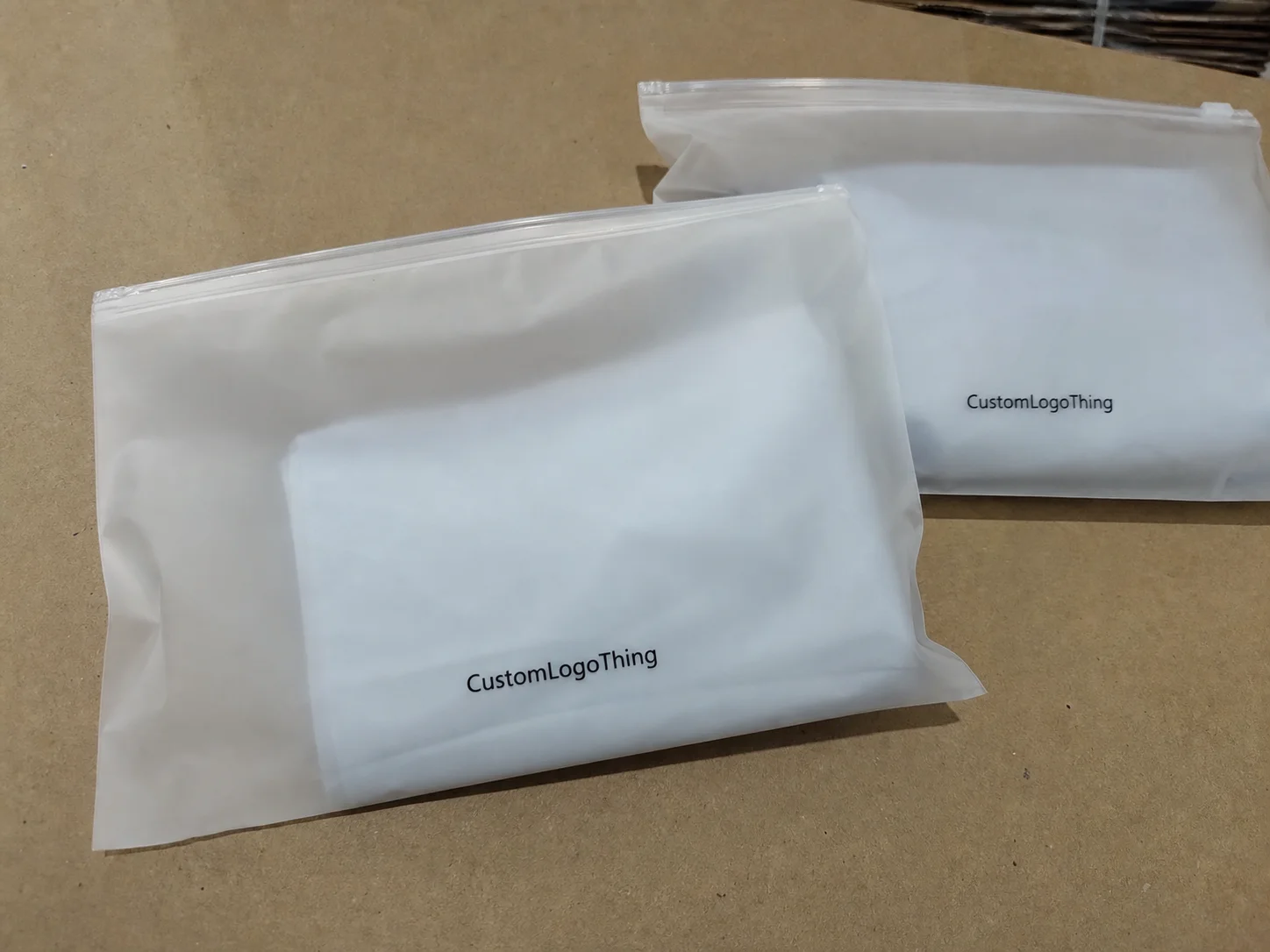
Nonprofit packaging has to look neat, protect what is inside, and stay within budget. Frosted Zipper Poly Bags do that well for donor kits, awareness mailers, volunteer packs, membership drives, and gift-with-donation programs.
Clear poly works when visibility is the goal, but it shows every fold and label. Frosted film softens the view enough to make the contents feel intentional while still showing that the packet is full.
The zipper turns the bag into a reusable packet rather than a sleeve. A press-to-close closure keeps inserts together during assembly, transit, and repeated handling. That is useful for volunteer onboarding kits, sponsor materials, and membership packets that may be opened more than once.
Reusable packaging also helps the campaign stay visible after the event. If the recipient keeps using the bag, the brand stays in circulation instead of disappearing with the rest of the event trash.
Common uses include:
- Fundraising kits and pledge packets
- Volunteer onboarding materials
- Awareness campaign handouts
- Membership drive mailers
- Gift-with-donation programs
- Conference or gala welcome packs
The right structure depends on what goes inside. A flat stack of brochures behaves differently from a kit with apparel, a card, and a small premium. That changes dimensions, gusset depth, and sometimes zipper style. The most efficient frosted zipper Poly Bags for Nonprofit Campaigns moq planning usually starts with the contents table, not the design file.
“The right bag makes the kit feel finished. The wrong one makes everyone fight the zipper at the last minute.”
Material, finish, and zipper options that affect presentation
Most frosted zipper bags are made from LDPE or a similar low-density poly film. The material is flexible enough for easy packing and still holds shape well enough to keep contents neat. The frosted finish diffuses light and gives the bag a softer appearance that works well for fundraising pieces.
Film thickness is where performance and price begin to separate. A slim literature packet can often use a lighter gauge, while a donor kit or folded apparel usually needs heavier film to reduce seam stress. Common planning ranges are about 2 mil to 4 mil for presentation packaging. Thinner material lowers cost. Thicker material adds durability.
Zipper style matters more than many buyers expect. A standard press-to-close zipper works for most nonprofit uses. A double-track zipper gives a tighter closure and a slightly more premium feel, though it usually adds cost. If the bag will hang on display hooks or rack systems, a hang hole or euro slot can be added.
Size and shape should follow the kit, not the logo. Flat formats are efficient for letters, cards, and brochures. Gusseted bags fit thicker bundles, apparel, or mixed kits better. If the bag is too tight, the zipper gets stressed. If it is too large, the contents shift and the packet looks unfinished.
Print choices are usually simple. Many nonprofit orders work best with a one-color logo, a short campaign line, or a clean identification mark. That keeps setup charges lower and avoids unnecessary complexity. Simple art also reads more clearly through frosted film.
Before comparing suppliers, it helps to look at related formats. Custom Poly Mailers are a stronger choice for shipping flat content through the mail, while zipper bags work better when the recipient will open, reuse, and keep the contents organized. For teams reviewing more than one format, Custom Packaging Products is a useful starting point for comparison.
Quality checks should be practical. Does the zipper align? Does the seal hold? Does the print stay legible through frosted film? Does the bag protect the contents from dust and handling? If any answer is weak, the packaging is not doing its job.
For broader sourcing questions, nonprofit teams may also want outside references. EPA plastics recycling resources at epa.gov can help frame internal sustainability discussions, and fsc.org is useful when printed inserts or other paper components need certified sourcing.
Specifications buyers should confirm before requesting a quote
Before asking for pricing, lock the core specs. Otherwise quotes come back difficult to compare and often miss details that later become extra charges. The essentials are width, length, gusset depth, thickness, zipper type, print area, and packing count per carton.
For donor kits, the key measurement is the thickest stacked bundle, not the largest flat piece. A packet that fits on paper may fail once a card, lanyard, premium item, or folded shirt is added. Too little room creates zipper stress and bulging. Too much room leaves the contents sliding around.
Print contrast also deserves attention on frosted film. Artwork that looks strong on a monitor can soften once printed on translucent material. Thin lines, small text, and pale colors are the first things to disappear, so proofs should be checked against the actual film finish whenever possible.
Here is the spec checklist that saves the most time during quoting:
- Finished width and length
- Gusset depth, if needed
- Film thickness or gauge target
- Standard zipper or double-track zipper
- Artwork size and ink colors
- Carton pack quantity
- Any hang hole, euro slot, or special feature
If the bags will be handled by volunteers, shipped in bulk, or reused several times, ask about zipper performance and sealing tolerances. Those details affect how the bag behaves after repeated opening and closing.
Samples and proofs are worth the time. A dieline catches layout problems before production starts. A proof catches spelling errors, misaligned logos, small type, and artwork that looked fine until it was placed on an actual bag shape. Fixing it after approval is expensive because the run has already been scheduled.
| Option | Typical use | Cost impact | Best for |
|---|---|---|---|
| Standard frosted zipper bag | Literature, cards, slim kits | Lowest | Budget-sensitive campaigns |
| Heavier gauge with single-color print | Reusable donor kits, welcome packs | Moderate | Better feel and durability |
| Gusseted bag with double-track zipper | Apparel, layered kits, premium packs | Higher | Thicker contents and stronger closure |
Pricing and MOQ planning for nonprofit order volumes
Pricing for Frosted Zipper Poly Bags for nonprofit campaigns moq planning comes down to size, thickness, print coverage, zipper style, carton count, and any special handling. In flexible packaging, unit cost drops as volume rises because setup costs are spread across more pieces. That is why MOQ matters.
MOQ is not just an obstacle. It is the point where the line runs efficiently enough to price the order responsibly. Smaller runs are still possible, but the unit price usually climbs because labor, color setup, proofing, and machine changeover do not shrink much. For nonprofits, the lowest unit quote is not always the lowest total spend once setup and freight are included.
For rough budgeting, custom frosted zipper bags often land in these ranges:
- $0.18 to $0.30 per unit for larger simple runs with limited print
- $0.30 to $0.50 per unit for moderate quantities or heavier gauge bags
- $0.50 and up per unit for small runs, multiple colors, or special features
Those are planning numbers, not promises. They move with material pricing, design complexity, and production conditions. They are still useful when a campaign team needs to decide whether a 500-piece order is realistic or whether a 2,000-piece run makes more sense for the annual budget.
Nonprofits can usually reduce cost without making the packaging look cheap. The most effective savings come from standard sizing, one-color print, and reusing the same bag dimension across multiple campaigns. If the same format can work for a membership drive, a gala welcome pack, and an annual appeal, the organization may get better pricing by consolidating volume instead of ordering three slightly different versions.
Order quantity should match confirmed distribution, not optimistic distribution. Rounding up too far can leave inventory sitting in storage for months. That is not savings. It is just money waiting on a shelf.
| Order approach | Likely unit cost | Inventory risk | Comment |
|---|---|---|---|
| Small custom run | Higher | Low if quantity is exact | Best when the campaign is highly specific |
| Mid-size consolidated run | Balanced | Moderate | Often the best option for recurring nonprofit use |
| Larger annual order | Lowest | Higher if demand is uncertain | Good when the same format supports several campaigns |
If you want a deeper look at common packaging questions, our FAQ is a useful place to start. For most nonprofit buyers, the real question is not whether the bag can be made. It is whether the MOQ, lead time, and per-piece cost fit the campaign without breaking the budget.
Process and timeline from artwork approval to shipment
The production path should be clear from the beginning. A good supplier moves through inquiry, spec confirmation, artwork review, proof approval, manufacturing, quality check, packing, and freight booking in that order.
The most common delay is missing information. Incomplete dimensions, low-resolution logos, vague print placement, or a late decision to add a gusset can push the schedule back. The bag itself is rarely the issue; the paperwork usually is.
Proofing should happen before production starts, not halfway through. Once the run is approved, changes can mean scrap, rework, or a new schedule. That is why the proof needs a close look at spelling, color expectations, zipper placement, and the actual printable area.
For timing, straightforward custom orders usually need enough room for review and transit. A reasonable working estimate is about 12 to 15 business days from proof approval to finished production, with shipping adding several more days depending on destination and freight method. Tight event dates and mail drops need buffer time.
That is especially true for nonprofit campaigns, where assembly often starts as soon as the materials arrive. If the bags are late or the count is short, volunteers end up waiting.
For teams that care about shipping durability and transit risk, outside testing references are helpful. The ISTA site is useful when kits will travel through parcel networks or get distributed across multiple locations.
How we help nonprofit buyers avoid costly order mistakes
The best packaging support is specific. It should match the bag structure to the contents, display method, and budget instead of steering everyone toward the most expensive option.
Careful review of artwork placement, zipper style, and finished size prevents three expensive mistakes: overordering, underordering, and unreadable branding. A logo that looked fine in a file can become too small once it is printed through frosted film. A zipper that felt acceptable in a sample may not perform as well when the final kit is heavier.
Flexible packaging also has production quirks. These bags need consistent seals, predictable film behavior, and carton counts that line up with the packing list. That is what keeps assembly moving and prevents a short shipment from turning into a last-minute scramble.
Clear communication about MOQ, proofs, and production limits matters because it gives the buyer something real to work with. The quote should say whether setup charges are included, whether tooling fees apply, and how revisions affect timing. If that is clear from the start, the nonprofit can make a better call on quantity, print coverage, and delivery date.
Before release, the quality checks should stay practical:
- Seal integrity
- Zipper function
- Print clarity
- Bag dimensions
- Carton count consistency
That is the work that protects a campaign.
Next steps to lock specs, compare quotes, and place the order
Start with the use case. Is the bag for mailing, a donor premium, a welcome pack, or a volunteer kit? Then measure the contents, estimate the quantity, choose the print approach, and set the delivery deadline. Those four decisions shape the quote more than almost anything else.
Prepare the artwork files, preferred dimensions, and any special handling notes before requesting pricing. A clean first pass saves time and usually gets a more accurate estimate back. If presentation matters, ask for samples or proof options so the frosted finish, logo contrast, and zipper feel can be checked before production.
When comparing quotes, ask direct questions: What is the MOQ? What is the unit price at each volume tier? Are setup charges included? Are there tooling fees? How long does production take after proof approval? Those answers make it easier to compare one offer to another without guessing where the real cost sits.
For nonprofits trying to balance brand image, distribution speed, and budget control, Frosted Zipper Poly Bags for nonprofit campaigns moq planning works best when specs, timeline, and quantity are decided together. That is how the order stays organized and the budget stays intact.
What MOQ should I expect for frosted zipper poly bags for nonprofit campaigns?
MOQ depends on size, print complexity, and zipper configuration, but custom runs are usually tied to production efficiency rather than one universal number. The best estimate comes after confirming dimensions, thickness, and artwork coverage, then requesting volume-based pricing tiers.
Are frosted zipper poly bags reusable for donor kits and event giveaways?
Yes, the zipper closure makes them suitable for reuse when the film thickness and seal quality fit the contents. They work especially well for kits, packets, and branded inserts that recipients may keep after the event.
How do I estimate the right size for a nonprofit campaign bag?
Measure the thickest stacked contents, not just the largest flat piece, and allow room for closing the zipper without stressing the film. If the kit includes multiple inserts or apparel, a gusseted format is often a better fit than a flat pouch.
What affects pricing the most on custom frosted zipper bags?
The biggest drivers are size, material thickness, print coverage, zipper style, and total quantity ordered. Artwork setup and proofing can also influence the final quote, especially for smaller runs.
How far in advance should I plan production for a nonprofit event?
Build in time for proof approval, production, and shipping so the bags arrive before kits are assembled or mailed. For deadline-driven campaigns, it is smart to start the quote process as soon as quantities and artwork are ready.


