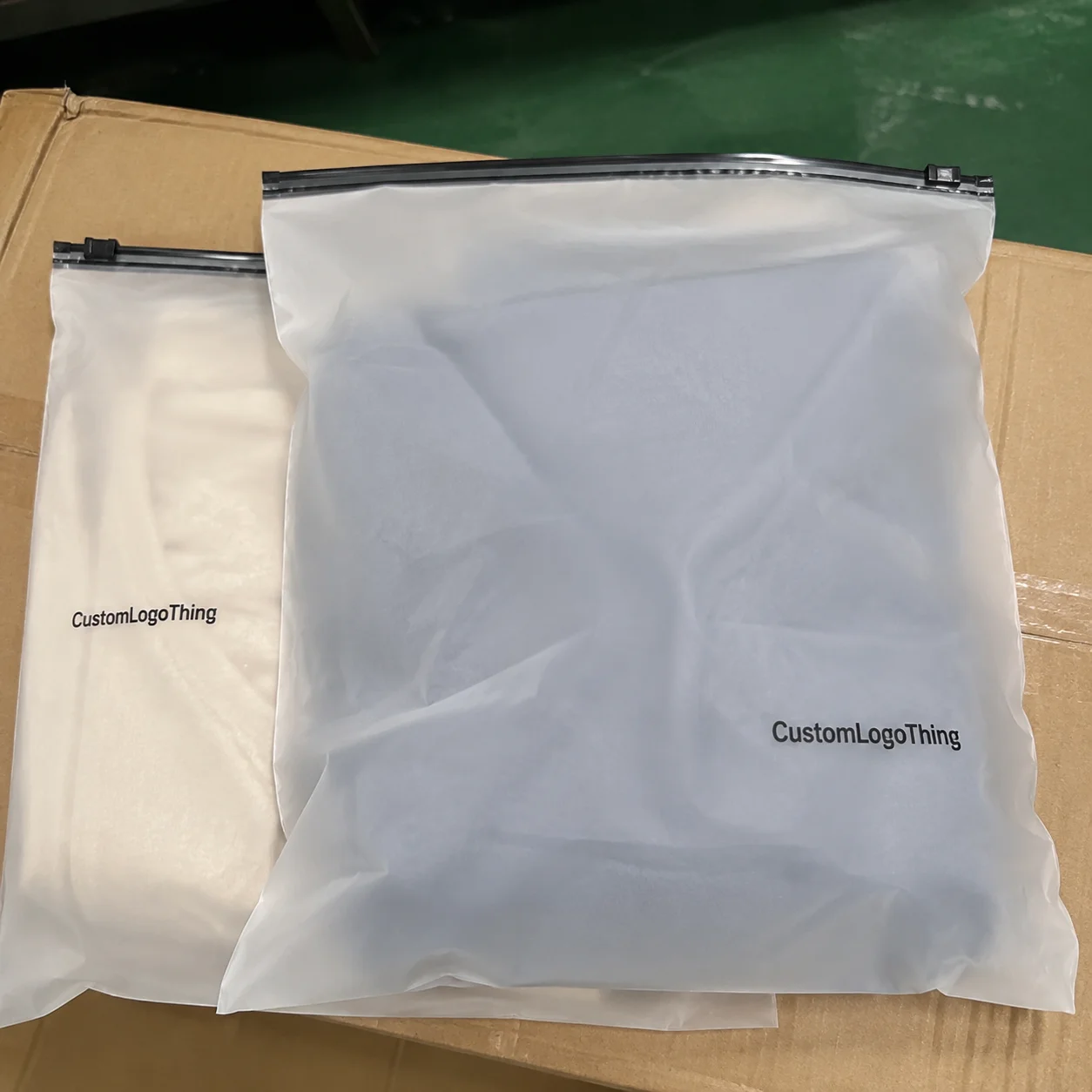
For apparel buyers, the Garment Poly Bags for Apparel brands reorder timing memo is not paperwork for the sake of paperwork. It is a simple way to stop a packaging shortage from turning into a production problem. Poly bags are small, cheap, and easy to ignore until they are gone. Then finished goods sit in staging, operators wait, and everyone suddenly discovers that “minor packaging item” was carrying more weight than anyone admitted.
Timing matters as much as the spec. A delayed reorder can slow packing lines, complicate fulfillment for seasonal drops, and create a mismatch between what is ready to ship and what is actually protected for retail or DTC movement. In practice, if on-hand inventory covers fewer than 6-8 weeks of average usage, the reorder review should already be moving.
That memo should behave like a decision tool. Clear thresholds. Clear specs. Clear next steps. If the team can read it and know whether to place the order, revise the spec, or hold for a better window, it is doing its job. If it reads like a committee tried to write a packaging haiku, it is not helping anyone.
Why a reorder memo matters before stock runs thin
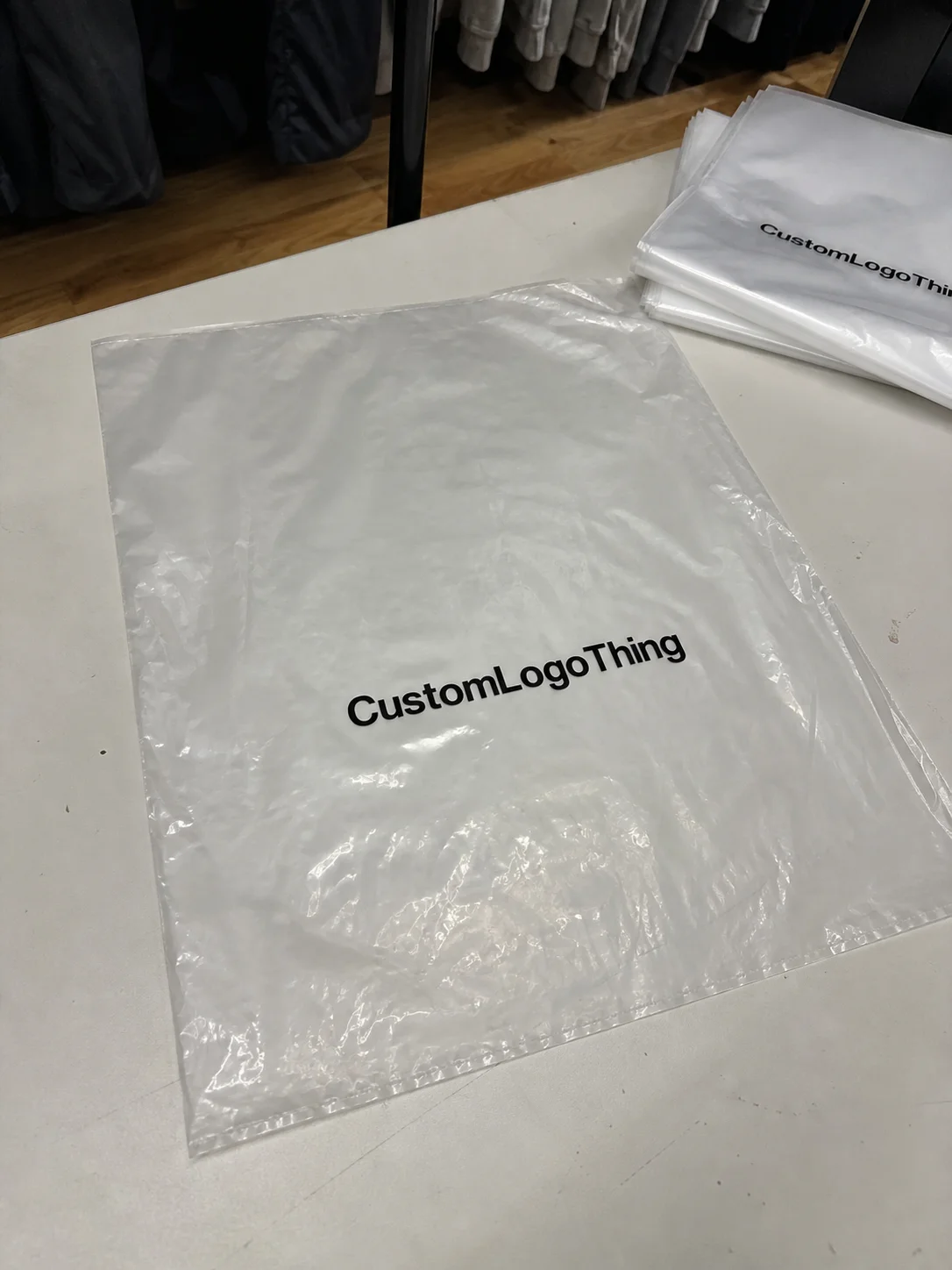
Apparel packaging is usually noticed only when it is missing. That is especially true with Garment Poly Bags, because the bag itself can look like a tiny line item until the absence of that bag starts slowing the line. One missing carton can stop folding, stall QC, or leave finished goods piling up in the warehouse with nowhere to go.
There is another cost buyers underestimate: inconsistency. If one shipment uses an older bag spec and the next one comes in a different gauge or size, the team has to recheck pack instructions, reset line expectations, and usually answer a few annoyed questions. That is manageable on a single style. It becomes messy fast when a seasonal collection or promo drop pushes volume higher.
A good reorder memo keeps the decision simple. If current stock covers less than 6-8 weeks of normal use, the buyer should review the next order now, not after the last pallet is opened. For fast-moving DTC assortments, that window can be tighter because usage spikes are usually less forgiving than the annual average suggests.
“The cheapest reorder is the one that arrives before the last carton is opened.”
Freight and labor deserve attention too. A small packaging lapse can create outsized costs because cartons may already be full, but sleeves, inserts, or outer bags are not. So the line waits. The warehouse waits. Shipping waits. Packaging that costs pennies can still decide whether finished goods move on schedule.
Honestly, the most common mistake is treating poly bags like a commodity item with no operational consequence. They are not glamorous. They are functional. But for a brand that depends on reliable fulfillment, they are part of the shipping system. That makes the Garment Poly Bags for Apparel brands reorder timing memo a practical planning document, not admin clutter.
The timing review also needs to separate stable core demand from one-off spikes. A basics program with steady weekly consumption can tolerate a different reorder rhythm than a holiday capsule or retail launch. If the memo does not distinguish between those two, it is likely to overbuy in one case and underbuy in the other. Neither outcome is clever.
Poly bag formats, film choices, and closure options that affect buying decisions
Not every bag does the same job. A flat poly bag used for folded T-shirts has a very different cost and handling profile than a gusseted bag for bulky fleece. Add retail compliance, and the decision tree gets wider. Buyers should narrow the format before asking for a quote, because the wrong style can quietly inflate freight, packing time, and storage costs.
The most common options are straightforward:
- Flat poly bags for standard folded apparel and simple warehouse pack-out.
- Gusseted bags for thicker garments, multi-piece sets, or products that need extra volume.
- Resealable bags with adhesive strips or zip seals for returns-friendly or premium presentation.
- Suffocation-warning bags where retail or marketplace compliance requires printed safety language.
- Open-top bulk pack formats for high-speed fulfillment where the bag is used as a protective layer, not a retail feature.
Film thickness matters just as much. A thinner gauge can work for lightweight knits or T-shirts, but heavier items like denim, hoodies, or jackets usually benefit from a stronger film that resists warehouse abrasion and splitting at corners. Typical buyers compare options around 1.5 mil, 2 mil, and 2.5 mil, though the right choice depends on product weight, handling frequency, and whether the bag will be opened or resealed more than once.
Closure style changes handling speed. Self-seal strips are convenient for smaller runs or premium pack-outs. Open-top bags are faster for high-volume lines where the garment is inserted and the bag is closed by heat seal, tape, or outer carton handling. Resealable zip formats add cost, but they can reduce returns friction and improve customer presentation. That tradeoff is usually worth evaluating instead of guessing.
Print style also changes the buying decision. Clear stock bags with label application are faster to source and easier to reorder in a hurry. Custom-printed bags usually take more time because artwork approval and setup are part of the process. If the brand needs a rapid refill, plain stock plus a printed label may be the smarter bridge. If presentation and repeat consistency matter more, custom printing is often worth the longer lead time.
Oversized bags are another common trap. They seem harmless until you multiply them across thousands of units. Extra film increases material cost, carton volume, and shipping weight. Undersized bags create the opposite problem: slower packing labor, wrinkles, and frequent replacements when garments do not fit cleanly. That is why spec discipline matters before a quote is requested.
For technical buyers, standards and compliance should stay in the conversation. Retail-facing packaging often needs suffocation warnings, and shipping-related testing may fall under industry expectations such as ISTA protocols for transit performance. If sustainability claims are part of the program, materials may also need to align with FSC or recycled-content documentation depending on the full packaging mix. None of that is glamorous. It just prevents avoidable problems later.
Specifications buyers should confirm before requesting a quote
A clean quote starts with a clean spec. The fastest buyers are the ones who can answer the basic questions without back-and-forth: What size? What film? What print? What quantity? What carton format? If those answers are vague, pricing often shifts after sample review, and that creates friction nobody needs.
The core fields should be locked before you request pricing:
- Dimensions: width, length, and gusset if applicable.
- Film thickness: exact gauge or mil target.
- Material type: LDPE, HDPE, or recycled-content option if available.
- Bag style: flat, gusseted, resealable, open-top, or retail-compliant.
- Printing method: unprinted, one-color, multi-color, or custom label-only.
- Compliance markings: suffocation warning, recycling marks, or other required text.
Dimensions deserve special attention. If you use one bag SKU across multiple garment sizes, define acceptable tolerances up front. A half-inch difference may not sound like much, but on a high-volume line it can determine whether the garment slides in cleanly or needs an extra fold. That is labor, and labor is never free.
Print requirements should be just as explicit. Buyers should state logo placement, ink coverage, front-facing display preference, and whether the bag needs to align with a retail shelf view or a carton-ready shipping format. If the artwork includes barcodes, size callouts, or compliance text, those details should be documented before proofing starts.
Packaging format matters too. Loose-packed bags are easier to receive and store in some operations. Boxed bundles can be better for count control and warehouse distribution. Carton dimensions, bundle counts, palletization, and label requirements all affect receiving time. The more complete the request, the less chance a quote gets revised later.
For teams running multiple channels, clarify whether this order supports a national apparel brand, a private label line, or replenishment for a fast-moving DTC assortment. That context helps the supplier steer the order correctly and avoid quoting a spec that looks right on paper but fails in the warehouse.
One more practical point: if the current bag works, keep the exact sample or prior approval sheet attached to the memo. Small spec drift is one of those boring problems that causes expensive arguments later. A saved bag width, seal style, and print file are usually worth more than another round of “roughly the same as last time.”
Cost, pricing, MOQ, and what actually changes your unit cost
Price is not driven by one variable. It is a stack. Film thickness, bag size, print color count, total quantity, resin market conditions, and packaging configuration all pull the number in different directions. Buyers who only look at the unit price can miss the real cost picture, especially once freight and labor are included.
Here is a simple comparison that shows how the buying decision changes.
| Option | Typical use | Typical unit price range | Lead time tendency | Best for |
|---|---|---|---|---|
| Plain stock bag | Core basics, quick replenishment | $0.03-$0.08 | Shortest | Speed and continuity |
| Stock bag with label | Seasonal programs, moderate branding | $0.05-$0.12 | Short to moderate | Fast response with light branding |
| Custom-printed poly bag | Retail presentation, repeat brand consistency | $0.08-$0.22 | Moderate | Higher brand control |
| Thicker or specialty bag | Heavy knits, denim, premium handling | $0.12-$0.30+ | Moderate to longer | Durability and presentation |
These ranges are only directional. Quantity, resin conditions, print complexity, and carton pack-out can move them. But they help buyers think in the right frame: the cheapest bag is not always the cheapest purchase if it increases damage, slows packing, or forces a second reorder.
MOQ is another area where assumptions create problems. Stock plain bags often support lower minimums. Custom-printed versions usually require a higher commit because tooling, setup, and print runs must be justified. A 5,000-piece order may price differently than a 25,000-piece run, not just because of scale but because material waste and setup labor get spread out over more units.
Unit price also hides the freight story. Lightweight packaging can still ship poorly if carton configuration is bulky. A bag priced a penny cheaper can end up costing more once it arrives in oversized cartons or forces extra warehouse handling. Total landed cost is the number that matters, not the line item sitting alone on a quote.
The right cost strategy depends on demand pattern. If the reorder supports a near-term launch or promotion, prioritize availability and continuity. If the bag is for a stable core item with predictable demand, push harder on unit cost. That sounds obvious, but many teams reverse the logic and end up buying emergency packaging at the worst possible time.
For brands comparing packaging categories, it is smart to review related formats such as Custom Poly Mailers or broader Custom Packaging Products to see whether a packaging family approach lowers procurement complexity. In some programs, that is where the real savings show up. Less vendor juggling. Fewer artwork files. Fewer “why does this look different from the last shipment?” emails.
Process and lead time: how to plan the reorder window
A good reorder window is built backward from the ship date, not forward from the quote date. Start with the date the garments must be packed, then count back through proof approval, production, quality control, packing, freight, receiving, and internal put-away. If that sounds tedious, it is. But it is cheaper than missing a launch window.
The typical sequence looks like this:
- Quote review and approval.
- Artwork confirmation or proof revision.
- Sample signoff, if needed.
- Production run.
- QC and carton packing.
- Shipping and warehouse receipt.
Printed bags usually need more lead time than unprinted stock. That difference gets bigger when the design includes multiple colors, compliance language, or a revision cycle. A stock replenishment may move in a shorter window, while a custom run often needs enough time for proofs and production scheduling. The practical lesson: do not wait until the last carton is open.
A useful trigger point is to begin the reorder process when inventory reaches about 30-40% of normal cycle stock. That gives enough runway for production and freight without forcing a rush fee. If usage is highly seasonal, use recent monthly averages rather than annual averages, because a quiet month can hide the pace of a coming spike.
Rush orders are possible, but they have limits. Production slots are finite. Material choices may be restricted. Expedited freight can quickly eat into savings. A rushed bag order may still land on time, but the buyer should understand the tradeoff before approving it. A faster ship date is not free just because the price line looks small.
Receiving and put-away also deserve calendar space. A shipment that arrives on time but sits in a dock queue is still late from a production standpoint. The smartest Garment Poly Bags for Apparel brands reorder timing memo includes internal receiving time, not just factory days.
If the brand runs multiple fulfillment nodes, the timing review should be split by location. A distribution center may have enough inventory while the backup warehouse is already thin. Consolidated reporting looks neat in a spreadsheet and wrong in practice. The physical bags still need to be where the garments are packed.
Quality controls and supplier capabilities that protect apparel launches
Packaging quality is easy to underestimate until something goes wrong. A bag that clouds, tears, or scuffs badly can make a premium garment feel cheaper at point of sale. That is especially true for retail partners with strict expectations around appearance, consistency, and labeling.
Buyers should pay attention to four basic quality checks on repeat orders: dimensional accuracy, seal integrity, print registration, and clarity. If the bag is supposed to be transparent, it should stay transparent. If the print is supposed to be centered, it should not drift. If the seal is supposed to hold, it needs to hold under normal handling.
Incoming inspection does not need to be complicated. A warehouse team can verify:
- Width and length against the approved spec.
- Seal strength and opening consistency.
- Print accuracy, color placement, and legibility.
- Carton labels and bundle counts.
- Any compliance text required for retail or marketplace use.
Supplier capability matters because repeat orders depend on memory as much as machinery. A supplier with saved specs, approved artwork, and documented prior shipments is less likely to drift on a reorder. That is one reason many buyers prefer vendors that can support controlled repeat runs and maintain clear production records.
Good documentation also lowers risk. If there was a prior issue with ink rub, weak seals, or a sizing mismatch, the next order should reference it directly. Do not assume the memory of a previous problem will survive the next PO cycle. Documentation is cheaper than rework.
Consistency checks should include packaging weight and carton fill, not just visual inspection. If the bag count per carton changes, warehouse math changes with it. That is the kind of small shift that turns into receiving confusion or a false shortage report. Nothing fancy here. Just basic control, done consistently.
For brands looking for added confidence, outside standards can help frame the discussion. EPA recycling guidance can support material conversations, while FSC documentation may matter if packaging includes paper components or sustainability claims. Even when the bag itself is plastic, the broader packaging program often carries compliance and reporting requirements.
Reliability is measurable. Fewer defects. Fewer delays. Fewer surprises. That is not hype. That is what a packaging buyer is actually buying.
Next steps for a faster reorder and cleaner purchasing decision
Before requesting pricing, gather four things: the current bag spec, recent order quantity, forecasted usage, and target in-stock date. If those details are missing, the quote will take longer and may come back with assumptions that do not match the warehouse reality.
It also helps to compare two paths side by side:
- Exact-repeat replenishment if the current spec still works and speed matters most.
- Spec-refresh option if the bag size, print, film, or pack format needs a correction.
Check inventory by distribution center or warehouse before you order. Duplicate stock sitting in transit can hide the fact that the next replenishment does not need to be as large as it first appears. That simple review can save cash and reduce obsolescence risk.
Also confirm what kind of order this is. A standard refill behaves differently from a seasonal changeover or a new SKU rollout. Each one changes MOQ expectations, lead time pressure, and the level of artwork or compliance review needed. If the order is supporting a launch, speed may outrank unit cost. If it is a core item, cost optimization may take the lead.
For teams that want a cleaner purchasing workflow, the best move is to submit the reorder memo alongside artwork and usage data on the first pass. That gives the supplier enough information to price accurately and schedule correctly. It also reduces the chance of a second round of questions that burns days you do not have.
If you want a simple decision sheet, use the Garment Poly Bags for apparel brands reorder timing memo as the working document before the next purchase. That keeps finished goods moving, protects brand presentation, and avoids emergency packaging buys that should have been planned weeks earlier.
The practical goal is not perfection. It is fewer surprises. Packaging buyers do not get rewarded for dramatic rescues. They get rewarded when the line keeps moving, the bags fit, the order arrives on time, and nobody has to explain why a tiny plastic sleeve managed to slow an entire shipment.
How early should apparel brands reorder garment poly bags?
Start the reorder review when inventory drops to about 30-40% of normal cycle stock or when 6-8 weeks of usage remain. Printed or custom bags should be reordered earlier than stock bags because proofing and production add time.
What details are needed to quote garment poly bags for apparel brands reorder timing memo requests?
Provide dimensions, thickness, material, print requirements, quantity, packing format, and target delivery date. Also include whether the order is a repeat run, a new SKU, or a replacement for an existing bag spec.
Does MOQ change between plain and custom garment poly bags?
Yes, MOQ is often lower for stock plain bags and higher for custom-printed versions. The exact MOQ depends on bag size, print complexity, and whether the order uses existing tooling or a custom setup.
What usually increases unit cost on garment poly bags?
Thicker film, larger sizes, more print colors, smaller quantities, and expedited shipping can all raise unit cost. Packaging format and carton requirements can also affect the total landed cost.
What should brands check before approving a repeat reorder?
Confirm that the current spec, artwork, compliance text, and carton counts still match the latest production needs. Review any quality issues from the previous order so they do not repeat on the next shipment.