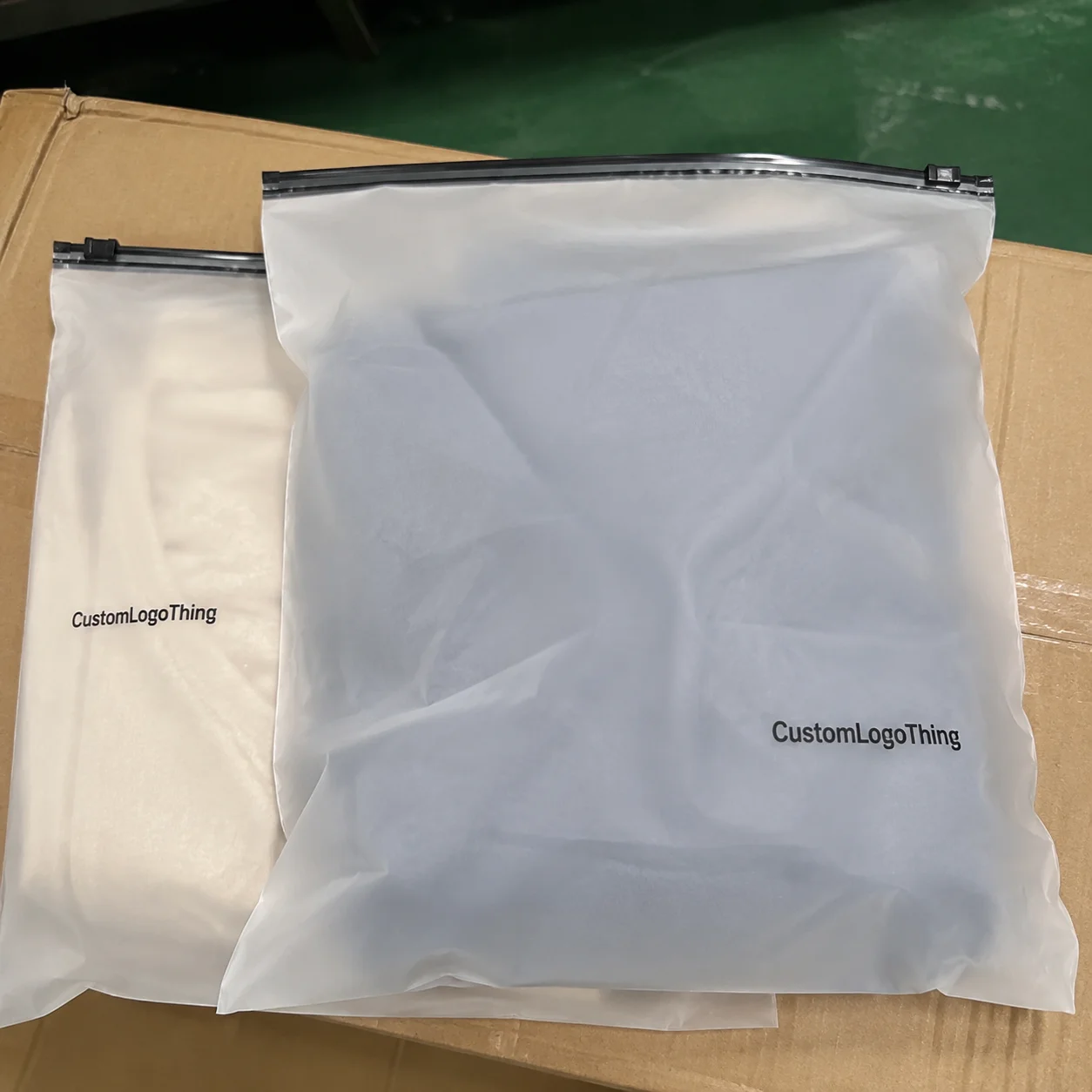
For most apparel brands, a Garment Poly Bags for Ecommerce brands quality inspection guide is not about chasing perfection. It is about stopping the small misses that become expensive later: a sleeve that is too narrow, a seal that opens under carton pressure, print that slips off-center, or a bag that slows packing because the fit is awkward. None of those defects look dramatic on a sample table. They show up in the warehouse, in receiving, or in customer complaints. That is where the real cost lives.
A garment poly bag has a simple job. Keep dust off the product. Hold a folded garment in a clean shape. Protect labels or branding. Survive handling from pack-out to delivery. Once that is clear, inspection becomes much easier to manage because the bag is no longer treated like generic plastic. It is a packaging component that has to work in a real fulfillment process, with real labor limits, real storage pressure, and a customer opening the parcel as the final judge.
What Garment Poly Bags Must Protect During Fulfillment
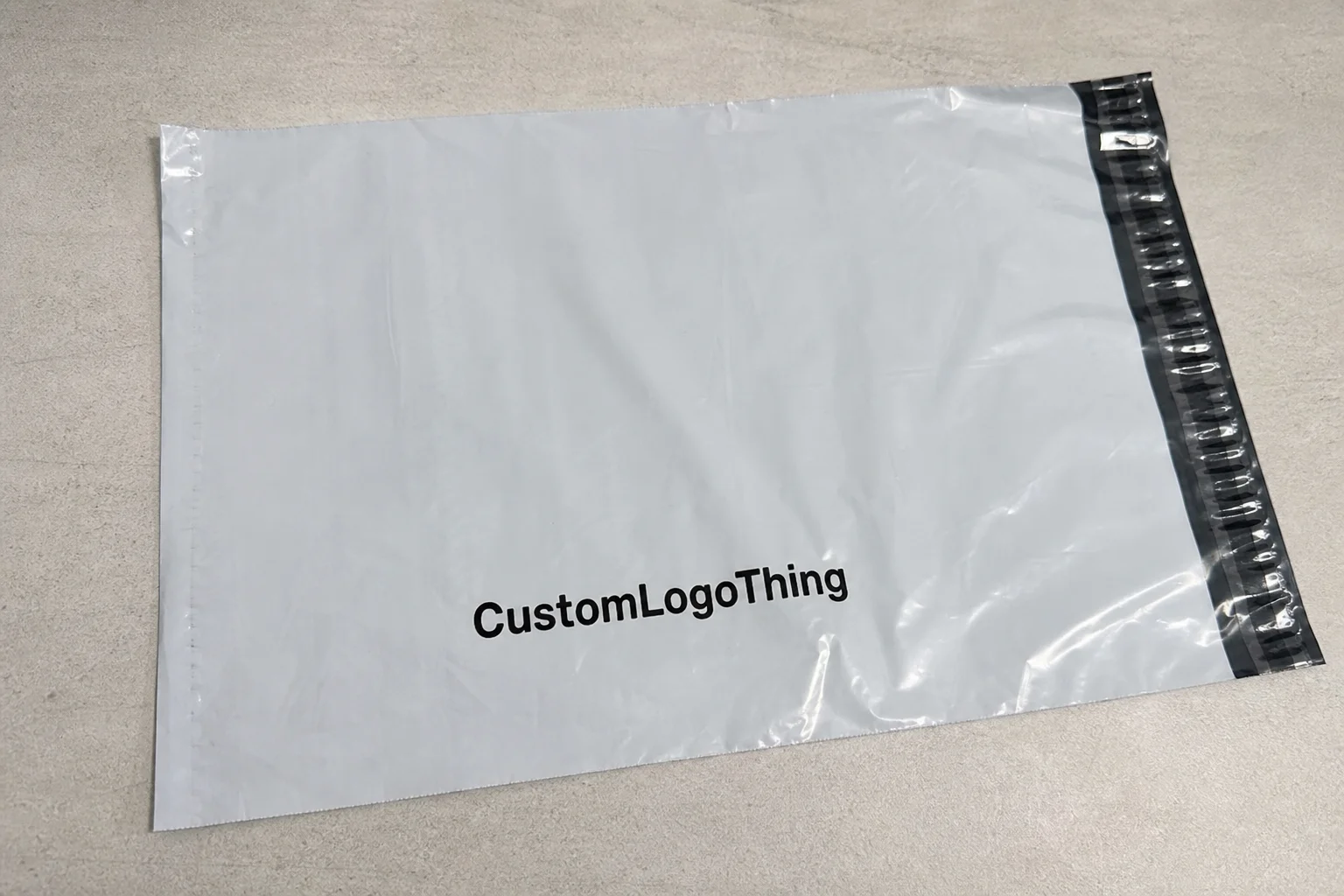
A garment bag does not need to look fancy, but it does need to perform. It should keep the garment clean, preserve a folded form without crushing the fabric, stay intact through stacking and transit, and present the product neatly when the outer mailer is opened. That is the starting point for any Garment Poly Bags for ecommerce brands quality inspection guide. If the bag fails any one of those jobs, the rest does not matter much.
Most failures are quiet failures. A sleeve that is 5 to 8 mm too narrow can wrinkle at the fold and slow down pack-out. A seal that looks acceptable on a bench sample may still split once cartons are compressed. A film that is too soft can cling and crease. A film that is too rigid can crack on the edge fold. None of that sounds dramatic. All of it affects labor, presentation, or returns.
The fit should be based on the folded garment, not the size label. A medium tee, a hoodie, and a woven shirt all behave differently once folded. A spec that only references garment size misses the part that matters. If the bag also carries branding, size stickers, or barcode labels, clarity and surface finish start to matter more than many teams expect. Cloudy film or scuffed print makes the product look older than it is.
Storage conditions matter too. Bags often sit in cartons before use, and that means compression, abrasion, and humidity exposure can all affect performance. For higher-value programs or longer storage windows, some teams run transit-style checks using ISTA testing protocols so the bag is evaluated under handling conditions instead of only on a desk sample. That is a better habit than approving by appearance alone.
“If the bag slows the line, it is too fragile, too tight, or too inconsistent somewhere in the spec.”
How the Inspection Process Works on the Factory Floor
The strongest inspection programs follow the same sequence every time: artwork review, pre-production sample, in-line checks, and final carton approval. The point is not the label on the checkpoint. The point is catching the issue early, when changes are still cheap and before freight leaves the plant. A serious Garment Poly Bags for ecommerce brands quality inspection guide should make those checkpoints obvious so nobody confuses sample approval with production approval.
Artwork review is where many packaging jobs drift. Print placement, line weight, barcode sizing, and copy safety margins should be locked before the first bag is made. The pre-production sample should then be checked for dimensions, thickness, seal width, print alignment, and pack style. During in-line production, inspectors look for drift: a die-cut edge wandering off center, a seal narrowing, a print station shifting, or a bundle count slipping. Final approval is the last chance to stop a shipment if the carton pack-out or count is wrong.
Good inspectors separate cosmetic defects from functional ones. A light scuff may be acceptable if the bag still opens cleanly and the film stays within clarity tolerance. A pinhole is a function problem because it can let dust in or weaken the package under load. The same logic applies to seal defects, count errors, and size misses. Clear thresholds keep the review from turning into an argument about taste.
Define pass and fail in writing. Use labeled reference samples, photos, and a tolerance sheet with actual numbers. A bag length tolerance of plus or minus 2 mm may be fine for one program and too loose for another. A print shift of 1 mm may be acceptable on a simple logo and unacceptable near a barcode or size panel. If the acceptance standard is vague, the supplier and the buyer will each think they are right. That is a bad place to start a production run.
For teams that also buy outer packaging, it helps to keep the inspection language consistent across categories. The same basic questions apply to bags, mailers, and inserts: size, strength, count, print accuracy, and packability. That is why a packaging process that works for poly bags often transfers cleanly to Custom Poly Mailers and other shipping components.
Cost, MOQ, and Unit Pricing Tradeoffs
Unit price looks simple until the quote gets unpacked line by line. The cost of garment bags is driven by resin grade, film gauge, dimensions, print coverage, closure style, and whether the bag is stock-sized or custom-sized. MOQ matters too, because a custom run spreads setup cost, plate cost, and waste across the total quantity. Lower MOQ usually means higher unit cost. That is normal, not a mistake.
The easiest way to compare suppliers is to normalize the quote. Put every offer on the same basis: bag size, thickness, pack count, carton quantity, overrun allowance, setup fees, plate fees, freight terms, and sample charges. A quote that looks 15 percent cheaper may end up costing more once you include packaging configuration, warehouse handling, or freight. Buyers miss this all the time because they stop at the headline number.
For most apparel sleeves, the practical material conversation starts with LDPE or an LDPE/LLDPE blend. Clear film is common because it shows the product and keeps the presentation clean. Gauge depends on the garment and how the bag will be used. Thin retail sleeves can work well for lightweight tees or folded shirts. Heavier knitwear, hoodies, or long storage cycles often need more thickness to resist puncture and edge stress. There is no universal number that fits every line. There never is.
Here is a useful pricing range for mid-volume programs, often around 5,000 units. Actual pricing will move with region, resin market conditions, print detail, and pack style.
| Option | Typical Features | Approx. Unit Price | Common Tradeoff |
|---|---|---|---|
| Stock clear sleeve | Standard size, no print, basic pack count | $0.04-$0.07 | Lowest cost, least brand control |
| Custom size with one-color print | Brand logo, custom dimensions, standard seal | $0.09-$0.16 | Good balance of branding and cost |
| Custom printed bag with vent holes or zipper feature | Higher film control, added handling features | $0.16-$0.28 | Better presentation, more setup and labor cost |
Cheap quotes can hide risk. The film may be thinner than stated, tolerances may be loose, or the supplier may save money by packing fewer units per carton and increasing your receiving labor. That last one is easy to miss. A bag that is awkward to unpack or count costs real time every time it lands in the warehouse. If your packaging program includes multiple components, review the whole set of Custom Packaging Products together instead of shopping each piece in isolation.
If sustainability is part of the decision, ask where the material comes from and whether any paper components in the wider pack carry FSC certification. That does not solve the packaging problem by itself, but it gives the brand a cleaner sourcing record.
Step-by-Step Quality Checklist Before You Approve Production
The most useful Garment Poly Bags for ecommerce brands quality inspection guide is one your team can actually run. Start with a spec sheet that locks down dimensions, thickness, seal type, print requirements, carton pack-out, and labeling notes. If the spec changes after sampling starts, you are not testing the same item anymore. You are testing a moving target.
Next, fit the bag to the folded garment, not the garment size label. A medium hoodie and a medium shirt can need very different sleeve allowances once folded. Check the bag with the actual product folded the way your warehouse will pack it. A clean sample on an empty table can become awkward once the line is moving. The fit should let the garment slide in without force, but not leave so much slack that the piece shifts around and wrinkles.
Then test handling strength. Open and close the bag the way staff will use it. If it has a reseal strip, check how cleanly the liner releases and how evenly the adhesive engages. Light compression inside a carton helps expose weak seams before the order ships. If the bag is meant for long storage or dense carton packing, apply more pressure and inspect for seal creep, edge splits, and distortion.
Visual quality matters more than many buyers think. Inspect the bag under warehouse lighting, not only under studio lighting. Check for haze, streaking, black specks, pinholes, fish eyes, and print that drifts off location. If there is a barcode or size panel, confirm scan quality and white space around the code. These are not cosmetic extras. They decide whether the packaging looks intentional or sloppy.
Make the approval process specific enough that someone else can repeat it six months later without guessing.
Practical approval sequence
- Review the spec sheet and signed sample.
- Measure length, width, and thickness on multiple pieces.
- Check seal width and edge consistency.
- Test fit with the actual folded garment.
- Inspect print, clarity, and carton pack-out.
- Store the approved master reference for reorder use.
After approval, keep the master sample where procurement and QA can both reach it. A retained sample without the spec sheet is only half useful. A spec sheet without the physical reference is also incomplete. The two together create the standard for every reorder.
Production Steps, Timeline, and Lead Time Risks
A realistic schedule starts with quotation and artwork, then moves to sample approval, production, packing, and transit. For a custom run, the biggest delays usually come from slow artwork feedback, late spec changes, or waiting on sample signoff. Material shortages and tooling issues can also slow things down, but in many projects the longest delay is internal approval, not factory capacity.
Lead time should be broken into milestones. If the supplier only gives one overall promise, you lose visibility into which step is slipping. Ask for proof timing, sample timing, production start date, packing date, and dispatch date. That makes it easier to match inbound packaging with launch dates or replenishment windows. It also gives your team a fair way to escalate if one step starts to drift.
For first-run custom programs, build in extra time even when the supplier sounds confident. A repeat order may move quickly, but the first order has more variables: the print file, the material batch, the seal setup, the carton configuration, and the inspection standard all need to be proven together. If you are coordinating a seasonal launch, add more buffer for freight variation, especially if the schedule depends on ocean transit or a domestic lane with inconsistent capacity.
Buyers should also think about the downstream effect of a delay. If the bag arrives late, fulfillment may have to pack products in temporary sleeves or wait on intake. That creates waste and confusion. A disciplined schedule protects more than the packaging PO. It protects the product launch itself.
For most ecommerce brands, a first custom run takes longer than expected because people underestimate the amount of coordination required. The supplier needs a final file, the buyer needs internal approval, the warehouse needs a packing standard, and the QC team needs a reference sample. Miss one of those and the timeline slips. Simple, and annoying.
Common Rejection Reasons in Ecommerce Packaging Audits
Most audit failures are not mysterious. The usual problems are undersized bags, weak or crooked seals, cloudy film, poor print alignment, count errors, and inconsistent bundle packing. These are the defects warehouse teams catch quickly because they interfere with daily handling. If the bag opens poorly, packs slowly, or looks uneven from carton to carton, it creates friction immediately.
Subtle defects matter too. A bag that slips open during stacking can expose the garment to dust. A bag with slight haze may make the product look less premium. A carton with inconsistent counts can trigger a receiving dispute before the bags even reach the line. None of those issues is dramatic, but all of them cost time and trust. That is why the Garment Poly Bags for ecommerce brands quality inspection guide should include both visual checks and functional checks.
Document problems with evidence. Use photos, measured dimensions, sample counts, and a short note on where the defect appears. The better the record, the faster the supplier can correct it. A vague complaint like “the bags look off” usually goes nowhere. A report that says “width is 6 mm short on 7 of 20 samples, seal wanders 3 mm left of center, and print is shifted above the safe area” is actionable.
For brands building repeatability, keep the same rejection language across all packaging items. That way your team does not reinvent the rules every time a new bag, mailer, or insert is introduced. If your team already keeps records for Case Studies, use the same discipline here: what failed, how it was measured, and what changed on the next run.
Expert Tips for Cleaner Reorders and Fewer Returns
The best reorders start with a clean record. Keep the approved sample, the spec sheet, the photo set, and the acceptance limits together. When a new PO starts, the buyer should not have to reconstruct the standard from old emails. That is where drift begins. A strong garment poly Bags for Ecommerce brands quality inspection guide is one that survives staff turnover and supplier changes.
After the first inbound shipment, do a short post-production review against the approved standard. This is not a full audit every time. It is a sanity check to make sure the live goods match the reference sample closely enough. If the film has changed, if the print looks darker, or if the fold fit is different, address it before the next reorder scales up.
Revalidate whenever something material changes. New supplier, new color, new gauge, new closure style, or new carton pack-out all deserve fresh inspection. That sounds cautious, but it is cheaper than discovering a mismatch after 30,000 units are already in circulation. Brands that treat every change as minor usually pay for it later in labor, chargebacks, or returns.
There is one habit that cuts a lot of waste: do not let price outrank function. The bag exists to protect the garment and speed the line. If it does both, it is doing its job. If it saves a few cents but creates rework, that is not savings. It is deferred cost.
A second habit helps just as much. Keep one person accountable for the spec. Not everyone involved in the order needs to be a packaging expert, but someone needs to own the reference sample, the tolerance sheet, and the reorder history. Without that, each new buyer starts from zero and the same mistakes return under a different PO number.
How do I inspect garment poly bags before placing a first order?
Start with a written spec sheet that lists size, thickness, seal type, print, and carton pack-out. Review a physical sample under warehouse lighting and test it with the actual folded garment, not just by dimensions on paper. Reject anything with weak seals, poor clarity, or a fit that slows fulfillment.
What film thickness is usually best for garment poly bag inspection and use?
Choose thickness based on garment weight, handling frequency, and whether the bag must survive long storage or heavy carton compression. Thinner film can work well for lightweight apparel and display sleeves, while heavier knitwear or hoodies usually need more gauge for puncture resistance. Ask the supplier to recommend a range that balances clarity, strength, and packability.
How can I compare quotes without missing hidden costs?
Normalize every quote for bag size, thickness, print, pack count, MOQ, and freight terms. Check for setup fees, plate charges, sample charges, and overrun allowances that can change the true unit cost. Compare the expected warehouse labor impact too, because a cheaper bag can cost more if it packs slowly.
What lead time should I expect for custom garment poly bags?
Lead time depends on artwork approval, sample signoff, tooling, material availability, and shipping mode. First runs usually take longer than repeats because the spec still needs to be proven in production. Build in extra time if the bags support a seasonal launch or a hard inventory deadline.
Which defects should trigger rejection during a bag inspection?
Reject bags with incorrect dimensions, weak or uneven seals, pinholes, cloudy film, or print that is off location. Also reject carton packs with inconsistent counts, crushed corners, or labels that do not match the approved order. Use photo evidence and measured tolerances so the rejection is clear and repeatable.
If your team wants fewer surprises, run the same inspection standard on every sample, every first order, and every reorder. That discipline keeps the packaging clean, the fulfillment line moving, and the customer presentation consistent.