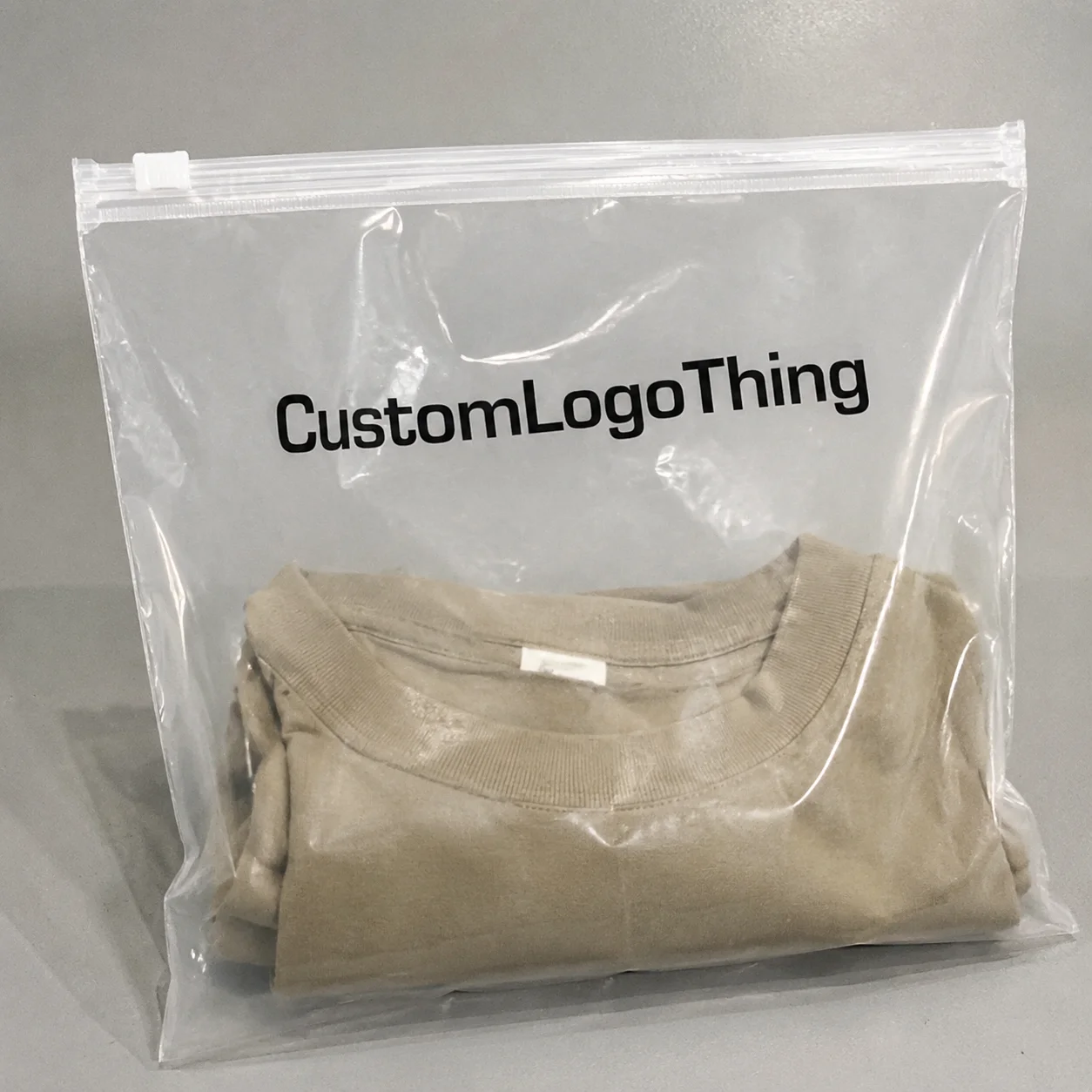
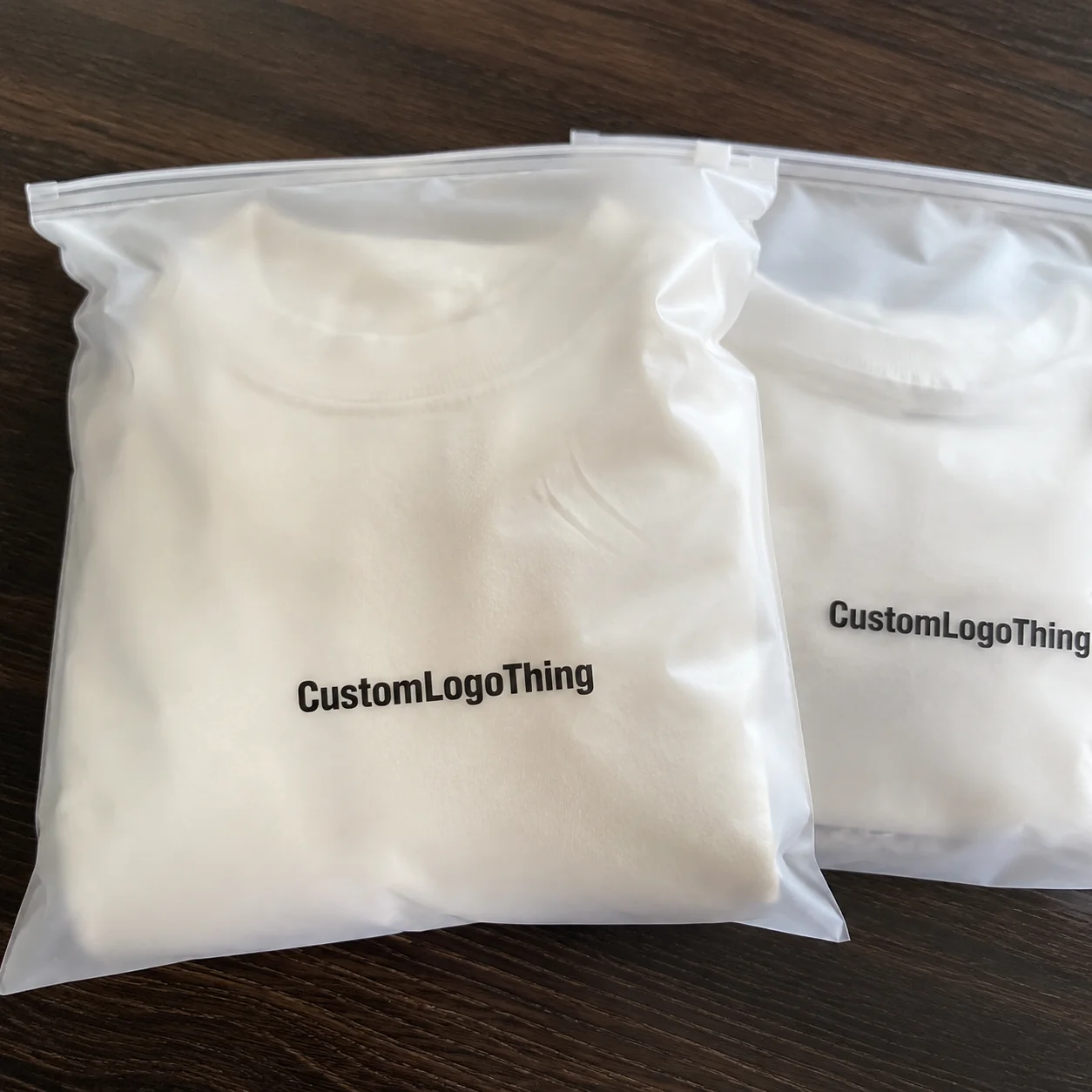
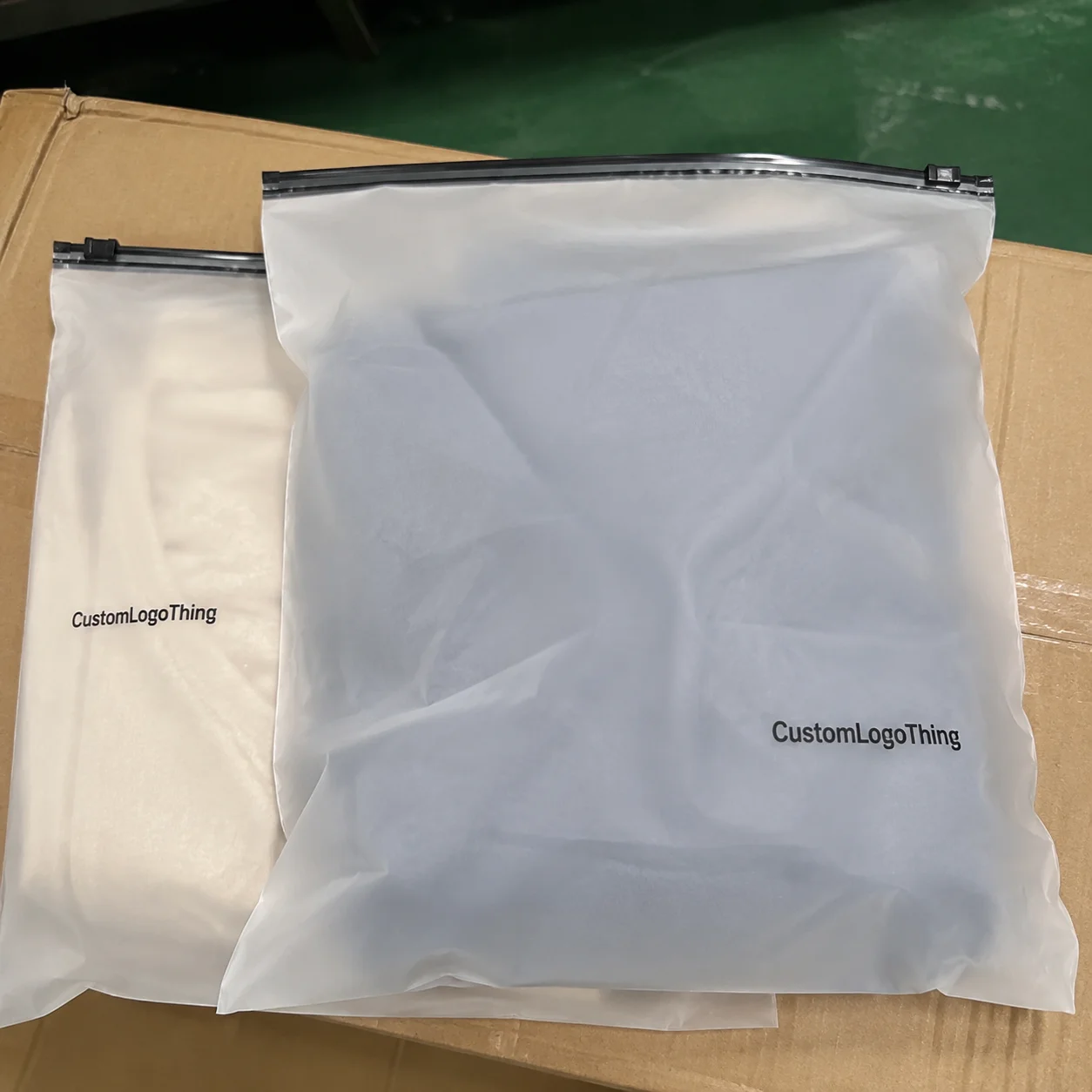
If you are comparing Garment Poly Bags for Ecommerce brands supplier quote checklist options, the lowest number is rarely the best one. A useful quote should show size, Film, Closure, Print, pack-out, freight terms, and any charges that tend to appear later at invoicing. That is where the real cost is usually hiding.
For ecommerce brands, Garment Poly Bags do more than hold a folded item. They protect clothing from dust, scuffing, and handling damage while keeping the product presentation consistent from warehouse to customer. A bad bag can crease a shirt, snag on hardware, or make a premium product look cheap before it reaches the mailer.
Most quote problems start with a missing spec. One supplier quotes a clear 12" x 16" bag with 2.0 mil film and an adhesive flap. Another quotes something “similar” with no thickness, no tolerance, and no freight. Those are not competing offers. They are different products wearing the same description.
Why the Cheapest Poly Bag Quote Usually Costs More
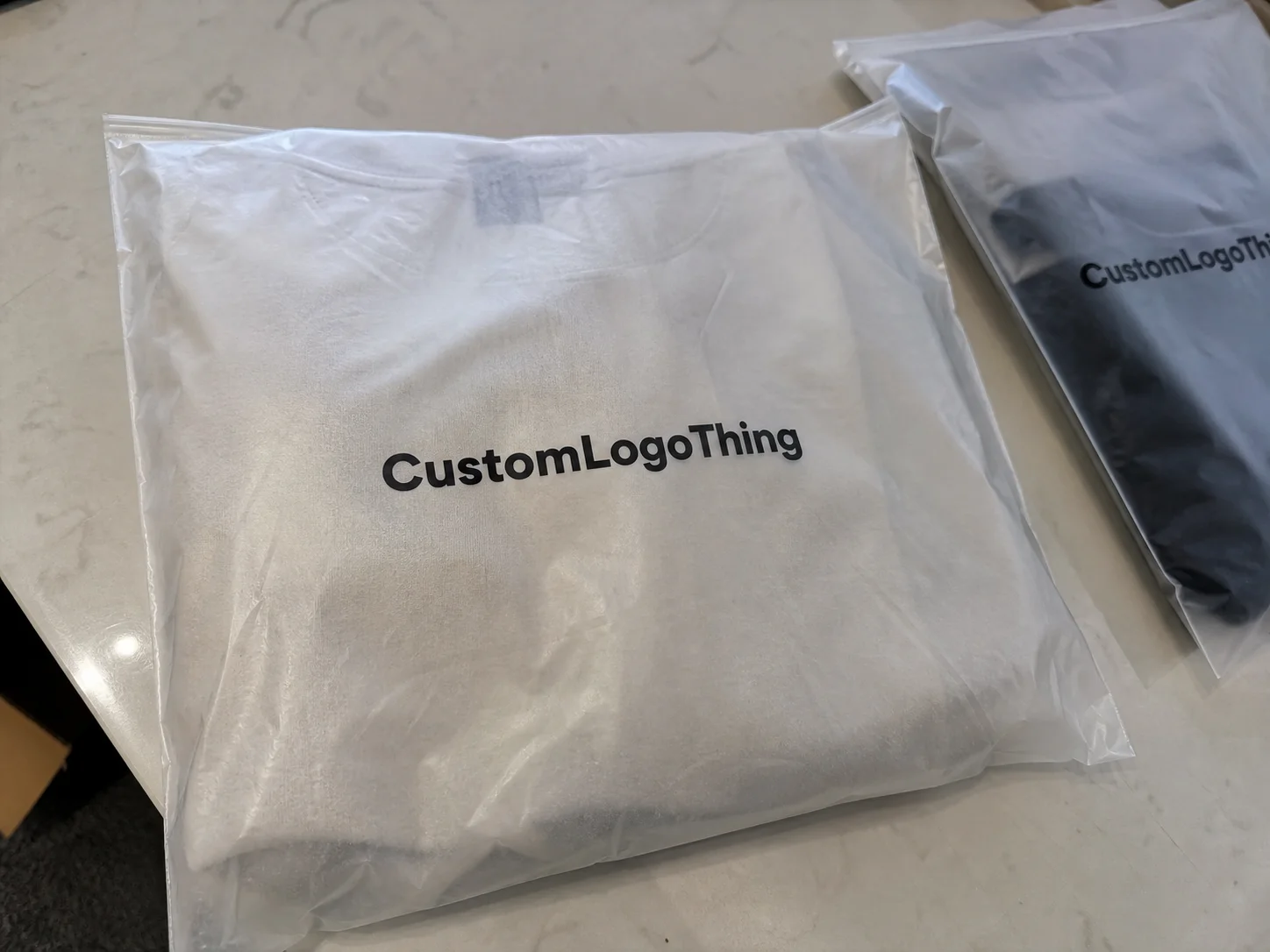
Packaging quotes look simple because the math seems simple. That is the trap. A lower unit price can hide a thinner film, smaller usable dimensions, weak seals, extra waste, or charges for plates, cartons, and delivery. The headline number is usually only the starting point.
The right comparison is total landed cost per packed order. That includes the bag, print setup, freight, duties if applicable, carton charges, and any receiving or split-shipment fees. If a bag arrives with poor dimensions or weak seal strength, labor cost rises too. Fulfillment teams feel that immediately, and customers notice torn or wrinkled packaging just as fast.
Here is a common pattern. Supplier A quotes a 2.5 mil clear bag, one-color print, cartons included, delivered to your warehouse. Supplier B shows a lower unit price, but the quote omits plates, freight, and minimum carton packaging. Supplier B looks cheaper until the missing items are added back. That is not savings. That is a partial quote.
“If the quote does not say what is included, assume it is not included.”
That rule is blunt because it works. A good Garment Poly Bags for Ecommerce brands supplier quote checklist is less about forcing a bargain and more about preventing bad comparisons.
Garment Poly Bags for Ecommerce Brands: Size and Film Specs
Start with the physical spec. Not the logo. Not the supplier pitch. Ask for width, length, gusset if there is one, seal type, closure style, flap length, venting, and whether the bag is flat or folded. If the supplier cannot state those numbers clearly, the order will drift later.
Film thickness matters more than many buyers expect. A lightweight tee may work in a 1.5 to 2.0 mil bag if handling is controlled. Hoodies, jackets, and garments with metal trim or sharp hardware often need 2.5 to 3.5 mil or more. Thin film saves money until a zipper edge punctures it, and then the savings disappear.
Material choice changes feel, clarity, sealing behavior, and price. The usual options are straightforward:
- LDPE: soft, flexible, good clarity, common for garment packing.
- LLDPE: tougher at similar thickness, useful when tear resistance matters.
- Recycled-content blends: useful for sustainability goals, with possible tradeoffs in clarity or consistency.
- Co-extruded film: useful when you need strength and cleaner print or seal performance in one bag.
Ask for tolerances in writing. A quoted 12" x 16" bag should not become 11.5" x 15.5" unless your product still fits and your fulfillment team has signed off on the change. Width, length, gusset, and thickness tolerances all affect line speed and packing consistency.
One practical detail gets ignored too often: usable opening size. A bag can be technically correct and still be awkward to load if the opening is too tight for the item shape or the packer’s motion. That slows the line, especially on soft goods with labels, folds, and inserts.
If the bag is meant to hold a folded garment neatly, ask how the supplier measures size. Some quote outer dimensions. Others quote internal usable dimensions. That difference matters. So does whether the gusset is measured at full expansion or nominal fold.
| Spec Item | What to Ask For | Why It Matters |
|---|---|---|
| Width and length | Exact dimensions with tolerance | Prevents fit issues and inconsistent packing |
| Film thickness | Gauge in mil or microns | Affects tear resistance and product protection |
| Bag style | Flat, gusseted, flap, or header style | Changes pack speed and presentation |
| Material | LDPE, LLDPE, or recycled blend | Impacts clarity, softness, and price |
| Closure | Adhesive flap, press-to-close, or other | Directly affects labor time and customer experience |
Print, Closure, and Finish Options That Change the Quote
Printing changes cost quickly. A one-color logo on one side is a different job from multi-color art with tight registration on both sides. Full-coverage print adds ink, setup, and inspection time. Inside print usually costs more because alignment is less forgiving and the supplier has to control readability on a surface that can shift during production.
Artwork setup can add more than buyers expect. Ask whether the quote includes plates, screens, proofing, trap adjustments, and color matching. If the supplier says “all included,” make them write that down. Vague inclusions are how quotes get cheaper on Tuesday and more expensive on Friday.
Closure style matters too. A self-seal adhesive flap is common for ecommerce because it is fast and easy to standardize. Press-to-close bags cost more but can support returns or reuse. Header-card packaging is better for retail display than for direct-to-consumer packing, unless the product has to move through both channels.
Finish changes both look and handling. Crystal-clear film shows the garment well and works for simple SKUs. Frosted film hides fingerprints and gives a softer premium look. Matte can disguise scuffs but reduces visibility. Anti-static treatment helps with cling, especially on synthetic fabrics. Opaque white bags hide contents, which helps if packing speed or shelf presentation matters more than immediate product visibility.
Small changes in finish can also affect scrap rate and appearance at scale. A bag that looks premium in a sample may show crease marks or haze when it is run in volume. That is why sample review should include real folding, real sealing, and real carton packing, not just holding one piece under a light.
For teams that also use shipping mailers, it helps to compare how much protection the inner bag needs versus the outer shipping layer. Our Custom Poly Mailers page is useful for that comparison because it separates product presentation from transit protection.
Cost, Pricing, MOQ, and Unit Cost Benchmarks Buyers Should Ask For
Strong quotes break pricing into line items. Ask for unit price by quantity tier, tooling or setup cost, sample cost, freight, duties if applicable, carton charges, and any warehousing or split-shipment fees. A single “all-in” number looks tidy and tells you very little.
MOQ depends on whether the bag is stock, printed, or custom sized. Plain stock bags can start low. Printed bags usually need a higher minimum because the supplier has to make plates, set up the press, and absorb waste. Custom dimensions may raise MOQ again if the film width does not fit standard conversion runs.
Price benchmarking should use more than one tier. Compare at 1,000, 3,000, and 5,000 pieces if the order can scale. A supplier may look expensive at 1,000 and become the best value at 5,000 once setup is spread out. Another supplier may be cheap at the smallest tier and poor value once the volume rises.
A useful way to normalize a Garment Poly Bags for ecommerce brands supplier quote checklist review is simple:
- Match the same size, thickness, material, and closure.
- Match the same print coverage and color count.
- Match the same carton pack count and inner pack configuration.
- Check whether pricing is EXW, FOB, or delivered.
- Add freight, duties, and receiving costs to get landed cost per bag.
The last step gets skipped because it is boring. That is exactly why it matters.
| Quantity Tier | Typical Unit Price Range | What Usually Changes |
|---|---|---|
| 1,000 pcs | $0.18-$0.35 | Setup cost weighs heavily; useful for testing |
| 3,000 pcs | $0.12-$0.24 | Better spread of setup and tooling |
| 5,000 pcs | $0.08-$0.18 | Usually stronger value if the spec stays stable |
Those ranges move with print coverage, film gauge, bag style, and sourcing region. They are not a promise. They are a sanity check. If a supplier is far outside them, ask why. If the answer is vague, the quote probably is too.
For sustainability claims, use only documented material data. Recycled content percentages, resin type, and compliance statements should be traceable. If your team is also working on paper inserts or cartons, FSC references belong there, not on the poly film itself. See FSC for paper-based material standards, and keep plastic claims separate.
Process and Lead Time: From Artwork Approval to Delivery
The quote is the starting point. The production schedule is where bad planning becomes visible. A typical flow is RFQ, spec confirmation, proof review, sample approval, production, inspection, and shipping. Miss one gate and the calendar slides, often without much warning until the warehouse is waiting.
Lead time depends on what changes. Artwork revisions add days. Color matching adds days. Custom dimensions add days. Waiting for deposit or final signoff adds days too. If a supplier says “10 days,” ask when the clock starts. Purchase order? Final artwork approval? Payment receipt? Different vendors use different start points.
For plain stock bags, production can move quickly. For printed custom bags, a realistic window is often 12 to 20 business days after final artwork approval, depending on capacity and transit mode. Fully custom dimensions or special film structures can run longer. International freight adds another layer of uncertainty, especially when customs or port delays are involved.
Ask for milestones in writing:
- RFQ response date
- Proof delivery date
- Sample approval deadline
- Production start date
- Inspection date
- Ship date and transit estimate
If the supplier cannot define when lead time starts, they probably cannot control it either.
For repeat orders, consistency matters more than heroics. A supplier that can hold the same color, seal, and size over multiple runs saves real time on the receiving side. A slightly lower price is not a win if each reorder needs re-approval.
How to Judge a Supplier Beyond the Lowest Unit Cost
The lowest price is not the best supplier. It is just the easiest one to quote. The better test is whether the supplier can repeat the spec, hit the tolerance, and solve issues without turning every problem into a debate.
Communication quality tells you more than most buyers want to admit. A supplier who sends a clean quote, separates line items, and answers direct questions usually runs a more organized operation. Not always, but enough times to matter. A sloppy quote often predicts a sloppy production file.
Ask for samples and recent production photos. Ask how defects are handled. Ask what happens if there is a short count, a bad seal, or a print error. Replacement? Credit? Inspection before shipment? If they cannot answer without drifting into generic reassurance, keep looking.
Quality-control checks should be measurable. For poly bags, that means dimension checks, thickness checks, seal strength review, print placement review, and carton count verification. If the product has sharp trims or hardware, puncture resistance deserves attention too. The bag does not need to survive a truck crash. It does need to survive normal distribution abuse.
It also helps to ask whether the supplier understands ecommerce pack-out. That matters more than a polished brochure. A supplier familiar with direct-to-consumer fulfillment tends to understand pack station speed, easy opening, barcode visibility, and how much room the folded garment actually needs once it is compressed in a carton.
If you want to compare suppliers against proof instead of promises, review their Case Studies and look for actual spec choices, not just polished adjectives. Packaging work leaves a trail. Good suppliers can show it.
One more reality check: if a vendor cannot explain their scrap allowance, overrun policy, or rework process, they may not be set up for stable production. That does not make them useless. It just means the risk is shifted onto you.
How to Build a Clean RFQ and Compare Quotes
Send one RFQ package to every supplier you want to compare. Keep it short, but complete. Include bag dimensions, thickness, material, closure, print colors, artwork placement, quantity tiers, packaging count, shipping destination, and requested delivery date. If the brief is different, the quotes will be different.
For a useful comparison, ask each supplier to confirm:
- Unit price by quantity tier
- Setup or tooling charges
- Sample cost
- Carton pack count
- Freight terms
- Lead time definition
- Inspection or QC standard
Then compare only like for like. No substitutions. No “same but better” version that quietly changes film thickness. No quote that swaps in a stock bag and calls it equivalent. If one sample approval round is enough, lock the spec and protect it. The biggest source of packaging waste is not the film. It is avoidable change.
If you are buying multiple packaging components at once, line up garment bags alongside other Custom Packaging Products so the inner presentation, outer package, and shipping layer all follow the same buying logic. That makes reorder planning easier and reduces mismatched materials across the order.
Bottom line: the Garment Poly Bags for ecommerce brands supplier quote checklist is a control tool. It cuts out quote noise, exposes hidden charges, and forces every supplier to price the same spec. That is how you get a fair comparison.
FAQ
What should be included in a garment poly bags supplier quote?
Exact dimensions, thickness, material, and closure style should be listed first. Add print details, setup charges, sample cost, MOQ, carton pack count, lead time, and shipping terms. Ask whether the quote includes freight or only factory pricing, because that changes the comparison fast.
How do I compare unit cost across ecommerce poly bag suppliers?
Use the same spec sheet and the same quantity tier for every supplier. Then add setup, freight, duty, and packaging costs to get landed cost per bag. Tiered pricing matters because the real break-even point is often not the first number you see.
What MOQ is normal for custom garment poly bags?
Stock bags can be low MOQ, while printed or custom-sized bags usually need higher quantities. MOQ depends on film type, print method, and whether the supplier is running a standard conversion size or a special run. If you are testing a new SKU, ask for alternative tiers before you commit.
How long does production usually take after quote approval?
Simple stock orders move faster than printed custom runs. Artwork approval, sampling, and deposit timing can change the schedule more than the factory line itself. Ask the supplier to define when the clock starts and what counts as a hold.
Do printed garment poly bags need different approval steps?
Yes. Printed bags should get a proof for artwork placement, color, and copy before production. A sample or digital mockup helps if logo position matters for unboxing. Confirm that the supplier can repeat the same print result on reorders without color drift or alignment issues.