Garment Poly Bags for Ecommerce Brands: Material Match
If you are comparing Garment Poly Bags for ecommerce brands material comparison options, start with the obvious: the bag is not a throwaway line item. It touches presentation, packing speed, damage control, and the customer's first impression. That is a lot of responsibility for a clear plastic sleeve, which is exactly why sloppy choices cost more than they save.
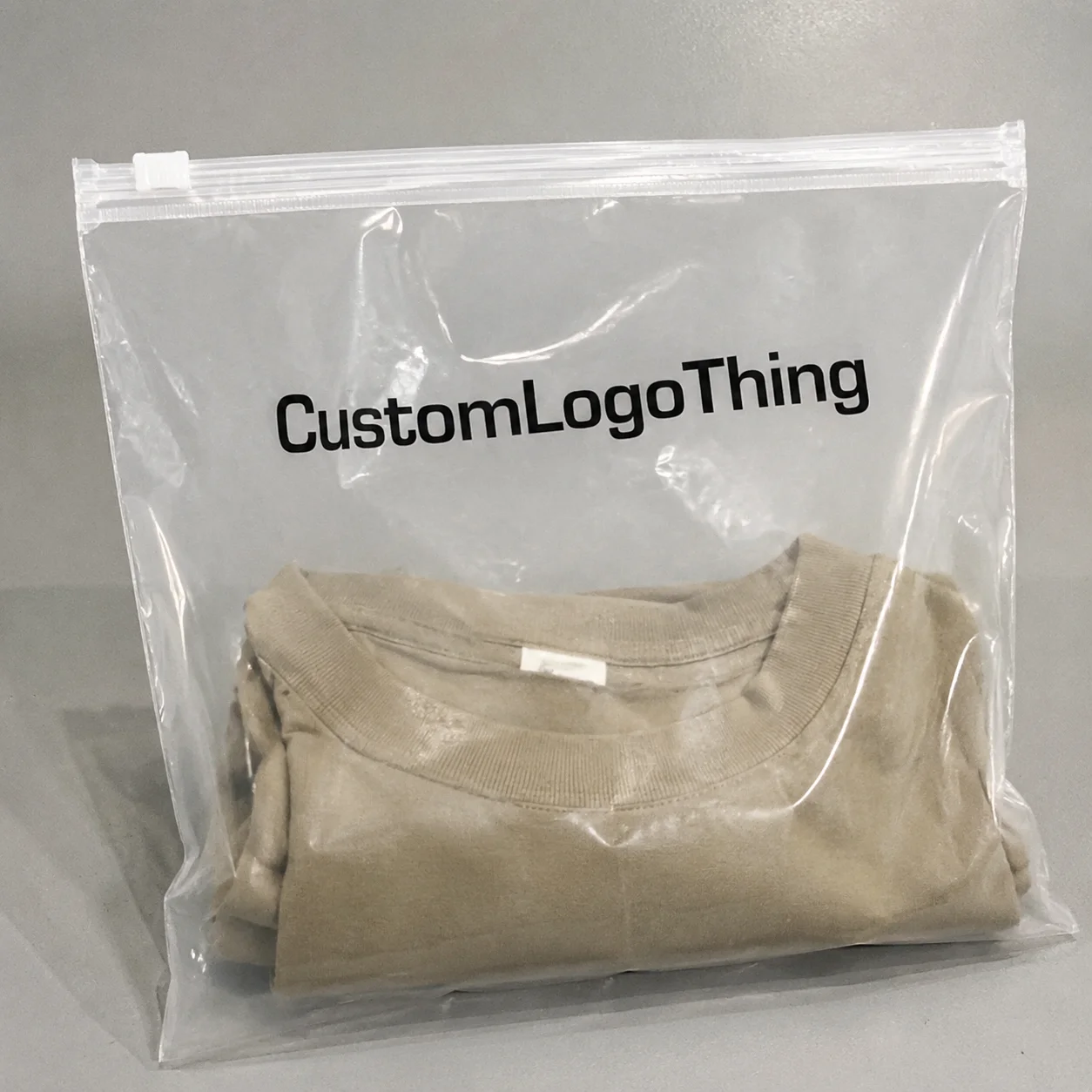
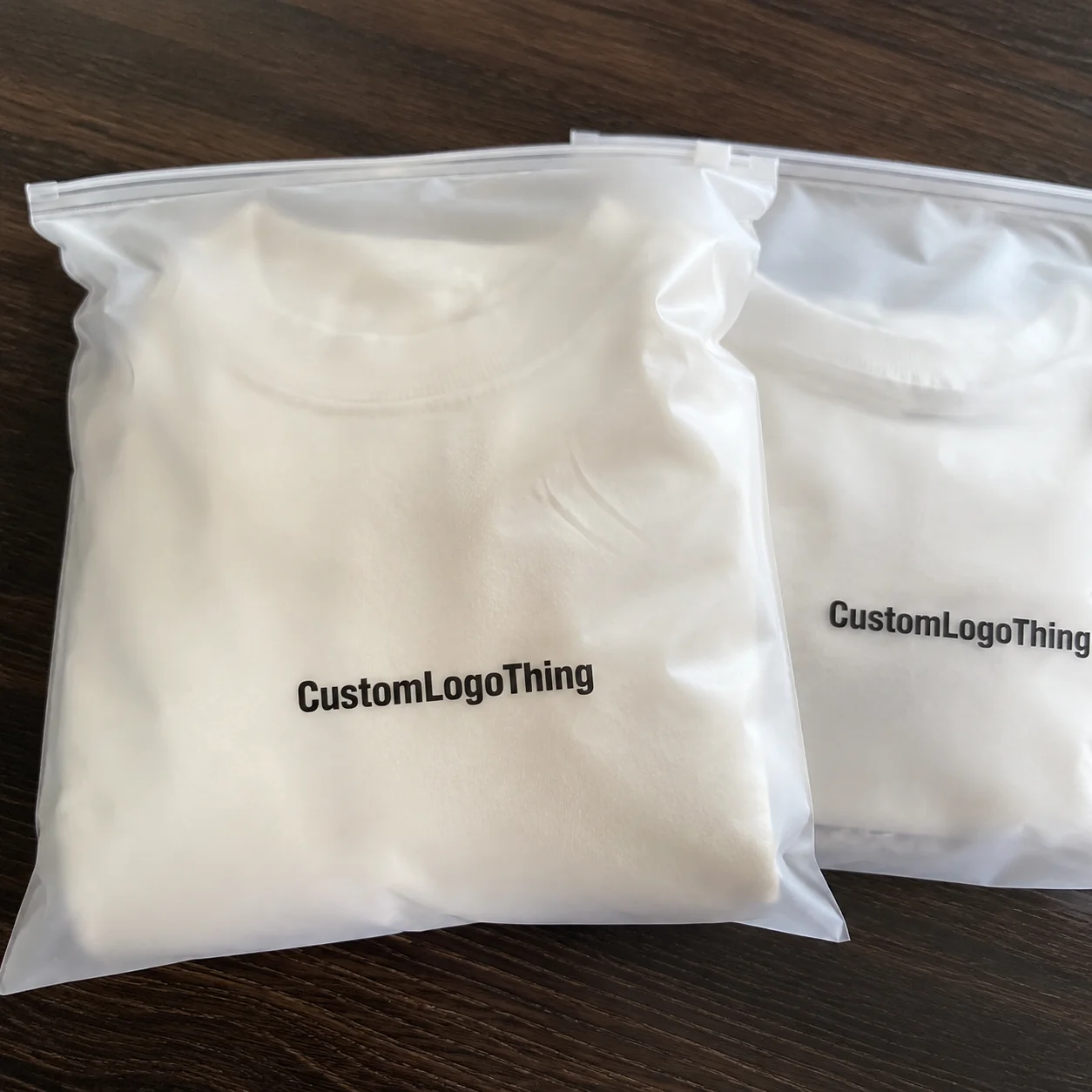
Garment Poly Bags are the clear or semi-clear outer bags used for folded apparel, set packs, inserts, and direct-to-customer shipping. They keep dust off the garment, reduce surface scuffing, help the product stay folded, and make the pack look finished instead of improvised. In ecommerce, that matters. Customers notice when the package feels neat. They also notice when it does not.
The right way to choose is to compare the film against the real job: product type, shipping distance, storage time, fulfillment speed, and how polished the customer-facing pack needs to look. A premium tee kit does not need the same film as a bulk basics program. A warehouse that holds inventory for weeks needs better stability than a fast-turn launch. That is why Garment Poly Bags for Ecommerce brands material comparison should start with use case, not with the supplier's default spec.
The packaging mistake most ecommerce brands make first
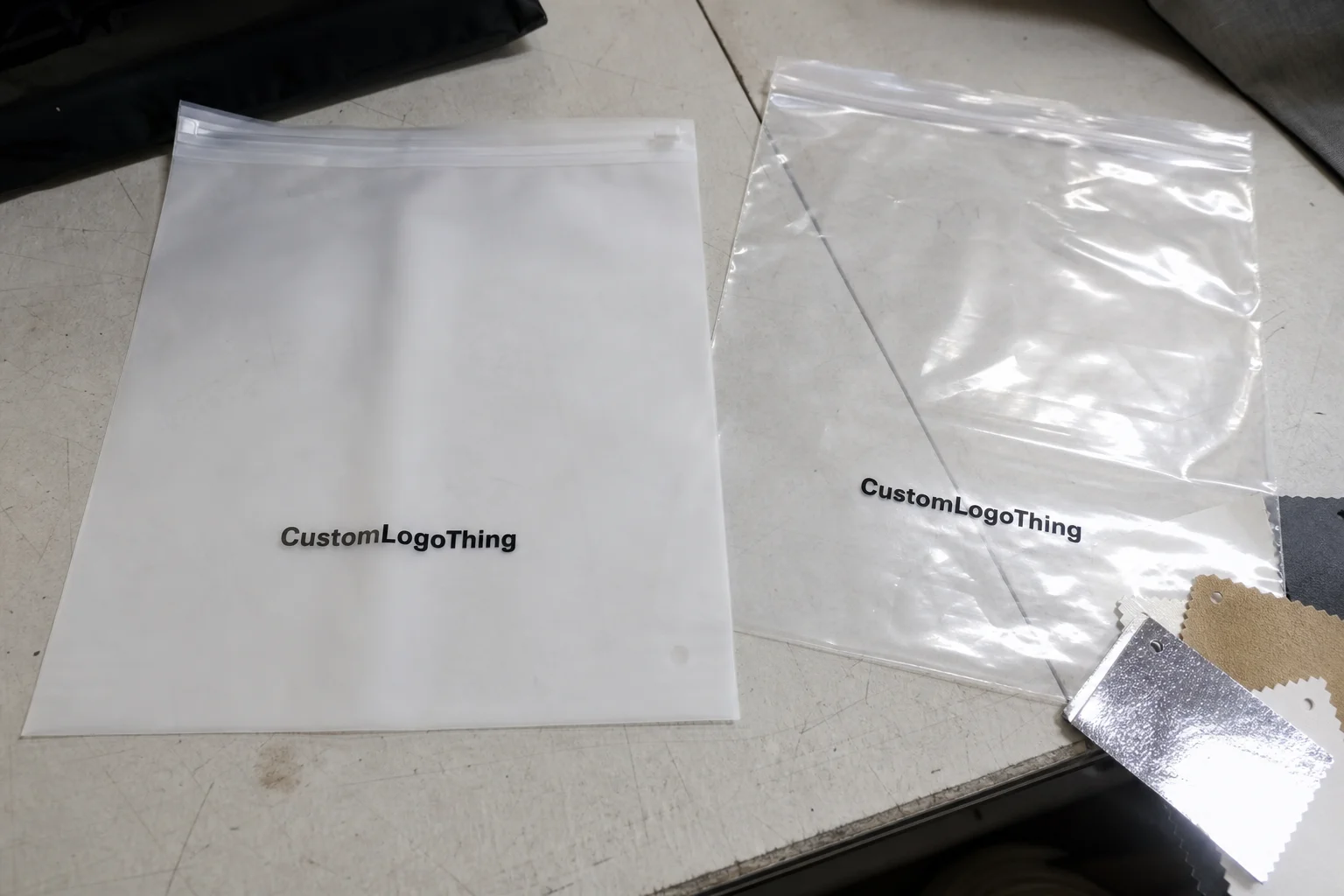
The first mistake is assuming every clear bag performs the same. They do not. One film feels soft and flexible, another is crisp and glassy, and a third tears when a packer handles it too quickly. From a buyer's point of view, the bag has four jobs: protect the garment, present it cleanly, seal reliably, and survive the packing line without turning into a problem.
That last part is where the real cost shows up. A bag that slows fulfillment by a few seconds per order is not cheap. It is labor disguised as savings. A bag that wrinkles badly can make a premium hoodie look lower value than it is. A bag that seals inconsistently forces packers to check every unit twice. None of that shows up in the quote, but all of it shows up in the margin.
Most ecommerce apparel programs use Garment Poly Bags for folded tees, underwear, socks, activewear sets, matching loungewear, and outerwear bundles. The same bag can also serve as a dust sleeve inside a shipper or as a retail-ready protective layer before the item goes into a mailer or box. If the outer package is a mailer or corrugated carton, the inner bag still shapes the customer's first impression.
If the film tears in packing, the quote was fake economy. If the film looks dull on arrival, the customer notices before they read the tag.
What makes the decision tricky is that the best film depends on the brand promise as much as the product. A value basics label may care most about cost and seal reliability. A premium athleisure brand may care about clarity, stiffness, and a sharper feel. A sustainability-led brand may need recycled content or a biodegradable claim that can survive scrutiny. That is the real starting point for garment poly Bags for Ecommerce brands material comparison.
Garment poly bags for ecommerce brands material comparison in the real world
The main film choices are straightforward. LDPE or PE is the workhorse: soft, flexible, economical, and forgiving on the packing line. CPP is stiffer and clearer, so it tends to look sharper on premium apparel. Recycled PE is the middle path for brands that want recycled content without moving into specialty films. Biodegradable films can support a marketing or compliance story, but they usually come with higher cost and more variable performance.
Here is the practical comparison buyers usually need first:
| Material | Typical Feel | Strength Profile | Clarity / Haze | Common Use Case | Relative Cost |
|---|---|---|---|---|---|
| PE / LDPE | Soft, flexible | Good puncture resistance in mid gauges, decent seal window | Clear to lightly hazy | Basics, everyday apparel, budget-conscious fulfillment | Low |
| CPP | Stiffer, crisper | Good seal behavior, less forgiving on rough packing | Very clear, glossy | Premium tees, sets, retail-ready presentation | Medium |
| Recycled PE | Similar to PE, sometimes more variable | Depends on recycled content blend and gauge | Often slightly hazier | Sustainability-led ecommerce programs | Medium |
| Biodegradable film | Can feel stiffer or more brittle | Varies widely by formulation | Usually clear enough, but not always polished | Specific environmental positioning or retailer requirements | High |
PE wins on flexibility and cost control. In practice, it handles most folded garment applications without making the pack feel flimsy. CPP wins on presentation. It has a cleaner, sharper look that works well for premium basics and athleisure, especially when the garment itself is part of the display. Recycled PE is useful, but buyers should expect some variation in clarity and feel because recycled feedstock is not perfectly uniform. That is not a defect. It is the tradeoff.
Biodegradable films deserve caution. Some perform acceptably in controlled applications, but behavior can vary and cost can climb quickly. If the brand story depends on sustainability, the claims need to match the actual material spec and the disposal reality in the markets where the product is sold. For recycled content and waste language, the EPA has useful references on recycling and sustainable material claims. For shipment testing, ISTA transit test methods are a solid reference point.
Construction matters too. Side seals, bottom seals, lip-and-tape closures, vent holes, and euro slots all change how the bag behaves. A bag can be technically clear and still fail the job because the seal is weak or the opening is awkward for the packing team. Material matters, but structure matters just as much. That is especially true for garment poly bags for ecommerce brands material comparison decisions where the bag also carries brand presentation.
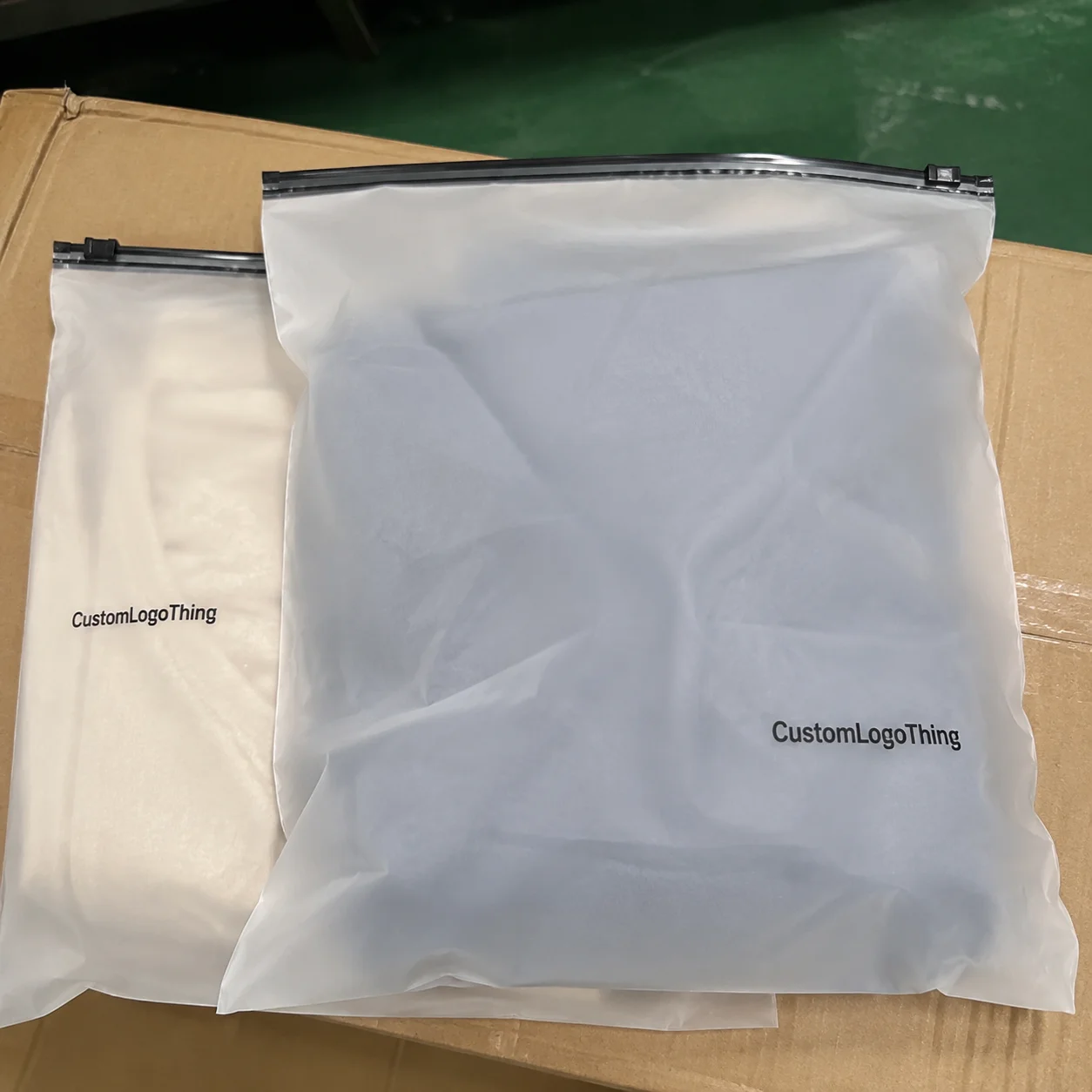
For premium basics, the film feel influences perception more than most founders expect. A stiff, glossy CPP bag makes the pack look deliberate. A cloudy bag can make the same item feel less valuable, even if the garment inside is identical. That is not fluff. It shows up in conversion, reviews, and customer service feedback.
For a wider view of packaging formats, materials, and print options, the team at Custom Packaging Products can compare bag specs against mailers, inserts, and outer packaging systems. If you want a broader packaging benchmark, the Case Studies page is a better place to look than guessing.
Key factors that drive cost, pricing, and MOQ
Price is not one number. It is a stack of variables. Resin type, thickness, bag size, print coverage, closure style, recycled content, and whether the bag is stock or custom-made all move the quote. A plain clear PE bag in a standard size is usually the cheapest route. Add custom print, a specialty film, or a narrow size tied to one fold style, and the price moves quickly.
For rough planning, a plain clear PE garment bag at a few thousand pieces might land around $0.04 to $0.11 per unit, depending on size and gauge. Custom printed or recycled-content versions can move into the $0.08 to $0.22 range, and specialty biodegradable films can sit higher still. Those are not promises. They are planning ranges that help a buyer ask better questions before the quote gets treated like gospel.
MOQ usually rises with customization. Custom sizing, multiple print colors, and specialty films often push the minimum order up because the factory needs setup time, material coordination, and a production run large enough to justify the tooling. A stock bag may be available in lower quantities. A custom bag with a special closure or printed logo often needs several thousand pieces before the numbers make sense.
Thickness matters, but not in the lazy "thicker is always better" way people like to repeat. A lighter gauge is cheaper. It also tears sooner, hazes faster, and can create more repacking labor. Go too thin and the savings disappear in rework and returns. For light tees, a thinner spec may be enough. For hoodies, joggers, or multi-item sets, a heavier film often pays back in fewer damaged packs.
Here is the practical way to compare quotes:
- Check the stated thickness in microns or mils, not just "standard."
- Confirm the bag size against the folded garment dimensions.
- Verify print coverage, color count, and whether one side or both sides are printed.
- Ask for the closure type: lip-and-tape, self-seal, heat seal, or open-top.
- Confirm carton count, pack-out format, and freight assumptions.
The last item is where quotes get slippery. A lower unit price can hide a worse carton count, extra freight, or a packaging configuration that slows fulfillment. If the quote does not say whether samples, tooling, and freight are included, the real cost is not clear yet. Buyers hate that moment. Suppliers usually do too, for different reasons.
For brands that also use boxes or wrapped inserts, the broader packaging mix can change the economics. A recycled film bag inside an FSC certified carton with kraft paper filler may cost more than a bare-bones setup, but the full pack can reduce returns and improve the customer's perception of quality. The landed cost matters more than the unit quote in isolation.
Production steps and lead time from quote to carton
The production path is usually predictable, but only if the spec is clear. First comes size confirmation, then film selection, artwork prep, and setup for plates or cylinders if the bag is printed. After that, the factory may provide a sample or proof. Then production starts, quality checks happen, and the finished cartons ship. Simple enough. The problem is that one vague detail can add days to the schedule.
Artwork complexity is one of the biggest timing variables. A single-color logo print moves faster than a full-coverage design. Specialty film sourcing can also extend lead time, especially if recycled content or bioDegradable Packaging Materials need to be matched to a specific spec. Custom sizing adds another layer because the factory cannot just run a stock die and call it done.
For unprinted or stock-style bags, lead time can be fairly short. For custom printed orders, a common range is 12 to 18 business days after proof approval, with specialty films or complex setups stretching longer. If a brand needs samples first, add the sample cycle on top. If approval drags because half the team wants a different gloss level, the calendar will not care about the launch date.
Clear specs save time. Define the folded garment dimensions, closure preference, film finish, target thickness, and pack-out count per carton. If those details are missing, the factory will make reasonable guesses. Reasonable guesses are fine in fiction. They are annoying in production.
A simple spec sheet should include:
- Garment type and folded size
- Bag dimensions and tolerance range
- Material and thickness target
- Closure style
- Print colors and placement
- Carton pack count
- Shipment destination and delivery window
Those basics are enough to keep the project moving. If the bags are going into a fulfillment center that also packs Corrugated Cardboard Boxes or mixed mailers, note that up front. A bag that works on one packing line can feel awkward on another. That is especially true for high-speed apparel operations where a small sealing issue becomes a daily problem.
Material comparison for specific apparel use cases
Different apparel categories need different film behavior. Basics like tees and underwear usually do well in PE because cost matters and the product does not need a rigid presentation. Premium folded apparel, especially items sold on appearance, often benefits from CPP because the clarity and stiffness make the pack look cleaner. Outerwear and heavier sets need more puncture resistance, which pushes many buyers toward a stronger PE gauge or a more structured format.
For athleisure and subscription kits, the bag itself can do a lot of branding work. A crisp bag makes the set feel organized and intentional. If the customer is opening leggings, a sports bra, and a top as one coordinated bundle, the packaging should look like a set, not a pile of separate inventory. That is where garment poly bags for ecommerce brands material comparison pays off. The wrong film makes the set look cheaper than it is.
Recycled PE is often the best middle ground for brands with sustainability goals. It gives a credible recycled materials story without the price and performance swings that can come with specialty biodegradable packaging. That said, recycled content is not magic. If the film is too hazy or inconsistent, the presentation suffers. Ask for samples under warehouse lighting, not just on a designer's desk. A bag that looks fine under soft office light can look cloudy in a fulfillment center.
Humidity and storage time are the other hidden variables. If inventory sits in a warm warehouse for weeks, the film needs to hold up without warping, sticking, or losing clarity. Some bags do fine in short windows and become annoying over long storage cycles. This is why a startup's first order can look perfect and the second order can expose the real limits. Long storage is not a theoretical problem. It is a delayed one.
Here is a simple recommendation matrix:
- Best for budget: clear PE in an appropriate mid gauge
- Best for premium look: CPP with clean print and a crisp finish
- Best for sustainability story: recycled PE with documented recycled content
- Best for fast turnaround: stock clear PE or a standard custom spec with minimal print
If the brand wants a more complete package around the apparel bag, the design can also include paper inserts, kraft paper tissue, or a box program built from corrugated cardboard. Those elements do not replace the bag. They support it. And if the pack includes a retail shipper, pairing the right bag with the right outer format is usually smarter than overpaying for a fancy bag and hoping everything else catches up.
Common mistakes when sourcing garment poly bags
Price-only sourcing is the classic mistake. A cheap film that tears during packing is not cheap. It just moves the cost from procurement to returns, repacking, and customer complaints. That is a bad trade, especially for apparel brands that depend on repeat orders and clean review scores.
Another common problem is vague language. "Clear bag" is not a spec. "Strong enough" is not a spec. If the quote does not define thickness, dimensions, seal type, and material, the buyer is comparing guesses. That is how low quotes sneak through until production arrives and the bags are too small, too flimsy, or too cloudy to use.
Compliance language can also go sideways. Sustainability claims should match the actual material and the way it is described to customers. A recycled-content bag is not the same thing as a biodegradable film, and neither one should be marketed loosely. If the brand uses FSC certified paper components elsewhere in the pack, keep the labels accurate and separate from the poly film claims. Mixing those messages creates confusion fast.
Too much print can hurt more than help. An opaque design may hide the garment and reduce the product's visual appeal, especially for ecommerce photos and unboxing content. A little branding goes a long way. Full coverage only makes sense if the brand wants that look and is willing to pay for it.
Ask for an apples-to-apples quote. Same size, same thickness, same carton count, same freight basis. Otherwise you are not comparing suppliers. You are comparing noise.
One more issue: some brands forget to test the bag in the real pack-out flow. The factory sample might look good on a bench. Then the fulfillment line runs it at speed and the lip sticks wrong, or the seal takes too long, or the bag catches on gloves. That is why sample testing matters. It is cheaper than learning the lesson after purchase orders are already committed.
For most teams, the safer approach is to shortlist two materials, request samples in the actual folded size, and compare them under the same warehouse lighting used in daily fulfillment. That keeps the decision grounded in reality instead of presentation decks.
Next steps for choosing the right bag
Start with the product. Choose the bag around the garment, not around the supplier's default spec. If the item is lightweight and budget-sensitive, PE is usually the first sample to request. If the product needs a cleaner premium look, ask for CPP alongside PE so you can compare clarity and feel side by side. If sustainability is part of the offer, add recycled PE and a biodegradable option only if the business case actually supports the higher cost.
Then ask for samples in the real folded size. Not a guessed size. Not a "close enough" size. The actual folded garment format. Test sealing, tear behavior, clarity, and the way the bag looks under bright warehouse lighting. If the product is sold through ecommerce and also stored for a while, leave the sample sitting for a few days and check whether it stays crisp.
A simple spec sheet is enough to move forward:
- Bag dimensions
- Material choice
- Thickness target
- Closure style
- Print count and placement
- Packaging count per carton
- Target order volume
Compare landed cost, not just unit price. Freight, spoilage, sample cycles, and packing labor can change the result more than a small difference in film cost. A slightly higher quote can still be the better buy if it reduces returns or speeds fulfillment. That is the boring truth. It is also the one that keeps margins alive.
If you want to cross-check the packaging system around the bag, the broader mix matters. A poly bag inside a poly mailer is a different problem from a bag inside a printed carton with kraft paper inserts. The right answer depends on the route the garment takes to the customer and how much presentation the brand wants to carry through the box opening.
For a first order, I would choose one sample to test in fulfillment, one to show the internal team, and one to put in front of customer service or operations for feedback. That sounds simple because it is. Simpler beats clever when the packaging has to work every day. The same logic applies to garment poly bags for ecommerce brands material comparison: pick the film that protects the product, looks right on arrival, and does not create avoidable cost.
Which material is best for garment poly bags for ecommerce brands that want a premium look?
CPP usually gives the clearest, crispest presentation when the product needs to look sharp on arrival. Clear PE is often the more economical premium option if the brand wants flexibility and lower unit cost. The final choice should depend on how much clarity, stiffness, and seal strength the product needs.
How do I compare unit cost without getting fooled by a low quote?
Compare thickness, size, print coverage, closure style, carton count, and freight terms on the same basis. Ask whether the quote includes samples, tooling, and packaging configuration. A lower unit price can still cost more if the film is too thin or the MOQ forces overbuying.
What thickness should I start with for apparel shipping bags?
Many ecommerce apparel programs start in the mid-thickness range, then adjust based on tear risk and product weight. Light tees need less protection than heavier fleece or multi-item bundles. Test with your actual fold size and fulfillment process before locking the spec.
Are recycled or biodegradable garment poly bags worth the higher price?
Yes, if the brand has a clear sustainability goal or the packaging is part of the customer-facing story. No, if the higher cost does not improve brand trust or meet a real customer or retailer requirement. Ask for proof of material claims and confirm performance before committing to volume.
How long does production usually take once the spec is approved?
Lead time depends on material availability, print complexity, and whether the bag is stock or custom-made. Straightforward orders move faster than custom sizes with multiple print colors or specialty films. Build in time for sampling and final approval if the order is tied to a launch or warehouse change.