Overview: Why bag quality only gets noticed when it fails
The Garment Poly Bags for Event teams quality inspection guide matters because bad bags do not fail politely. They split on the loading dock, haze over the logo, trap air in the stack, or slow down a crew that already has enough to juggle. Packaging is supposed to disappear into the workflow. When it does its job well, nobody talks about it. When it fails, everybody talks about it.
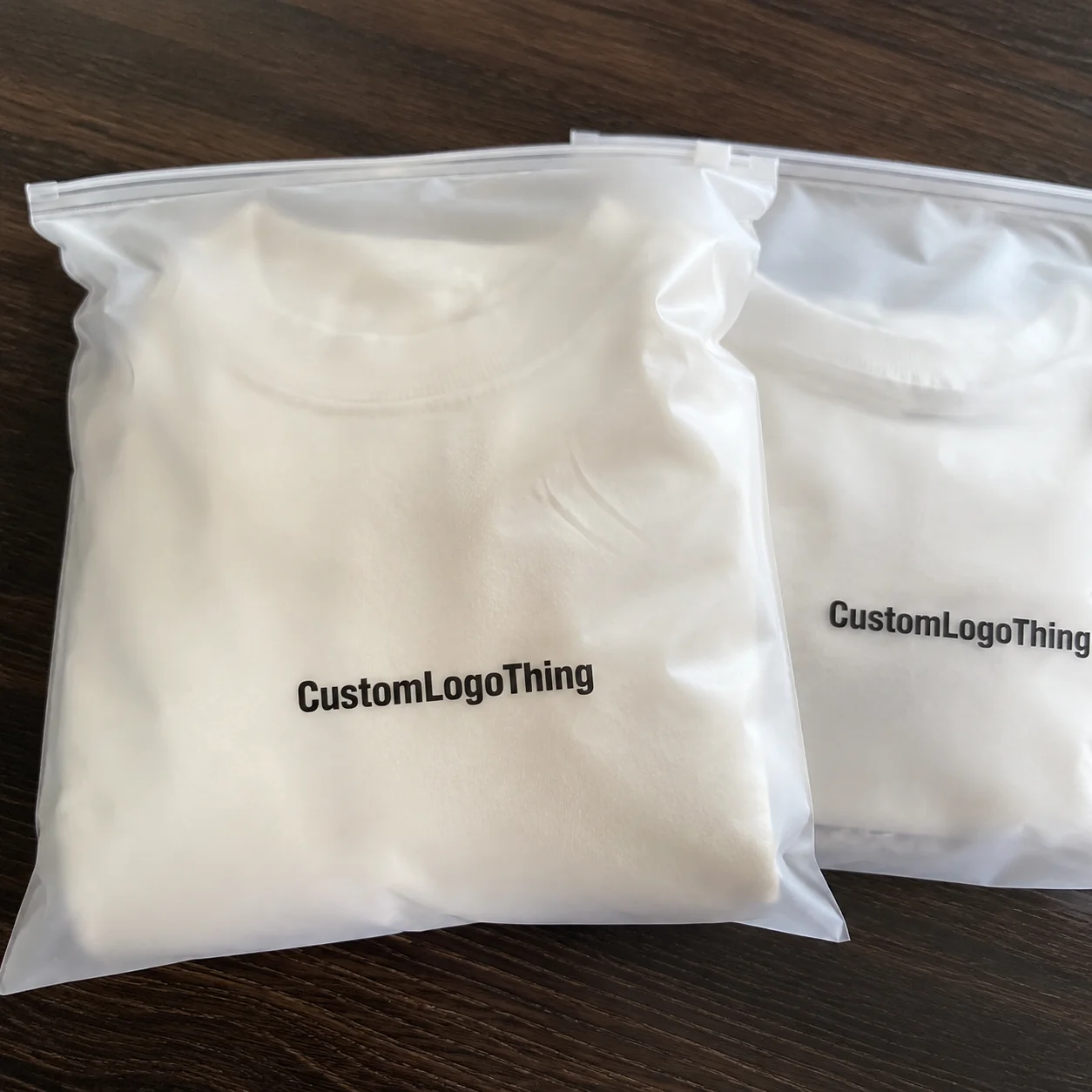
Garment poly bags are lightweight polyethylene bags used to protect folded apparel during storage, transport, staging, and distribution. Event teams use them for shirts, polos, jackets, staff uniforms, volunteer kits, and giveaway apparel because they are inexpensive, light, and easy to sort in bulk. That sounds simple, and it is, but “plastic bag” covers a lot of territory. A warehouse storage bag, a retail-style presentation bag, and a custom printed event bag can all look similar on paper while behaving very differently in the real world.
For event work, the bag has to do more than protect fabric. It has to help the team move fast, identify items quickly, and keep the final handoff looking organized. If a crew is pulling 400 shirts from cartons at 5 a.m., a bag that opens poorly or clouds the size label is not a minor annoyance. It is wasted time.
That is why a Garment Poly Bags for Event teams quality inspection guide should focus on actual use: fit, seal, clarity, handling, and carton condition. Not just whether the bag passes a visual check under a warehouse light.
How garment poly bags support event packing and distribution
Most event packing lines follow a pretty ordinary sequence. Garments are folded, inserted, sealed or folded closed, labeled, and then sorted by size, department, or distribution lane. Nothing glamorous. The trouble is that event apparel usually moves through carts, bins, trailers, backstage storage, and multiple hands before it reaches the final user. That means the bag needs to survive more than one simple drop test.
Film thickness matters because bags rub against cardboard, tape edges, zippers, and other packages. For many apparel uses, a thickness around 1.5 to 3 mil is common. Thinner film can reduce cost, but it also raises the odds of tearing at folds or along the seal line. Heavier jackets, uniforms with hardware, or longer storage periods often justify a thicker gauge. There is no prize for saving a fraction of a cent if the bag opens in transit.
Event teams also rely on a few practical features:
- Suffocation warnings for safety and common packaging compliance expectations.
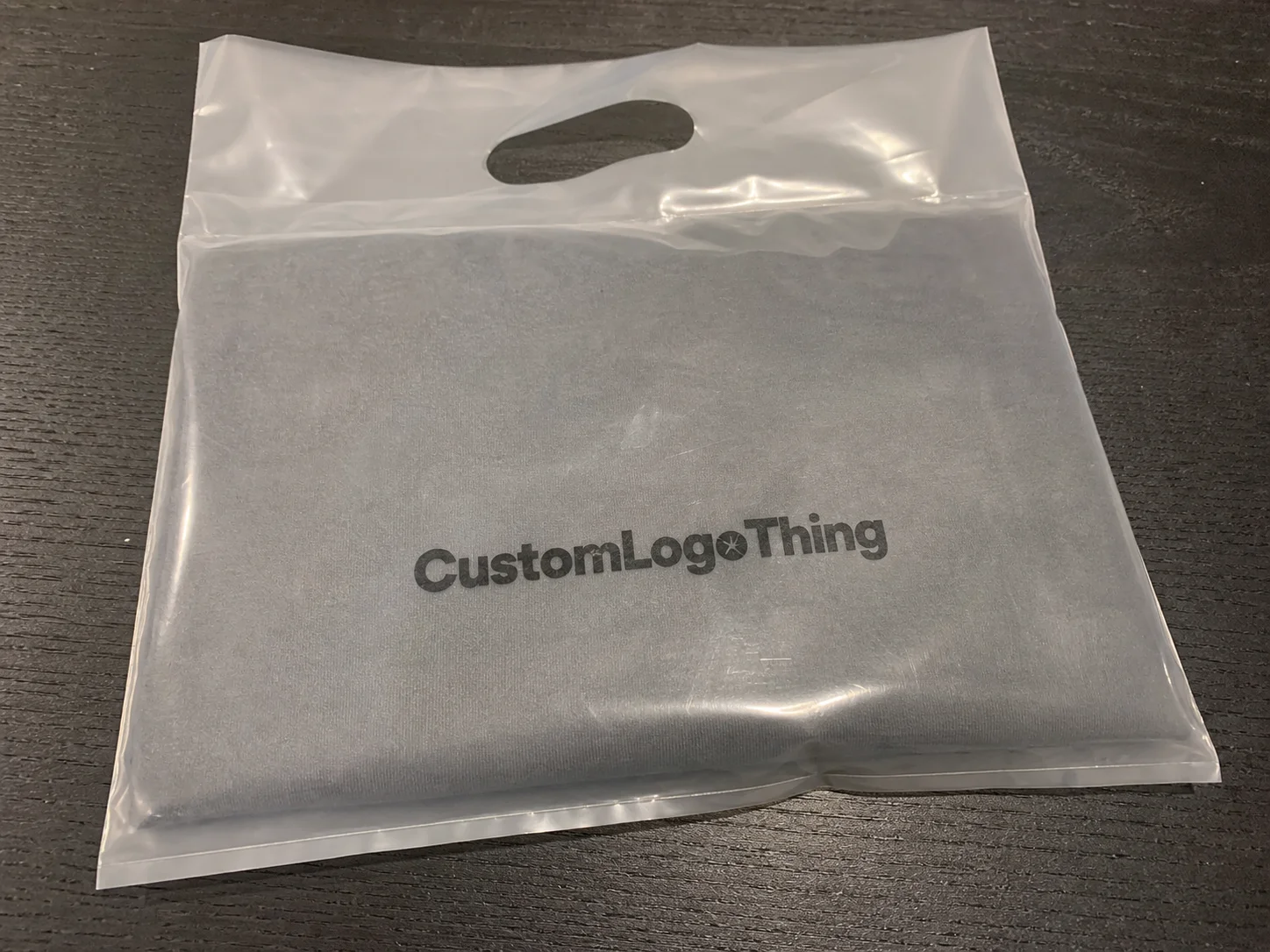
- Hang holes for display, warehouse hooks, or racking.
- Resealable closures when garments may be checked, swapped, or redistributed.
- Printed labels, sizes, or logos for faster identification and cleaner presentation.
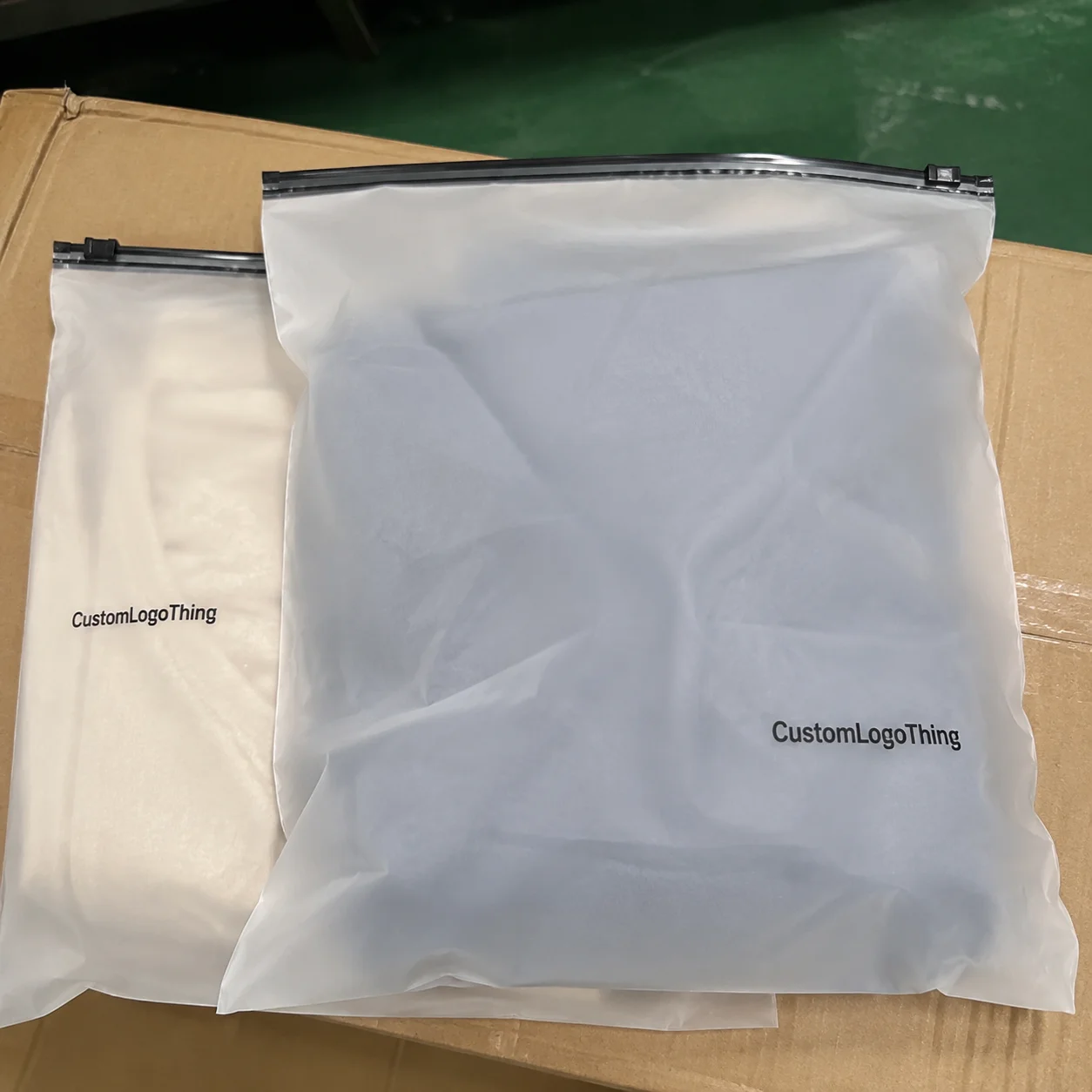
Clarity is a bigger deal than buyers sometimes expect. Clear poly lets staff verify contents quickly, which saves real time during staging. Frosted or tinted film can look cleaner under bright event lighting and reduce glare, but it should not hide the item inside. If the crew has to lift the bag to a lamp just to read the label, the film is helping style and hurting operations.
“A good bag does not need to be fancy. It needs to behave the same way every time. Consistency keeps the packing table moving.”
Some buyers compare apparel bags with other protective formats at the same time, especially if they are sourcing multiple event packaging components. Related references like Custom Packaging Products and Custom Poly Mailers can help teams compare film options, closure styles, and print requirements across different uses.
Key quality factors to check before you approve a run
The strongest Garment Poly Bags for Event teams quality inspection guide starts with measurable specs. “Looks fine” is not a spec. Neither is “probably okay.” If a bag tears during handling or hides the size label, the inspection missed the point.
Film thickness and consistency
Gauge consistency is one of the first checks. A batch can be labeled 2 mil, but if the actual thickness swings too much across the roll or between cartons, some bags will feel solid while others split too easily. Event crews do not handle packaging gently. Bags get picked up by corners, slid into bins, stacked under pressure, and sometimes yanked out by tired hands. Ask for thickness tolerances, not just a nominal gauge. A supplier who can explain roll-to-roll variation usually has a better control process than one who cannot.
Seal strength and edge trim
If the bags are heat-sealed or factory-finished with welded edges, the seal should run continuously and cleanly. Weak spots, jagged trim, or stray film threads can snag during packing and fail during transport. A practical test is simple: load a few sample bags with the actual folded garment, carry them, shift them around, and stack them as the crew would. Watch the corners. Watch the seam. If the seal starts whitening, stretching, or opening, that run is not ready.
Transparency, haze, and surface quality
Good clarity speeds up sorting. Too much haze hides size tags, logo placement, or the garment shape itself, which means more label checks and more table traffic. Surface quality matters too. Scratches, oily residue, dust, or a strange tacky feel can point to resin problems, contamination, or sloppy handling during production. For client-facing handoffs, the bag should look clean and consistent, not cloudy or scuffed straight out of the carton.
Sizing tolerances and fit
The fit should match the actual folded garment, not a theoretical size written on a purchase order. If the bag is too tight, it compresses seams and makes the stack unstable. If it is too loose, the garment shifts inside and the carton looks messy. A useful sample is one packed the same way your team will pack the real order. Fold the item, insert it, close it, stack it, and see how it behaves. That is more useful than looking at a flat sample on a table.
Compliance and print quality
If the bag includes warning text, size marks, barcode labels, or branding, those details need to stay readable after handling and stacking. Check print alignment, ink coverage, and resistance to smudging. For packaging safety and sustainability references, groups such as the Packaging Machinery Manufacturers Institute and the EPA provide useful context, though actual recyclability depends on local collection rules, film condition, and contamination.
| Feature | Basic storage bag | Presentation-ready event bag | Typical impact on workflow |
|---|---|---|---|
| Film clarity | Moderate haze | High clarity or controlled frosted finish | Faster item identification |
| Thickness | 1.2-1.5 mil | 1.75-3 mil | Better tear resistance in carts and bins |
| Closure | Fold-over or basic seal | Strong seal or resealable closure | Less reopening risk during staging |
| Plain or minimal marking | Size, warning text, logo, or barcode | Cleaner sorting and brand presentation | |
| Best use | Warehouse storage | Event distribution and client-facing handoff | Improved speed and appearance |
Step-by-step process and timeline for inspection and approval
The safest way to use a Garment Poly Bags for Event teams quality inspection guide is to build a small approval process before the full run starts. Sampling first costs less than fixing a bad shipment after the team is already on deadline.
Start with a production sample
Compare the sample against the approved spec for dimensions, gauge, closure style, print placement, and overall finish. A sample should not just look close. It should be close enough to test in a real packing situation. If the bag is meant for a folded polo, use a folded polo. If it is meant for a jacket, use the jacket. That sounds obvious, which is usually a sign that someone will still skip it.
Inspect incoming cartons
Check the outer cartons first. Crushing, water staining, heavy tape repairs, or heat exposure can signal damaged inventory before a single bag is opened. Open random cases from different parts of the shipment, not only the top layer. Look for clean-cut edges, consistent count, no foreign debris, and no sharp chemical odor. A mild plastic smell can be normal. A strong, persistent odor usually deserves a closer look.
Run a real handling test
Insert folded garments into several sample bags, close them, then shake, carry, and stack them the way the crew will during event prep. Weak seals show up fast here. So do bags that are awkward to open or so slippery that they keep shifting in hand. The right bag should hold shape without fighting the fold. If it sticks to itself too aggressively, you will hear complaints within minutes.
Document defects clearly
Take photos, count the defective units, and separate acceptable stock from rework and reject stock. The supplier can act much faster when the issue is classified by type: off-size, poor seal, print shift, haze, contamination, or transit damage. Keep the notes short and factual. “Seal open on left edge, 7 of 50 tested” is useful. “These bags are terrible” is not.
Typical timing is fairly predictable, though it depends on print complexity and the supplier’s schedule. Sampling usually comes first, then production starts after approval, then final inspection happens before the event team is under pressure. For custom printed bags, many buyers see 10 to 15 business days from proof approval to production completion, with transit added on top. Rush orders can compress that window, but they usually increase the price and leave less room for error.
Cost, pricing, and MOQ factors that change the final quote
Pricing for event apparel bags is driven by a small set of real variables: resin type, film thickness, bag size, print coverage, closure style, and extras such as headers or hang holes. A plain clear bag with a simple warning print is usually the least expensive option. Custom colors, multi-color graphics, and resealable closures add cost because they increase setup and production control requirements.
MOQ matters too. Lower minimum order quantities usually push the unit price up because setup costs are spread across fewer bags. Larger event programs often get better pricing once print setup and line time are divided across volume. For simple clear garment poly bags, buyers may see pricing in the range of $0.05 to $0.14 per unit at higher volumes. Heavier-gauge bags, custom printing, or special features can push that higher. If a quote lands far outside that range, ask what is included before using it as a comparison point.
Rush production, custom colors, extra print colors, and unusual carton packing can all move the quote more than teams expect. Freight can do the same thing. A low unit cost does not mean much if the packaging arrives in a format that slows the crew or creates repacking work. Buyers should compare usable quality, not just resin cost. A weak bag that splits during sorting is expensive, even if the invoice looks pretty.
Lead time affects budget as well. Faster production windows often need priority scheduling, and that usually costs more before shipping is even counted. If the order is close to fulfillment or event load-in, ask for a quote that separates product cost, print setup, shipping, and any expedited charges. That makes the comparison cleaner and avoids the usual surprise where the “cheap” quote stops being cheap halfway through procurement.
Common inspection mistakes that create costly rework
One of the easiest mistakes is skipping the real-use test and judging bags by appearance alone. A film can look crystal clear on a light table and still tear when someone grabs it by one corner. Appearance matters, but it is not the whole job.
Another common miss is approving a sample without checking print alignment, barcode readability, or warning text after folding. If the bag is meant to be folded over or stacked tightly, the print can end up hidden, crooked, or split across a seam. That becomes a problem fast when staff are sorting dozens or hundreds of items under time pressure.
Carton condition and storage exposure are also easy to overlook. Bags stored in heat, damp conditions, or under crushed cartons can behave differently before they ever reach the event team. Even if the spec is correct, the delivered inventory may not be. That is why incoming inspection is not a box-ticking exercise.
The last mistake is ignoring workflow. A technically acceptable bag can still be a bad bag if it is awkward to open, too slippery for quick handling, or hard to read once stacked. Event prep rewards speed. Speed depends on consistency.
Expert tips for getting event-ready poly bags right the first time
Standardize one inspection checklist for all event apparel. Keep it short: size, gauge, closure style, clarity, print, carton condition. Using the same criteria across orders makes supplier comparisons fair and helps spot recurring issues faster. A long checklist nobody uses is just stationery with a confidence problem.
Ask for production photos or a pre-ship sample when the timeline is tight. It is a simple request, but it can catch obvious defects before freight leaves the dock. Match the bag style to the garment instead of forcing one bag type onto everything. Lightweight tees, polos, jackets, and staff uniforms do not all need the same protection level.
Build a buffer into the schedule. One round of approval, transit time, and a correction window should be part of the plan from the start. If the bags are custom printed, keep artwork approval separate from physical sample approval. Artwork can look fine on screen while the actual bag still misses on transparency, fit, or fold behavior.
For teams that reorder apparel packaging repeatedly, a written spec sheet is worth the effort. It reduces memory-based mistakes and gives procurement a cleaner way to compare suppliers. If the same operation also buys mailers or accessory packaging, keeping those specs organized in one place saves time later.
There is one more practical habit that pays off: keep a small approved reference sample from the last good run. It gives the team something physical to compare against when a new order arrives. That is often more useful than digging through old emails for a dimension nobody remembered correctly.
Next steps: build your spec sheet and request a quote
The cleanest way to apply the Garment Poly Bags for Event teams quality inspection guide is to turn it into a spec sheet the team can actually use. Include the garment type, folded size, target bag dimensions, film preference, closure style, print needs, and quantity. If possible, add a photo of the folded item beside a ruler. One picture prevents a lot of guesswork.
Then request a sample or proof and approve it only after confirming the fit, clarity, seal performance, and handling behavior under real packing conditions. If the bag passes in the warehouse, it is much more likely to perform during event staging. If it fails there, you have avoided a much bigger headache later.
Compare quotes using the same assumptions for MOQ, shipping, lead time, and print complexity. One quote can look cheaper until freight, setup, or carton configuration is added. Good buying decisions come from apples-to-apples comparisons, not from the lowest number on the page.
Keep the final inspection checklist with every incoming batch and record defects for future orders. That history becomes useful fast, especially for recurring events and repeated uniform programs. A good bag run should be boring. Boring means the crew packs faster, the stacks stay neat, and nobody is repacking shirts at the last minute.
FAQs
How do I inspect garment poly bags for event teams without slowing packing?
Use a short checklist that covers size, film thickness, seal strength, clarity, and label readability. Test a small sample the same way the crew will pack it during the event, then record defects by type so acceptable stock can be approved quickly and problem stock isolated fast.
What bag features matter most for event apparel packaging quality?
Consistent gauge, strong seals, and correct sizing matter most for protection and speed. Clear film helps with identification, while clean print and warning text support compliance and presentation. The best bag is the one that fits the garment neatly without slowing the team down.
What causes poly bags to fail during event use?
Thin or inconsistent film can tear when bags are handled repeatedly. Poor seals can open during transport or while crews are sorting items. Oversized or undersized bags can wrinkle garments and make staging more difficult.
How much do custom garment poly bags usually cost?
Cost depends on size, thickness, print complexity, closure style, and order volume. Lower MOQ usually increases unit cost, while larger runs tend to reduce it. Rush orders and special finishes can raise the quote significantly.
What should I check before approving a production run?
Confirm dimensions, print placement, closure style, and material clarity against the approved sample. Inspect random cartons for seal quality, contamination, and consistency across the lot. Make sure the bags work with your real packing process before greenlighting full production.