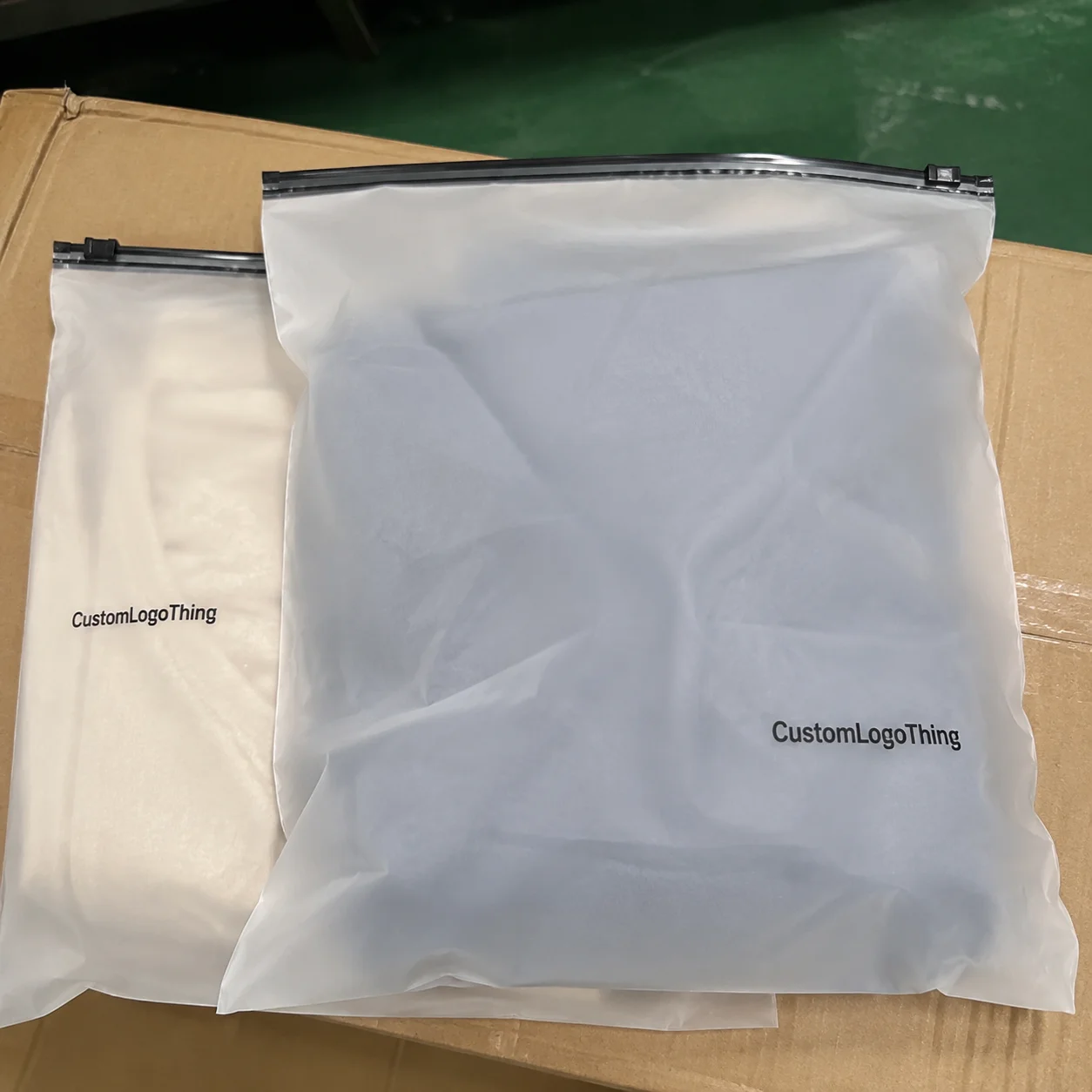
If you are sourcing Garment Poly Bags for hotel groups supplier quote checklist, the first mistake is usually the simplest one: asking for “clear bags” and hoping the supplier guesses the rest. They won’t. Then the uniforms arrive in the wrong fold, the thickness is off, and housekeeping is left fixing a packaging problem that should have been prevented at the RFQ stage.
Hotel groups need tighter specs than most buyers expect because these bags do more than cover garments. They protect robes, uniforms, spa apparel, and housekeeping textiles during storage, transfer, and distribution. A small size mismatch can slow folding, wrinkle product, and create rework across multiple properties. That is not a minor nuisance. That is labor cost, inventory friction, and avoidable waste.
The goal is simple: build a quote request that gets accurate, apples-to-apples pricing on the first round. That means a real Garment Poly Bags for Hotel groups supplier quote checklist, not a vague email and a hopeful phone call.
Why hotel groups need tighter garment bag specs than they think
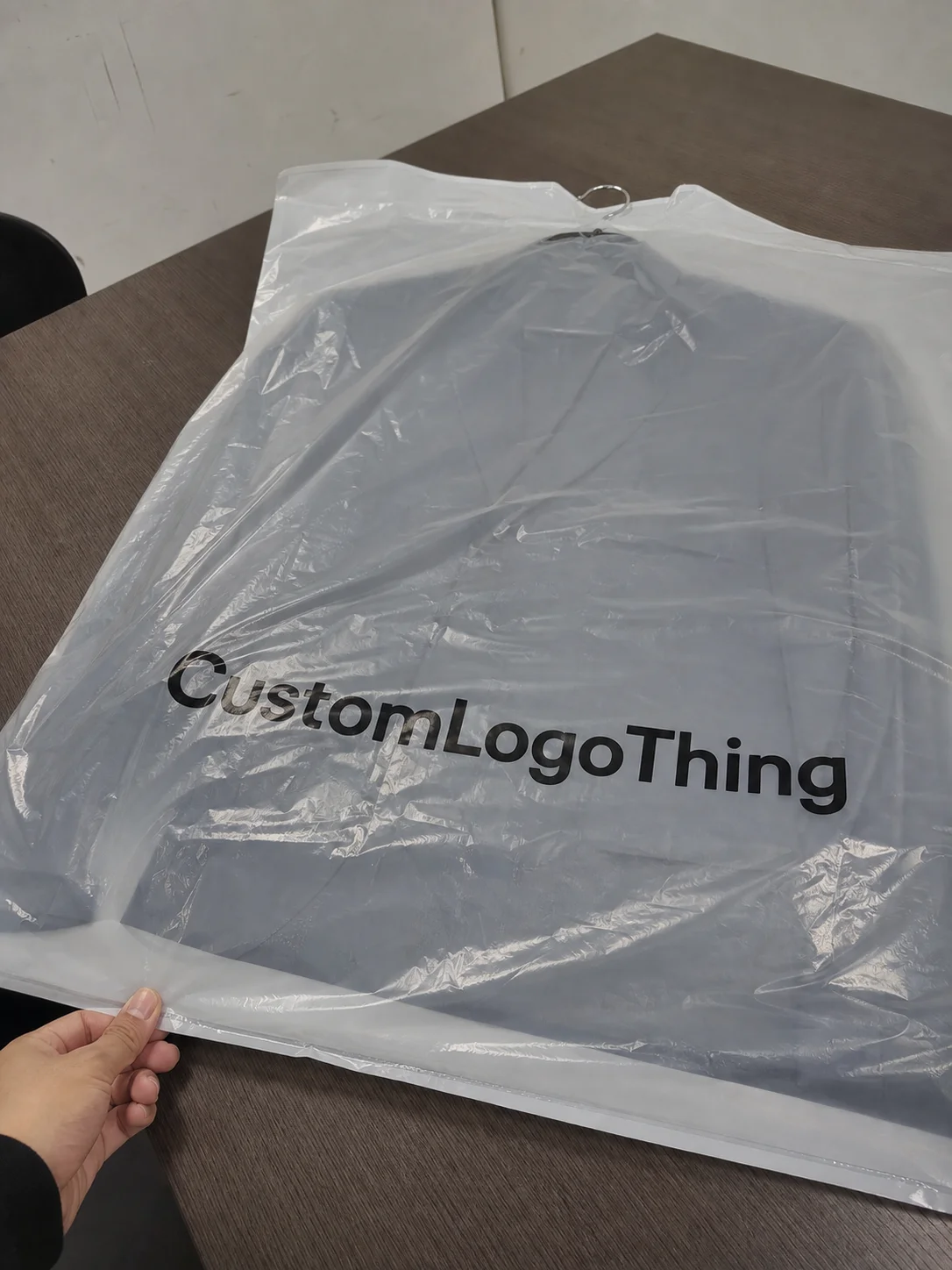
In a single-property operation, a sloppy bag spec can hide for months. In a multi-property group, it multiplies fast. One location orders a slightly smaller bag, another uses a heavier film, and a third gets a different closure style because the request was written too loosely. Now inventory is inconsistent, packing changes by site, and your team spends time figuring out why the “same” bag behaves differently.
Garment Poly Bags are not just generic plastic sleeves. In hospitality, they protect product during:
- housekeeping closet storage
- laundry processing and sorting
- inter-property transfers
- vendor deliveries and replenishment runs
That means the spec has to match how the bag will actually be handled. A thin bag may be fine for a soft folded robe that moves once from laundry to closet. It may be a bad idea for uniforms that get touched several times before issue. For a hotel group, “good enough” is usually where hidden cost starts.
The real buying risk is vague language. “Standard clear bag” sounds harmless. In practice, it can produce inconsistent gauge, poor seal performance, and a quote that looks cheap until the supplier adds tooling, freight, or packaging changes later. I have seen buyers lose days simply because the bag size was never tied to a folded garment dimension.
Buyer rule: if the supplier cannot quote against a clear spec sheet, you are not comparing suppliers. You are comparing guesses.
A strong Garment Poly Bags for Hotel groups supplier quote checklist gives you control over the quote process. It reduces back-and-forth and makes it easier to compare multiple vendors without getting fooled by a lower price that only works because half the details were missing.
What to specify before you request a quote
The bag type matters more than most people think. Flat poly bags are the simplest option and work well for uniform folding and storage. Gusseted bags give more room and reduce pressure on bulkier items. Reclosable bags are useful when items move in and out of storage. Perforated formats make handling easier in high-volume packing lines. Suffocation warning bags may be required depending on facility policy or local compliance expectations.
You should also define the garment itself. A bag for a pressed shirt is not the same as a bag for a housekeeping jacket or spa robe. Tell the supplier the folded dimensions, whether the item is single-packed or bundled, and whether there is a printed insert, barcode, or size label that needs space. A quote without those inputs is a quote built on assumptions. Bad assumptions are expensive.
Closure style is another item people leave until the last minute. Open-top bags are cheap and fast. Self-seal adhesive bags save time but can raise unit cost. Zip-style bags help with reuse but add material and labor. Heat-seal formats are useful for controlled packing, though they are not always practical for every hotel workflow. Pick the closure based on labor speed, handling frequency, and whether the bag needs to be reopened.
Print is where hotel groups can get real value. Clear is fine for some uses, but frosted film, printed logo, size markers, handling instructions, or a barcode panel can make distribution much cleaner. Property-level color coding also helps when a group ships to multiple locations. One small color cue can save a lot of sorting mistakes.
Before you send a Garment Poly Bags for Hotel groups supplier quote checklist, make sure the request includes these basics:
- bag type
- finished size
- garment folded size
- material preference
- thickness target
- closure style
- print requirements
- delivery location(s)
Core material and size specifications buyers should compare
Most garment poly bags are made from LDPE, HDPE, or co-extruded film. LDPE is flexible and common for soft garment packaging. HDPE feels crisper, is lighter for its strength, and is often used where cost pressure is high. Co-extruded film can improve toughness or appearance when you want a better balance between clarity and performance. There is no magic material. There is only the one that fits your handling pattern.
Thickness matters just as much as resin choice. For light, low-touch applications, thinner film can work well. For repeated handling, heavier gauges are safer. In practical terms, buyers often compare bags in ranges such as 1.5–2.0 mil for lighter use and 2.5–3.0 mil or above for more demanding handling. Exact needs depend on bag size, product weight, and how often the bag is moved before it reaches the guest-facing area or storage shelf.
Size tolerance matters too. A bag that is technically “large enough” on paper may still fail if folding is done by different teams at different properties. If one site folds tighter than another, the same bag can feel too short or too loose. That is why I like asking suppliers for both finished bag dimensions and recommended folded garment dimensions. It gives you a better sense of real-world fit.
Presentation features matter for premium hospitality use. High clarity helps when the bag is intended to show the garment neatly. Gloss can make a bag look cleaner but may also show scuffs more easily. Anti-static treatment can help in some applications, especially where film cling becomes annoying during packing. None of these are mandatory. They are selection points, and they should be priced that way.
For compliance, ask whether the bag needs warning text, recyclable material claims, or restricted-use labeling. If the hotel has sustainability targets, ask the supplier for material options that align with current packaging guidance. For background reference, the Packaging School / packaging resources and EPA recycling guidance are useful starting points when internal teams need a common language for material claims.
| Option | Typical use | Relative cost | Buyer tradeoff |
|---|---|---|---|
| LDPE flat bag | Standard folded uniforms, robes | Low | Flexible, common, easy to quote |
| HDPE bag | High-volume storage and distribution | Low to medium | Crisper feel, often lighter film |
| Gusseted bag | Bulkier garments or stacked packs | Medium | Better room, usually more material |
| Printed custom bag | Multi-property branding and sorting | Medium to higher | Setup cost, but cleaner operations |
Cost, MOQ, and quote terms that affect hotel group pricing
Unit price is driven by a handful of variables: size, film thickness, print colors, sealing style, and any special handling features. A larger bag uses more resin. Thicker film costs more. Printed bags add setup and production complexity. If you want a quote that means something, you need to compare identical specs. Otherwise you are just comparing creative writing.
MOQ is where the conversation usually gets awkward. Plain stock bags often have lower minimums because the supplier can run existing inventory or simple production setups. Custom printed bags usually need a higher MOQ because setup costs have to be spread across the run. That is normal. What is not normal is hiding that requirement until after the buyer has already committed.
For hotel groups, the smarter move is asking for tiered pricing. Ask for 5,000, 10,000, and 25,000 piece pricing if that matches your annual usage pattern. Then compare the numbers against multi-property demand. A slightly higher price at lower volume may still be better if it reduces excess inventory, storage space, and reorder friction.
Watch the quote terms carefully. Cheap quotes sometimes exclude freight, tooling, sample charges, or packaging format changes. Some suppliers also quote the wrong basis, which makes comparison useless. Ask whether pricing is ex-works, FOB, or delivered. If your team handles multiple properties, delivery terms matter almost as much as unit cost because split shipments can eat up any savings.
Here is a practical garment poly bags for hotel groups supplier quote checklist for pricing discussions:
- target quantity
- bag size and tolerance
- material and thickness
- print colors and artwork status
- closure style
- sample cost and proof cost
- freight or delivery terms
- delivery locations
For broader packaging planning, our Custom Packaging Products page is a useful starting point. If you are also sourcing other film-based packaging, our Custom Poly Mailers are a close cousin in terms of print setup, film choice, and quote structure.
Production steps, turnaround, and approval milestones
A clean production workflow saves more money than a slightly lower unit price. The usual path is straightforward: spec review, artwork confirmation, sample or proof approval, mass production, quality control, and shipment. If any one of those steps is fuzzy, the schedule gets fuzzy too. Suppliers are not mind readers, despite what some RFQs seem to assume.
Never skip the critical approvals. Confirm bag dimensions, film thickness, seal style, print proof, and carton labeling before production starts. If the bag has a barcode or size indicator, check placement carefully. One misplaced mark can create sorting problems for the whole property chain. It sounds small. It never is.
Lead time depends on the order type. Stock items can move quickly, sometimes within a few business days if inventory is available. Custom printed or specialty bags usually take longer because there is proofing and setup involved. A practical planning window is often 12–15 business days from proof approval for many custom runs, though larger orders or complicated specs can take longer. If anyone promises everything instantly, ask what they are leaving out.
Hotel groups can speed delivery by doing a few simple things:
- lock artwork early
- confirm ship-to addresses in one document
- approve samples in one round
- avoid mid-run spec changes
- provide folded garment measurements, not guesses
Most delays come from missing logo files, unclear fold dimensions, or a late change after the quote has already been accepted. That is why a complete garment poly bags for hotel groups supplier quote checklist pays for itself quickly. It cuts out the “one more question” loop that burns time on both sides.
For shipping and transit testing, some teams also ask about packaging performance under standard distribution conditions. If you are moving products through multiple hubs, it is reasonable to ask whether the supplier can support carton strength or transit testing references aligned with ISTA methods. Not every garment bag needs testing. But if the bags are traveling a long way, transit abuse is not a theory.
How to keep multi-property orders under control
Multi-property buyers do not need more vendor noise. They need consistency. One supplier can help a hotel group standardize base specs across locations, keep print quality aligned, and make reordering less painful. When the core bag stays the same, procurement stops reinventing the wheel for every site.
Account-level structure matters here. Shared SKU naming, property-specific labels, and consolidated shipping options can make a huge difference once you are managing several hotels or a regional portfolio. You should also ask whether the supplier can keep reorder history clean enough that the next purchase does not require another spec scramble.
Quality control should be specific, not vague. At a minimum, ask how the supplier checks:
- film thickness consistency
- seal integrity
- print alignment
- carton count accuracy
- overall bag dimensions
That is basic, not fancy. But basic is where most packaging mistakes are caught. And if a supplier cannot describe their QC checks clearly, that is usually a sign the process is more casual than you want.
For hospitality procurement teams, useful support includes artwork cleanup, spec comparison, sample pack preparation, and reorder tracking. Good service here is not about polished language. It is about fewer surprises, cleaner replenishment, and a bag that arrives exactly as approved. That is what a serious garment poly bags for hotel groups supplier quote checklist is supposed to buy you.
Support also matters when different properties have different needs. One hotel may want printed logo bags for guest-facing presentation. Another may need plain bags with department coding. A third may need a heavier gauge for laundry handling. A good supplier should help standardize what can be standardized and isolate what cannot.
What to do before sending your RFQ
Before you send the RFQ, gather five inputs first: bag size, material, thickness, quantity, and print requirements. If you have those five, you are already ahead of most buyers. If you also know the folded garment dimensions and delivery locations, even better. That is how you get a usable quote instead of a vague one.
Decide whether the order is for one hotel or several. That affects labeling, carton packing, and shipping strategy. A single-property order may be simple. A multi-property rollout usually needs property-specific packing lists or carton marks so the right bag reaches the right site without extra sorting.
Ask for at least two or three quote scenarios. Plain versus printed is a good start. Standard gauge versus heavier gauge is another. One delivery point versus multiple delivery points can show you where freight changes the math. When buyers compare options this way, the real cost picture gets clearer fast.
Request a sample or digital proof before approval. A digital proof is fine for basic layout checks. A physical sample is better when fold fit, seal style, or material feel matters. Skipping that step to save a day usually costs more than the day was worth.
If you want the first response to be usable, fast, and priced correctly, send a complete garment poly bags for hotel groups supplier quote checklist with your RFQ. If you need help organizing the request, Contact Us and we can help turn the messy version into something a supplier can actually quote.
FAQ
What should a hotel buyer include in a garment poly bags for hotel groups supplier quote checklist?
Include bag size, film material, thickness, closure type, print requirements, quantity, and delivery location. Also add garment type, folded dimensions, and whether the bags are for one property or multiple hotel locations.
How do I compare garment poly bag quotes from different suppliers?
Check whether the quote includes printing, samples, freight, tooling, and packaging format. Compare identical specs only, because cheaper quotes often hide lower thickness, smaller sizes, or fewer service inclusions.
What MOQ should hotel groups expect for custom garment poly bags?
Plain stock bags often have lower minimums than custom printed bags. Custom MOQ depends on size, print colors, and film type, so ask for tiered pricing by volume.
How long does production usually take after approval?
Stock bags can ship faster, while custom printed orders need extra time for proofing and setup. Lead time depends on order size, artwork readiness, and whether samples must be approved first.
Can one supplier handle multiple hotel properties with different packaging needs?
Yes, if the supplier can standardize base specs while adjusting labels, cartons, or print by property. Ask for consolidated account management so reorders stay consistent across locations.