The hotel embroidered Beanies Material Sample guide matters because a beanie can look polished in a mockup and still fall apart as a product decision the moment you touch it. Knit a little too loose, and the logo ripples. Stitch too dense, and the cuff turns stiff. Pick the wrong lining, and the inside feels warmer than it does comfortable.
For hospitality buyers, the sample is not a formality. It is the first real check on comfort, stretch recovery, logo placement, and how the piece will hold up after guest handling. That matters more than people like to admit. A beanie that looks elegant on a screen can feel scratchy on the forehead or sag after a few minutes of wear.
What saves time later is a disciplined sample review. The best buyers do not just ask, “Does it look good?” They ask whether the knit supports embroidery, whether the yarn will pill, whether the cuff rebounds cleanly, and whether the finish still feels premium after the beanie has been folded, packed, and worn.
Why a Sample Shows More Than a Spec Sheet
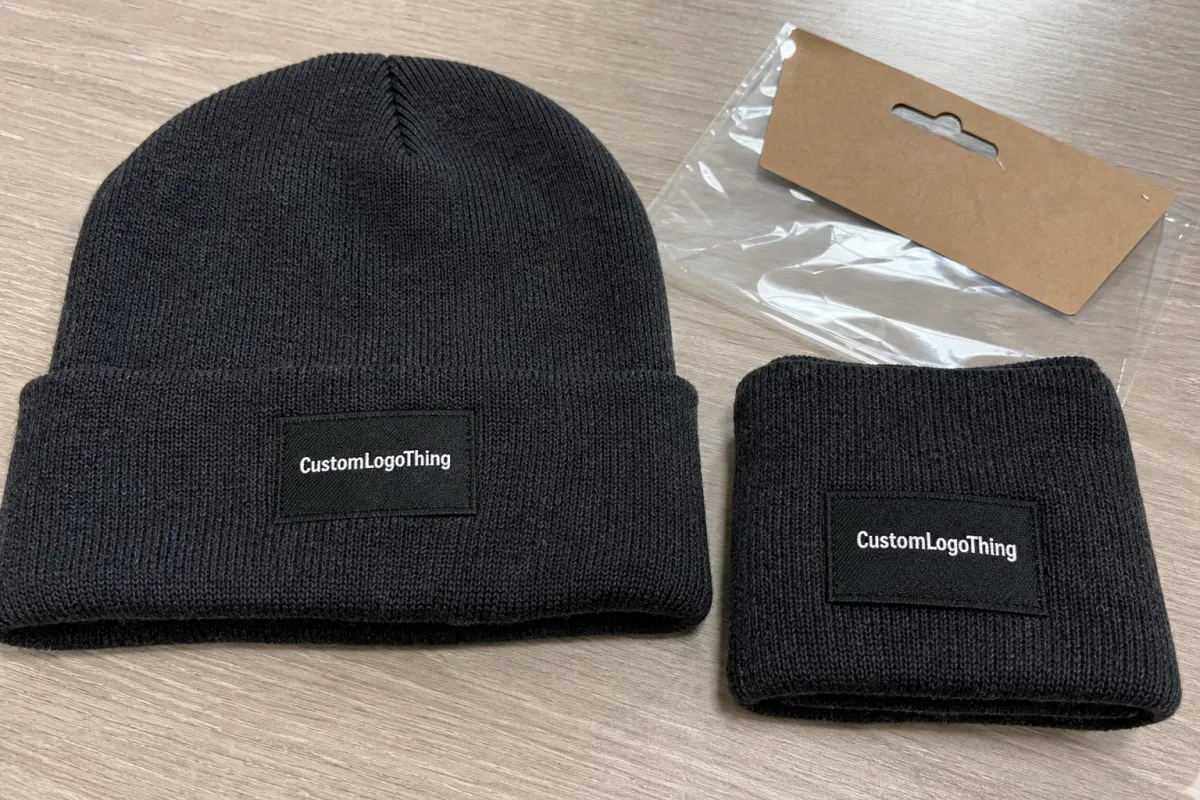
A spec sheet gives you fiber content, gauge, decoration method, and maybe dimensions. It does not show you how the fabric behaves after the embroidery needle has opened the knit structure. That part is usually where the problems start. One sample will sit flat and neat. Another, made from a softer or looser construction, will pucker around the logo and lose shape near the crown.
Hospitality products get handled more than buyers expect. Front desk staff move them. Housekeeping stores them. Guests stuff them into bags, coat pockets, and glove compartments. A beanie that passes a pretty photo shoot but fails under ordinary handling is not a usable product. It is just a suggestion.
The sample also reveals how much the logo depends on the body of the cap. Tight knit structures support embroidery better. Soft, stretchy knits can feel nicer in hand, but they sometimes let the design sink into the surface or distort at the edge. That is why buyers often need to adjust logo size once they see the sample in person.
Physical review reduces the chance of approving a style that looks fine in development and disappoints at delivery. The sample is the point where comfort, branding, and production reality meet. Ignore that, and the bulk order becomes an expensive guessing game.
How Embroidered Beanie Samples Are Built and Reviewed
A proper sample usually starts with the blank knit cap. The supplier selects the yarn, knits the body, forms the cuff, and finishes the shape before adding decoration. Then comes embroidery setup: thread color matching, logo placement, stitch programming, and a test run to see whether the knit can support the design without distortion. If the beanie has a lining, that changes the feel immediately and should be checked at the same time as the outer shell.
Review the sample in layers. Start with the fabric body. Is the knit even? Does the cuff sit straight? Does it spring back after stretching? Next, inspect the embroidery. Are the edges clean? Is the thread sitting flat? Does the backing scratch against skin? Then look at the overall silhouette. A cap can pass every stitch check and still look awkward if the crown is too tall or the cuff is too rigid.
I would always test the piece on both a head form and a person. A head form gives consistency, but a real wearer shows pressure points, fit differences, and how the beanie behaves with hair volume. That matters for hotels because guest head shapes are not standardized, no matter how much procurement teams wish they were.
Compression testing helps too. Fold the sample, pack it, unwrap it, and see what stays. If the beanie will ship with a kraft sleeve, a recycled carton, or another branded insert, the packaging should not leave crease marks or flatten the cuff. Small details like that change how premium the product feels on arrival.
Yarn, Knit, Lining, and Embroidery Factors That Change Comfort
Yarn choice sets the tone fast. Acrylic is common because it is affordable, warm enough for many hospitality programs, and usually holds color well. Polyester blends can feel a little smoother and may handle repeated use better. Wool blends give a more premium hand, but not every guest wants the same level of warmth or the same texture on skin. Recycled yarns can fit sustainability goals, though buyers should still check how they feel, stretch, and recover before assuming they are a clean swap.
Knit structure matters just as much. Rib knit usually gives stronger stretch and recovery. A tighter gauge knit helps embroidery sit more cleanly and lowers the risk of distortion. More open textures can look distinctive, but they also create more variation under the stitches. If the logo needs to stay crisp, smoother and more stable tends to win.
Lining changes the experience again. Fleece adds warmth and softness, but it also adds bulk. Brushed tricot is lighter and usually less bulky against the head. If the logo sits near the cuff, the buyer should check whether the backing can be felt through the fabric. That is the kind of annoyance that shows up only after wear, and by then the order is already in motion.
Embroidery is not just decoration. Stitch count changes cost, but it also changes stiffness. Dense stitching can make a logo look polished, yet too much density can create a hard patch on a flexible knit. Thread sheen matters too. Slight gloss can make a hotel mark feel sharper and more upscale, while a flatter thread reads calmer. Backing weight, logo scale, and placement height all affect comfort and durability.
A sample that feels right in hand usually survives approval better than one that only looks good in a render.
For hotel buyers comparing options, the order should be simple: choose the knit that supports the embroidery, then choose the yarn and lining that fit the guest experience. If you reverse that order, appearance tends to win over performance, and the sample later reminds you why that was a mistake.
For packaging or transit decisions, it can help to review guidance from groups such as the International Safe Transit Association and the FSC, especially if the beanie will ship with protective cartons or printed inserts.
Hotel Embroidered Beanies Material Sample Guide
Here is the practical version of a hotel embroidered Beanies Material Sample guide. Ask for at least one fully decorated sample and, if possible, one alternate material version. Compare them in natural daylight and standard indoor light. Thread sheen, knit shadow, and color depth shift more than most buyers expect. A charcoal beanie can read nearly black under one lamp and soft gray under another. That matters if the hotel has strict brand standards.
Start with fit and recovery. Stretch the cuff. Wear the beanie for several minutes. Remove it and check whether the shape rebounds cleanly. The knit should recover without bagging out or curling at the edge. If it stays stretched, the structure is too loose or the yarn blend is not holding shape properly.
Wash testing is worth doing whenever the timeline allows. Not every hotel will wash these items often, but some will, especially for staff gifting or retail use. A sample that pills after one light wash, or shrinks enough to change the cuff, is giving you useful information before the bulk order. Mixed-fiber constructions and lined beanies can behave differently across layers, so test the complete item, not just the shell.
Handle the sample like a guest would. Pull it from a bag. Wear it briefly. Fold it. Tuck it into a coat pocket. Pull it back out. That kind of rougher use often shows whether the material still feels good after friction and compression. Presentation matters too. A neat kraft paper sleeve or recyclable carton can support the brand story, but only if it does not crush the knit or leave marks.
Do not skip label and compliance checks. If the hotel needs fiber content, care symbols, country of origin, or retail barcodes, confirm that they are legible and placed where they do not interfere with comfort. If the supplier can provide textile test data for pilling or colorfastness, even better. It makes material comparisons more concrete and reduces arguments based on opinion alone.
| Sample Type | Typical Use | Common Price Range | What It Tells You |
|---|---|---|---|
| Blank knit sample | Material and fit review | $18-$35 | Shows yarn feel, stretch recovery, and silhouette before decoration |
| Fully embroidered sample | Final approval piece | $35-$75 | Shows logo clarity, stitch density, backing comfort, and real placement |
| Revised sample | After art or material changes | $20-$50 | Confirms whether adjustments improved fit, softness, or logo balance |
If the hotel is also reviewing branded packaging, keep that conversation separate from the beanie itself, then compare the two together. A recycled sleeve, FSC-certified carton, or corrugated mailer can fit the brand message well. Just do not let the packaging become louder than the product. A beanie should feel considered, not overdesigned.
The point of the hotel embroidered Beanies Material Sample guide is simple: catch the real behavior of the item before a larger order is placed. That includes how the yarn grips the embroidery thread, how the lining sits against skin, how the color changes under different light, and how the beanie looks after being folded and unfolded a few times. Those are the details that decide whether the item feels premium or merely branded.
Cost, Pricing, MOQ, and Quote Variables for Sample Sets
Sample pricing depends on more than size. Yarn quality, decoration complexity, backing choice, and whether the supplier already stocks the base knit all affect cost. If the factory has to source a special color or build a custom lining before sampling begins, the price rises. The same is true for multiple thread colors, a dense stitch count, or a logo that needs several rounds of adjustment to sit correctly on the fabric.
Minimum order quantity can also affect the sample quote. Larger programs often get more flexibility on sample charges. Smaller orders, or orders that ask for several variations at once, usually cost more to develop because they interrupt normal production flow. That is not necessarily a bad sign. It often reflects real labor instead of padded sales language.
Ask directly whether the sample fee is credited back against the bulk order. Some suppliers do that, some do not. It can change the comparison between quotes more than buyers expect. A lower sample price is not a better deal if the knit quality is weak or the embroidery will need more revisions later.
To compare quotes properly, keep the variables identical: same logo size, same thread colors, same lining assumption, same packaging expectation. If one supplier is quoting a blank sample and another is quoting a fully finished version, you are not comparing the same thing.
Common quote variables to confirm:
- Yarn type and fiber blend
- Knit gauge and cuff height
- Embroidery stitch count and placement
- Lining type, if any
- Sample revisions included
- Packaging format, such as kraft paper sleeve or corrugated cardboard shipper
If the beanie is part of a seasonal guest kit, compare it against the rest of the set. Scarves, gloves, and boxed retail bundles all change the presentation standard. A sample that looks fine alone can feel out of place beside the rest of the package if the colors, weight, or finish are off.
Production Timeline, Lead Time, and Approval Milestones
The timeline usually starts with artwork review, then moves to sample knitting, embroidery setup, finishing, and shipment for approval. A blank material sample is faster because it skips stitch programming and logo alignment. Once embroidery enters the picture, the supplier has to set thread tension, verify placement, and sometimes make a second pass if the first sample shows puckering or an offset logo.
For many beanie programs, a first sample can take about 7-14 business days. A revised sample often adds another 5-10 business days, depending on the change. Bulk production commonly lands in the 20-30 business day range after approval, though yarn availability, factory workload, and shipping method can move that number in either direction. Confirm the schedule in writing instead of assuming a standard lead time exists.
A clean approval process has three milestones. First is material signoff, where the buyer confirms yarn hand feel, color, and knit structure. Second is decorative signoff, where logo size, stitch quality, and placement are approved. Third is pre-production confirmation, where the final order matches the approved sample in every practical way, including packaging if the beanie will ship in branded outer materials.
Approving the right material early keeps the rest of the schedule calmer. If the fabric is wrong and the issue is found late, everything downstream gets harder. The logo may need resizing. The lining may need changing. The whole piece can drift away from the original brief. That is how small mistakes turn into deadline pressure.
For opening dates, holiday launches, or guest-loyalty gifts, I would always leave room for one revision cycle. That buffer costs less than rushing into a compromise. It gives room to correct knit tension, clean up embroidery density, or adjust packaging without scrambling the rest of the order.
Common Mistakes Buyers Make When Approving Beanie Samples
The biggest mistake is approving from photos alone. A picture cannot tell you whether the knit scratches, whether the cuff rebounds properly, or whether the backing feels rough on skin. Lighting can hide a lot, especially on darker colors where texture disappears and the logo looks flatter than it is.
Another error is judging the sample without tying it to the actual guest use case. A beanie for a mountain resort, a city hotel boutique, and a staff appreciation kit may need different materials. The resort version may justify heavier insulation and lining. The boutique version may work better with a lighter knit that feels easier to wear indoors. One construction does not fit every hospitality setting.
Buyers also overcorrect on embroidery density. They want the logo to look rich, so they ask for heavy stitching, and the design ends up stiff enough to tug the knit. A cleaner result often comes from keeping the stitch count controlled and letting the yarn surface do some of the visual work. The sample is where that tradeoff becomes obvious.
Packaging gets overlooked more often than it should. If the beanie arrives in a crushed sleeve, a cheap-looking polybag, or a carton that marks the knit, the perceived value drops before the guest tries it on. Even a simple, well-sized corrugated cardboard mailer or a neat kraft wrap can make the item feel more deliberate.
Finally, some buyers treat a good-looking sample as a guarantee that bulk production will match it exactly. It will not. The sample is a reference point, not magic. The closer the factory follows the approved yarn lot, decoration spec, and finish details, the better the outcome. But clear signoff and follow-up still matter.
Expert Tips and Next Steps for a Confident Bulk Order
Ask for one sample that tests comfort and one that tests decoration. If budget only allows one decorated piece, make the approval note explicit. Say what mattered most: hand feel, logo crispness, lining comfort, or color match. A short written record prevents confusion later when different people revisit the order.
Compare the sample in real light, not just under one desk lamp. Put it next to the actual uniform palette, lobby materials, or retail hangtag if one is planned. That gives a better read on color harmony. A true charcoal and a washed gray can look close in isolation and completely different beside the rest of the brand kit.
Keep one eye on sourcing consistency. If the sample uses a fiber blend that will be hard to repeat, ask what happens if dye lots shift or one yarn component becomes unavailable. That is not pessimism. It is basic risk control, especially for replenishment orders months later.
For most hotels, the safer path is to approve a material that balances comfort, stitch stability, and upkeep. A slightly less glamorous fabric that holds embroidery cleanly will usually outperform a softer but unstable one. That is the core value of the hotel embroidered beanies material sample guide: it shows where quality lives, and it is not in the render. It is in the structure, the hand, the lining, the thread, and the way the piece survives normal use.
If you are still comparing options, request a side-by-side set and note the differences in yarn blend, knit gauge, and packaging format. Careful review now saves time, money, and a lot of avoidable back-and-forth later.
FAQ
What should I prioritize first in a beanie sample?
Start with fit, hand feel, and how the embroidery sits on the knit. If the base fabric is too loose or scratchy, the logo will not fix it.
Do hotel buyers usually need a decorated sample?
Yes, if the logo matters to approval. A blank sample helps with material selection, but a decorated sample shows how the final branding actually behaves.
How many revisions are normal?
One revision is common, especially if the first sample exposes a problem with logo size, stitch density, or lining choice. More than that usually means the brief needed more detail up front.
Can sustainable packaging be paired with embroidered beanies?
Yes. Kraft paper sleeves, recyclable cartons, or FSC-certified corrugated cardboard can support the same brand message without adding much complexity, as long as they do not crush the knit.
How do I know if the sample is ready for bulk approval?
It should match the approved color, feel comfortable on the head, keep its shape after stretching, and show clean embroidery with no obvious puckering. If those points hold, you are usually in a good position to move forward.
The hotel embroidered Beanies Material Sample guide is useful because it forces the buyer to judge the fabric, decoration, packaging, and guest experience together. That is the part that matters before a larger order, and it is where most expensive mistakes can still be avoided.