Why a simple five-panel cap quote is rarely simple
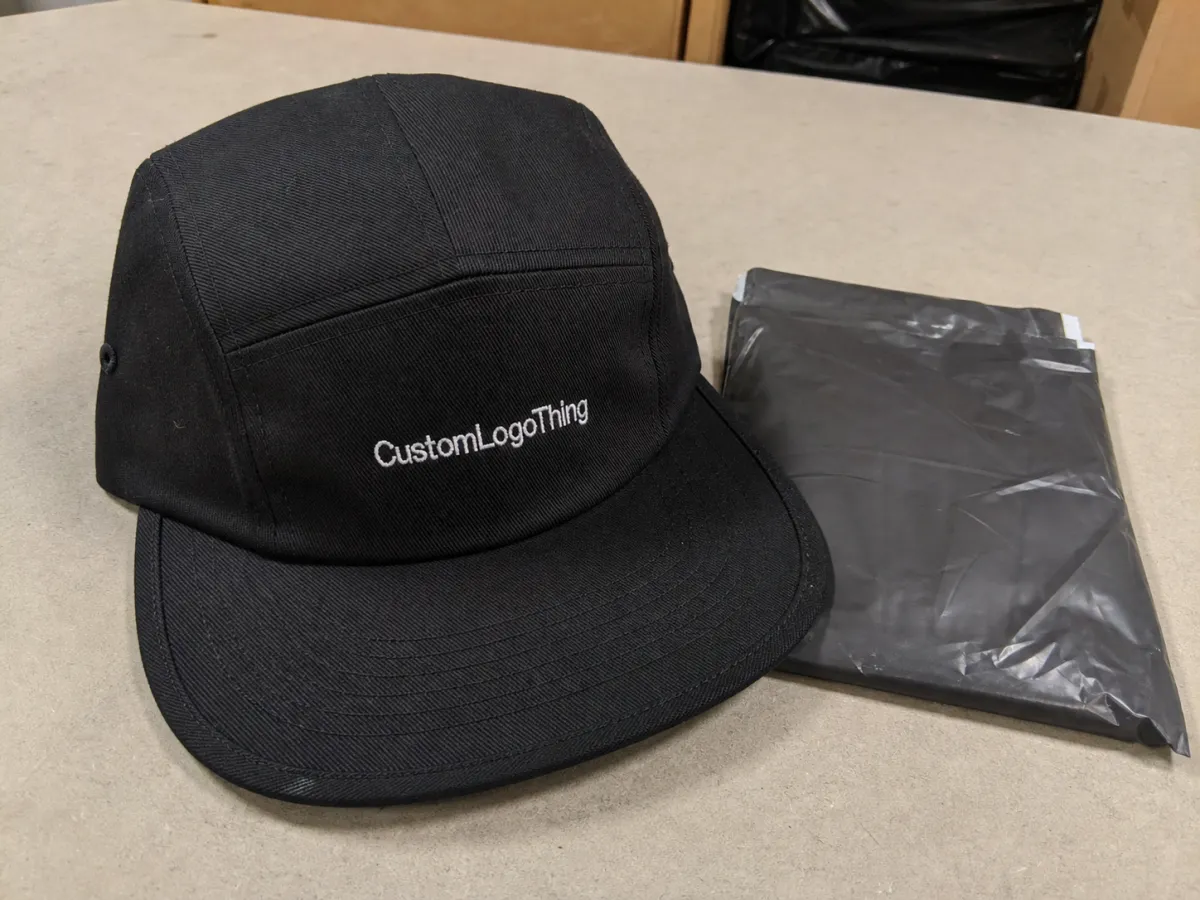
If you're trying to pin down hotel Five Panel Caps Unit Cost, the blank cap is only the starting point. Decoration, MOQ, freight, and packaging usually decide the real number, which is why a quote that looks cheap on paper can turn into an expensive landed cost once the cartons are moving.
That matters because hotels buy caps for different jobs. Staff uniforms need a consistent look and repeat orders. Welcome-gift merch needs a neat presentation. Event giveaways need a price that still works at scale. Souvenir stock needs enough margin to survive retail markup. Each use case changes the spec, and the spec changes the price. Simple, really. Not always easy.
The cheapest-looking quote is often the most misleading one. A supplier may quote a low blank-cap price, then add embroidery setup, digitizing, custom labels, individual polybags, and freight later. By the time the caps land, the unit cost has climbed enough to blow the budget. Buyers should ask for an apples-to-apples comparison from the start: same crown, same closure, same decoration, same packing, same destination.
"We just need a simple cap price" sounds harmless until the quote arrives with half the cost hiding in setup charges and shipping.
From a packaging buyer's point of view, the real question is not, "What does one cap cost?" The better question is, "What does this exact cap cost at this quantity, delivered the way we actually need it?" That shift saves time and a fair amount of nonsense.
Lock the cap build before you compare prices
Five-panel caps look similar at a glance, but small construction choices change both comfort and cost. A structured crown holds its shape better and usually feels more premium. An unstructured crown is softer and can work well for a relaxed hotel brand. Low-profile caps sit closer to the head, while mid-profile styles give more front-panel space for embroidery. Pre-curved brims arrive ready to wear; flat brims usually suit a more fashion-led look.
Before you ask for quotes, define the build in plain language:
- Panel structure: structured or unstructured crown.
- Profile: low or mid profile, depending on the fit you want.
- Brim: pre-curved or flat.
- Closure: buckle, snapback, hook-and-loop, or fitted.
- Fit details: sweatband, seam finish, and eyelet count.
Closure choice sounds minor, but it is not. A metal buckle takes more labor and can look more polished. Snapbacks are faster to produce and usually cheaper. Hook-and-loop closures are simple and easy for staff uniforms, though they can wear out faster if the cap is used hard every day. Fitted caps look clean, but they reduce flexibility and often raise the MOQ because you need more size management.
For hotel use, comfort matters more than buyers sometimes admit. If the sweatband scratches after a couple of hours, staff stop wearing the cap. If the front panel collapses, the logo looks bad in photos. If the brim shape is inconsistent, the whole run looks sloppy. A cap that survives one product shot but fails in real service is just expensive inventory.
Ask the supplier how the seams are finished, whether the eyelets are embroidered or stitched, and how the cap behaves after repeated wear and pressing. That is the difference between a promotional item and a piece of uniform kit that gets used every week.
Materials and decoration specs that change the quote
Fabric choice changes the feel, the price, and the way the logo holds up. Cotton twill is the common default because it has a familiar hand feel and takes embroidery well. Brushed cotton feels a little softer and can look more premium, but not every run needs it. Polyester is usually better for color retention and can be a practical choice for outdoor staff or warmer climates. Recycled blends can help with sustainability claims, but you should verify the fiber content and any certification claims before you put them in a brand deck.
The fastest way to distort hotel five panel Caps Unit Cost is to compare different fabrics and decoration methods as if they were the same product. They are not. A cotton twill cap with one-color flat embroidery is a very different buy from a recycled-polyester cap with a woven patch and side logo. If you want useful pricing, keep the base spec consistent and compare only one variable at a time.
Decoration is where budgets start wandering. Flat embroidery is usually the most economical custom option, especially with one or two colors. 3D puff embroidery adds labor and can make the logo feel stronger, but it is rarely the cheapest path. Woven patches and printed patches can be cost-effective when the logo is detailed or small. Mixed decoration, such as front embroidery plus side print, increases setup and machine time, so it should be reserved for designs that actually need it.
Logo complexity matters more than many buyers expect. Multiple thread colors, large front panels, dense stitch counts, tiny lettering, and extra placements all raise the cost per piece. Even the direction of a logo can matter if it forces more production handling. A clean single-location mark is almost always cheaper than a busy multi-position build. There is no mystery here. Labor is labor.
Add-ons should only be included when they earn their keep. Custom woven labels, printed size labels, barcode stickers, hang tags, and individual polybags each add a little cost and a little time. For a staff uniform program, a clean internal label might be enough. For a retail or souvenir program, hang tags and branded packaging may be worth the spend. For plain back-of-house use, they may be dead weight.
If the supplier cannot tell you how each add-on changes bulk pricing, that is a weak sign. You need to know where the extra dollars sit: decoration, tooling fees, packaging, or freight. That makes it easier to trim the spec without gutting the product.
Hotel five panel caps unit cost, MOQ, and volume breaks
Here is the part buyers usually care about most: the number that lands on the quote. Hotel Five Panel Caps unit cost should be read as a bundle of costs, not a single magic figure. The cleanest breakdown is blank cap cost, decoration cost, setup charges or digitizing fees, packaging, and freight. If a supplier gives you only one number without showing the structure behind it, the comparison is weak.
MOQ is not just a supplier trying to be difficult. It is the point where setup charges and labor spread across enough pieces to make the order practical. At 100 pieces, the cost per piece is usually high because the prep work is spread over a small run. At 300 pieces, the order starts to make more sense if the decoration stays simple. At 1,000 pieces and above, repeatable specs usually get noticeably better pricing, especially if the logo only hits one location.
Volume breaks are real, but only when the spec stays unchanged. A quote for 300 snapback caps with one-color embroidery is not comparable to 300 buckle-closure caps with a woven patch and custom polybags. Same quantity. Very different unit cost. If you want meaningful bulk pricing, ask for identical-spec quotes across several quantities.
| Quantity | Typical spec level | Estimated ex-works cost per piece | What usually drives the price |
|---|---|---|---|
| 100 pieces | Simple cap, one logo location | $4.80-$8.50 | Setup charges, small-run labor, limited volume efficiency |
| 300 pieces | Standard cotton twill or polyester | $3.20-$5.90 | Better spread on tooling fees, steadier production flow |
| 1,000 pieces | Repeatable spec, single decoration method | $1.95-$3.80 | Cleaner machine time, lower cost per piece, better material buying |
| 5,000 pieces | Stable program with standard packaging | $1.30-$2.40 | Scale benefits, tighter sewing efficiency, lower overhead per cap |
Those are working ranges, not promises. Heavy embroidery, puff effects, multiple placements, premium fabric, or retail packaging can push the numbers up. Plain blank caps with no decoration can sit lower, but that is not the product most hotels actually need. The point is to give buyers a realistic frame before they send a purchase order.
There is another trap here: landed cost versus ex-works cost. A cap may look inexpensive before freight, but if it ships by air in small cartons with custom inserts, the final unit cost changes fast. Ask for both ex-works and delivered pricing if the order matters to a live launch, a front-desk giveaway, or an opening week uniform set.
Production steps and timeline for bulk hotel cap orders
Production is usually more predictable than buyers think, as long as the artwork and spec are locked early. The normal flow is artwork review, digital proof, sample approval if needed, bulk cutting and stitching, decoration, quality control, packing, and shipment. Each step sounds short. In practice, approval delays are what stretch timelines.
For a simple embroidered order, a realistic schedule is often 12-18 business days after proof approval. If the logo is more complex, the decoration method is slower, or the packaging is custom, 18-25 business days is more realistic. Add time for sampling if you want to see a physical pre-production cap first. Add more time if fabric needs to be sourced rather than pulled from stock.
Shipping is a separate clock. Air freight can be fast, but it costs more and still depends on route and customs handling. Sea freight is better for larger runs and better margins, but it is slower. A supplier who rolls production and shipping together into one fuzzy promise is not helping you. Ask them to separate manufacturing time from transit time, then hold them to both.
Seasonal load also matters. Hospitality programs tend to cluster around openings, events, and peak travel seasons. If the supplier is already full, your job gets pushed behind other orders with no drama and no apology. That is normal manufacturing behavior. It is also why a clear ship date should be on the first message, not added as an afterthought.
If the caps are part of a broader welcome kit or souvenir package, think about transit protection too. The ISTA test methods are useful if you want packaging that survives handling and distribution, not just a shelf in a tidy warehouse. And if you are using paper hang tags or inserts, FSC certification gives you a cleaner sustainability story when the hotel brand cares about that detail.
None of this needs to be overcomplicated. Just be specific: delivery location, required in-hands date, whether partial shipments are acceptable, and whether the order is for one property or a multi-hotel rollout. That information changes the supplier's schedule and the quote they can honestly give you.
What a dependable supplier should prove before you order
A good quote is one thing. A reliable run is another. Before you place a bulk order, ask the supplier to prove they can keep the caps consistent across the whole lot. Stitch density should stay even. Logo placement should not drift. Panel symmetry should hold. Fabric color should match the approved sample closely enough that the caps do not look like they came from three different factories.
Request real order examples from hospitality, not just polished studio photos. Pretty pictures are easy. Repeatable production is the useful skill. If the supplier can show you a finished cap from a similar run, that tells you more than a slick product render ever will.
Reorder support matters too. The first order is only half the story. Ask whether the supplier saves artwork files, keeps fabric references, and can match the previous unit cost on a repeat run. Some suppliers are excellent at one-off projects and weak on continuity. For hotel programs, continuity is usually the whole point.
QC policy should be clear before money moves. Ask how defects are handled, what tolerance they allow for stitch deviation, and whether they will replace or credit a small faulty batch. You do not want a back-and-forth argument after the caps have already left the warehouse. That is a boring problem. It also costs time and reputation.
One useful habit is to ask the supplier to quote a sample run and the bulk run separately. That gives you a cleaner read on tooling fees, setup charges, and whether the factory understands your spec well enough to scale it. If those numbers jump around without explanation, keep looking.
Next steps to lock specs and request the right quote
Send the quote request with enough detail to avoid guessing. At minimum, include the logo file, target quantity, cap color, closure choice, decoration method, delivery destination, and required ship date. If you need custom labeling, polybags, or mixed sizes, say so up front. Leaving those out and adding them later is how budgets get wrecked.
Then choose one baseline spec before asking for alternatives. Do not ask three suppliers to quote three different versions and then compare the lowest number as if it means anything. It does not. Ask for the same cap in two or three quantity breaks, and only vary the one feature you are actually willing to trade off. That is how buyers get useful data.
- Send: vector logo, quantity, cap color, closure, and decoration location.
- Confirm: ex-works price, delivered price, MOQ, sample cost, and lead time.
- Ask for: one baseline quote plus one or two priced alternatives.
- Check: fabric, stitch quality, packaging, and reorder support.
If you are comparing suppliers, line up the same spec sheet and ask each one to break out the same cost buckets. Blank cap, decoration, setup charges, packaging, freight. That is the only way hotel Five Panel Caps Unit cost becomes a number you can actually use instead of a vague sales line.
For hotel buyers, the smartest move is usually boring: keep the design clean, keep the spec stable, and buy in a quantity that actually earns the price break. Do that, and hotel Five Panel Caps unit cost starts making sense fast.
What is the typical hotel five panel cap unit cost at 100, 300, and 1,000 pieces?
At 100 pieces, expect the highest price because setup charges and small-run labor are spread over fewer caps. Around 300 pieces, the price usually becomes more workable if the spec stays simple. At 1,000 pieces, the unit cost should drop noticeably, especially on repeatable designs with one decoration location.
Does embroidery raise the hotel five panel caps unit cost more than a patch?
Usually yes. Dense embroidery takes more machine time than a simple woven or printed patch, so it often costs more. 3D puff and multi-location embroidery raise labor further. If budget is tight, compare a flat embroidery version against a patch version before approving the final spec.
What MOQ should I expect for custom hotel five panel caps?
Many suppliers can quote small runs, but the MOQ that matters is the one where the cost per piece becomes useful, which is often a few hundred units or more. Lower MOQ orders usually come with higher setup charges or fewer material and decoration options. If you need a test run first, ask for a sample-run MOQ and then scale once the design is approved.
How long does production take after artwork approval?
Simple bulk orders can move fairly quickly once the proof is approved, but decoration complexity changes the schedule. Sampling, custom packaging, or fabric sourcing adds time before bulk production starts. Always separate production time from shipping time so the promised delivery date is real, not wishful math.
What should I send to get an accurate hotel five panel caps quote?
Send the logo file, target quantity, cap color, decoration method, and delivery destination first. Add special requirements like private labeling, polybags, or mixed sizes only if they are truly needed. Ask the supplier to quote the same spec in multiple quantity breaks so you can compare real unit cost instead of guessing.


