Hotel Logo Patch Beanies Unit Cost Review for Bulk Buyers
Compare hotel logo patch beanie unit cost, MOQ, and Lead Times so you can budget bulk orders with fewer surprises, tighter approvals, and cleaner reorders.
Cold weather has a way of exposing weak uniform choices. A beanie that looked fine in a mockup can look cheap, feel tight, or make a logo disappear once it is actually worn by staff on a busy shift. That is why a hotel logo patch beanies Unit Cost Review is useful before anyone approves a bulk order. The number on the quote matters, sure. But the knit, the patch, the fit, and the repeatability matter just as much.
Patch beanies keep showing up in hotel programs for a reason. They work for front desk teams, valet staff, resort retail, and seasonal guest amenities. They also give buyers more control over how a logo reads than tiny embroidery stitched into ribbed knit ever will. The tradeoff is that once you add a custom patch, the order has more moving parts. That is where cost, MOQ, and Lead Time can drift if nobody asks the right questions early.
Why Patch Beanies Beat Flat Embroidery for Hotel Uniforms
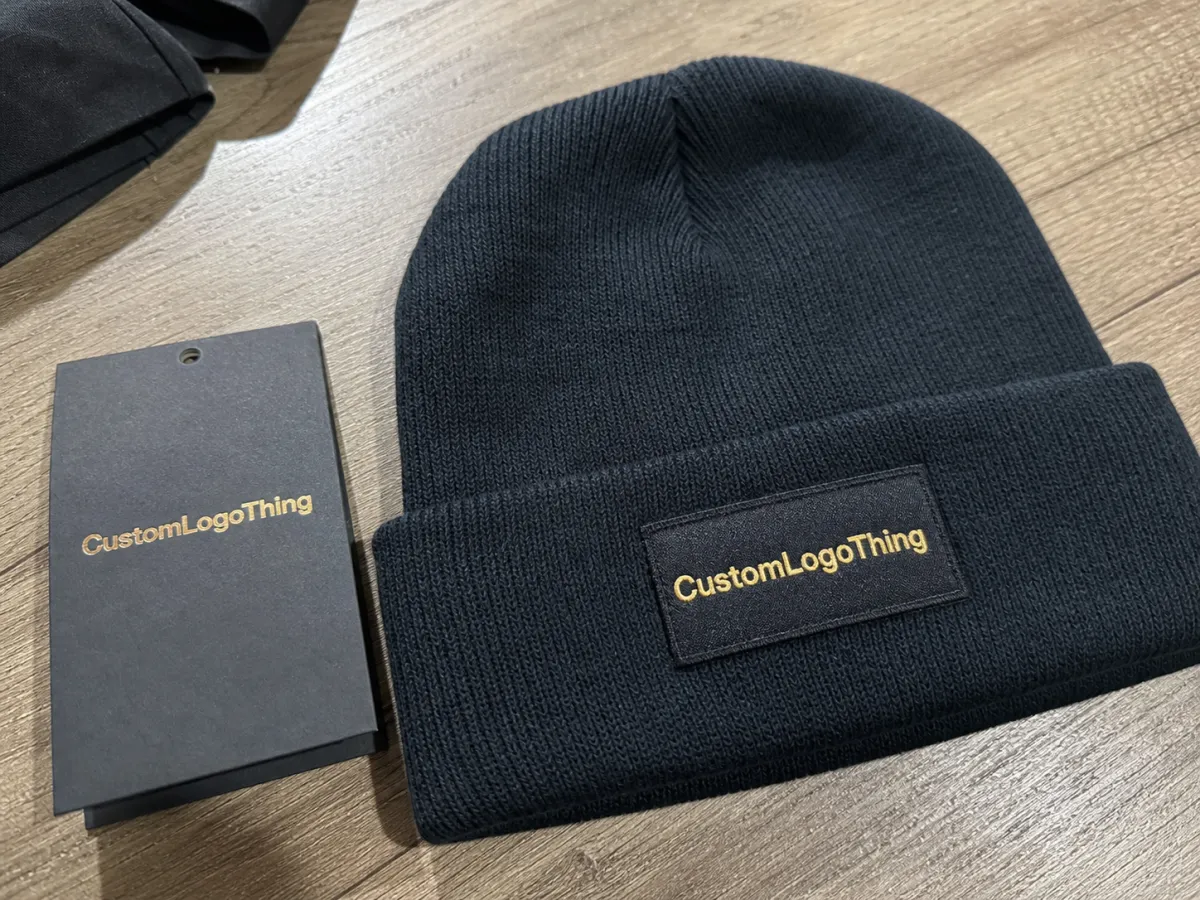
Flat embroidery can work on a smooth cap. On a beanie, especially a rib-knit one, it often loses clarity. Small letters crowd together. Thin lines get swallowed. The logo still exists, technically, but it stops reading like a professional mark and starts looking like a compromise.
A patch gives the design a cleaner border and a more stable surface. That matters for hotel teams because uniforms need to read clearly from a few steps away. Guests do not examine a logo. They notice whether the staff looks coordinated. A patch helps the beanie hold that visual structure, especially when the logo has multiple colors, small text, or a shape that needs cleaner edges.
Patch beanies also let hotels tune the brand feel without changing the hat itself. A woven patch can look crisp and controlled. Leather pushes warmer and more premium. PVC feels bolder and more modern, which works for some properties and feels off-brand for others. That choice affects both appearance and price, so it should be part of the budget discussion from the start.
For buyers, the useful test is simple: will this beanie be worn often enough to justify a custom decoration method? If yes, the spec should handle three things well.
- Visibility: the logo should read cleanly on a cuff without looking oversized.
- Comfort: the knit should stretch without feeling loose or scratchy after a few wears.
- Durability: the patch and attachment method should survive normal laundering and daily handling.
That is the real reason patch decoration often wins. It is not just about looking better on a quote sheet. It is about making the beanie work as a uniform item instead of a temporary accessory.
Logo Patch Styles That Work Best on Hotel Beanies
Each patch type solves a different problem. Woven patches are usually the best fit when a hotel logo has small lettering or fine linework. They hold detail better than standard embroidery because the weave can carry a tighter visual image. Embroidered patches feel softer and more tactile, which some buyers prefer for simple marks. Leather reads elevated and more lifestyle-oriented. PVC is the hardest-wearing and visually strongest option, but it can feel too technical if the brand is aiming for quiet luxury.
| Patch Type | Best Use | Typical Unit Add | Notes |
|---|---|---|---|
| Woven | Fine logo detail, small text | $0.35-$0.70 | Clean read; strong balance of cost and finish. |
| Embroidered | Simple marks, bolder lettering | $0.30-$0.60 | Soft texture; less precise on tiny elements. |
| Leather | Premium hotel or lodge branding | $0.50-$0.95 | Polished look; tooling fees may apply. |
| PVC | Outdoor, modern, durable styling | $0.60-$1.10 | Strong visual impact; not every brand wants that feel. |
The edge finish changes the final look more than most buyers expect. Merrowed borders are common and stable on thicker patches. Heat-cut or laser-cut edges can look sharper on thinner versions. If the beanie has a folded cuff, center-front placement is usually easiest to approve and easiest to repeat. Side placement can look more fashion-led, but it needs tighter measurement control so the patch does not drift toward a seam or sit slightly crooked across a batch.
For hotel groups ordering for multiple properties, the safest path is usually one patch size, one placement spec, and one base beanie style with color changes only where necessary. Variation sounds attractive during design review. It gets old fast during reorders.
Beanie Specs That Affect Fit, Warmth, and Perceived Value
The knit spec does a lot of quiet work. A 7-gauge beanie is chunkier and usually warmer. A 9-gauge or 12-gauge knit feels lighter, smoother, and less bulky under a hood or coat collar. For outdoor staff or colder properties, a double-layer cuff often makes more sense than a thin single-layer hat. For guest retail, the lighter knit can photograph better and feel more wearable across different climates.
Fit is where many orders lose credibility. One-size-fits-most is convenient, but not magic. Crown depth, cuff height, and stretch recovery all affect how the beanie sits on the head. If the crown is too short, the beanie rides up. If the cuff is too shallow, the patch ends up sitting awkwardly high. It is a small thing until the team wears them, and then it is all anyone notices.
Color is another place where practical buyers stay boring on purpose. Black, navy, charcoal, and forest are reliable because they hide lint, hold up better in regular use, and make reorders easier. Heathered yarns can look richer and soften the overall feel, but they also introduce more variance between production runs. If the goal is a consistent uniform piece, simple base colors are usually the smarter choice. Let the patch do the visual work.
- Center cuff: best for standard hotel marks and straightforward approvals.
- Side cuff: works for subtle branding and a slightly more fashion-forward look.
- Front panel: useful when the patch is wider or the logo needs more breathing room.
Material also changes perceived value. A 100% acrylic beanie is usually the lowest-cost option and the easiest to manage for uniform programs. Acrylic-wool blends feel warmer and more premium, but they usually increase price and may require clearer care language. The highest value choice is not the most expensive fabric. It is the one that fits the job, wears well, and can be reordered without a scavenger hunt through old emails.
Hotel Logo Patch Beanies Unit Cost Review: What Changes the Price
The blunt answer is that quantity drives savings more than almost anything else. Once setup is paid, the per-piece cost drops as the run gets larger. A 100-piece order carries a heavier share of artwork and prep than a 1,000-piece order. That is why small orders can feel unexpectedly expensive and larger runs often look more sensible than the first quote suggests.
The main cost drivers are predictable. The blank beanie sets the base price. The patch material adds another layer. The attachment method matters too: stitched-on patch work, heat seal, and sewn placement do not cost the same in labor. Artwork complexity affects proofing time and sometimes tooling. Freight and packaging are the final pieces, and those are the ones that tend to ruin a budget when they are left vague.
| Order Size | Typical Cost Per Piece | What Usually Happens |
|---|---|---|
| 100-149 pcs | $4.25-$7.50 | Higher setup share, tighter MOQ pressure, fewer price breaks. |
| 250-499 pcs | $2.85-$5.20 | Better spread on setup charges; practical for hotel groups. |
| 500-999 pcs | $2.10-$4.20 | Often the sweet spot for uniform programs and merch testing. |
| 1,000+ pcs | $1.85-$3.75 | Lowest unit cost if artwork, colors, and placement stay stable. |
These ranges assume a standard acrylic beanie with a custom patch and normal production conditions. Leather patches, heavier yarns, or custom packaging can push pricing upward. If the logo needs redraws, Pantone matching, or multiple patch revisions, those charges should be visible before approval. Hiding them does not save money. It just moves the surprise to the invoice.
Bulk buyers do not pay for a logo. They pay for repeatability.
Ask for a quote that separates the blank hat, the patch, the attachment labor, and freight. That makes it easier to compare suppliers on the same basis. A single bundled number can look attractive while hiding a weak base hat, a rushed patch, or a freight estimate that assumes perfect conditions. A proper hotel Logo Patch Beanies unit cost review should show landed cost, not a polished guess.
Production Steps, Timeline, and Approval Milestones
A normal order usually moves through art review, patch proof, beanie mockup or sample, approval, bulk production, and shipment. The process gets stuck most often in two places: artwork cleanup and shipping. Clean vector files keep things moving. Low-resolution JPGs do the opposite. If the logo has small copy, thin outlines, or layered colors, expect at least one round of adjustment before the patch can be finalized.
Lead time depends on decoration method, order size, and the season. A simple order can often move in roughly 12-15 business days after final approval if the factory has materials in hand and the schedule is open. Add patch changes, special yarn requests, or custom packaging and the timeline moves out. Holiday freight windows and peak travel periods slow everything down. That is not a supplier problem so much as a logistics problem with a badge on it.
Packaging deserves a real discussion. Beanies are not fragile in the way glassware is fragile, but they still arrive in better shape when cartons are packed with enough structure to prevent crushing. If retail presentation matters, ask for a carton plan that protects shape and keeps pairs or size runs organized. If sustainability matters to the property, ask whether tissue, polybags, or hangtags can be reduced or specified with recycled or FSC-aligned materials. The FSC standard is one example buyers use when they want packaging choices to be clearer and easier to explain internally.
The approval path should stay simple.
- Confirm the logo file, patch shape, beanie color, and quantity.
- Review a digital proof with exact patch size and placement.
- Approve a sample or virtual mockup before bulk production starts.
- Lock packaging, carton count, and delivery address before the run begins.
Rush service is possible, but only when the order is simple and the materials already exist. Once you add a custom patch, a special knit, and a hard deadline, the order gets expensive fast. One of those three usually gives way. Sometimes two do.
Quality-Control Checks That Protect Reorders
Most repeat problems are boring. That is also why they keep happening. A patch can be the right shape and still land too high on the cuff. A beanie can pass inspection in hand and still feel off once it is stretched over a head. The way to catch those problems is to define a few checks before production starts, not after the first shipment arrives.
For hotel buyers, the useful QC points are straightforward. Measure patch diameter or width, confirm placement from the cuff edge, and verify that the logo sits level against the rib or knit lines. Check yarn shade against the approved sample, not against memory. Memory is a liar, especially after the third revision.
Attachment quality matters too. A patch that is heat-applied should not lift at the corners. A sewn patch should have even stitching and no loose threads. If the beanie is double-layered, inspect the cuff fold so the patch does not sit over a thick seam in a way that causes puckering. These sound like small defects. They are the kind guests notice immediately.
- Patch alignment: confirm placement using a fixed measurement from the cuff edge.
- Logo legibility: check the smallest text at arm’s length, not just on a screen.
- Stitch consistency: look for loose threads, skipped stitches, or uneven borders.
- Color consistency: compare against the approved yarn or patch reference, not a fresh mental image.
One more practical point: keep the first production sample on file with notes. That sample becomes the reference for future orders. Without it, a reorder turns into a fresh interpretation exercise, and that is how shade drift and patch movement sneak in.
Why Hotel Buyers Reorder the Same Patch Beanie Program
Repeat orders are where the program earns its keep. Front desk, concierge, valet, housekeeping, and seasonal retail can all use the same base spec if the color, fit, and patch placement stay locked. Consistency matters more than novelty. Nobody wants one department in deep navy, another in midnight blue, and a third wearing something that looks “close enough.”
Buyers tend to stick with the same program when the spec is documented properly. Yarn code, patch artwork, placement measurement, packaging count, and approved sample notes all reduce friction on the next order. That documentation sounds dull. It is also what keeps a reorder from turning into a fresh round of mockups.
The best supplier relationship is the one that makes the item boring in a good way. The hats arrive on time. The patch sits where it should. The color matches the last run. The invoice matches the quote closely enough that finance does not ask annoying questions. That is not flashy, but it is what most hotel operators actually need.
If the supplier can hold the same spec across seasons, the hotel gets fewer reworks, fewer approval delays, and fewer mismatched uniforms across properties. That is the practical value of a hotel logo patch beanies Unit Cost Review: it is not just a pricing exercise. It is a way to lock in a repeatable item that does not need to be relearned every time someone reorders 300 pieces.
What to Send for a Fast Quote and a Safer First Order
Fast quotes come from clear requests. Send the logo file, target quantity, preferred beanie style, color, and deadline in one message. If you already know the patch type, say so. If you do not, ask for side-by-side pricing on woven, leather, and PVC so you can compare finish and cost instead of guessing from product photos.
Ask for tiered pricing at 100, 250, and 500 units. That shows where the real breakpoints are and whether the MOQ is reasonable. Also confirm patch size, attachment method, and packaging early. If you want individual polybags, hangtags, or retail cartons, say it before approval. Those details are rarely included for free, and they definitely belong in the landed cost.
For a first order, the checklist should stay tight.
- Use a vector logo file with clear color references.
- Approve patch type, size, and edge finish before production.
- Confirm blank beanie material, cuff height, and color code.
- Ask whether sample charges, tooling fees, and freight are separate.
- Review landed total cost, not just quoted unit cost.
That approach keeps the order from drifting off-spec halfway through the process. The strongest hotel programs are not the flashiest ones. They are the ones that repeat cleanly without constant correction. That is what good uniform buying looks like: clear spec, realistic cost, and no drama when it is time to reorder.
Common Mistakes That Push Unit Cost Up
Most budget overruns start with preventable choices. The first is approving a logo that is too detailed for the patch type. If the art is dense, the factory needs to simplify it or increase the patch size. Either way, cost moves. The second is changing the beanie color after proofing. That sounds small until the dye lot changes and the reorder no longer matches the first run.
Another common mistake is asking for too many variations in one order. Multiple colors, mixed patch types, and different placements can be done, but they reduce production efficiency. The unit cost climbs because each variation adds setup and handling. If the program really needs color variety, keep the base construction identical and vary only what matters operationally.
Freight can also create false confidence. A quote that looks cheap before shipping is not actually cheap. If the buyer does not ask whether freight is air, sea, or domestic ground, the final landed cost can move enough to change the decision. That is especially true for smaller orders, where shipping can make up a larger share of the total.
Finally, do not let packaging become an afterthought. Individual polybags, retail inserts, and custom cartons all add cost. Sometimes they add enough value to justify themselves. Sometimes they are just expensive clutter. The right answer depends on whether the beanies are for staff, for guest gifting, or for retail shelves.
What affects hotel logo patch beanie unit cost the most?
Quantity has the biggest impact because setup gets spread across more pieces. Patch material, logo complexity, attachment method, and freight usually move the price more than the beanie body itself. Clean vector artwork also keeps proofing and revision costs from creeping up.
What MOQ should I expect for custom hotel patch beanies?
MOQ usually follows decoration setup rather than the hat fabric alone. Smaller runs are possible, but the unit cost rises quickly when quantities drop. Ask for tiered pricing so you can see the real breakpoints instead of guessing.
Which patch type looks most premium on hotel beanies?
Leather and woven patches usually read the most polished for upscale properties. PVC feels durable and bold, but it shifts the style language. The best choice depends on whether the brand wants luxury, outdoor, or classic uniform energy.
How long does production usually take after artwork approval?
Most schedules depend on patch approval, sample timing, and current factory load. Simple orders move faster than jobs needing custom patch revisions or Pantone matching. Build extra time around peak travel seasons and holiday freight delays.
Can I mix colors or sizes in one hotel beanie order?
Yes, if the supplier allows mixed-color or mixed-size breakdowns. Mixing options can help with staff roles, property groups, or seasonal needs. Confirm the price impact first, because split runs can raise unit cost.


