Wine Club Pom Pom Beanies Unit Cost Review and Quote A wine club Pom Pom Beanies Unit Cost review should do more than spit out a number. It should show what fabric, decoration, minimums, and packing choices are actually buying you. For clubs shipping a seasonal gift or membership bundle, the right beanie can feel like a kept item instead of another forgettable insert.
Why pom pom beanies earn their keep in wine club shipments
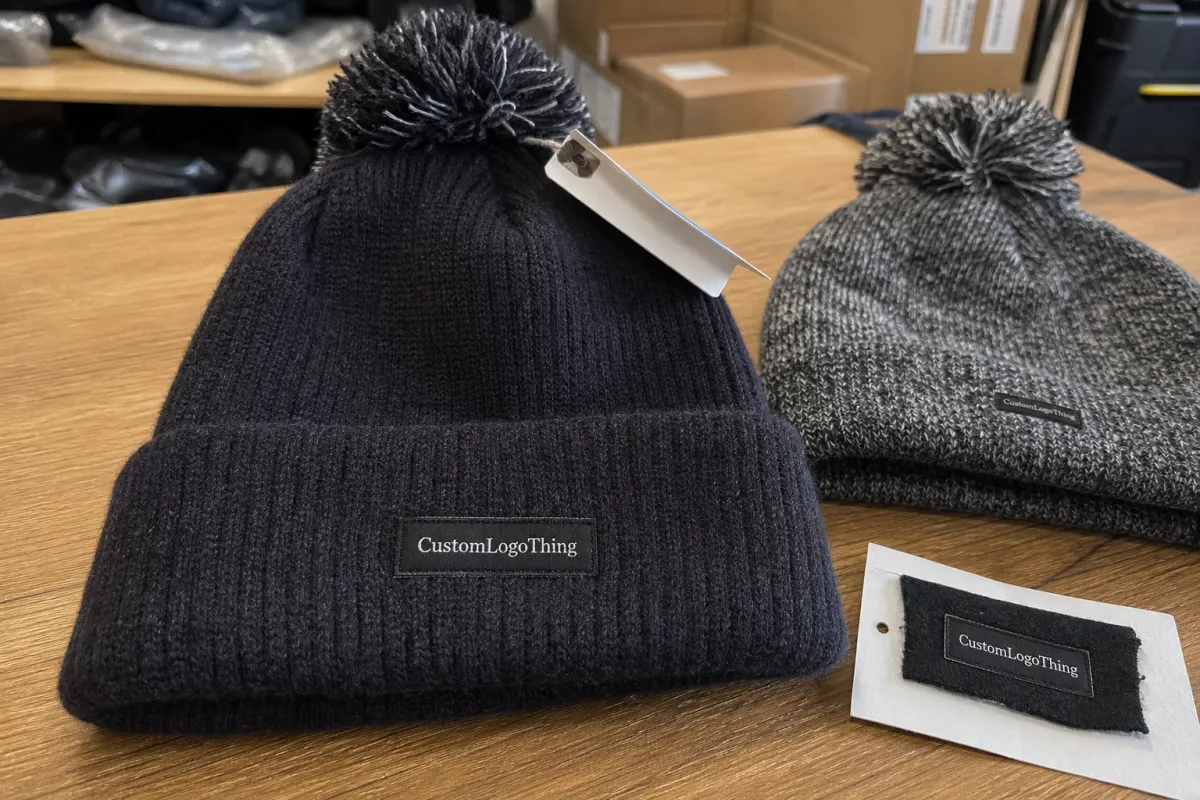
From a packaging buyer's point of view, a knit hat works because it keeps producing impressions long after the box is opened. A member wears it on a winter walk, at a tasting room, or in a weekend photo, and the brand keeps showing up without paying for another placement. That is a better outcome than a paper insert and usually a better one than a low-cost throw-in that gets tossed in a drawer.
The wine club pom pom beanies Unit Cost Review matters because clubs are not buying only a hat. They are buying a membership touchpoint, a giftable item, and a piece of merch that has to sit well next to the wine. That is especially true for holiday shipments, renewal packs, tasting-room retail, and member appreciation programs where the accessory needs to look planned, not random.
The pom pom adds personality without changing the core job of the product. A good beanie still has to warm the head, fit a range of wearers, and hold its shape after being folded and shipped. The pom pom just gives it a little more lift. It photographs better, feels more seasonal, and plays nicely with the kind of limited-edition presentation clubs like to use for winter releases.
There is also a logistics angle. Knit headwear packs compactly, stacks cleanly in fulfillment, and pairs well with tasting notes, bottle sleeves, or other small club items. If you are trying to build a repeatable seasonal program, that matters. The format is familiar, the design space is flexible, and the unit cost stays manageable when the spec is set correctly from the start.
So the right question is not, "Is a beanie cheap?" The better question is, "What kind of member value does this price buy?" A well-sourced beanie can support branding for months, and it can still fit a realistic merch budget. That is the part worth reviewing carefully.
Style options that match tasting-room merch and mailers
Style choice changes the whole tone of the product, and it changes how the item behaves in a club box. A cuffed beanie is usually the safest place to start because it gives a clean decoration zone and a balanced profile that fits most heads. A slouch beanie reads more casual and modern. A ribbed silhouette feels more structured and a little closer to retail basics. None of those is inherently better. The right one depends on the winery brand and how the beanie needs to present in mailers, tasting rooms, or welcome kits.
Pompom size matters more than most buyers expect. A larger pom pom adds energy and makes the item feel more like a gift, but it also changes the top silhouette and can make packing a bit bulkier. A smaller pom pom is quieter and more refined. Yarn texture does the same kind of work. A soft acrylic knit can feel approachable and warm, while a tighter knit tends to look cleaner and hold the cuff edge better.
Color planning should stay practical. I usually advise buyers to decide whether they want one strong brand color, a neutral base with a brand-colored accent, or a two-tone knit that echoes a label element or box design. That keeps the hat connected to the brand without turning it into a literal copy of the bottle art. Copying label art onto a beanie usually looks busy. The hat loses, and so does the customer.
There is also a fulfillment reality here. Some silhouettes fold flatter and sit better in shipping cartons. Others show the logo more clearly in a retail hang or flat lay photo. If the beanie needs to ship with bottles, inserts, or tissue, judge the shape by how it nests with the rest of the order, not just by the catalog image. A style that looks great standing alone can be annoying when packed with a 12-bottle club case.
Repeat wear should count more than the first glance. If the member actually likes the hat, the brand keeps traveling. If the shape feels awkward, the perceived value drops fast. Style needs to serve both presentation and wearability, not one at the expense of the other.
Material, knit, and decoration specs buyers should compare
Material is where a quote starts to become real. For most wine club programs, acrylic is the baseline because it is affordable, warm enough for seasonal wear, and easy to produce in branded colors. An acrylic blend can soften the hand-feel or improve drape. A wool blend can feel warmer and more premium, but it usually brings a higher price and more caution around itchiness, color consistency, and lead time.
Knitting construction changes the finish as much as the fiber does. A tighter gauge usually gives cleaner logo edges and a more polished surface. A deeper rib cuff improves fit and helps the beanie stay put. A double-layer build feels more substantial and often photographs better, but it can add weight and may shift the price if the yarn usage changes. These are not minor details. Buyers notice the difference in hand the second the sample comes out of the bag.
Decoration should be judged on the knit surface, not just on a flat proof. Embroidery is common because it is durable and reads well on cuffed styles. Woven labels work well when the logo has fine detail or the brand wants a cleaner retail finish. Patches create a badge effect and can look premium without overcomplicating the hat. A full jacquard knit is also possible, but that is a different production setup because the logo becomes part of the fabric instead of something added after the knit is made.
Before approving a quote, ask for the practical numbers and constraints:
- Color matching tolerance for yarn and decoration thread.
- Cuff height and whether it can support the logo size you want.
- Pom pom coordination, including contrast colors or brand-colored tips.
- Packaging method, such as folded, banded, polybagged, or boxed.
- Size range and whether the fit is snug or relaxed.
If the supplier offers samples, compare them by feel and finish, not just by how the mockup looked on screen. Knit goods can surprise you. A yarn that looks premium in a rendering may feel shiny in real light, while a plain matte knit can end up looking more expensive than expected. Real samples settle those arguments quickly.
For clubs that care about shipping standards, it is reasonable to ask how the order will be packed for transit. ISTA publishes parcel testing guidance at ista.org, which is useful if the club boxes need to survive stacking, handling, and repeated carrier movement. If your package includes paper inserts or branded tags, FSC details at fsc.org can help support a more responsible sourcing story.
Wine club pom pom beanies unit cost review: pricing, MOQ, and quote factors
This is the part buyers care about most, for obvious reasons. A solid wine club pom pom beanies Unit Cost Review should show what moves the price and which tradeoffs are worth making. In practice, the biggest drivers are quantity, decoration method, yarn choice, number of colors, packaging requirements, and whether the order is a stock style or a fully custom-knit item.
MOQ has a direct impact on cost per piece. A smaller quantity can be perfectly workable for a club with tight inventory control, but the unit cost usually rises because setup charges and decoration labor are spread across fewer units. Once you move into better bulk pricing tiers, the per-piece number often softens, and the quote becomes easier to defend if the item supports a holiday campaign or a club renewal push.
A useful quote should show the product price, setup charges, and the point where unit cost drops if you move from a small run to a larger one. If those numbers are buried, buyers cannot compare options cleanly.
Here is a practical way to think about common options:
| Option | Typical MOQ | Estimated unit cost | Best for | Watch-outs |
|---|---|---|---|---|
| Stock acrylic beanie with embroidery | 48-100 | $4.25-$7.50 | Smaller club drops, quick replenishment, simple logos | Limited color choices, logo size constraints |
| Stock beanie with woven label or patch | 100-150 | $5.75-$9.25 | Retail-style presentation, cleaner branding | Decoration charges can climb on small runs |
| Custom color knit with coordinated pom pom | 150-300 | $7.80-$12.50 | Brand-matched club programs, stronger visual identity | More approval steps, possible tooling fees |
| Fully custom knit pattern with premium decoration | 300-500+ | $9.50-$16.00 | Signature merch, annual member gifts, retail resale | Higher setup charges, longer lead time, more sample rounds |
Those ranges are broad because they depend on art coverage, yarn availability, and whether the product is stock or custom-made. Even so, they are useful because they show where savings are realistic. A club can usually lower unit cost by choosing a standard yarn, keeping decoration simple, and skipping unnecessary packaging extras. By contrast, adding a custom tag, special folding, or a second artwork placement can increase the price faster than many buyers expect.
Ask for the quote in pieces: body price, decoration price, setup fees, and any other line items such as polybagging, insert cards, or carton labels. That makes it easier to see whether one supplier is actually cheaper or just bundling charges differently. A low base price with higher setup fees is not a bargain if the order size is small.
A practical comparison method is simple: compare the same style, the same decoration method, and the same packaging plan at two or three quantity levels. Then ask how the price changes at 100, 250, and 500 units. That tells you where the real breakpoints are and gives the team a clearer view of how the merch program scales across seasons.
One caution: cutting the product too far can hurt the result. If the yarn is too thin, the beanie may not hold shape. If the logo method is too small, it can disappear in the knit texture. If the color match is too loose, the item can feel off-brand. The right quote balances savings against how the beanie will actually look and wear.
Another issue buyers run into is underestimating the cost of custom color matching. Matching one brand color in yarn is manageable. Matching three colors with a specific pom pom treatment, plus a unique label, plus custom packaging, is a different level of work. It can still be worth it, but only if the club is ordering enough volume to justify the extra production steps.
Process, lead time, and production steps from artwork to delivery
A clean production process starts with a tight brief. The supplier needs the logo files, target quantity, preferred colors, packing needs, and delivery date before the quote means much of anything. Once the artwork is reviewed, the next step is usually a digital proof or sample plan, followed by approval, production, finishing, and shipment. That sounds simple. It rarely is, because each stage can slow down if the information is incomplete or the club changes direction late.
For decorated knit runs, lead time is usually shaped by three things: color matching, sample revisions, and order size. A stock beanie with embroidery can often move faster, while a custom-knit style needs more time for yarn sourcing and production scheduling. As a rough planning range, stock options can sometimes move in about 12-20 business days after proof approval, while custom-knit programs more often sit in the 25-45 business day range. Those are planning numbers, not promises, and the schedule changes depending on the production calendar.
Club timing matters more than most buyers admit. A winter release, holiday shipment, or renewal campaign loses value if the beanies arrive after the box has already gone out. That is why the buyer should lock the artwork first, then confirm quantities, then finalize the ship date and packaging details. If the carton also needs special inserts or labeling, build that into the timeline from the start. Rework on the back end is usually what creates the headaches.
Good suppliers will also talk about carton performance and transit behavior instead of pretending the product will travel by good vibes. For apparel and accessory packs moving through parcel networks, some buyers reference standards like ISTA 3A or similar testing logic to reduce the chance of crushed cartons or damaged contents. That does not mean every club shipment needs a formal lab program. It does mean the supplier should think about pack density, outer carton strength, and how the bundle holds up in real shipping conditions.
Fast feedback from the buyer makes a real difference. If the logo placement, stitch count, or pom pom color sits in review for a week, the clock keeps moving without you. A quick approval cycle is often the difference between hitting the release date and missing it by several days. Not glamorous, but true.
What a reliable supplier should prove before you place an order
Reliability in this category is not about polished sales language. It is about proof. A supplier should be able to show a clear spec sheet, explain the decoration method in plain terms, and give you a believable lead time based on the quantity you want. If the response is vague, full of promises, or missing line items, that usually means the quote will be harder to manage later.
For wine clubs, communication matters as much as price. Seasonal programs have a fixed window, and a missed ship date can disrupt a release calendar, membership renewal, or holiday mailing. A good supplier keeps the buyer updated on proof status, production status, and any risk that could affect timing. That kind of communication prevents surprises. It is one of the strongest signs the project is being handled well.
Ask how the supplier handles decoration durability on knit fabric. Embroidery should be dense enough to read cleanly without distorting the cuff. A patch should be stitched well enough that the edges do not curl. A woven label should be placed where it stays visible but does not irritate the wearer. If the answers stay generic, the supplier probably does not have enough hands-on experience with knit headwear to guide the project properly.
It also helps if the supplier can separate product cost from tooling fees and setup charges. Buyers do not need manufacturing poetry. They need honest accounting. If a custom color knit requires extra program fees or dye lot approval, that should be explained before the order is placed. If a cheaper option works only because it removes important finishing steps, that needs to be said too.
The standard I would use is simple: the supplier should help you avoid two common mistakes, approving art too late and choosing a decoration method that will not read well on the knit surface. If they can do that, they are doing real work for the program instead of just taking an order. That protects both the budget and the brand experience.
For a club buyer, fewer surprises usually means a better member reaction. The beanie arrives on time, looks close to the proof, and feels worth keeping. That is the real result.
One more thing buyers tend to overlook: consistency across reorders. If this is a recurring club item, ask whether the supplier can hold yarn color, decoration placement, and packaging method close to the original run. Knit goods are not impossible to repeat, but they are not magic either. Dye lots change, tiny placement shifts happen, and that is normal. A good supplier tells you where the variation can live and where it cannot.
Next steps for samples, artwork, and an accurate order quote
If you are moving from concept to purchase, start with the essentials: estimated quantity, target ship date, logo files, preferred colors, and any packaging requirements. With those pieces in hand, the quote becomes more specific, and the wine club Pom Pom Beanies unit cost review becomes a real buying tool instead of a guess.
Request a sample or digital mockup before final approval. Even a simple proof can reveal whether the logo is sized correctly, whether the cuff proportion feels right, and whether the pom pom color works with the garment. For club programs, that visual check is worth the extra step because it protects the member experience and reduces the chance of a costly reprint or rework.
If you can, compare at least two directions. For example, compare embroidered stock beanies against a woven-label option, or compare a standard yarn against a custom color match. That gives your team a better read on value, not just price. Sometimes the slightly higher unit cost buys a much better finish and a stronger retail feel.
- Send the artwork and quantity first.
- Confirm the decoration method and packaging plan.
- Review the quote line by line, including setup charges.
- Approve a sample or mockup before production starts.
- Lock the delivery schedule so the order lands on time.
That process keeps the order moving and makes it easier to compare proposals across suppliers. It also helps you spot where savings are real and where they might create problems later. A clear brief, a clean approval path, and an honest lead time are the ingredients that make a merch program feel controlled.
If you need a firm quote, send the details and ask for a proper wine club pom pom beanies unit cost review. The more complete the brief, the easier it is to price the options accurately and place an order that fits the club budget, the delivery window, and the brand standard.
Frequently asked questions
What drives wine club pom pom beanies unit cost the most?
Quantity is usually the biggest factor because larger runs spread setup charges and decoration labor across more units. Decoration method, yarn choice, and any custom packaging can also move the price noticeably, especially if the design needs multiple colors or a special finish.
What is a practical MOQ for custom wine club pom pom beanies?
MOQ depends on whether the beanie is stock or custom-made, but smaller club programs should ask for the lowest viable run first. A supplier should explain how MOQ affects unit cost so you can balance inventory risk against per-piece savings.
How long does production usually take for decorated pom pom beanies?
Lead time depends on artwork approval, sample needs, order size, and whether the style is stock or custom knit. Fast approvals help keep the project moving, especially when the beanies need to arrive before a shipment date or event.
Can the beanie colors match a wine label or club brand?
Yes, many orders can be built around brand colors, but the final match depends on yarn availability and the decoration method. A mockup or sample is the best way to check whether the colors feel accurate in real light and fabric.
What files should we send for an accurate quote?
Send vector logo files when possible, along with the quantity, color preferences, decoration idea, and target delivery date. The more complete the brief, the easier it is to compare unit cost, MOQ, and timing without back-and-forth delays.

