Hotel PVC Garment Bags bulk order planning starts with a blunt reality: the unit price rarely tells the full story. A bag that looks cheap on paper can become expensive once housekeeping has to fight wrinkled hems, slow zippers, weak hanger openings, or cartons that arrive damaged and need to be sorted by hand. Procurement teams usually feel the pain later, after the order has already been approved and the operational mess is baked in.
"A garment bag that saves 10 seconds per room sounds tiny. Multiply that across a large property and it turns into real labor, real time, and real money."
Hotel PVC Garment Bags Bulk Order Planning: Why Bulk Buyers Miss the Real Cost
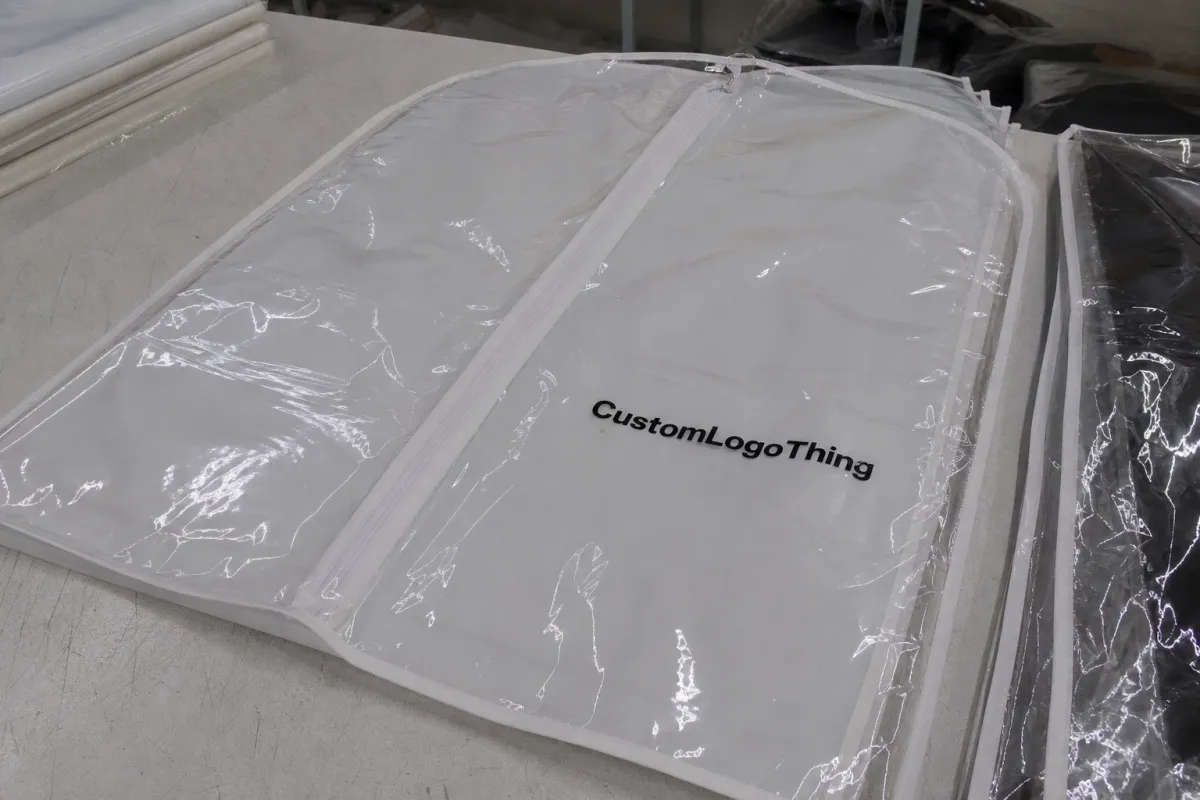
The cheapest-looking quote can quietly raise operating costs in three places. First, staff lose time opening, checking, and rehanging garments. Second, a bad fit causes wrinkles or exposed hems, which means more touch labor before the room is guest-ready. Third, weak bags fail early, so the property pays twice: once for the original purchase and again for the replacement run.
That is why hotel pvc garment Bags Bulk Order Planning should be built around throughput, not just unit price. A bag that lets housekeeping identify garments quickly, keeps closet presentation tidy, and survives repeated handling is doing useful work. If it slows the room turn or makes the team baby the product, the bargain disappears fast.
Hotels also buy for consistency. Guests notice when wardrobe presentation looks polished in one room and sloppy in the next. That inconsistency can come from material choice, but more often it comes from poor specification. If one order size is close enough to work and the next is a little off, the property spends time fixing what should have been standard from the start.
The real planning step is unglamorous: count garment types, map where the bags will live, and decide how often each one will be handled. Back-of-house storage, guest closets, dry-clean returns, and valet holding all have different demands. Once those uses are separated, the order becomes a spec exercise instead of a guess.
Why Clear PVC Works Better Than Soft Covers for Hotel Use
Clear PVC is popular in hotel operations for one reason: it makes inspection faster. Staff can see a suit, coat, robe, or long dress without opening every cover, which matters when a cart is crowded and time is tight. Soft fabric covers can work for storage, but they do not give the same visual speed or moisture resistance.
In a guest-facing closet, clear PVC also keeps the presentation orderly. The bag looks uniform, garments are easier to sort, and housekeeping can confirm the contents without pulling everything apart. That matters in properties where clothing is rotated often or where guest requests send items in and out of storage several times a day.
There is a tradeoff, and buyers should say it plainly. PVC is not about softness or a boutique feel. It is about repeated handling, visibility, and a cover that keeps doing its job after dozens of touches. For hotels that care more about function than the romantic version of packaging, clear PVC usually wins.
Not every property needs the same finish. A long-stay hotel with lower turnover may choose lighter film and basic construction. A luxury floor or valet-heavy operation may need heavier gauge, smoother zipper action, and a cleaner edge finish. The material choice should follow the workflow, not the other way around. If the team has to work around the bag, the spec is wrong.
One practical note: PVC can stiffen in cold storage and soften in hot storage. That does not make it a bad material. It just means the bags should be stored away from direct sunlight, heaters, and damp corners that can distort the film over time. Buyers who ignore storage conditions often blame the product for a handling problem.
Film Gauge, Dimensions, Zippers, and Hanger Openings to Specify
This is where many bulk quotes fall apart. A garment bag is not one decision; it is a stack of them. Film thickness, width, length, gusset depth, zipper style, hanger opening, reinforcement points, and carton format all change the outcome. If the buyer does not specify the details cleanly, the supplier fills in the blanks. That is where avoidable errors start.
For hotel use, clear PVC film often sits in the 0.12-0.20 mm range. Heavier handling programs usually sit closer to the upper end. Suit and jacket bags commonly fit in a 24-28 inch width, while coats, robes, and longer dresses may need 30 inches or more, plus a longer drop. A 2-4 inch gusset usually helps the bag sit properly without crushing bulkier shoulders. The point is not to force every property into the same size. The point is to match the garment mix.
Zippers matter more than buyers expect. A smooth full-length zipper reduces frustration, speeds room setup, and lowers the chance of staff yanking the opening and tearing the seam. The hanger opening should be reinforced so repeated use does not split the top. If the property handles dry-clean returns or guest-request items, a clean top slit and a reliable hanger path are worth paying for. A weak opening is a small defect with a large bill attached.
There are a few spec details that tend to get overlooked:
- Logo printing: one-color branding usually costs less and stays readable longer than more complex print coverage.
- Size labeling: a small printed size or garment code helps housekeeping sort quickly.
- Barcode or note area: useful if the cover moves through valet or laundry tracking.
- Pack format: flat-packed cartons save storage space, while folded packs may speed shelf setup.
- Carton count: choose counts that match replenishment shelves and cart loading, not just factory convenience.
Quality control is not a vague concept here. Ask whether the supplier references tensile or puncture testing for the film, and whether the zipper and seam strength are checked against a signed sample. ASTM D882 is commonly used for tensile properties of plastic film, while other methods can be used for impact or puncture behavior depending on the program. For long shipping lanes, some buyers also align transit checks with ISTA practices so cartons arrive intact instead of crushed and bent out of shape.
Cost, Pricing, MOQ, and Quote Inputs That Change the Final Number
Once hotel pvc garment bags Bulk Order Planning moves into pricing, the final number usually depends on five variables: material grade, thickness, bag size, customization, and freight. Add print coverage, zipper type, tint, and carton configuration, and the quote can move more than many buyers expect. A standard clear bag with no print can look very different from a branded, heavier-gauge version with reinforced seams and custom sizing.
MOQ changes the economics quickly. A larger run lowers unit cost, but it also ties up cash and storage. A smaller run reduces inventory pressure, but the price per unit usually rises because setup costs are spread across fewer pieces. The right order size is the one that matches your replenishment cycle, not the biggest quantity the supplier is willing to quote.
Compare vendors only after you send the same spec sheet to each one. Include exact dimensions, film thickness, zipper style, logo artwork, target quantity, packaging format, and required delivery window. If one supplier includes freight, artwork, and cartons while another leaves them off, the lowest number is not a real comparison. It is just a partial quote.
For budgeting, these are useful directional ranges. Real pricing will move with size, freight, print complexity, and lead time.
| Program Type | Typical Unit Price | Best Fit | Tradeoff |
|---|---|---|---|
| Standard clear PVC, no print | $0.42-$0.68 per unit at 3,000-5,000 pcs | Basic wardrobe storage and steady replenishment | Lowest cost, but fewer branding and durability upgrades |
| Heavier-gauge clear PVC with zipper upgrade | $0.58-$0.95 per unit at 3,000-5,000 pcs | Higher-touch hotel use and stronger presentation | Better handling, higher material spend |
| Printed premium program with custom sizing | $0.85-$1.35 per unit at 3,000-5,000 pcs | Brand-forward suites, valet, and guest-facing closets | Most control over look and fit, longest setup time |
The lowest quote is not always the best deal. A bag that arrives with inconsistent dimensions, brittle film, or weak seals can trigger returns, rework, and rushed replacement orders. That is a bad trade in any procurement cycle. If the supplier cannot explain why the price is low, ask again. Price without process is just a number with better marketing.
One more hidden cost: landed freight. Air freight can make a small order look manageable, then blow up the total once it lands. Ocean freight lowers shipping cost, but it requires better forecasting and more storage discipline. Buyers who ignore freight mix often think they saved money right up until the receiving dock starts asking questions.
Production Steps, Lead Time, and Delivery Windows
A proper bulk order follows a simple sequence: inquiry, spec review, sample or proof approval, production scheduling, quality check, packing, freight booking, and receiving. If any step gets compressed, the rest of the order feels it. That is especially true for custom print, non-standard dimensions, or a hotel opening that leaves no room for delay.
Lead time depends on order size and customization level, but a realistic planning window is often 12-20 business days after final approval for production, plus freight time. Samples may take 5-10 business days if a new size or print plate is involved. Air freight can deliver quickly but raises landed cost. Ocean freight is cheaper on shipping, but only if the buyer starts early enough to absorb the transit time.
Milestone dates beat vague promises. Ask for the proof approval date, production start date, packing completion date, and freight booking date. Those checkpoints let procurement catch slippage before the shipment is already late. A supplier who resists milestone updates is usually asking the buyer to carry all the risk.
Think about the property calendar too. A hotel preparing for a seasonal occupancy spike needs stock in hand before labor gets tight. A renovation needs the order before the wardrobe refresh, not during it. Even a well-run factory cannot fix a bad deadline. The schedule needs a buffer, because rush fees usually show up after the planning problem has already happened.
If cartons are part of the order, ask about corrugated strength and shipping method before approval. The garment bag itself may be fine while the outer pack gets crushed in transit. That is an avoidable headache, and it often shows up only after receiving, when the property is already short on time and short on patience.
Receiving, Storage, and First Shipment Checks
The first shipment is where a lot of buying mistakes become visible. Count cartons on arrival, check for crushed edges or wet damage, and open a few samples from different cartons instead of the same box every time. That sounds basic because it is. Basic checks catch most of the problems that later become customer complaints.
Then test the bag the way hotel staff will use it. Hang a jacket or coat, close and open the zipper several times, check whether the hanger opening keeps its shape, and look for film cloudiness, seam pull, or edge curling. If the bags are printed, confirm that logos are centered and readable from normal closet distance. A spec can look correct on paper and still feel wrong in use.
Storage matters after receiving. PVC should sit out of direct heat and sunlight, or the film can yellow, stiffen, or warp over time. Cartons should stay dry and off the floor. If the bags are being staged for phased rollout, keep the first cartons accessible and label the rest by room type or closet location so staff do not improvise later. Improvisation is how standards die.
For repeat orders, keep the approved sample, spec sheet, carton count, and artwork file together. Nothing slows a reorder more than hunting for the exact version that was approved six months ago. A clean record saves time, prevents version drift, and makes supplier conversations shorter. Shorter is usually better.
What Separates a Reliable Bulk Supplier From a Cheap Quote
A reliable supplier keeps dimensions, clarity, seal strength, and zipper performance stable from the sample to the repeat run. That sounds obvious. It is not. Cheap quotes often hide a supplier that changes film thickness from batch to batch or ships a zipper that feels fine on day one and grinds after a week of use. Hotels do not need surprises in wardrobe storage.
Ask how quality control works. Do they match production against a signed sample? Do they inspect for seal defects, zipper alignment, and visual clarity? What happens if a carton arrives short or if a percentage of bags fail inspection? A buyer does not need a long speech. A clear answer is enough. Weak answers usually become service problems later.
Communication matters more than many procurement teams admit. Fast responses, complete paperwork, and clean spec sheets reduce ordering errors more effectively than a small discount. A supplier who can repeat the order without rebuilding the project from scratch is worth more than a vendor who saves pennies and creates work. That is especially true for recurring hotel programs, where consistency beats novelty every time.
Pay attention to packaging discipline too. A supplier who understands carton counts, label formats, and pallet stacking usually understands the rest of the process better than one who just quotes a number. If the outer pack arrives badly organized, the inside product often follows the same pattern. Sloppy packing is not a side issue. It is a signal.
For programs that will reorder, choose a partner who can support version control and repeat cycles without changing the spec casually. Printed cartons, paper inserts, and corrugated board may also matter if the hotel has sourcing rules. FSC-certified board is easy to specify early and annoying to retrofit later, so if the property cares about sourcing details, lock that in before production starts. The easier the paper trail, the fewer arguments later.
What to Lock Down Before You Request Samples or Place the Order
The cleanest hotel PVC Garment Bags Bulk Order planning process starts with actual counts, not guesses. Break the order down by garment type and room type. A suit bag for a suite closet is not the same as a coat cover for back-of-house storage. If you count inventory only by last season's spend, you risk under-ordering the sizes you use most and over-ordering the ones that sit untouched.
Before samples go out, confirm the details that affect both cost and fit:
- Exact measurements: width, length, and gusset depth for each size.
- Closure preference: zipper style, top opening, and reinforcement.
- Branding: logo location, one-color or multi-color print, and artwork file quality.
- Packaging: flat-packed or folded, carton count, and label format.
- Replenishment plan: reorder trigger, safety stock, and storage location.
Then compare at least two quotes using the same spec sheet. If one supplier includes freight, artwork, and packaging while another does not, normalize the numbers before making a decision. A small apparent savings can disappear once the real landed cost shows up. Buyers who document the spec first usually get cleaner pricing, faster approvals, and fewer surprises later.
A good rule is simple: buy the bag that matches the operating tempo of the property, not the one that only wins the lowest quote. That is the difference between a purchase and a procurement decision. One fixes a line item. The other keeps the operation from tripping over itself every week.
FAQ
How do I plan a hotel PVC garment bags bulk order for different room types?
Build the order from garment categories, not a single average size. Suites, standard rooms, long-stay inventory, and back-of-house storage often need different widths and lengths. Use occupancy patterns and room counts to estimate demand, then add a buffer for damaged bags and seasonal spikes.
What thickness is best for hotel PVC garment bags in bulk?
Choose thickness based on handling frequency. A property with frequent guest use and housekeeping rotation usually needs a heavier film than a short-term storage program. Ask for samples in the intended gauge so you can test clarity, flexibility, zipper action, and seal strength before approving production.
What MOQ should I expect for a bulk hotel garment bag quote?
MOQ varies by size, print requirements, and whether the bag is standard or custom. A lower MOQ usually means a higher unit price because setup costs are spread over fewer pieces. If volume is high, ask for tiered pricing so you can see where the unit cost drops across order breaks.
How long does production usually take after approval?
Lead time depends on customization, sample revisions, and order size. A common range is 12-20 business days for production after final approval, plus freight. If the bags must arrive before a renovation, opening, or occupancy surge, build in extra buffer instead of aiming for the latest possible date.
Can I customize size, zipper, and logo on PVC garment bags?
Yes. Most bulk programs can be tailored with custom dimensions, zipper style, hanger opening, and printed branding. Lock the artwork and measurements early, because late changes can alter the quote, extend lead time, and create mismatches between the sample and the final run.
For buyers managing hotel PVC Garment Bags Bulk Order planning, the strongest result usually comes from a clear spec sheet, a realistic replenishment count, and a supplier that can hold dimensions and delivery timing steady from one run to the next.

