Hotel packaging teams do not need another sample that looks polished and fails in the first real use. They need proof. A hotel Recycled Poly Mailers material sample guide should tell you whether the bag fits the product, seals cleanly, prints correctly, and survives the daily abuse that housekeeping, laundry, and receiving staff are going to throw at it anyway.
That sounds basic because it is. A recycled mailer can look fine on a spec sheet and still miss the mark once people start packing actual items. The wrong size slows down the line. Thin film wrinkles and tears faster than anyone likes to admit. Poor adhesive makes every closure a small annoyance, which is how bigger problems start. A solid sample process catches those failures before cartons show up at the dock.
For hotel buyers, the goal is simple: reduce surprises. The sample is the cheapest place to find out whether a supplier really understands your use case or just quoted a generic recycled bag and hoped no one would push back.
Why One Sample Matters More Than a Huge Guess
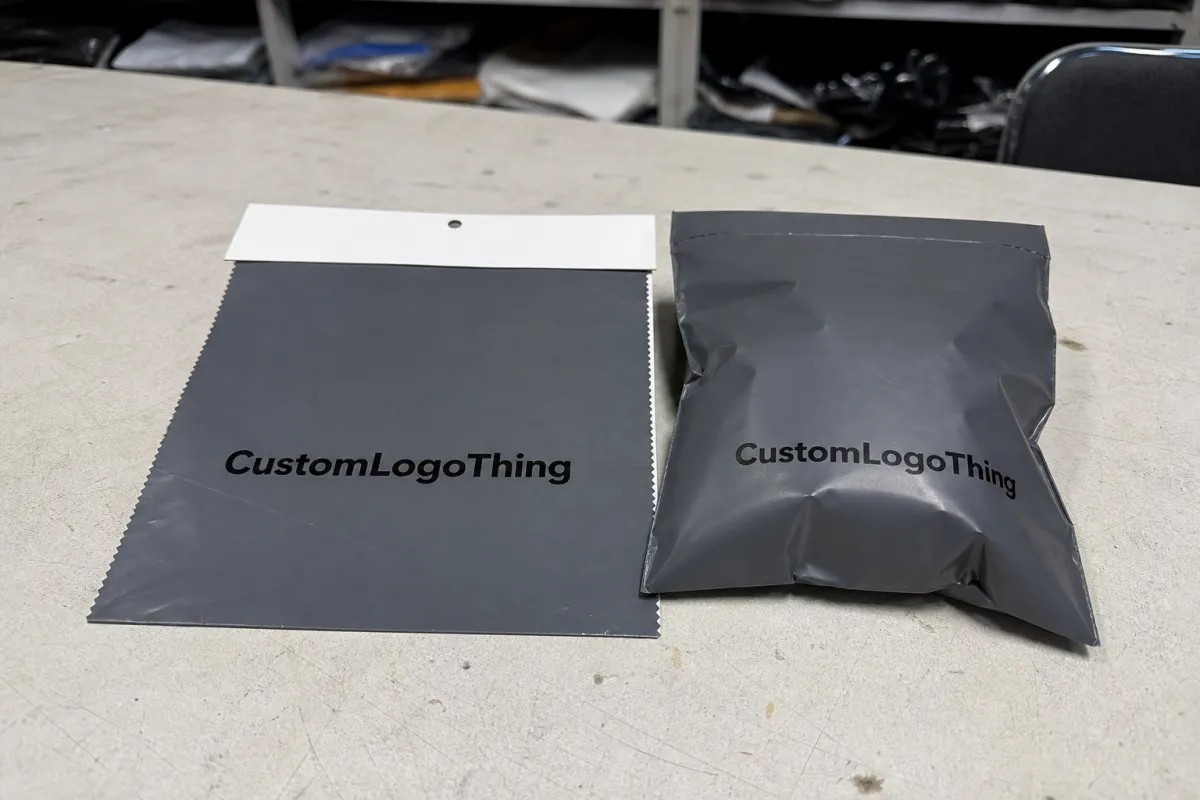
One approved sample is not a formality. It is a filter. Hotels use poly mailers for laundry returns, folded textiles, amenity packs, small retail items, and sometimes in-room distribution. Those uses do not stress the bag in the same way. A mailer that holds a folded shirt might feel loose around a robe. A bag that looks crisp with a flat insert may buckle once it is packed with soft goods.
That is why a sample matters more than a broad promise about recycled content. Purchasing wants cost control. Operations wants easy handling. Marketing wants print quality. Housekeeping wants closure speed. Those priorities overlap, but they are not identical, and a photo cannot settle the argument. The physical sample can.
The cleanest way to judge a hotel mailer is by six things: size accuracy, film feel, seal strength, print clarity, recycled-content documentation, and real-world durability. Miss one of those and the bulk order is still a risk. Ignore two and you are buying a future headache.
"If the bag does not survive filling, stacking, reopening, and a little rough handling, it is not approved."
That sounds blunt because buying teams usually learn this the hard way. A mailer does not need to photograph well. It needs to move through receiving, storage, packing, and guest delivery without turning into a complaint generator.
How Recycled Poly Mailers Are Built for Hotel Use
Recycled Poly Mailers are usually made from a blend of post-consumer and post-industrial resin. The exact ratio matters. More post-consumer content can mean slightly more variation in color, odor, and stiffness. That does not automatically make the bag worse. It means the supplier has to control the blend carefully and keep the film consistent from lot to lot.
Film thickness, seal design, adhesive strip, and print layer all affect the final result. Buyers often focus on the recycled claim first and discover later that the real difference is gauge. A 2.5 mil mailer behaves very differently from a 3.5 mil version even if both are sold as recycled. The sample has to show the finished bag, not just the marketing language around it.
There is also a tired misconception that recycled automatically means weak. Not true. A well-made recycled mailer can work fine for soft goods, folded linens, amenity kits, and light retail packaging. The issue is consistency. If a supplier cannot explain the resin blend, source control, or print limitations, that is a procurement risk. If the supplier can provide a clear data sheet and keep the sample stable across repeats, that is useful.
It also helps to separate Recycled Poly Mailers from other packaging categories. Recycled does not mean biodegradable. It does not mean paper-based. It does not replace kraft paper inserts or Corrugated Shipping Boxes. Hotel programs usually need more than one material, and trying to force a mailer to do every packaging job is how projects get weird and expensive.
For teams building a wider packaging program, pair this guide with Custom Poly Mailers if you need a baseline spec, and use Custom Packaging Products if the project also needs labels, inserts, or outer packaging.
Industry testing language can help frame the conversation. ISTA standards are useful for thinking about transit stress, even if your order does not go through formal lab certification. If the program also includes paper inserts or mixed-material components, FSC is worth knowing. None of that replaces hands-on review. It just keeps the specification language cleaner.
Key Spec Checks: Gauge, Seal, Print, and Sizing
The fastest way to separate a usable sample from a risky one is to test the specs that actually affect hotel workflows. Start with thickness. For hotel applications, recycled poly mailers often land around 2.5 to 4 mil depending on the contents and handling conditions. Thinner film lowers cost and weight, but it wrinkles more easily and gives less forgiveness when the contents have corners or bulk.
Next, look at the seal. A clean side seal and a consistent adhesive strip matter more than people think. If the closure grabs too quickly, staff lose time adjusting it. If the tack is weak, bags open during transport. If the seal line is uneven, the edge can split when the mailers are stacked or compressed. A sample should be filled, closed, handled, and reopened several times before anyone signs off.
Print needs the same scrutiny. Solid blocks, small text, and full-panel artwork behave differently on recycled film. Higher recycled content can change opacity a bit, so darker inks may shift slightly. Fine lines can blur if the press setup is sloppy. If the final order needs a logo, QR code, or clean brand block, the sample should use the exact print density planned for production.
Sizing is where a lot of buyers get lazy. A bag that is one inch too narrow is annoying. Two inches too small creates friction on the packing line. For amenity sets, folded robes, slippers, or guest retail items, test the bag with the real contents. Not a stack of paper. Not a "similar" item. The actual thing.
Keep the review process simple and repeatable:
- Measure width, length, and flap overlap against the spec sheet.
- Fill the bag with the real hotel item.
- Seal it and check tack after 5 to 10 minutes.
- Handle it the way a warehouse or housekeeping team would.
- Inspect print clarity, edge finish, and panel alignment.
That is not elaborate. It is just disciplined. And discipline saves more money than a clever quote does.
Cost, MOQ, and Unit Price Tradeoffs
Pricing on recycled mailers is not mysterious, just layered. Resin blend, gauge, bag size, print coverage, adhesive type, carton packing, and freight all move the number. Buyers often focus too hard on recycled content as if it is the only cost driver. It is not. A larger printed mailer with thicker film will cost more than a plain stock-size bag, even if both use recycled material.
For smaller hotel programs, recycled mailers usually carry a modest premium over standard film. On lower volumes, that premium may land in the range of a few cents per unit. Setup, color matching, plate work, and freight can matter more than the resin itself. Two quotes that look close on paper can diverge quickly once those extras are included.
MOQ is the part that annoys procurement teams. Fair enough. A supplier has to spread tooling, print setup, and material preparation across fewer units on a small run, so the unit price rises. If the same mailer will be used across several properties, consolidation helps. If each property wants a different size or print version, expect the price to move up.
Here is a practical comparison point for budgeting:
| Option | Typical Use | Approx. Unit Price at 5,000 Units | Tradeoff |
|---|---|---|---|
| Stock recycled mailer | Storage, laundry returns, simple packing | $0.16-$0.22 | Lowest setup cost, limited branding |
| Custom printed recycled mailer | Guest-facing programs, branded amenity sets | $0.19-$0.29 | Better presentation, higher setup cost |
| Heavier gauge recycled mailer | Textiles, bulkier goods, rough handling | $0.22-$0.34 | More protection, higher material cost |
Ask for multiple volume breaks, plus sample charges, setup fees, and whether repeat orders stay in the same band. That matters more than a single line item. If your program also needs labels, cartons, or inserts, bundling parts of the order through Custom Packaging Products can reduce the number of separate POs. Fewer purchase orders, fewer opportunities for someone to misread the spec. Miracles do happen.
Process and Lead Time: From Request to Approval
The sample process should be boring. That is the point. First comes the inquiry. Then the supplier confirms size, gauge, print coverage, recycled-content target, and closure style. After that, a sample is built, tested, revised if needed, and approved. Production should not start until the physical sample and the spec sheet match and somebody signs off on both.
Basic stock-style samples can arrive in a few business days. Custom printed samples usually take longer because artwork needs proofing and the print setup has to be prepared. New film blends or new bag sizes add more time. Delays usually come from a stack of small things: missing dieline notes, unclear recycled-content wording, artwork corrections, or a last-minute size change from operations.
Once approved, production timing depends on film availability, print schedule, and whether the supplier already runs that spec regularly. Repeat orders can move faster if the material and artwork are locked. Orders that include special carton counts, kitting, or mixed-property packing need more runway. Hotel teams hate lead times until they have to compress one.
A sensible approval path looks like this:
- Confirm the exact item the mailer will hold.
- Lock dimensions, gauge, print coverage, and closure style.
- Request a sample plus a spec sheet showing recycled-content claims.
- Test the sample in real use, not as a display piece.
- Record approval in writing with the final file attached.
If the broader packaging mix includes corrugated cardboard for shipping or kraft paper for inserts, keep those specs separate. A recycled poly bag is not a box, and a box is not a mailer. That feels obvious until someone substitutes one for the other and the packing line slows down.
Step-by-Step Sample Review for Hotel Procurement
A useful review starts with a scorecard, not a gut feeling. Record dimensions, gauge, seal style, closure quality, print accuracy, recycled-content claim, and condition on arrival. If the sample comes creased, scuffed, or smells off before anyone handles it, that is already data. A good sample should arrive close to production condition.
Then test it with the real hotel item. Amenity kits, folded linens, slippers, boxed retail goods, and laundry returns all create different stresses. A bag that works for a soft T-shirt can feel too loose for a flat box. A mailer sized for a robe may be overkill for a small accessory pack. The right test is the one that matches the actual use case.
What to check during handling
Use the same motions the team will use every day. Fill it. Seal it. Stack it. Reopen it if the process requires that. Overfill it a little, because real people do that and they do not stop doing it just because the spec sheet asked nicely. Watch for split seams, weak adhesion, print scuffing, and awkward seal placement. If the sample holds up under those conditions, it is probably worth moving forward.
How to document approval
Take photos from the front, back, seal edge, and filled profile. Save the approved sample and the final spec sheet together with the date, supplier name, and artwork version. That sounds tedious. It is. It also prevents the classic reorder mess where three departments remember three slightly different versions of the "approved" bag.
Compare at least two samples if you can. One should be the baseline. The other can be a different gauge, closure type, or print setup. Recycled film varies enough that the prettiest sample is not always the best working one. A stronger bag may look less elegant. Fine. Guests care far more about function than about whether the film shimmered under office lights.
There is a hidden benefit here: comparing two close options makes weak assumptions obvious. If the thinner bag saves a cent but fails the handling test, the decision is easy. If the more expensive bag is the only one that stays closed and survives stacking, that is not a luxury. That is the actual cost of doing the job.
Common Mistakes That Let Bad Samples Slip Through
The biggest mistake is approving on appearance alone. A glossy sample can still have weak adhesive, uneven thickness, or poor seal consistency. The next mistake is comparing samples that are not truly equal. If the gauge changed, print coverage changed, or closure method changed, the test is noisy. It is not a real comparison.
Another easy miss is skipping handling tests. That sounds minor until a warehouse team folds, stacks, and repositions the bag dozens of times a day. If the sample tears during normal use, the bulk order will not magically behave better. Also do not ignore logistics details like carton count, stack direction, and storage conditions. Those are the kinds of details that create receiving problems later, which is usually when everyone starts pointing at procurement.
Do not confuse recycled, recyclable, and biodegradable packaging. They are different claims. If the hotel brand wants a recycled-content statement, ask for the resin declaration in writing. If the program also needs FSC-certified paper components, keep that as a separate line item. Vague eco language sounds nice in a proposal and does very little in an audit.
And do not approve a wrong-size sample because "we can make it work." That is how projects drift into rework, extra freight, and irritated staff. A good hotel recycled Poly Mailers Material sample guide should make it easy to say yes to the right spec and no to the wrong one.
Expert Tips and Next Steps After Approval
Once the sample is approved, keep one physical reference and one signed spec sheet together. Add the final artwork file, supplier name, approval date, and any color or material notes. If there is a reorder six months later, that packet becomes the source of truth. Not memory. Not an old email thread. The packet.
If the bag will be seen by guests or used in a new workflow, a pilot run is worth considering. A pilot catches things a sample cannot: how the mailer stacks in cartons, whether it fits on the packing rack, how quickly staff can close it, and whether the print still looks clean under real lighting. Small mistakes cost less in a pilot than in a full rollout.
Before the first production order closes, confirm repeat rules. Ask for acceptable color variance, overrun tolerance, and repeat lead time. If future orders will use the same resin blend, say so now. If they will not, set a fresh approval trigger. That is not overkill. It is how you avoid improvising under pressure later.
One more practical habit: inspect incoming cartons against the approved sample when they arrive. A five-minute check can save a week of cleanup if something drifted. Hotel operations run better when someone is willing to be mildly annoying about details.
The point of the process is not to make procurement complicated. It is to make the spec honest. A solid approval process keeps the purchase aligned with actual use, not wishful thinking. That is where the savings usually show up.
What should a hotel recycled poly mailers material sample guide include?
It should cover recycled-content proof, bag size, thickness, seal quality, print accuracy, and closure performance. It should also include a real-use test with the hotel items the bag will actually carry, not just a visual check. A good guide ends with a written approval decision so production can match the same spec later.
How do I check recycled content on a hotel poly mailer sample?
Ask whether the resin is post-consumer, post-industrial, or blended, and request the stated percentage in writing. Look for a data sheet or supplier declaration instead of relying on vague eco language. If the claim matters for procurement, require the same wording on the production spec and invoice.
How much more do recycled poly mailers cost for hotel orders?
Expect a modest premium in many cases, often a few cents per bag on smaller runs, depending on material blend and print complexity. MOQ, setup, and freight can move the price more than the recycled resin itself. Ask for pricing at multiple volumes so you can see where unit cost actually drops.
How long does sampling and production usually take?
Simple samples can arrive in a few business days, while custom printed samples usually take longer because of proofing and setup. Production lead time depends on artwork approval, resin availability, and whether the factory already has the needed film spec. Build in extra time if the order has to land before a hotel opening, seasonal push, or renovation turnover.
What mistakes cause a hotel recycled poly mailer sample to fail later?
The biggest one is approving by look only instead of testing seal strength, handling, and fit with real contents. Another common miss is signing off on a sample that does not match the final gauge, print, or closure method. Not saving the approved sample and spec sheet creates reorder problems that should have been avoidable.
Bottom line: the strongest hotel Recycled Poly Mailers Material Sample guide is the one that catches fit issues, seal failures, and misleading claims before the bulk order ships.


