For a hotel shop, the easiest winter sell is often the beanie that looks gift-ready the moment a guest sees it, and that is exactly why hotel Woven Label Beanies moq matters: buyers are not just comparing price, they are judging handfeel, fit, and how well the brand reads on the cuff from a few feet away. A clean woven label can make a simple knit feel more intentional, more retail-friendly, and easier to reorder without redesigning the whole item.
In practice, woven labels also solve a real durability problem. Temporary decoration can crack, peel, or lose clarity on knitwear, while a woven label stays readable after stretch and regular wear. That makes it a strong fit for lobby shops, welcome baskets, staff gifts, and seasonal retail programs where the product has to look polished without becoming complicated to produce.
Why hotel woven label beanies deserve a closer look
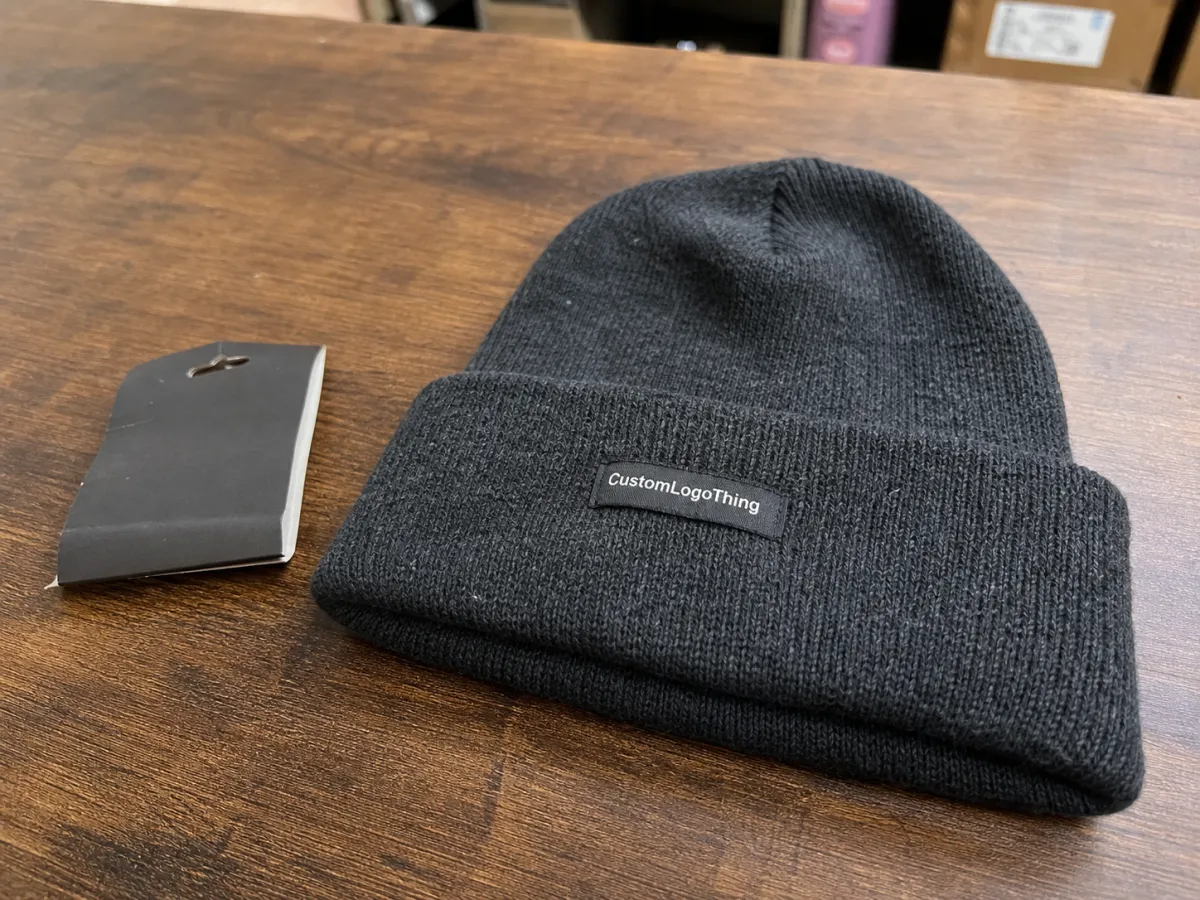
A hotel buyer usually wants three things at once: a piece that feels premium, a product that is easy to stock, and a spec that can be repeated without headaches. Woven Label Beanies do that well because the decoration footprint is small, the branding is visible, and the base item stays simple. That combination keeps the ordering process manageable, especially if the plan includes multiple properties or a seasonal retail reset.
Honestly, I think many teams overcomplicate knitwear. A beanie does not need a large print area or a heavy decoration package to sell. On cuffed beanies, a centered woven label often gives the best balance of visibility and restraint. It looks deliberate, not loud, which matters in hotel retail where guests tend to respond to pieces that feel like part of the property, not like leftover promo stock.
There is also a practical merchandising reason these products work. They fit into a narrow shelf footprint, they stack cleanly, and they can sit next to scarves, gloves, or gift sets without crowding the display. If you manage multiple outlets, that small footprint makes forecasting easier. You can order a base style, keep the colorway consistent, and build a reorder plan around one approved spec instead of re-quoting everything from scratch each time.
From a packaging buyer’s point of view, the appeal is straightforward: hotel Woven Label Beanies moq is often easier to justify than larger apparel runs because the item has broad appeal and a relatively stable design. Guests do not need sizing complexity, the branding is front-facing, and the piece can be positioned as either an impulse purchase or a premium add-on.
If the order includes retail hangtags, paper belly bands, or gift-box presentation, ask whether the supplier can support FSC stock for paper components and transit handling aligned with ISTA guidance. Those details are not flashy, but they help protect the product and the presentation once it leaves the factory.
Knit construction, label placement, and finish options
The base beanie matters as much as the label. Acrylic is still the dependable value choice for many hotel programs because it is light, warm enough for everyday use, and straightforward to produce in consistent colors. Recycled blends can support a sustainability message if your property tracks material claims, while wool blends bring a warmer handfeel and a more natural look for higher-end retail shelves. The right option depends on the guest profile, the climate, and the price point you need to hold.
Construction details affect how the beanie wears and how the label reads. Rib depth changes the texture and stretch. Cuff height changes how much room you have for branding. Stitch density affects drape, shape retention, and perceived quality in the hand. A snug silhouette feels cleaner and more athletic, while a slouchy body gives a relaxed retail look. For most hotel buyers, a unisex fit with moderate stretch is the safest starting point because it reduces fit complaints and keeps inventory easier to manage.
Label placement should follow the design, not the other way around. Center-front cuff branding is the most visible and works well when the hotel wants the logo to read quickly on a shelf. Side placement feels quieter and more understated. A folded label can soften the branding even further, which is useful when the goal is a premium, low-noise presentation rather than a promotional one. If you want to compare label formats, the product notes on Custom Labels & Tags are a useful place to start because they show how woven construction, print options, and attachment style change the final look.
Finishing choices change the feel of the item without changing the core beanie. A pom-pom adds a more casual retail personality. Interior care labels help with resale and guest confidence. Hangtags can carry the hotel story or size notes. Retail folding creates a neater shelf presentation, while polybag or bulk carton packing supports different fulfillment needs. If the order is going into room amenities, gift inventory, or a shop wall display, the packing spec should be decided early so the quote reflects the real end use.
A good knitwear spec is not the one with the most add-ons; it is the one that keeps the brand clear, the fit consistent, and the packing simple enough to repeat next season.
Size ranges and decoration limits that affect fit
Most hotel buyers can work from one adult unisex size, but that does not mean size can be ignored. Stretch range, cuff height, crown depth, and overall body length all affect how the beanie sits on the head and how the label lands on the front. A label that looks proportionate on a flat mockup can feel too large once the knit stretches, or too small once the cuff is folded. That is why sample review should always include fit, placement, and legibility together.
Label size must match the surface area available on the cuff. A logo with small text will usually need more width than a simple mark or icon, but the beanie still has limits. If the label is oversized, the knit can distort the edges and reduce readability. If it is too small, the brand may disappear from retail distance. In most cases, a modest contrast palette reads better than a crowded color build. Fewer colors usually mean cleaner production, lower complexity, and less risk of mismatch between proof and final run.
A practical sample check should answer three questions at once: does it fit the intended head range, does the label sit flat enough on the cuff, and can the artwork still be read from a shelf or display hook? That is a simple test, but it catches most of the issues that cause delays later. If the hotel is ordering for both staff use and guest retail, try the sample on a few different head sizes before approval. A beanie that feels great on one person can still ride too high or sit too loose on another.
The same rule applies to brand detail. Fine lines, tiny lettering, and busy crests can look sharp on a screen but become muddy once woven into a small label. Buyers who want a cleaner outcome often simplify the mark for knitwear only, then keep the fuller logo for paper tags, folded inserts, or other touchpoints. That keeps the beanie readable and the rest of the brand system intact.
If your property tracks sustainability claims, make sure any fiber story is supported. A recycled yarn claim should be traceable, and paper packaging should be specified clearly if you want FSC-certified stock. That level of detail does not just help compliance; it also makes reorder specs easier to repeat later.
Pricing, quote structure, and MOQ tradeoffs
Pricing for hotel Woven Label Beanies moq is shaped by the same variables that drive most knitwear programs: quantity, yarn choice, label colors, placement, finishing steps, and packing method. The headline price is only part of the story. Real cost per piece depends on how much setup the run requires and how many units share that setup. A larger order usually brings a Better Unit Cost because tooling fees and setup charges are spread across more pieces.
That is why the minimum order quantity matters so much. A lower MOQ can be helpful for a first test, a new property opening, or a limited seasonal rollout, but the price per piece usually rises because the factory still has to knit, label, inspect, and pack the product. Once a buyer is confident in the approved body color and label spec, larger reorders usually become easier to price and faster to approve.
Here is a practical way to think about the economics:
| Run size | Typical unit cost | Good for | Quote note |
|---|---|---|---|
| 200-499 units | $3.40-$5.20 | Test orders, boutique properties, small gift programs | Tooling fees and setup charges have the biggest impact here |
| 500-999 units | $2.60-$4.10 | Mid-size retail shelves and seasonal campaigns | Usually the point where bulk pricing starts to improve |
| 1,000-2,999 units | $1.95-$3.10 | Multi-property programs and repeatable hotel gifting | Color matching, label count, and packing method still matter |
| 3,000+ units | $1.55-$2.55 | National rollouts and strong seasonal demand | Best cost per piece, assuming the spec stays stable |
These are working ranges, not promises, but they show the shape of the deal. If one quote looks lower than the others, ask what is missing. Sample fees, shipment costs, extra label colors, retail folding, and special inserts can move the final number more than people expect. A clean quote should separate the product price from the extras so you can compare offers honestly.
For hotel buyers, the smartest path is often to lock in a body color, a woven label format, and one approved packing style, then repeat that spec whenever demand returns. That reduces re-approval time and can cut future setup charges. If you are comparing suppliers, ask them to show the exact impact of MOQ on cost per piece. A supplier that explains that relationship clearly is usually easier to work with long term.
Process and timeline from artwork to delivery
A clean production process starts with good inputs. The supplier should receive the logo in vector format, the target quantity, preferred beanie color, label placement, delivery deadline, and any packing notes. That is enough to quote accurately in most cases. If the artwork is not vector-ready, the quote can still begin, but the proof stage will take longer because the label artwork has to be cleaned up before weaving starts.
The usual sequence is straightforward: artwork review, woven label mockup, sample approval if needed, bulk knitting, label attachment, inspection, packing, and shipment. Each step can move quickly when the buyer responds quickly. If the logo is simple, the yarn is available, and the label spec is standard, the run can move faster than a heavily customized order. Once you add multiple label colors, special packaging, or unusual folding requirements, the timeline stretches because each added detail needs another check.
A realistic schedule often depends on three things more than anything else: yarn availability, label complexity, and approval speed. The factory cannot knit what it does not have on hand, and a woven label with more colors or tighter detail takes longer to prepare. If the buyer sits on a proof for a week, that delay usually shows up at the back end. It is not unusual for a simple run to move in roughly 12-18 business days after approval, while more customized orders may need longer depending on the queue and packing spec.
If your order needs retail-ready presentation, include that before you approve the quote. If the beanies are going into amenity stock or bulk inventory, the packing can be simpler and more economical. If the delivery needs to survive distribution between properties, ask how cartons are packed and whether the supplier can follow testing logic that resembles ISTA handling expectations. Those are small details, but they protect both appearance and margin.
What to compare in a supplier before you order
Price matters, but it should never be the only comparison. The better question is whether the supplier can hold knit consistency, seam strength, and label attachment quality across the whole run. A beanie that looks fine in one sample but twists after packing is not a good buy, even if the unit price is attractive. For repeat hotel programs, consistency is the real value because it protects the brand experience from order to order.
Ask for proof in practical terms: clear sample photos, material descriptions, information on how the label is attached, and details on how color match is checked. If the supplier cannot explain those points without vague language, that is a warning sign. A good production partner should be able to tell you what is standard, what is optional, and what will push the order into a higher cost tier.
Packaging capability matters too. Some hotel buyers need a shelf-ready fold with a hangtag. Others need bulk cartons for amenity stock or room-service storage. The packing method changes labor time and can change freight efficiency, so it belongs in the quote from the start. If you need paper inserts or branded cards, ask whether those pieces can be supplied on FSC-certified stock so the sourcing story stays consistent.
Useful comparison points before you approve an order:
- Knit consistency across the full run, not just one sample
- Label attachment quality and whether the label sits flat after stretch
- Clarity on setup charges, tooling fees, and any artwork revision costs
- Packing method, carton count, and retail presentation options
- Reorder stability if you plan to repeat the same spec later
If you want to simplify the process, use a supplier that can answer both product and packing questions in one place. That saves time and reduces the chance of mismatched specs between the quote and the final shipment. It also makes the reorder plan easier to manage because the same reference sample can be used again without chasing down multiple versions of the artwork.
For quick reference, the FAQ can help your team compare common order questions before sending over a spec sheet. That is often the fastest way to avoid back-and-forth on details that should have been locked in at the quote stage.
Next steps to get a precise quote and reorder plan
If you want a useful quote, send a complete request, not a loose idea. The minimum details should include quantity range, delivery target, logo file, preferred beanie color, label placement, and packing style. If you already know the property will reorder, say so. That changes the buying logic and helps the supplier suggest a spec that will hold up across future runs instead of a one-time purchase.
There are usually three sensible buying paths. One is the lowest unit cost, which usually means a higher MOQ and a stable spec. Another is a smaller test run, which makes sense for a new property or a first seasonal program. The third is a reorder built around an existing approved sample, which is often the fastest option because the artwork and construction are already settled. The right path depends on whether your goal is to test demand, fill a known need, or build a repeatable retail item.
Before you approve anything, confirm whether the order needs shelf presentation, gift packaging, or plain bulk cartons. Those choices affect labor, freight, and how the product is received at the property. A beanie that looks great in a shop bag may not need the same packing detail as a piece meant for room inventory, and the quote should reflect that difference.
For hotel woven label beanies moq, the best result usually comes from treating the product as a repeatable spec, not a one-off decoration job. If you send the quantity, artwork, finish preferences, and packing needs up front, you will get a clearer price, a more accurate lead time, and a better basis for reordering the same piece when demand comes back.
What is a typical MOQ for hotel woven label beanies?
MOQ usually depends on the beanie body color, label complexity, and whether the order includes custom packaging. Smaller quantities are possible in some cases, but unit cost is usually better once the run moves into a higher tier. The most accurate answer comes from a quote that matches your artwork, quantity range, and decoration spec.
Can hotel woven label beanies be made with a clean, premium look?
Yes, a woven label on the cuff or side can look sharp without making the beanie feel overloaded with branding. Keeping the color count modest and the label size proportional usually gives the most refined result. A sample or mockup should confirm that the logo still reads clearly when the knit stretches.
How long does production usually take after approval?
Timeline depends on sample approval speed, yarn availability, label weaving, and the current production queue. Simple runs move faster than highly customized orders with multiple label colors or special packaging. A supplier should give a clear stage-by-stage schedule before you approve the order.
What files do you need to quote woven label beanies for a hotel?
A vector logo, target quantity, preferred colors, label placement, and delivery deadline are the core inputs. Packaging preferences matter too if you need retail-ready folding, polybags, or bulk cartons. The more specific the request, the more accurate the pricing and timeline will be.
Are woven labels better than embroidery for beanies?
Woven labels are often preferred when the goal is a crisp branded look on a small surface area. They are especially useful when the design needs to stay readable on a cuffed knit beanie. Embroidery can still work, but the best choice depends on the logo detail and the look you want.


