A cap can look expensive in a mockup and still fail badly in hand. That is exactly why the jewelry Embroidered Baseball Caps material sample guide matters: the fabric, crown structure, and stitch density either cooperate or they fight each other once the needle starts moving.
Jewelry Embroidered Baseball Caps Material Sample Guide Basics
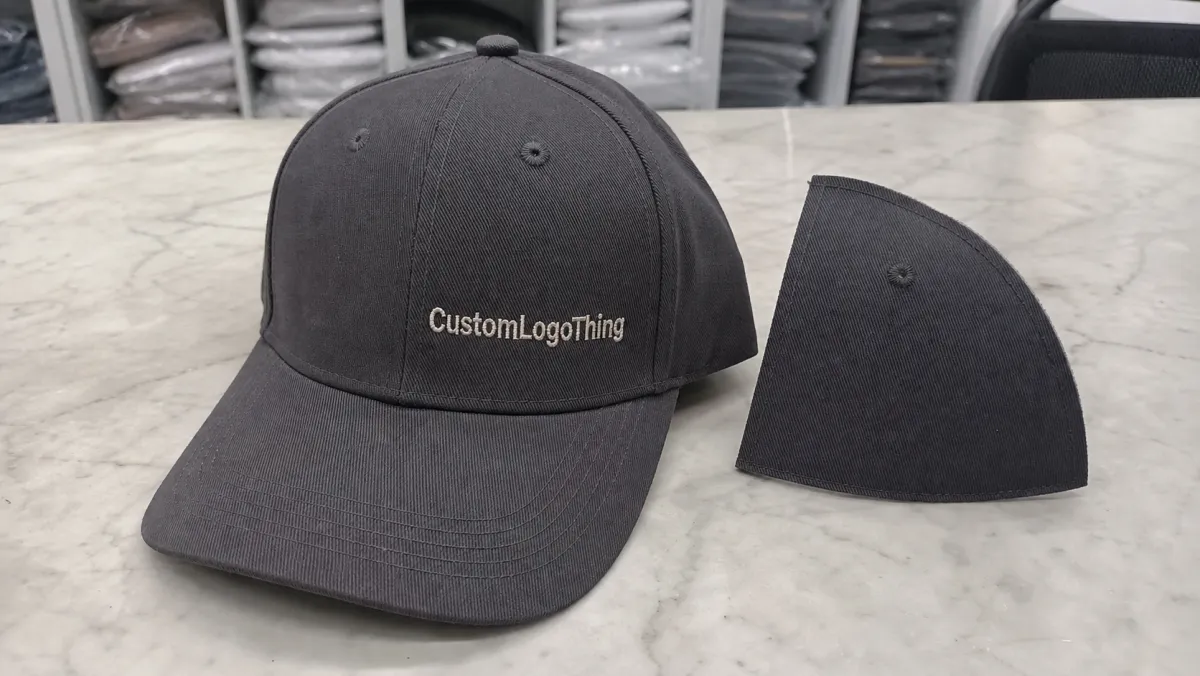
A sample is not a color chip. It is a production test, and buyers who treat it like a brochure usually pay for it twice. The crown can look crisp on screen, then collapse a little under dense embroidery, or the visor can feel stiff in a way that makes the whole cap look cheaper than the artwork deserved.
That is the real job of the jewelry Embroidered Baseball Caps material sample guide: to show how the exact cap will behave with your logo, your thread count, and your finish. You want to see stitch sink, seam distortion, brim stiffness, backing visibility, thread sheen, and whether the sweatband feels like something people will actually wear for more than five minutes.
A sample should answer one question: does this cap still look like a premium product after the needle, the steam, and the hand-finishing are done?
In practice, a good sample saves money because it catches the annoying little problems early. A logo that blurs at the edges, a crown that twists near the seam, or a closure that feels flimsy is not just a quality issue. It becomes a return, a rework, or dead stock sitting in a warehouse that nobody wants to explain to finance.
For buyers, the smartest move is simple: review the sample as if it were already bulk production. Compare it against the product brief, not against wishful thinking. That mindset keeps the jewelry Embroidered Baseball Caps material sample guide grounded in reality, which is where purchasing decisions should live.
How Cap Fabric Changes Embroidery Results
Fabric is not background noise. It is the thing controlling whether the embroidery looks sharp or sloppy. Cotton twill usually gives clean stitch definition and a firm surface, while polyester twill often holds shape well and resists wrinkling. Brushed cotton can feel softer and more premium, but it may show stitch sink faster when the logo is dense.
Structured caps and unstructured caps behave differently too. A structured front panel supports heavier thread counts, raised embroidery, and tighter lettering without folding in on itself. Unstructured styles can look relaxed and retail-friendly, but they are less forgiving when the design has small type, metallic thread, or layered patches. That is where buyers get surprised. Same artwork, different panel, different outcome.
Mesh-back trucker caps bring their own problems. The front panel may take embroidery well, but the softer rear panels and foam or polyester inserts can change how the cap sits on the head. Washed fabrics create a casual finish, but they often need a lighter touch on thread density because aggressive embroidery can make them look puckered. In short, material is not just a style choice. It changes the embroidery result in a visible way.
Practical fabric rules
- Cotton twill is a safe choice for crisp logos and structured retail caps.
- Polyester twill usually handles shape well and can be easier to keep consistent across a run.
- Washed or brushed fabrics need more testing because softness can hide distortion until the cap is in hand.
- Dense embroidery works better on firmer panels that can resist puckering.
- Raised or mixed-media decoration needs a base fabric that can support extra thickness without warping.
Always test the exact cap silhouette you plan to order in bulk. Not a similar one. Not a substitute. The same material on a different crown profile can produce a completely different result, and the jewelry embroidered baseball Caps Material Sample guide only works if you evaluate the real production version.
Cost, Pricing, and MOQ: What to Budget
Sample pricing is usually a stack of small charges, not one neat number. Expect a sample fee, digitizing or setup, possible revision charges, shipping, and sometimes a credit that gets applied to the bulk order if you proceed. If a supplier leaves all of that vague, they are not being generous. They are hiding the math.
For simple cap samples, a buyer might see something like $25-$45 before shipping. Add denser embroidery, special fabric, 3D puff, patch work, or multiple revisions, and the sample can climb into the $60-$120 range. Bulk pricing is a different story. Small orders often sit around $6-$12 per unit, while larger runs can move into the $2.50-$6 range depending on decoration, crown structure, and order size.
| Sample Option | Typical Cost Range | Best For | Main Risk |
|---|---|---|---|
| Basic sewn sample | $25-$45 | Simple logo checks and fast approval | May not reflect final detail level |
| Custom fabric sample | $45-$80 | Testing the exact material and silhouette | Longer lead time if fabric is sourced fresh |
| Highly customized sample | $60-$120+ | Metallic thread, patches, or premium finishes | More revisions and higher setup cost |
MOQ changes the unit math fast. A 100-piece order can look expensive next to a 1,000-piece run because the setup gets spread over fewer hats. Buyers should ask for quotes at several quantity breaks, not just one number. That is how you see the actual cost curve instead of a convenient headline price.
Shipping is another place where people get sloppy. Ask for the sample to be packed in corrugated cardboard, protected with kraft paper or recycled materials, and kept from crushing the crown or bending the brim. If your brand cares about sustainability, ask for FSC certified cartons or biodegradable packaging where it makes sense. A fancy cap arriving smashed in transit is just a waste of everybody's time.
Also ask whether special thread colors, private labels, woven tags, or Pantone matching are included. Those extras can turn a decent quote into a frustrating one. A clean procurement decision comes from comparing the whole landed cost, not the screenshot that looked friendly.
Production Steps and Turnaround for Sample Approval
The process should be boring. That is the goal. Inquiry with specs, digital mockup, sample sew-out, buyer feedback, revision if needed, then final approval before bulk. If a supplier cannot explain those steps clearly, the sample phase will get messy before the first cap is even sewn.
Typical timing is not mysterious. A simple mockup can come back in 1-2 business days. A sample sew-out often takes 3-7 business days if the material is on hand. Revision rounds add another 2-5 days, and bulk production usually starts only after the final sign-off. Custom fabrics, complex embroidery, or busy production periods can stretch that timeline. They just do.
The real bottlenecks are fabric sourcing, digitizing, and waiting for approval. The artwork is rarely the only delay. If the cap uses a special crown material or a premium closure, the factory may need to confirm stock before it can stitch anything meaningful. That is why the jewelry Embroidered Baseball Caps material sample guide should always be tied to written milestone dates, not vague promises.
If the shipment needs transit testing or you want a more disciplined packing reference, the transport test language at ista.org is useful. For brands using certified paper-based packaging, fsc.org explains what FSC certified materials actually mean. Useful details. Not marketing fluff.
Ask for this in writing
- Milestone dates for mockup, sample completion, and bulk start.
- Revision limits so one small issue does not become three unpaid rounds.
- Photo proof before the sample ships, ideally in normal lighting.
- Turnaround confirmation that includes weekends or excludes them, clearly stated.
- Packaging method so the sample arrives in sellable shape, not bent and sad.
What to Check Before You Approve the Final Material
Start with the basics: handfeel, panel structure, crown height, brim shape, and closure type. Those pieces decide whether the cap feels like a retail product or a giveaway with ambition. Buyers often obsess over logo placement and forget the wearer will notice fit long before they inspect the stitch count.
Check the embroidery under normal room light and again under brighter light. Look for puckering around the letters, loose threads, uneven tension, and edges that blur rather than stay crisp. Metallic thread can look impressive in photos, but it can also catch light in a way that exposes weak stitching. A sample that looks smooth from three feet away and messy at ten inches is not a pass.
Comfort matters more than people admit. The sweatband should not feel scratchy, the inner seam tape should not rub, and the cap should sit naturally after a few minutes on the head. If the sample pinches at the temples or collapses at the front, the design may be right and the product still wrong. That is a common failure point in premium accessories.
Compare every sample version on the same day, in the same light, and on the same table. If one version gets handled more than another, your judgment gets warped. Color shifts, texture changes, and sheen differences are easier to spot when you keep the conditions consistent. The jewelry embroidered baseball caps material sample guide only works if the comparison is fair.
Fast approval checklist
- Color matches the approved reference under daylight and indoor light.
- Embroidery stays sharp around small text and fine edges.
- Brim keeps its shape without feeling brittle.
- Closure fits the intended size range and feels durable.
- Interior finishing does not scratch or rub.
Common Mistakes That Wreck Sample Reviews
The fastest way to approve the wrong cap is to judge it like a flat graphic proof instead of a wearable product. Photos hide stitch sink, crown collapse, fabric stiffness, and thread sheen. They also hide the little defects that become obvious the second someone puts the hat on and looks in a mirror.
Another classic mistake is comparing samples under different lighting. One cap is checked in daylight, another under warm office lamps, and suddenly people are arguing about a color shift that may not even exist. Handling matters too. If one sample has been steamed, pressed, or fingered a dozen times, it will look different from the one that came straight out of the bag.
“It looked fine in the photo” is usually code for “we skipped the hard part.”
Wear testing is not optional. A sample can sit perfectly on a desk and feel awkward after two hours on head. It may also collapse at the front panel, especially if the crown is softer than expected. That is why the jewelry embroidered baseball caps material sample guide should include an actual wear check, not just a desk inspection.
Do not skip the boring questions either. Ask about MOQ, revision policy, replacement terms, and whether the sample is made from the same material as bulk production. If the supplier uses a similar fabric instead of the exact one, you are not approving the final product. You are approving a promise.
Next Steps for a Cleaner Sample Approval
Build a one-page checklist before you request anything. Include fabric, crown structure, embroidery style, color targets, closure, timeline, and pass/fail notes. That sheet keeps everyone honest and cuts down on the back-and-forth that usually eats a week for no good reason.
If the cap is meant to sit in a premium retail tier, order at least two material options. Compare them with the same artwork so the real differences show up fast. One may feel better but cost more. Another may keep the stitch cleaner but feel less elevated. That is useful information, not a problem.
Ask for a written quote that covers sample fee, digitizing, shipping, revision policy, and any credit applied to the bulk order. If the supplier also ships the sample in a neat corrugated cardboard mailer with kraft paper protection, good. If they insist on glossy packaging while the brim bends in transit, you already know where their priorities are.
Use this jewelry embroidered baseball caps material sample guide as the sign-off sheet: review the sample, document every issue, and move to bulk only when the final version matches the brief. That is the cleanest way to avoid expensive surprises, and it is usually the difference between a decent launch and a mess nobody wants to own.
What material works best for jewelry embroidered baseball caps samples?
Structured cotton twill or poly-cotton usually gives the cleanest stitch definition and holds the front panel shape better. Match the sample base to the final bulk material instead of judging on a softer or cheaper substitute. If the design uses dense embroidery or metallic thread, choose a firmer fabric so the logo does not pucker or sink.
How many jewelry embroidered baseball caps material samples should I request?
Request at least two fabric options if you are deciding between quality levels or price points. Add one final spec sample that matches the chosen production material so you are not comparing prototypes to the wrong base. If the order matters, ask for the same artwork on each sample so the fabric difference is obvious.
What should jewelry embroidered baseball caps material sample pricing include?
A proper quote should show sample fee, digitizing or setup, shipping, revision charges, and any refund or credit applied to bulk. Ask whether special thread colors, labels, or packaging are included, because those add up fast. Compare quote totals at different quantity breaks so you can see the real unit cost before approving the order.
How long does the sample and production process usually take?
A basic sample is often ready in a few business days, but custom fabrics, revisions, or busy seasons can push it longer. Bulk production usually starts after approval and often takes a few weeks depending on decoration complexity and material sourcing. Ask for milestone dates up front so you know when to expect proof, sample ship-out, and final delivery.
What should I check first on a jewelry embroidered baseball caps sample?
Start with stitch clarity, crown shape, and fabric stiffness because those are the first things buyers notice in person. Then test comfort, sweatband feel, closure fit, and how the cap sits after a few minutes on the head. Finish by checking color match, seam puckering, loose threads, and whether the sample matches the spec exactly.