Jewelry Embroidered Beanies Material Sample Guide to Order
If you are trying to judge a jewelry Embroidered Beanies Material Sample guide by photos alone, stop. A screen mockup can flatter almost anything. The physical sample tells you whether the knit is soft or scratchy, whether the embroidery pulls the crown out of shape, and whether a logo still looks crisp once the fabric stretches on a head.
That is why the sample matters more than the render. A beanie can look polished in artwork and still fail in hand if the yarn is too fuzzy, the stitch density is too heavy, or the backing feels rough against skin. For brands buying on a deadline, the sample is not a keepsake. It is a test fixture.
The smartest orders treat the sample as a working prototype. That means checking fit, decoration, packaging, and finish under real light, not just in a product photo. It also means being honest about what can be changed quickly and what will trigger a new round of sampling. That distinction saves money.
What the jewelry embroidered beanies material sample guide proves
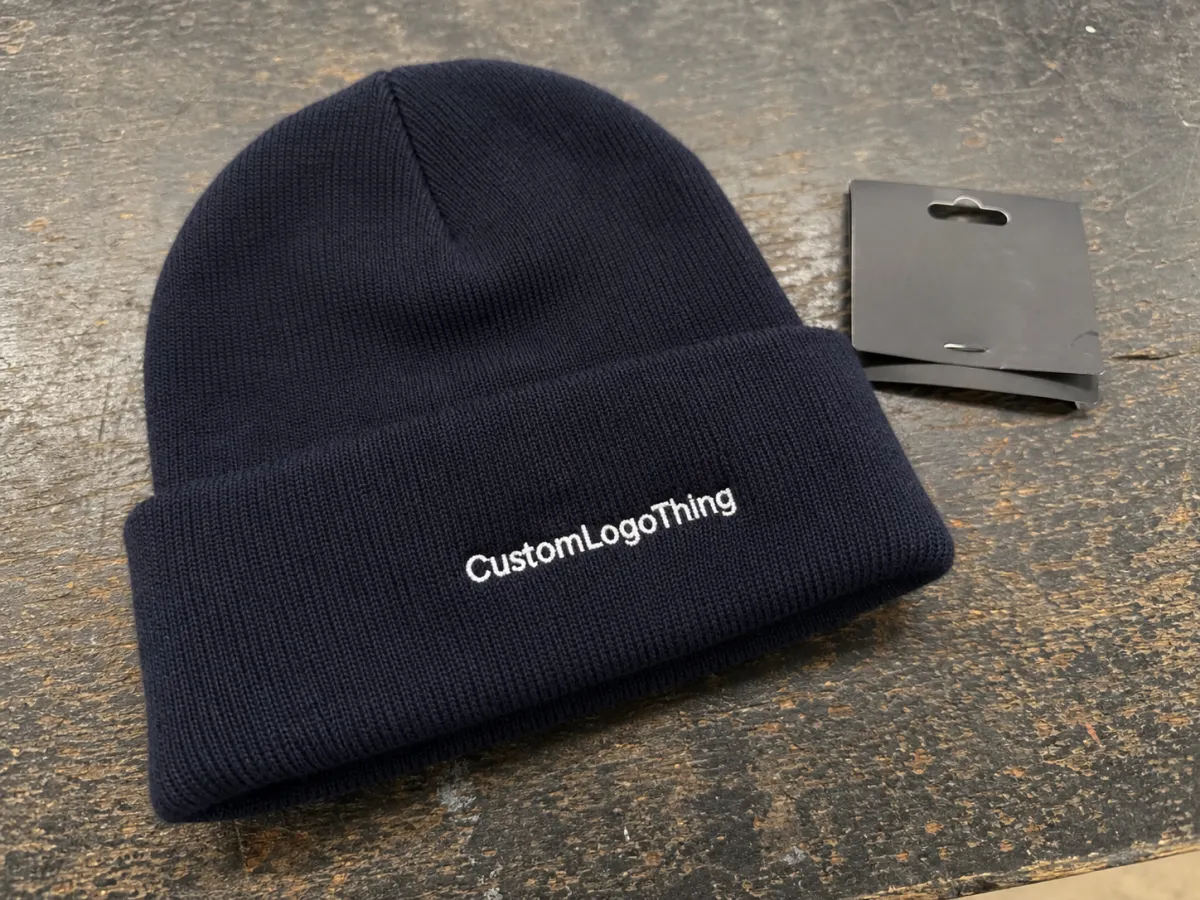
The most useful thing the jewelry embroidered Beanies Material Sample guide proves is that material behavior matters more than design intent. A logo that is technically correct can still feel wrong if the knit is loose, the yarn is too hairy, or the embroidery tension is too tight for the base fabric. The result may be mathematically accurate and commercially useless.
A real sample shows the interaction between the base beanie and the decoration method. You can inspect knit gauge, yarn handfeel, stitch density, backing softness, trim quality, and the way the cuff sits after the piece is stretched. If the style includes a patch, woven label, pom, or hangtag, the sample also shows whether those details support the design or clutter it.
Buyers ask for samples even after artwork is final because artwork cannot reveal physical problems. Thread can sink into a knit. Thin letters can disappear. Dark yarn can flatten contrast. A logo that feels premium on a monitor may look crowded once it lands on ribbed knit.
A sample is approved because it survives handling, wear, and a normal-light reality check. Looking nice on a desk is not enough.
There is also a budgeting reason to sample properly. If the first physical piece misses the target, the correction may be minor. If bulk production misses, the correction becomes rework, delay, freight rebooking, and a hard conversation with finance. A single sample round is far cheaper than a warehouse full of near-misses.
Packaging belongs in the review too. A beanie packed in corrugated cardboard with kraft paper and a tidy insert often arrives looking much closer to retail condition than one tossed into a loose polybag. That difference sounds small until the sample sits beside a competitor's on a buyer's desk. Presentation changes perception faster than most people admit.
Sample process and lead time for embroidered beanies
The sample process starts with a clean brief. Send vector artwork, target quantity, preferred knit style, brand colors, logo placement notes, and any reference piece that shows the handfeel or silhouette you want. If the logo needs a specific size on the cuff or front panel, give measurements in millimeters. Describing it as “medium” invites guesswork.
From there, the factory usually moves through spec review, material sourcing, sample knitting or blank selection, embroidery setup, trimming, finishing, and approval photos or a physical ship-out. Straightforward builds move quickly if the yarn is already available and the stitch pattern is familiar. The schedule expands when the project needs custom dyeing, a new patch type, or a revised closure. That is not inefficiency. That is manufacturing touching reality.
Lead time usually falls into three practical bands:
- Repeat-style sample: often 5-10 business days when the yarn, shape, and stitch setup are already known.
- Moderately custom sample: often 10-15 business days when a new colorway, thread match, or trim detail is needed.
- Fully custom sample: often 15-20 business days or more when new yarn, patch work, or several revisions are involved.
That estimate assumes normal production queues. Rush requests can compress the calendar, but they usually push cost upward and leave less room for revision. A lot of buyers learn this the hard way: a short timeline usually behaves like a tax on clarity.
If the sample must travel across teams, ask for packaging that matches the trip. A local approval can usually survive in a snug kraft paper wrap inside a rigid mailer. Longer transit or multiple handoffs deserve an FSC certified corrugated carton with tissue and a simple insert so the knit does not get crushed. For packaging and transit references, see FSC and ISTA.
Cost, pricing, and MOQ factors that affect the quote
Sample pricing is usually logical, even when the invoice makes it look mysterious. The main drivers are setup work, material choice, decoration complexity, and whether the factory has to create new tools or match a new yarn color. A small, clean logo is cheaper to sample than a dense multicolor graphic with tiny text. The problem is not the quote. The problem is the assumption that every design behaves like a simple logo.
MOQ matters as well. A sample may be a one-off, but the production price is shaped by the minimum run behind it. Low-volume orders carry more setup burden per unit, so the sample often gives a useful preview of where the final cost will land. If the factory invests heavily to make one piece, bulk pricing rarely stays low for long.
| Option | Typical sample fee | Lead time | Best use |
|---|---|---|---|
| Repeat-style sample | $35-$80 | 5-10 business days | Testing a known shape, yarn, or logo layout |
| Moderately custom sample | $80-$180 | 10-15 business days | New colorway, updated embroidery, or revised trim |
| Fully custom sample | $150-$300+ | 15-20 business days | New yarn build, patch work, or complicated decoration |
The better question is not whether the sample is “cheap.” It is what the fee includes. Ask whether the price covers shipping, one revision round, production credit, and whether the approval piece can also serve as a sales sample. Some suppliers credit the sample fee back against the bulk order. Others do not. Get that detail in writing before anyone starts calling the sample a bargain.
Material choices can also affect the quote in quiet ways. Recycled blends, post-consumer waste content, and biodegradable packaging may increase sourcing time or create smaller material minimums if the supplier has to match a specific fiber or paper stock. That does not make the item less viable. It just means the calendar and cost need to reflect the real supply chain rather than a wish list.
Fabric, yarn, and embroidery choices that change the result
Beanies look simple until they are measured against sample quality. Acrylic is still common because it is affordable, flexible, and easy to color-match. Wool blends feel more premium and handle cold weather well, but they can become itchy if the blend is not balanced. Cotton-rich knits are softer and more breathable, though they usually offer less thermal performance. Recycled blends are increasingly used for brands that want a cleaner sourcing story without pretending the product is something it is not.
The sample shows how each base behaves under embroidery. A dense stitch pattern on a soft knit can create a front panel that feels almost armored. A lighter stitch pattern preserves the handfeel but may blur very small text. That tradeoff is visible within seconds of holding the sample. It is also the sort of detail that gets ignored when decisions are made from a spec sheet alone.
Backing matters more than many buyers expect. A neat embroidered face can still be uncomfortable if the backing is thick or scratchy. If the beanie sits directly against skin, ask for a softer finish. If the logo sits on a cuff and needs a bit of body, a firmer backing may actually help. There is no universal “better” here. The product decides.
Small construction choices change the final read too:
- Cuff width: a wider cuff gives more logo space, but it also changes the silhouette.
- Label placement: a side label can look refined or busy depending on scale and contrast.
- Pom style: faux fur, yarn, or no pom at all changes the retail impression immediately.
- Edge cleanup: loose threads and uneven trims make a good sample feel unfinished.
The reason buyers keep returning to the jewelry Embroidered Beanies Material sample guide is simple: these decisions are easier to judge in hand than in a PDF. The physical piece gives away the truth.
Step-by-step approval workflow from artwork to sign-off
A clean approval workflow prevents more waste than a clever negotiation ever will. Start with a proper tech pack. Include vector artwork, placement notes, Pantone or LAB targets, target size, and a reference image that shows how large the logo should sit on the beanie. If the brand has a prior product that worked well, include that too. “Make it like the old one” only helps if everyone can see the old one.
Once the sample arrives, review it under the same conditions the buyer will face later. Check daylight, indoor light, and a quick wear test. Stretch the beanie by hand or on a head form and watch for logo distortion. Turn the piece inside out if needed. That reveals backing roughness, stray threads, and edge cleanup problems that a polite desk review can miss.
Record comments in one place. One thread, one doc, one decision path. Not five messages spread across three people with a screenshot and no note attached. The factory should not have to decode what “a little darker but still bright” means. Color feedback needs a reference, not a mood.
A practical approval checklist looks like this:
- Confirm logo size, placement, and stitch density.
- Check yarn color against the approved reference in daylight.
- Test stretch recovery after a few wears.
- Inspect trim, backing, and label placement.
- Approve packing style and carton markings for bulk.
End the sign-off with written approval of the materials, decoration, dimensions, and packaging. That last line matters more than it sounds. If only the artwork is approved, someone can still reinterpret the physical build later. If the sample and pack-out are both approved, production has less room to improvise.
For larger shipments, basic transit discipline helps. A beanie order does not need an engineering report, but a simple pack-out inspired by ISTA principles is better than hoping the carton behaves itself. The sample should arrive looking like the piece you approved, not like it fought its way through transit and lost.
Common mistakes that derail embroidered beanie samples
The first mistake is approving color from a screen. Screens are generous liars. Yarn and embroidery thread shift under warm light, cool light, and daylight. A gray that feels crisp online can read muddy in person. If color matters, compare physical chips, thread cards, or a previously approved item.
The second mistake is overcomplicating the logo. Thin lines, tiny text, and gradient-style artwork do not always survive knit decoration cleanly. A beanie is not a billboard. If the mark needs to stay legible from arm’s length, simplify it before sampling. That usually means thicker lines, fewer color breaks, and more breathing room around the mark.
The third mistake is ignoring fit. A sample can look excellent flat and still wear badly. Head shape, cuff depth, and stretch recovery determine whether the piece feels retail-ready or awkward. If the cuff collapses, the crown rides up, or the body twists after a short wear test, the problem is real. It is not cosmetic.
The fourth mistake is treating trim issues as minor. Loose threads, uneven labels, rough backing, and sloppy patch edges do not disappear because the logo is attractive. They signal how the bulk order will feel in hand. Buyers notice quickly. Customers usually notice faster.
Shipping presentation can also distort judgment. If the sample arrives crushed in a weak mailer, people may blame the product when the problem is packaging. A corrugated cardboard mailer with kraft paper wrap and clean tissue can improve first impressions without adding much cost. If the program claims sustainability, ask for FSC certified board, recycled materials, or paper stock with higher post-consumer waste content. That is meaningful. Decorative green language is not.
If you need a reference point for responsible paper sourcing, the FSC site is a practical starting place. Still, a sustainable claim should never weaken the protective function of the pack-out. The knit comes first.
Expert tips and next steps for a cleaner final order
If the launch matters, request one sample in the primary colorway and another only if the program truly needs a backup comparison. That gives you a real read on which shade photographs better and which one feels more balanced in person. If the budget is tight, start with the main colorway and hold the second option for revision rather than guessing twice.
Ask for a production-matched sample whenever possible. Display-only samples can hide the problems that show up later. Production-matched samples reveal the real stitch count, real trim, and real packing method. That is the version worth approving because it reflects what the buyer will actually receive.
Document everything. Save approval photos, measurements, thread notes, packing photos, and revision comments in one folder. The next reorder will be easier, and nobody will need to reconstruct last season’s decisions from a half-dead email chain. Reorders go wrong most often because the team cannot remember which version was actually approved.
If sustainability messaging matters, packaging details should be specific. Ask for kraft paper wrap, a minimal insert, and carton stock with recycled content if that matches the brand’s claims. Avoid labels that sound good but cannot be supported. Not every component is truly suitable for a “biodegradable” claim, and sloppy language can create more trouble than it solves.
A simple sequence keeps the process grounded:
- Gather the artwork and specs.
- Choose the knit, yarn, and decoration method.
- Request the sample quote with shipping and revision terms.
- Review the physical piece under normal wear and lighting.
- Approve only after fit, finish, and packaging are confirmed.
Do that, and the jewelry embroidered Beanies Material Sample guide stops being a vague sourcing phrase and becomes a useful filter for bad decisions. That is the actual job of the sample.
How do I evaluate a jewelry embroidered beanies material sample?
Check the knit surface, stretch recovery, and embroidery tension in hand rather than relying on photos. Review logo sharpness, stitch density, backing comfort, and whether the beanie still feels wearable after decoration. A quick wear test under normal light usually exposes the problems a flat lay hides.
How long does the embroidered beanie sample process usually take?
Simple repeat builds move faster because the yarn, shape, and stitch setup already exist. Fully custom yarn, trim, or logo builds usually take longer because each part needs sourcing and setup. Expect the schedule to stretch if revisions, color matching, or rush shipping are added.
What affects the price of a beanie material sample most?
The main cost drivers are material choice, decoration complexity, and setup work. Extra revisions, shipping, and rush handling can push the price higher quickly. Ask whether the sample fee is credited back against production so you know the real net cost.
Can I change materials after reviewing the sample?
Yes, but small adjustments are easier than changing the whole knit or decoration method. Large changes can affect handfeel, color match, lead time, and final unit cost, so confirm the impact before approving. If the sample misses the mark, request a revised sample before bulk production starts.
What should I send before requesting a jewelry embroidered beanies sample?
Send vector artwork, target quantity, brand colors, preferred materials, and placement notes. Include reference photos or a previous product if you want the factory to match a specific look or handfeel. Add deadline and packaging expectations so the sample is built for the real buying scenario, not just a display shot.


