Stationery PVC Garment Bags Unit Cost Review for Buyers starts with the real job the bag has to do: protect a pressed garment, keep dust off the surface, and make handling faster without creating rework on the packing line. A stationery pvc garment bags unit cost review only makes sense when the number is tied to damage rates, rebagging time, and presentation quality, not just the lowest quote on paper.
In practice, the cheapest PVC bag is often the one that causes the most trouble. Thin film can cloud up, weak seams can split at the hanger hole, and a poor zipper can snag after a few opens and closes. Once that happens, the buyer pays twice: first for the bag, then again for the labor, shrink wrap, replacement packaging, or customer complaint that follows.
Why a Better PVC Bag Saves More Than It Costs
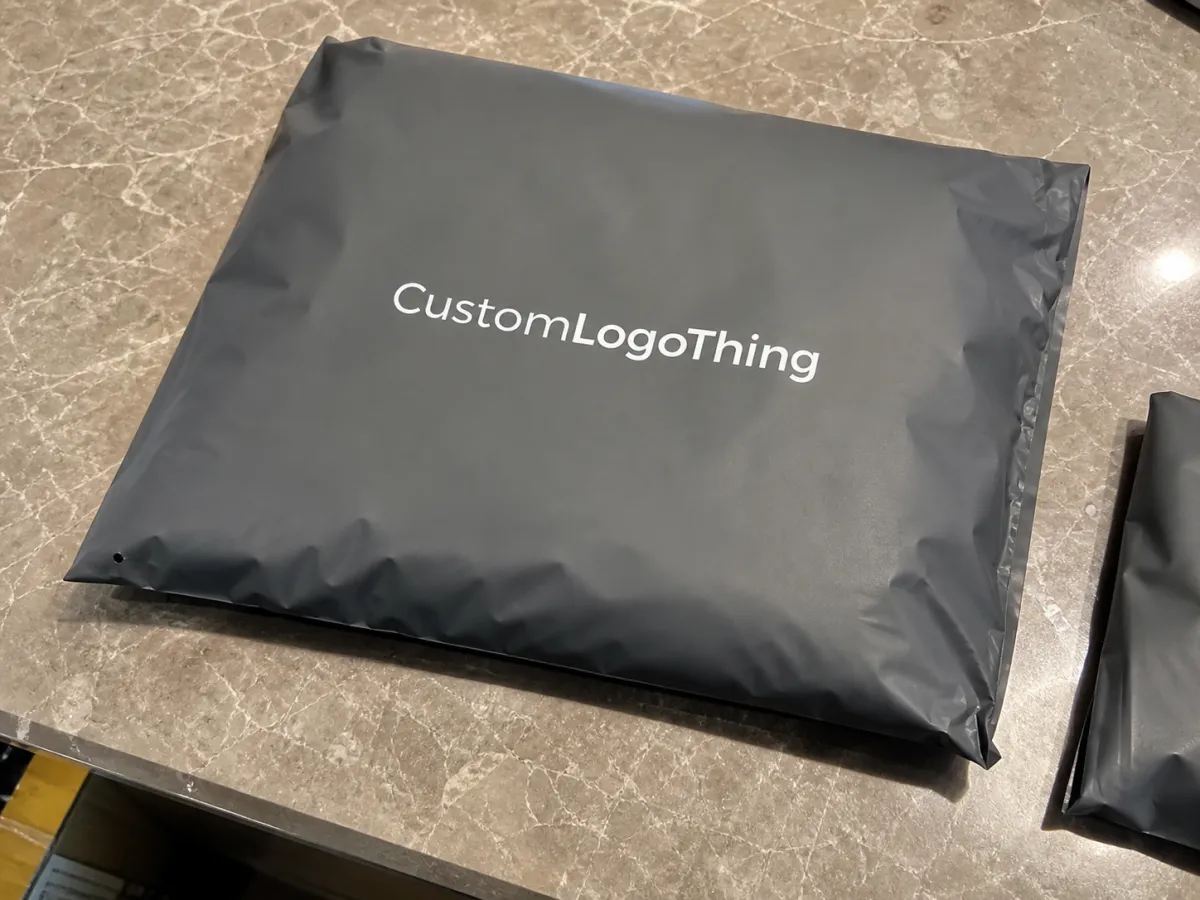
From a packaging buyer’s point of view, the bag is part of the product experience. A garment that ships clean, flat, and easy to inspect is less likely to be rehandled, and that matters whether the destination is retail stock, a showroom, or an ecommerce fulfillment line. A better bag also helps the warehouse. Stiffness, clarity, and closure strength affect how fast workers can pick, fold, hang, and recheck each piece without fighting the material.
Here is what most people get wrong: they compare only the quoted unit cost and ignore what the bag prevents. A slightly heavier gauge may add a few cents, but if it reduces wrinkling, dust exposure, and returns, the true cost per piece can fall. The same is true for closure style. A zipper that runs cleanly costs more than a basic open-top sleeve, yet it can protect a finished jacket or dress from scuffing during storage and transit.
Total value per unit is the better lens. That means comparing:
- Material thickness and how it holds shape under load.
- Closure style, including zipper, flap, or open-top access.
- Packaging method, because tight carton packing can save freight but also crease softer film.
- Rework risk, since a bag that splits or clouds creates labor outside the original quote.
“A cheap bag that wrinkles, splits, or arrives cloudy is not cheap once it touches the packing floor.”
That is why a stationery pvc garment bags Unit Cost Review should always include the job the bag performs after it leaves the carton. The right spec can lower the full landed cost even when the factory quote looks higher at first glance.
Product Details: Clear, Frosted, and Zippered Builds
PVC Garment Bags usually fall into three practical build families: high-clarity clear, frosted, and zippered. Clear bags are best when visibility matters most. Retail teams like them because they show the garment immediately, and buyers can inspect color, finish, and construction without opening every piece. Frosted bags soften the look. They are still transparent enough for identification, but they hide fingerprints and handling marks better than crystal-clear film.
Zippered builds are the most protective option for dust control and repeat handling. They cost more, but they also feel more finished. For seasonal apparel storage, uniform programs, and showroom samples, a zipper often makes the bag worth keeping in service longer. If the garment needs hanger access, that opening should be measured carefully. A hanger slot that is too small slows packing; one that is too loose reduces protection and can let the shoulder area shift in transit.
Bottom closure matters too. Some bags are fully enclosed at the bottom. Others use a folded or sealed edge that supports hanging without adding unnecessary labor. For long garments, a straight bottom seal is common. For folded or stored apparel, a design with more room at the base can reduce compression on the hem.
Branding should support the bag, not dominate it. A simple one-color logo often works best on PVC because it keeps the surface readable and the cost under control. Multi-color print, header cards, and insert labels are useful when the bag needs to serve retail presentation or SKU identification, but every extra element adds setup time and packing work. If the bag will ship with a printed insert, ask whether the board is FSC-certified and whether the supplier can show the paper spec clearly; the FSC system is a useful reference point for responsible sourcing. For transit testing on packed goods, many buyers also look at the standards published by ISTA, especially when cartons will move through rough distribution routes.
The best build is the one that matches the use case:
- Retail hanging: clear film, clean zipper, and minimal print.
- Seasonal storage: frosted or heavier-gauge clear film for better body and dust control.
- Showroom handling: clear bag with restrained branding and smooth opening access.
- Distribution packing: reinforced seams, stable carton counts, and packing that holds shape under stack pressure.
Specifications That Decide Fit, Finish, and Durability
Before a buyer asks for pricing, the spec sheet needs to be tight. The core details are straightforward, but missing even one of them can distort the quote or delay production. Start with width, length, and gusset depth. A shirt or blouse bag may sit comfortably around 24 to 26 inches wide and 40 to 42 inches long, while a coat or longer garment might need 28 to 30 inches in width and 54 to 60 inches in length. If the garment has bulk at the shoulder or sleeve, a gusset keeps the bag from fighting the product.
Film thickness is the next decision. Thinner PVC is lighter and usually cheaper, but it can crease more easily and may feel flimsy in hand. A moderate step up in thickness often improves stiffness, clarity retention, and resistance to splitting near seams. In buyer language, that means fewer headaches during packing and fewer bags rejected at receiving. For a project like this, common thickness choices might sit somewhere around 0.10 mm, 0.12 mm, 0.15 mm, or 0.18 mm, depending on how much body the bag needs.
The seam style and reinforcement points matter more than many buyers expect. A heat seal that looks fine on a bench can still fail if the load pulls at the hanger hole during shipping. Reinforced hanger holes, heavier zipper gauges, and wider seam allowances can improve durability without making the bag look bulky. If the print area sits too close to a seam, ask the supplier to confirm the final artwork position on the proof, because PVC can distort slightly during sealing.
Good approval discipline keeps the order clean. Confirm all of these before signoff:
- Artwork placement and print size.
- Seam allowance and zipper orientation.
- Folding method and carton count.
- Pack configuration, including inner bags or master cartons.
- Labeling if each bag must carry SKU or size information.
That level of detail prevents the classic problem where the unit price looks right but the finished bag does not fit the garment cleanly. A narrow shoulder line, a long hem, or a heavy coat lining can change the answer fast. The best spec is not the fanciest one; it is the one that fits the product and packs efficiently every time.
Stationery PVC Garment Bags Unit Cost Review: MOQ and Quote Inputs
This is the section where buyers usually get the most useful clarity. A stationery pvc garment Bags Unit Cost Review should break the quote into the factors that actually move the price: raw PVC thickness, zipper quality, print colors, custom dimensions, finishing labor, and carton packing density. If a supplier gives only one lump sum without the spec behind it, the comparison is too thin to trust.
MOQ changes with construction complexity. A plain unprinted clear bag in a standard size can sometimes start lower than a custom-printed, zippered, or oversized build. Once custom dimensions and multiple color passes enter the job, the minimum order usually rises because setup work has to be spread across more units. The same logic applies to repeat orders. When the bag spec is stable, the cost per piece often improves faster than buyers expect because the production line already knows the exact sealing, folding, and packing sequence.
For a reliable quote, send the supplier a complete request package:
- Exact size with width, length, and gusset if needed.
- Thickness target, not just “stronger” or “premium.”
- Closure style, including zipper, open top, or flap.
- Artwork file and print color count.
- Quantity and split if the order includes multiple sizes.
- Delivery destination for landed cost planning.
- Target timeline for sampling and shipment.
| Build | Typical MOQ | Indicative Unit Cost | Best Fit | Cost Notes |
|---|---|---|---|---|
| Clear unprinted standard bag | 1,000-2,000 pcs | $0.42-$0.68 | Basic storage and simple retail use | Lowest setup burden; standard sizes price best |
| Frosted bag with one-color logo | 2,000-3,000 pcs | $0.58-$0.95 | Showroom samples and apparel presentation | Print setup and finish add to the quote |
| Zippered reinforced bag | 3,000-5,000 pcs | $0.78-$1.25 | Dust protection and repeat handling | Better zipper gauge and seam work increase labor |
| Heavy-gauge custom size with multi-color branding | 5,000+ pcs | $1.05-$1.85 | Premium presentation and program consistency | Higher material use plus setup charges and tooling fees |
Sample charges, tooling fees, and freight can change the real landed cost more than the base unit quote. A sample might be credited back on a large follow-up order, but not always. Setup charges for print plates or screen prep are common, and special zipper pulls, embossed details, or unusual folding methods can add their own cost layer. Freight deserves attention as well. Thick PVC is bulky, so the carton count and dimensional weight can move total shipping cost sharply, especially on smaller orders. For some programs, freight can add 8% to 25% to landed cost before the buyer even touches the inventory.
That is why bulk pricing is not just a bigger number on the same line. It often depends on whether the order size lets the factory run efficiently, reduce scrap, and pack more units per carton. If you need the sharpest comparison, ask for two quotes: one on a standard build and one on an upgraded build. That side-by-side view usually makes the value gap obvious.
Process, Lead Time, and Approval Milestones
A good production schedule starts with a clean inquiry. The standard workflow is simple enough: spec review, pricing confirmation, artwork check, sample or proof approval, production, inspection, and packing. The schedule slips when the buyer sends incomplete measurements, changes print after proof approval, or asks for a different zipper once raw material has already been allocated. That is where most lead-time pain comes from.
For a standard custom program, the timeline often looks like this:
- Quote stage: 1 to 2 business days if the spec is complete.
- Sample or digital proof: 5 to 10 business days, depending on complexity.
- Production: often 12 to 20 business days after approval for common builds.
- Inspection and packing: usually folded into the production window, but it can add time on larger runs.
Those ranges move with order size, season, and material availability. A plain clear bag can move faster than a bag with multiple print passes and custom zipper hardware. If the buyer needs a hard delivery date, it is smart to add buffer time on the first order. Repeat runs usually move faster because the dimensions, art placement, and carton logic are already locked.
Quality control should not be treated as an afterthought. Inspect for seal consistency, zipper travel, film clarity, and bag dimensions before shipment. If the shipment will travel through rough distribution, some buyers reference ISTA methods to think about carton protection and handling stress. That is especially useful when the garment bag is part of a packed apparel program rather than a standalone item.
If paper insert cards are part of the build, this is also the point to confirm fiber sourcing and print finish. Many buyers ask for FSC-certified stock because it gives the procurement file a cleaner paper trail and shows the board source was reviewed against a recognized standard. The point is not to dress the order up with buzzwords; it is to keep the spec defensible and the production path clear.
Why Custom Logo Things Fits Repeat Bag Programs
Repeat packaging programs reward consistency. That means the same thickness, the same print placement, the same zipper feel, and the same fold count every time the order comes back. A buyer does not want to re-teach the spec on each reorder, because every re-approval creates room for drift. The best supplier relationship is the one that keeps the bag tied to measured details instead of loose descriptions.
That is where a spec-first quoting process matters. Custom Logo Things is strongest when the buyer wants the quote anchored to actual dimensions, print details, and packaging requirements rather than a vague “good, better, best” conversation. It is a practical way to keep the order honest. If the spec says 0.12 mm frosted PVC with one-color logo print, the buyer should get a quote that reflects exactly that build, not a substitute that looks similar on paper but behaves differently on the line.
For apparel, uniform, and seasonal storage programs, this kind of consistency pays off in daily operations. Stable carton counts make receiving easier. Predictable packing reduces labor. A shared reference spec cuts down on approval time. And when a reorder lands six months later, the team can compare it against the original drawing and know whether anything changed before production starts.
Support also matters. A buyer should expect clear communication on samples, an honest view of what changes the unit cost, and straightforward notes when a design detail will affect lead time. If the print area is too large, if the zipper gauge is too light, or if the bag dimensions are fighting the garment shape, that should be said early. A supplier that speaks plainly saves money for everyone involved.
Repeat programs are won on consistency, not guesswork. If the bag spec stays stable, the reorder gets easier, faster, and easier to budget.
Next Steps: Lock Specs, Sample, and Place the Order
Start by gathering the core order data in one place: bag size, thickness, quantity, print requirement, zipper style, and delivery target. If the garment itself is available, even better. A real sample or a measured reference garment removes a lot of guesswork from the spec stage and usually produces a cleaner quote. For buyers comparing two formats, ask for a standard build and an upgraded build so the numbers can be compared on the same basis.
Request a physical sample or a detailed proof if the bag will be used for retail display or visible storage. On paper, two PVC bags can look similar. In hand, they can feel very different. Stiffness, cloudiness, zipper action, and seam finish only become obvious when someone opens the bag, hangs a garment, and handles it the way the warehouse or store team will actually use it.
Use this stationery pvc garment bags unit cost review to make one clean decision: choose the spec that delivers the right protection, the right presentation, and the right landed cost. If the bag does its job, the quote is easier to defend. If the bag fails in use, any apparent savings disappear quickly. That is why a careful stationery pvc garment bags unit cost review belongs at the start of the buying process, not after the first shipment goes wrong.
What size and thickness are most common for stationery PVC garment bags?
Common sizes depend on garment length, shoulder width, and whether the bag needs a gusset, so the best starting point is the product sample or hanger spec. Thickness usually balances clarity and stiffness against cost, with heavier film used when buyers want better structure and less creasing in transit.
How does MOQ affect the unit cost on custom PVC garment bags?
Lower quantities usually carry a higher unit cost because setup labor, print prep, and packing work are spread across fewer pieces. Once the run reaches a steady production volume, the price per bag often drops more quickly than buyers expect, especially on standard sizes.
What changes the quote most: printing, thickness, or zipper style?
Thickness and zipper quality often move the quote first because they change material and assembly cost on every bag. Printing adds cost based on color count, coverage, and setup time, so simple logos usually stay more economical than full-surface decoration.
How long does sampling and production usually take?
Sampling is usually the fastest step if the spec is clear, while production lead time depends on material availability, order size, and approval speed. Any delay in artwork confirmation, size changes, or packing instructions can extend the schedule more than the actual manufacturing run.
Can I mix sizes or artwork in one PVC garment bag order?
Mixed sizes are possible in some programs, but they usually raise planning complexity and can affect MOQ and packing efficiency. Mixed artwork is easier when the base bag spec stays the same, but each variation still needs a clean approval path before production starts.

