A patch can look perfectly centered in a mockup and still land too high on a beanie once the knit stretches. That gap between screen and reality is exactly why the logo patch beanies Sample Approval Checklist belongs before production, not after. Knit structure, crown shaping, patch thickness, and fabric recovery all affect how the finished logo actually reads.
For a buyer, the checklist is the last clean chance to catch issues in art, placement, materials, fit, and finish before they become expensive to fix. A proof can confirm the file. A sample shows whether the patch sits flat, whether the edges look clean, and whether the beanie still feels wearable after decoration.
The best approval process is not theatrical. It is specific. One person may care most about brand accuracy, another about packaging or foldability, and a third about how the item feels on the head. If those priorities are not written down, “close enough” can mean three different things in the same meeting.
Why a logo patch beanies sample approval checklist prevents costly surprises
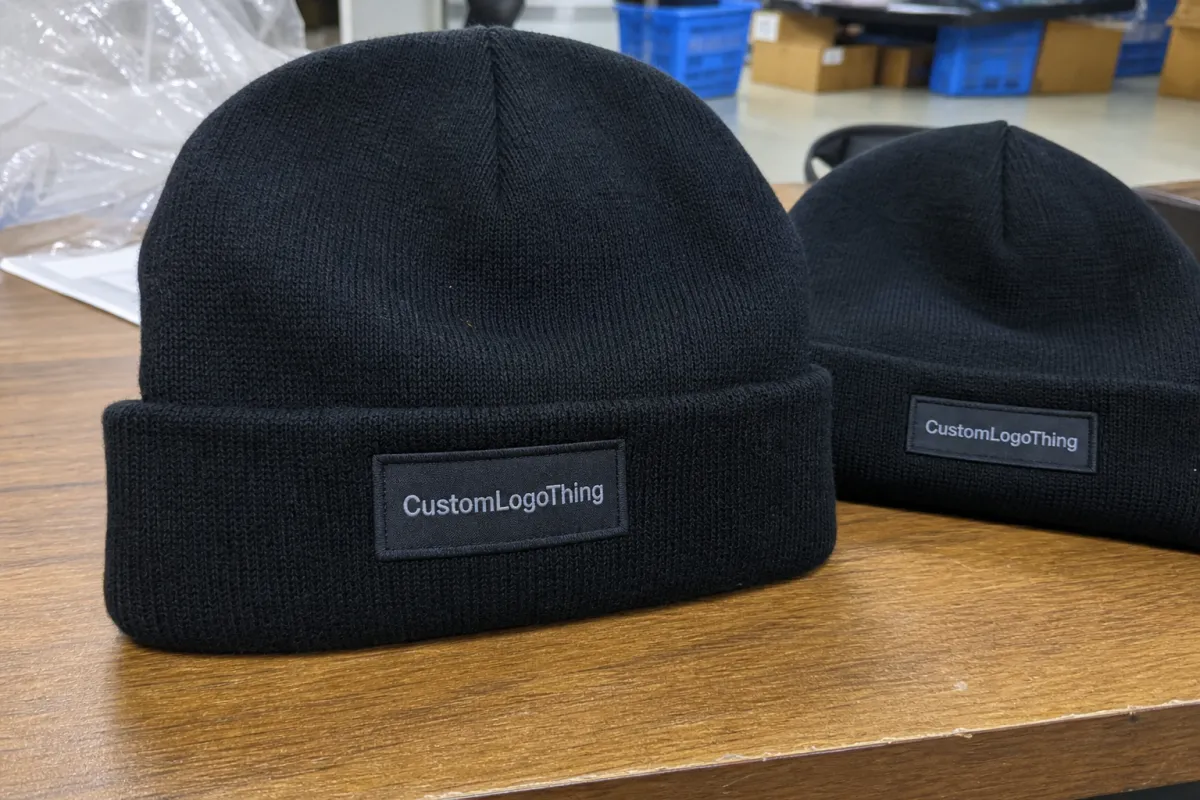
Beanies are not flat apparel, and that matters more than many first-time buyers expect. The rib tension changes the surface. The crown can pull a logo slightly off angle. A thick patch can sit higher than intended, especially on a softer knit. A proper logo patch Beanies Sample Approval Checklist forces those details into the open before the order is locked.
The checklist is the buyer's final quality gate. It should cover art accuracy, patch material, placement, color interaction, stitching, and the way the piece wears once the fabric is stretched. If the logo is being translated from a digital file into a sewn, woven, embroidered, or molded patch, the sample is where the physical version proves itself.
That review often saves more than it costs. A thread color that disappears against a heather knit, or a patch positioned one quarter inch too low, can trigger a revision cycle that costs both time and freight. In small programs, a mistake of that size may look minor on paper. In production, it spreads fast.
The right people should see the sample. Usually that means a brand owner or brand manager, one merchandising contact, and one operations or fulfillment lead. Brand protects the look. Merchandising keeps the style on target. Operations catches practical problems, such as whether the patch adds awkward stiffness or whether the finished fold still packs well for retail or e-commerce.
A sample should answer three questions: does it look right, does it wear right, and does it survive handling?
How the sample approval workflow moves from mockup to sign-off
The cleanest workflow starts with artwork submission, moves to a digital proof, then to a physical sample or pre-production sample, and ends with written approval that authorizes bulk manufacturing. That order matters because each step checks a different risk. The proof checks layout and file accuracy. The sample checks the actual patch, stitching, hand feel, and color interaction with the knit body.
A digital proof can look finished even when the real item still needs work. A woven patch may render well on a monitor but feel too flat in hand. A PVC patch may look sharp in a mockup but sit too stiff on a soft acrylic beanie. A leather patch can bring a premium look, yet the edge finish and attachment method still need to be tested before anyone signs off.
Approvals should be documented in writing, not implied. Annotated photos, a signed sample sheet, or a clear email that names the approved version is enough if it is specific. The goal is to remove ambiguity later. If production asks which version was approved, the answer should be traceable in one place instead of scattered across message threads.
Feedback also needs to be precise. “Looks off” does not help anybody. “Move the patch 4 mm higher and reduce the logo width by 2 mm” gives the supplier something workable. That difference often decides whether one revision solves the problem or creates three more.
If the order includes retail-ready folding, branded polybags, hang tags, or carton packs, the sample review should include presentation, not only decoration. For teams that care about transit or pack-out testing, the International Safe Transit Association publishes useful references at ista.org. If the order includes paper inserts or swing tags, FSC-certified stock may matter too, especially for brands with sourcing rules.
Cost, pricing, MOQ, and unit-cost tradeoffs to review early
Cost questions should enter the conversation before the sample lands on a desk. Sample fees, patch setup charges, shipping, and any revision work can change the real project cost even when the unit price looks attractive. Buyers who only look at the per-piece number often miss the total spend needed to get to sign-off.
Patch type changes the economics quickly. Embroidered and woven patches usually have lower setup friction than molded PVC or custom leather tooling. Stitched appliques and layered constructions can need more back-and-forth before the sample feels right. The best choice depends on logo detail, the desired hand feel, and how much weight the patch should add to the beanie body.
| Patch option | Typical sample cost | Setup or tooling | Best fit | Main watch-out |
|---|---|---|---|---|
| Embroidered patch | $30-$70 | Low to moderate | Bold logos, textured brand marks | Small text can fill in |
| Woven patch | $25-$60 | Low | Fine lines and cleaner detail | Can feel flatter than expected |
| PVC or molded patch | $60-$150 | Moderate to high | Outdoor, sporty, high-impact branding | More rigid on soft knit fabric |
| Leather patch | $35-$90 | Moderate | Premium retail presentation | Color shift and edge finish matter |
| Stitched applique | $30-$85 | Low to moderate | Fashion-forward, layered looks | Bulk can distort thin knits |
MOQ also affects unit cost in a way that is easy to underestimate. Smaller orders usually carry a higher per-piece price because setup is spread over fewer units. A 100-piece run might sit around $5.50 to $9.00 each, depending on body yarn, patch type, and decoration complexity. At 500 pieces, the range often drops into roughly $4.25 to $6.50. At 1,000 pieces or more, pricing may soften again, but that depends on whether the beanie is acrylic, recycled yarn, or a heavier gauge knit.
One question matters before approval: if the sample needs a revision, does that restart tooling or create a new sample charge? Two rounds can be normal on a color-sensitive project. Repeated changes, though, can push costs far beyond the original quote. A clear Logo Patch Beanies sample approval checklist helps catch those variables before they turn into budget drift.
If your brand uses paper inserts, care cards, or shipping materials, ask whether those pieces are quoted separately. A low beanie price can look appealing until packaging, labels, and freight are added back into the total.
Process, timeline, and turnaround: what to expect before production
A realistic timeline starts with art confirmation, then sample build, then sample delivery or photo review, then buyer feedback, then revisions if needed, and finally written release into production. That sounds straightforward, but the pace usually depends on two things: decoration complexity and buyer response time. Factory schedule matters, but internal approval speed matters just as much.
For a straightforward embroidered patch sample, 7-10 business days after art approval is common. Woven patches can be similar. Molded PVC or leather samples often need 10-15 business days once the tooling or mold is in motion. After final approval, bulk production can take another 15-25 business days depending on quantity, yarn availability, and whether the beanie body is stock or custom dyed.
Seasonal demand changes the math. Beanies are often bought for fall launches, holiday programs, winter promotions, and retail replenishment, so a delayed approval can push the order into the next open production slot. Fast, clear feedback is not just polite. It protects the delivery window.
One practical habit helps more than people expect: build in one extra review cycle when color matching or patch texture matters. If the logo uses a subtle brand red, a dark heather body, or a mixed-material patch, the first sample may be close but not final. Planning for that possibility is better than treating it like a surprise.
For orders with cartons or pack-out requirements, some teams also align the finished goods plan with transit handling references from ISTA. That does not mean every beanie shipment needs formal lab testing. It does keep everyone honest about how much compression or movement the product can handle on the way out.
Step-by-step approval checks for patch size, placement, and fit
This is the part of the Logo Patch Beanies sample approval checklist that keeps the project grounded. A sample can look fine at a glance and still fail on measurements, wear, or finish. The most useful review order is the same one a customer would experience: first from a distance, then in hand, then on the head, then folded and packed.
- Confirm logo size. Measure the patch against the beanie body so the mark is readable without crowding the rib knit or swallowing the front panel.
- Check placement. View the sample from the front, a slight side angle, and on-head fit, because a centered flat sample can sit off-center once worn.
- Review patch finish. Look at edge trimming, stitch density, backing, and any glue bleed or puckering around the attachment point.
- Compare color under neutral light. Use the same lighting you would expect in a retail space, office, or customer home, not only the factory table lamp.
- Test the feel. Stretch the beanie, fold it, and wear it briefly to see whether the patch creates stiffness, scratch points, or an awkward bump.
A few details deserve special attention. If the patch is embroidered, small type can close up and lose definition. If it is woven, the weave can mute contrast slightly. If it is PVC, the finish can look premium but feel firmer against the head. If it is leather, the grain and cut edge should be reviewed closely because those details affect perceived quality more than many buyers expect.
Some quality teams also compare the sample against internal textile tests, including ASTM-based seam or material checks when those are part of their standard. That does not replace visual approval, but it gives the buyer a clearer language for repeat orders and future revisions.
One more habit pays off later: photograph the approved sample beside a ruler, a Pantone reference if relevant, and the final sign-off note. That small archive prevents plenty of “we meant the other version” conversations when the reorder comes around.
Common approval mistakes that create rework or delays
The biggest mistake is approving from a screen alone. A proof can show that the logo is centered in a file, but it cannot show how a patch sits on knit fabric or how thickness affects drape. That is why the logo patch beanies Sample Approval Checklist should always end with a physical sample review, not a digital guess.
Vague feedback creates another kind of waste. “Make it pop more” sounds useful, but it usually sends the supplier in circles unless the buyer defines what should change. Is the logo too small, too dark, too low on the cuff, or too flat in contrast? Exact measurements and marked-up photos solve that fast.
Too many voices also slow everything down. One person wants the patch larger, another wants it moved up, and a third asks for a different thread shade. Those notes can conflict, and the factory has to stop while the team sorts out which instruction wins. One approver, one backup, one final decision is usually enough.
Support details get missed often. Care label placement, fold direction, hang tag position, size sticker location, and even the way the beanie is bagged can matter in retail and e-commerce. A strong sample can still create trouble if the presentation does not match the sales channel.
Rushing the first round tends to cost more later. Rework is not just a sample charge. It can mean delayed freight booking, missed launch dates, or a ripple effect on packaging and fulfillment. The strongest protection is slow, specific approval at the right stage.
Expert tips and next steps after the sample gets approved
Once the sample is approved, move quickly but keep the record clean. Name one final approver and one backup so the order can be released without internal debate. Lock the approved details into one place: patch dimensions, placement notes, color references, body yarn spec, label copy, fold style, and any packaging instructions. That file becomes the working truth for production and for future reorders.
For long-term programs, seasonal drops, or collections with multiple colorways, keep an archive sample or a clearly labeled reference piece. Six months later, a photo may not be enough. The physical sample usually tells the story better, especially when shade, texture, or patch position matters. If the program uses paper packaging or branded inserts, ask for FSC-certified stock from fsc.org so sourcing notes stay aligned with the rest of the order.
One buyer habit works well in practice: approve the sample, record the approval in writing, confirm the quantity, and lock the timeline before discussing extras or revisions. That keeps the project moving and keeps the supplier focused on the version you actually want, not the one someone remembers later.
The logo patch beanies sample approval checklist is less about paperwork than control. It protects the visual standard, hand feel, fit, budget, and launch date in one step. Use it as the release point, and the bulk run starts with far fewer avoidable mistakes.
What should be on a logo patch beanies sample approval checklist?
Include logo size, patch placement, color match, stitch quality, and overall fit on the head. Add notes for packaging, labeling, and any retail presentation requirements, then record the exact sample version so future revisions are compared against the same reference.
How many sample rounds are normal for custom logo patch beanies?
One round is common when the artwork is clear and the patch method is straightforward. A second round is normal when color matching, texture, or placement needs adjustment. More than two rounds usually means the buyer should tighten specs before asking for another sample.
What drives the price of a logo patch beanie sample?
Patch type, setup work, material choice, and whether tooling is needed all affect sample cost. Rush timing and shipping can add to the first sample bill, and extra revisions can create additional sample charges, so early clarity saves money.
How long does approval usually take before production starts?
The timeline depends on sample complexity and how quickly the buyer responds with feedback. Simple approvals can move fast, while color-sensitive or multi-step approvals take longer, and any revision after the first review usually extends the overall turnaround.
What should I send my supplier before final sign-off?
Send the approved artwork, exact placement notes, color references, and the final quantity. Confirm whether the order needs special packaging, size breakdowns, or reorder support, and ask for a written record of the approved sample so production matches it exactly.


