Poly Mailer Bags Material and Sizing Guide for Buyers
Choosing shipping mailers should be boring. It usually is not. The bad decisions show up fast: a bag that is too tight creates repacking, a bag that is too large wastes film, looks sloppy, and can push shipping costs higher. That is why this Poly Mailer Bags material and sizing guide focuses on the parts that actually change cost, protection, and how the package feels in the customer's hands.
Poly Mailer Bags are lightweight plastic shipping pouches used for apparel, soft goods, and other items that do not need a rigid box. They save storage space, pack faster than cartons, and often ship at a lower total cost for flat products. The catch is simple: the right bag depends on the product, the print, the carrier network, and the kind of damage you expect in transit. There is no magic one-size-fits-all answer. Packaging people hate that, but it is still true.
Material, thickness, closure style, and dimensions should be treated as one decision. A stronger film does not rescue a bad size. A bigger mailer does not fix weak seams. A useful poly mailer Bags Material and Sizing guide looks at the package the way an operations team does: how the item folds, what it weighs, how it moves through fulfillment, and what the customer sees first.
Poly Mailer Bags Material and Sizing Guide: The Basics
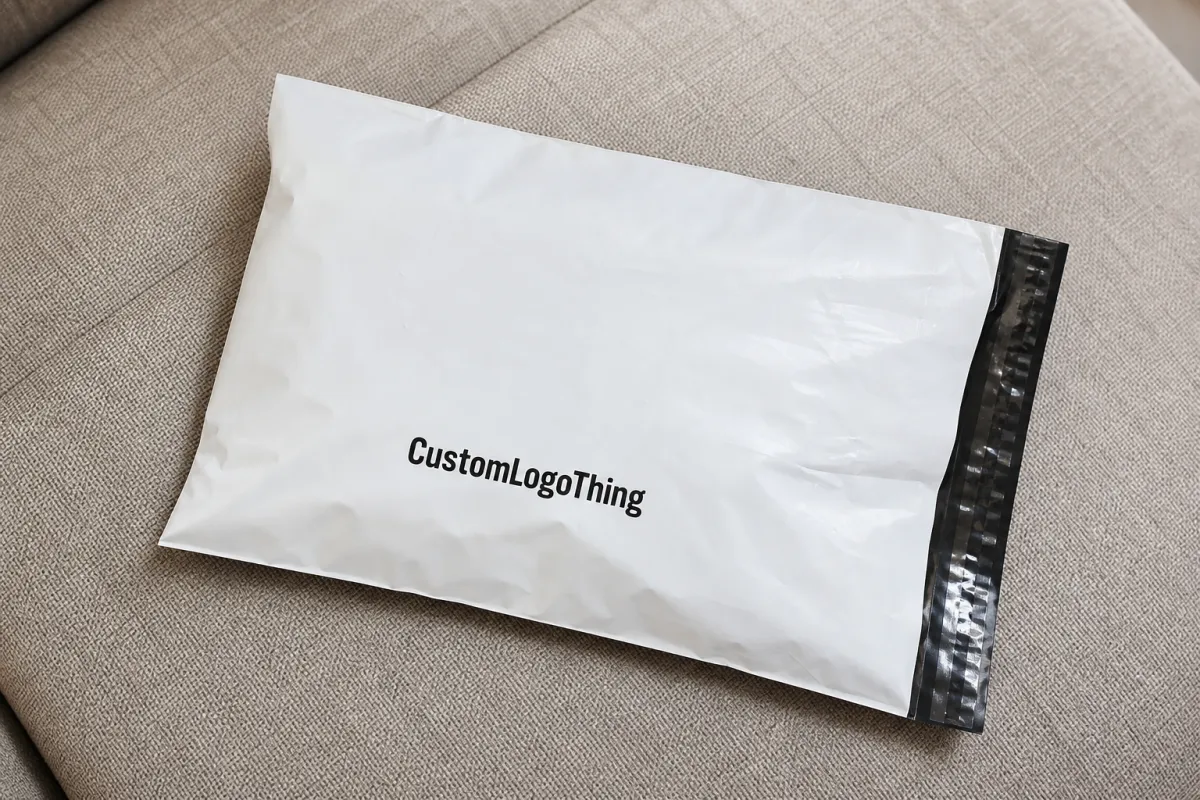
Start with the product, not the catalog. If the item is soft, flat, and not likely to puncture the film, a poly mailer is usually the better choice than a corrugated box. T-shirts, leggings, scarves, socks, and small textile accessories all fit that pattern. The pack-out stays fast, the shipping footprint stays small, and the warehouse does not have to babysit every order like it is breakable glass.
Not every poly mailer is built the same. Buyers usually run into standard LDPE, co-extruded film, recycled-content blends, and opaque premium finishes. Each one behaves differently. Some feel softer and more flexible. Some hold shape better. Some print well but scuff faster. Recycled-content film can support sustainability goals, but the surface feel and color consistency may vary a bit from run to run. That is not a defect. It is part of the tradeoff.
The useful question is not which material sounds best on paper. It is which structure fits the product, the carrier route, and the brand experience you actually want to deliver. If the item ships through rough sorting networks, that matters more than a glossy sales sheet. If the order is mostly apparel sold Direct To Consumer, presentation matters more than it would for a plain wholesale shipment. Different jobs, different specs.
If the packed item needs to be forced into the mailer, the spec is not ready.
That is a good rule because it catches most sizing mistakes early. A mailer should close cleanly, protect the contents, and keep the packing line moving. Anything else starts adding hidden cost.
How Material Changes Protection, Feel, and Print Quality
LDPE is the workhorse. It is flexible, inexpensive, and easy to seal. For normal apparel shipments, it usually performs well at common thicknesses around 2.5 to 4 mil. A 3 mil bag often lands in the middle for everyday use: flexible enough to pack without a fight, sturdy enough for routine handling. Thin enough not to feel wasteful.
Co-extruded film adds another layer or layers of performance. Different layers can be tuned for toughness, stiffness, or sealing behavior. In practice, that can improve tear resistance and puncture resistance without making the bag feel brittle. It is useful for items with zippers, buttons, hooks, tags, or other pressure points that can stress a softer film.
Thickness changes more than durability. It also changes how the bag folds, how it seals, and how easy it is for a packer to move fast without fighting the material. Thicker is not automatically better. If the product is soft and compressible, extra gauge may add cost without improving the outcome much. That is especially true for simple garments.
Print finish affects perception in a way buyers still underestimate. Gloss reflects more light and can make colors pop. Matte usually reads more restrained and premium. Opaque black or white films hide the contents and create a cleaner presentation, which is often worth the extra spend if the brand cares about first impression. If the package looks cheap, customers notice before they read the label.
Closure and seam quality matter just as much as the film. Peel-and-seal adhesive should close firmly without trapping wrinkles or dust. Tamper-evident strips are useful for retail returns, subscription programs, and some branded direct shipments. Side seams need to hold up under compression. A beautiful bag that splits in transit is still a failure.
| Material option | Typical strengths | Common tradeoffs | Indicative unit cost at 5,000 pcs |
|---|---|---|---|
| Standard LDPE | Flexible, economical, easy to pack | Lower premium feel, limited puncture resistance | $0.12-$0.22 |
| Co-extruded film | Better tear and puncture performance | Slightly higher cost, more spec detail needed | $0.16-$0.30 |
| Recycled-content film | Supports recycled-material claims | Color and finish can vary more | $0.17-$0.33 |
| Opaque premium finish | Strong brand presentation, privacy | More expensive, sometimes less flexible | $0.18-$0.38 |
That table is a useful starting point, not a quote. Print coverage, bag size, film structure, adhesive upgrades, and total quantity can move the price a lot. So can whether the job needs white ink on a dark film, special packaging, or extra inspection. The cheap option often stops being cheap once the spec gets real.
If the bags need to survive rough handling, ask for testing that looks more like shipping and less like a hand-feel demo. ISTA test methods are useful because they simulate transit abuse better than a tabletop squeeze test. A vendor can show you a pretty sample all day. That still does not tell you how it behaves after a long ride through a parcel network.
How to Size Poly Mailers Around Real Products
Buyers often start with the bag size printed in the catalog and work backward from there. That is usually wrong. Measure the product in its packed state first. Then account for inserts, tissue, labels, return cards, and the way the item actually folds. A tee that looks flat on a table can behave very differently once sleeves are tucked in and seams stack up.
Flat size matters, but usable interior dimensions matter more. Ask for the real opening width, the usable length, and the seal flap size. That keeps you from choosing a mailer that looks right on paper and fails at the packing table. The bag should slide over the product. It should not act like a challenge.
A practical sizing method looks like this:
- Measure the item in its final folded state.
- Add room for inserts, tissue, tags, and any barcode or return materials.
- Check the usable width and length, not just the outside dimensions on the quote.
- Pack a real unit and make sure the seal closes without strain.
Different products need different allowances. Soft clothing compresses. Rigid items do not. A cotton sweatshirt can collapse down fairly well. A bundled kit with hardware, inserts, and a folded garment takes more room than the product photo suggests. Mixed-SKU shipments need even more care because uneven shapes create pressure points inside the mailer.
Gussets can help with bulkier items, but they are not always necessary. If the product is narrow and flat, a gusset may add complexity without delivering much benefit. If the item has depth, a gusset can reduce stress on the seams and make pack-out easier. Slippers, multi-piece sets, and apparel with hardware tend to benefit most.
For common apparel programs, small accessories often fit 6 x 9 or 7.5 x 10.5 mailers, folded tees often land around 10 x 13 or 10.5 x 16, and hoodies usually move to 12 x 15.5 or larger. Those are not universal rules. They are starting points. The actual fit depends on fabric weight, fold method, and whether the bag has to carry inserts or branding material.
Before approving a production run, do a small pack-out test with real products. Not photos. Not guesses. Real units with real inserts and real closures. That is where sizing mistakes show up. One size may look fine in a spreadsheet and then fail because a hem, card, and adhesive flap all need the same space. A few minutes at the bench saves a lot more than that later.
This is one of the places where a sharp Poly Mailer Bags material and sizing guide earns its keep. Oversized bags waste film and can increase dimensional weight charges. Under-sized bags create repacking, damage risk, and warehouse friction. Right-sizing lowers waste on both sides.
Cost, MOQ, and Quote Drivers
Price depends on more than raw material. Film thickness, bag size, print coverage, number of colors, adhesive upgrades, recycled-content requirements, and total quantity all move the quote. A plain one-color logo on a standard white bag may sit near the low end. Full-coverage artwork, opaque finishes, or a more complex film structure push cost up. That is not a surprise. It is the business model.
MOQ matters because setup cost gets spread across fewer or more bags. A 2,000-piece order usually carries a higher unit price than a 10,000-piece order, even if the film is identical. Buyers sometimes compare a small MOQ quote from one supplier to a larger run from another and think they found a bargain. They have not, at least not yet. The comparison only works if the specs match.
There are also costs that appear late if nobody asks early. Freight can be meaningful, especially on tight delivery windows or long routes. Palletization may add cost but reduce damage. Sampling can be free, partial, or billable depending on the supplier. Ask whether the price is factory-only, ex-works, or landed. Those are not small distinctions. They decide who pays for what.
A clean quote request should lock dimensions, film structure, thickness, print method, artwork coverage, closure style, and shipping terms. Keep all vendors on the same sheet. That is the only way to compare apples to apples. Otherwise, the lowest price is just a different spec with a prettier number.
For custom runs, unit cost often drops meaningfully once the order moves from a few thousand pieces into larger production lots. The savings flatten if the artwork keeps changing or the spec is still being negotiated. Frequent changes cost time, and time is where packaging budgets quietly bleed out.
Process and Lead Time From Spec Sheet to Delivery
The path from idea to delivery is simple on paper. Spec, artwork, proof, production, inspection, shipping. Delays usually happen where one step hands off to the next. If anyone changes the size, film, or print file late in the process, the schedule moves. Packaging is not magical. It is just a lot of coordinated details.
Typical lead time depends on quantity and complexity. A repeat order with no changes can move faster than a fully custom print job. Standard Custom Poly Mailers often need roughly 2-4 weeks after proof approval, while more complex jobs can stretch to 4-8 weeks before transit. Special film blends, recycled-content requirements, heavy print coverage, or additional compliance review can extend that further. Shipping time sits on top of all of it.
Most delays show up in three places:
- Dimensions are vague, so the quoted size is wrong.
- Artwork files are incomplete, low-resolution, or missing bleed.
- Decision-makers keep changing the spec after approval.
The last one is the classic. Someone wants one more inch of length, a darker shade, or a different finish after the proof is already moving. Each small change can reset printing or scheduling. The cheapest way to protect a timeline is to lock the spec early and stop treating packaging like a mood board.
Quality checks should happen before shipment, not after the boxes arrive. Ask for photo proofs, sample approval, dimension tolerances, and print alignment tolerances. If the bags matter to a launch, retail compliance, or a subscription cycle, build a buffer into the schedule. Shipping problems rarely come from a single big failure. They usually come from a chain of small changes nobody tracked closely enough.
For any package that needs transit testing, ask for recognized test methods rather than informal drop checks. Buyers shipping at scale use standards like ISTA to reduce damage before a product release. It is a lot cheaper to find a weak seam in testing than in customer complaints.
Common Mistakes That Waste Material or Raise Shipping Costs
The first mistake is oversizing. A bag that is much larger than the product wastes film, looks loose, and can raise dimensional weight costs in some carrier networks. It also looks less intentional. Customers notice when a package slumps or folds awkwardly in transit. They may not say it out loud, but they feel it.
The second mistake is under-sizing. A bag may fit a single folded item and then fail once a return card or barcode insert is added. That turns a cheap mailer into a labor problem. The item gets repacked, the line slows down, and the savings disappear one awkward order at a time.
The third mistake is choosing the finish before checking the use case. A matte or specialty opaque film may look great in a sample and still scuff more than expected, or fold differently than the warehouse likes. Sharp garment hardware and rough sorting equipment are not gentle. Ask for a sample lot and test it, because the photo will not tell you much.
The fourth mistake is quote shopping without matching specs. One supplier's 3 mil bag is not the same as another supplier's 3 mil bag if the film structure, seam construction, adhesive, and print coverage differ. Hidden differences are common in packaging purchasing. The numbers look equal. The actual bags are not.
The fifth mistake is getting casual with sustainability claims. If a mailer uses recycled content, say so only if the content level and claim language are accurate. FSC certification generally applies to paper-based components, not plastic film. And biodegradable claims need extra care. Many poly mailers are not biodegradable, no matter what a sales sheet hopes people will believe. Consumers are good at spotting that kind of nonsense.
Practical Tips for Better Performance and Brand Perception
One smart move is to build a two-option shortlist. Keep one spec aimed at the lowest landed cost and another aimed at better presentation. That gives procurement, operations, and marketing something real to compare. The cheaper option may win on unit price. The better one may win on pack-out speed, damage reduction, and customer perception.
Print restraint often improves the result. A clean logo, one or two colors, and a thoughtful finish usually read as more premium than a crowded design that tries to do too much. Packaging is one of the few places where less can actually look more expensive. Strange, but true.
Ask the people who pack the orders every day what happens on the line. They know whether a flap sticks, a seal tears, or a surface fingerprints too easily. They also know which sizes cause the most friction. That feedback is direct, fast, and cheaper than a redesign after the order is already in motion.
If the mailer has to serve multiple channels, test it in each one. Direct-to-consumer, retail returns, and marketplace orders all create different demands. A bag that works beautifully for a single folded tee may be awkward for bundles or return processing. The right choice usually sits in the middle: easy enough to pack, strong enough to ship, clean enough to present.
For sustainability, keep the story consistent across the whole package. If you use recycled-content film, say that clearly. If the outer packaging includes paper inserts, check the source claims. Mixed packaging systems need accurate language, not a pile of half-right labels. Buyers who get this right avoid a lot of avoidable cleanup later.
What a Quote-Ready Spec Sheet Needs
If the goal is a clean sourcing process, put the spec in writing before requesting quotes. Include product dimensions in folded state, target quantity, print requirements, preferred finish, shipping destination, and whether inserts or return cards are part of the pack-out. That removes guesswork and makes supplier responses easier to compare.
Then request two or three sample sizes and pack real product into each one. The best size is not always the one that looks neat on a screen. It is the one that closes cleanly, protects the contents, and ships at the right cost. That is the job.
One simple comparison sheet can save a lot of back-and-forth. List cost, MOQ, Lead Time, material thickness, print method, and any sustainability claim. Add a column for pack-out notes from the warehouse. That gives procurement, operations, and marketing one shared view of the decision, which is rare and useful.
That is the actual value of a strong Poly Mailer Bags material and sizing guide: it turns a commodity-looking purchase into a controlled, defensible choice. Get the material right. Get the dimensions right. The rest gets easier. Miss either one, and the shipping budget will remind you quickly.
How do I choose the right poly mailer bag material for apparel shipments?
Use flexible LDPE or co-extruded film for soft goods that do not need rigid protection. Choose thicker film if garments have zippers, hardware, or sharp trims that can stress thinner bags. Match the finish to the brand feel you want, since matte and opaque options usually read as more premium than basic clear films.
What size poly mailer bag should I use for folded clothing?
Measure the folded garment, then add room for tissue, inserts, or a return card before choosing the bag size. Test the packed item in real life, because a size that looks correct on paper may feel tight once folded seams stack up. Leave just enough clearance for easy insertion without creating excess empty space.
Why does MOQ change the quote for poly mailer bags?
Smaller quantities spread setup and production costs across fewer bags, so the unit price rises. Higher volumes usually lower the per-piece rate, especially when print and film specs stay consistent. MOQ also affects whether a supplier can justify custom materials, inks, or special finishes.
How long does production usually take for custom poly mailer bags?
Lead time depends on artwork approval, film availability, print complexity, and order size. Sampling and proofing can add days or weeks if the spec changes midstream. Build buffer time if the bags are tied to a launch, subscription cycle, or seasonal shipment.
What is the most common sizing mistake with poly mailer bags?
Buyers often size to the product's flat dimensions instead of the packed dimensions. That misses thickness from folds, inserts, and closures, which can make the bag too tight. A quick pack-out test usually catches the problem before a full order is placed.


