Pom Pom Beanies Reorder Plan for Fast, Clean Restocks
A Pom Pom Beanies reorder plan looks simple on paper. In practice, it is the difference between a clean restock and a scramble that eats margin. The problem usually shows up right when demand becomes visible: the black and heather gray units move first, a seasonal color suddenly takes off, and the buyer discovers the replenishment window closed two weeks ago.
The mistake is almost always the same. Teams watch total inventory instead of color-level velocity. A warehouse can still look healthy while the best sellers are already in the danger zone. If you only notice the low stock after a promo goes live, you are no longer planning. You are reacting.
The buyers who avoid that trap tend to follow a few disciplined habits. They track sell-through by color, keep the approved sample on file, and place the reorder while there is still enough time to preserve the spec. Nothing flashy. Just less guesswork and fewer expensive shortcuts.
For branded headwear, that discipline matters more than people expect. Pom Pom Beanies are not difficult to produce, but they are easy to drift on. A slightly different cuff depth, a smaller pom, or a warmer shade of gray can turn a repeat order into a product that looks familiar at first glance and wrong in the hand.
Why a Pom Pom Beanies Reorder Plan Prevents Stockouts
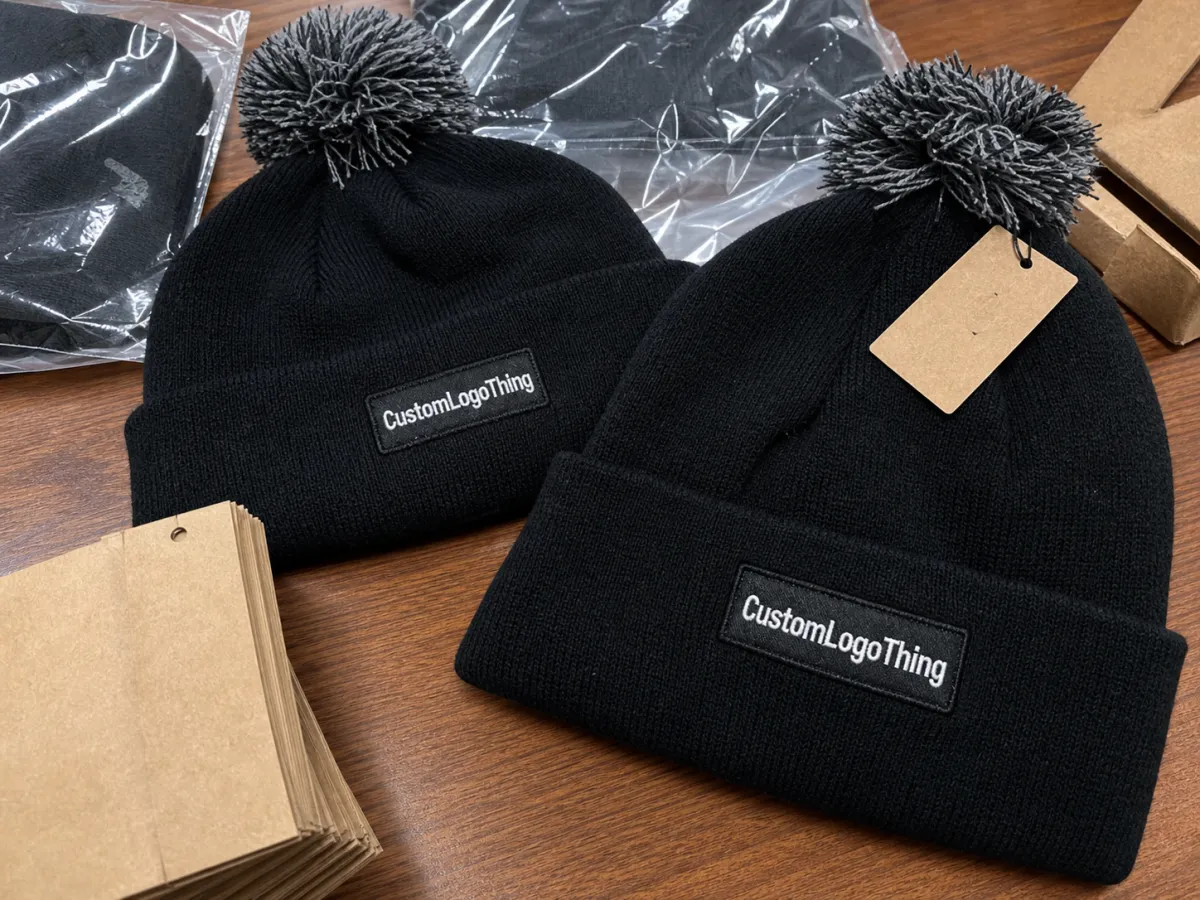
Stockouts rarely hit every SKU at once. They hit the fast movers first. One color can sell through at double the pace of the others. One size can disappear because it is the one most customers actually buy. If the inventory report only shows the total unit count, the real shortage stays hidden until it is already expensive.
A working pom pom Beanies Reorder Plan starts with the inventory pattern, not the headline product name. Track which colors carry the line. Track which styles are used for retail, team sales, or promotions. Track which versions are tied to a fixed event date. The reorder trigger should reflect the actual demand shape, not a rough estimate of what is "running low."
A practical rule set helps. These are the thresholds buyers usually watch:
- Sell-through percentage: start planning when core colors reach roughly 60% to 70% sold.
- Weeks of cover: if the fastest movers are under 6 to 8 weeks of supply, the clock is already running.
- Promo timing: reorder before the sales window, not after the calendar fills up.
- Replacement risk: if a single bad pom, label error, or dye issue can remove a top style, the safety buffer needs to be larger.
That logic protects the best sellers without forcing you to overbuy the slow colors. It also leaves room for seasonal shades that need a longer shelf life to pay back their setup cost. A reorder built on panic usually does the opposite: it overcommits to what is easiest to rush, then leaves the core assortment exposed.
The cleanest reorder is usually the one that looks dull. Same spec, clear trigger, enough time to inspect it properly.
A useful way to calculate timing is simple enough to run in a spreadsheet. Divide on-hand units by average weekly sales. If you have 480 units left and the style sells 90 per week, you have a little more than five weeks of cover. That is not a comfortable position if production alone takes three weeks and freight adds another week or more. The gap disappears quickly once approvals stall.
For buyers who manage several seasonal colors at once, this kind of discipline is more valuable than an oversized order. It keeps cash tied to the styles that actually move. It also reduces the chance of ending up with a deep inventory position in one shade and zero stock in the one customers ask for first.
Product Details Buyers Should Lock Before Reordering
Before you ask for a new quote, lock the build. "Pom pom beanie" is a category, not a spec. The actual product is a stack of decisions: knit structure, yarn blend, cuff height, fit, pom method, label style, and packing format. Miss one detail and the reorder stops being a true reorder.
Start with the body. Common retail constructions include rib knit and tighter gauge knits, usually in acrylic or acrylic-heavy blends because they hold shape well and stay cost-effective at volume. Wool blends bring a different handfeel and better warmth, but they also raise cost and care expectations. Recycled yarns can be a good fit for some programs, though they tend to need stricter color and handfeel approval because lot variation can be more visible.
Fit matters more than buyers sometimes admit. Adult, youth, and one-size-fits-most are not interchangeable once the beanie is actually worn. Cuff height changes the logo canvas. Crown depth changes the silhouette. If the first run succeeded because the fit looked balanced, the second run should preserve that balance instead of treating it as a loose target.
Decoration is another place where repeat orders drift. Woven labels, embroidered patches, sewn-in side tags, and badges all behave differently. A patch can change the stiffness of the cuff. Embroidery can pull the knit if the stitch density is too tight. A woven label may look clean on a sample but shift slightly if placement is not locked down. The decoration method should be fixed before the bulk run starts.
The pom itself deserves more scrutiny than it usually gets. Stitched poms generally hold better than glued attachments, especially in retail programs where the beanies will be handled, tried on, and packed again. Glued poms can reduce assembly time, but they also introduce a failure point if the product is used hard or washed often. For repeat orders, the lower-risk attachment usually pays off even if it costs a little more.
One more issue shows up often: two beanies can look nearly identical in a photo and still feel different in person. Knit density, crown shape, and cuff stretch change with the yarn lot and machine settings. If the reorder is meant to restock a known product, the visible details are not the only details that need to match. Texture matters. So does drape.
- Keep constant: base knit, cuff depth, pom method, decoration placement, and the main color reference.
- Review carefully: lining, label type, accent stripes, and packaging format.
- Allow only small approved variation: tag position, carton artwork, and minor stitch tolerance.
If the program will be sold across multiple channels, the safest approach is to lock the body and the branding first, then treat any cosmetic changes as a separate decision. That keeps the reorder from turning into a redesign disguised as replenishment.
Specs That Keep Repeat Orders Consistent
A strong spec sheet does not need to be long. It needs to be measurable. The best versions remove ambiguity before production starts, which saves more time than any back-and-forth later in the process.
Begin with the material details: yarn blend, knit gauge, cuff depth, pom diameter, and lining if there is one. If the beanie is 100% acrylic, say so. If it is a wool blend, name the ratio. If recycled yarn is part of the story, define the content and keep the reference sample close. Buyers run into trouble when the written description says one thing and the sample says another.
Color control should be specific, but not naive. Pantone references help, especially for logos and labels, yet they do not eliminate yarn variation. Dyes behave differently on textured knit surfaces. Tension changes can make the same shade read slightly darker or lighter. The best practice is to approve a physical sample and attach the color reference to it. That gives the factory both a visual target and a written one.
Set the tolerance rules before production begins. After a complaint is not the time to decide what counts as acceptable.
- Shade variation: define the acceptable range by sample or Pantone target.
- Placement tolerance: allow only a small shift in patch or label position.
- Label size: lock the dimensions and stitch method.
- Packing count: confirm units per polybag, inner pack, and carton.
Packaging deserves the same attention as the hat itself. If the reorder is going into retail, confirm whether the units need polybags, barcode stickers, hang tags, or carton marks for receiving. A technically correct product can still create unnecessary work if the packing format does not match the warehouse process.
Shipping durability also needs a reality check. Cartons should be specified for normal transit, not ideal transit. Testing references from organizations such as ISTA are useful because they frame the basic problems: drop, vibration, compression, and loose packing. Those issues do not sound dramatic, but they are often the reason beanies arrive crushed, mixed, or rebagged before they ever reach shelf.
Paper-based inserts and hang tags can be specified as FSC-certified if that fits the program. That is not a marketing cure-all. It is simply a cleaner sourcing choice for paper components, and it is easier to support when the supplier keeps records in order.
Keep one approved sample on file and label it clearly. A reorder without a reference sample leaves too much room for interpretation. Buyers usually notice the change immediately, even if the difference is subtle: a smaller pom, a tighter cuff, a label that sits three millimeters off center. None of those issues looks large in isolation. Together, they make the product feel new for the wrong reasons.
Pricing, MOQ, and Unit Cost Drivers
Pricing on Pom Pom Beanies is not arbitrary, even if the quote sometimes feels that way. It is built from a stack of decisions: yarn cost, knit time, pom construction, decoration method, sample work, packaging, and freight. Change one of those variables and the unit cost moves with it.
MOQ is the biggest lever most buyers underweight. A smaller reorder almost always costs more per unit because setup, labor, and material waste are spread across fewer pieces. A larger run usually lowers the price because the factory can repeat the same build more efficiently. That is not a sales pitch. It is how production works.
There are also hidden cost shifts that show up only after the quote is approved. Mixed colors can complicate yarn planning. A lined beanie takes more labor than an unlined version. A badge often costs more than a simple woven label. Rush freight can erase the savings from a lower unit price in a single shipment.
For planning purposes, these ranges are more useful than a vague "it depends":
| Reorder Option | Typical MOQ | Unit Cost Range | Best For | Tradeoff |
|---|---|---|---|---|
| Same spec restock | 300-1,000 units | $4.20-$7.50 | Keeping a proven seller in stock | Less flexibility, strongest consistency |
| Small spec change | 500-1,500 units | $4.80-$8.40 | Updating trim, lining, or badge style | Higher risk of color or fit drift |
| Rush reorder | Depends on capacity | $5.50-$9.25 | Short sales windows and seasonal deadlines | Extra cost for priority scheduling and faster freight |
Those numbers are not promises. They are the kind of range that makes sense for a decorated beanie program with custom logo work, depending on yarn type, decoration complexity, and the route the goods travel after packing. If a quote lands far below that with no explanation, ask what was removed. Usually something was.
The cheapest order on paper is not always the cheapest order in practice. Buyers often forget freight, local receiving, inspection time, and the cost of correcting art files that were never properly saved from the last run. A cleaner question is not "What is the unit cost?" but "What will the landed cost be once the cartons hit the warehouse?"
Savings usually come from repeatability. Reuse the same artwork. Keep the same base spec. Consolidate colors into one production run if the palette allows it. Splitting three small orders across three dates usually costs more than one planned shipment, even before the logistics work begins.
Before approving a quote, it helps to ask a few direct questions:
- What is included in the unit price?
- What costs extra: sample, patch, label, carton, or freight?
- Does the price change if quantity moves up or down?
- Are color splits or mixed sizes allowed?
- Does the quote assume the same approved spec as the last order?
Those questions surface the real cost structure quickly. They also expose whether the supplier understands the difference between a full replenishment and a fresh development project. The two are not the same, and the price should not pretend they are.
Production Steps and Lead Time for Reorders
A proper pom pom beanies reorder plan follows a clean sequence. Quote first. Specs confirmed. Art approved. Sample locked. Bulk production. Inspection. Packing. Shipment. If the order gets messy at any one of those points, the schedule gets messy too.
The biggest delays are usually avoidable. Missing artwork. Unapproved colors. A buyer changing quantities after production has already started. None of those are factory mysteries. They are coordination problems, and they tend to show up when the reorder was started too late.
- Confirm the build: base knit, cuff, pom, decoration, and packaging.
- Approve art: logo size, stitch count, label layout, and color placement.
- Lock the sample: keep a physical reference and written approval.
- Start bulk production: yarn knitting, pom assembly, decoration, and finishing.
- Inspect and pack: check count, placement, and carton markings.
- Ship: plan transit separately from production time.
Do not collapse sample time and bulk production time into one vague estimate. They are different stages with different risks. A sample can take about 7 to 14 business days, depending on decoration complexity and whether the supplier needs to source a specific yarn or label. Bulk production often lands around 12 to 25 business days once everything is approved. Transit can add another week or more, depending on the route and shipping method. If someone gives you one tidy number without breaking that apart, ask for the detail.
Lead time also shifts with season. Capacity tightens before holidays, before school buying windows, and before major event periods. A timeline that works in April may not hold in October. Buyers who treat every month the same usually pay for that mistake later, either with a rush fee or a stockout.
Rush orders are acceptable when the sales window is genuinely shorter than the production window. They are much less defensible when they are used to cover weak planning. Paying for speed can make sense if the product is tied to a launch, a team deadline, or a retail drop. Paying rush costs because nobody tracked weeks of cover is just expensive procrastination with a shipping label on it.
One practical quality step that helps on repeat runs is photo approval before packing. It is fast, and it catches a surprising number of problems: a logo that is too small, a patch placed too high, a pom color that belongs to the wrong line. For larger orders, carton-level inspection and unit counts matter too, especially if the goods are going straight into retail, fulfillment, or a distribution center with tight receiving rules.
For material claims and packaging claims alike, documentation matters more than language. If the order includes recycled components, paper inserts, or any sourcing claim that will be reused in sales copy, the paperwork should be traceable. If the carton needs to survive stacked transit, the packing spec should reflect that instead of assuming gentle handling.
What a Reliable Reorder Partner Should Prove
The right supplier does not just say they can repeat the order. They prove it. That proof usually shows up in a handful of practical places: consistent samples, clear communication, documented specs, and the ability to explain exactly which parts of the build are fixed and which parts can still be adjusted.
Capacity matters more than buyers often admit. If a supplier cannot give a believable ship window, they are not helping your pom pom beanies reorder plan. They are simply giving you a number that sounds easy to approve. A number that sounds good is not the same thing as a number you can actually plan around.
A dependable partner should also be willing to run pre-production checks without making it sound unusual. Photo approval, in-line inspection, and carton checks are standard controls on repeat orders. They are not extra ceremony. They are how you keep a restock from becoming a fresh round of defects.
Look for a supplier that can repeat the same standard across multiple runs. The second order should not feel like a new experiment. If the first run was successful, the second one should be calmer, not stranger.
- Ask for documentation: approved sample, spec sheet, and color reference.
- Check communication speed: fast replies matter when timelines start to slip.
- Verify packaging control: count, label, and carton markings should be repeatable.
- Confirm inspection options: photo check, in-line review, or third-party inspection if needed.
For larger assortments, a reliable supplier also understands how one reordered style fits into the rest of the buying calendar. A beanie line does not exist in isolation. It competes for cash, storage space, and attention with other seasonal goods. Good partners understand that a reorder is part of an inventory system, not just a one-line quote.
That perspective saves time later. It also reduces the kind of avoidable friction that shows up when a buyer expects the supplier to hold the entire history of the order in memory. Clear files are faster than hope.
Next Steps Before You Place the Reorder
Before you request the next quote, gather the last purchase order, the approved sample, the artwork files, the target quantity, and the preferred ship date. One clean packet does more to speed the process than a week of scattered email threads.
Split the assortment into must-have SKUs and optional add-ons. If pricing shifts, you will still know which styles matter most. That is better than pretending every color carries the same urgency and then discovering the budget does not agree.
Ask for written confirmation of specs, MOQ, lead time, and packaging. Email shorthand is not enough. If there is a dispute later, the written version is what matters, not a casual message buried in a thread.
The last step is the one that usually saves the most money: save the approved spec sheet in a place the next buyer can find. Repeat orders break down when the reference file is lost and the team starts over from memory. Memory is the least reliable sourcing tool in the room.
For buyers managing a growing assortment, a solid pom pom beanies reorder plan keeps the top colors available, keeps the build consistent, and prevents rush costs from draining the order. The best restocks are rarely dramatic. They are clean, documented, and boring in exactly the right way.
FAQ
How early should I start a pom pom beanies reorder plan?
Start when the top colors hit roughly 60% to 70% sell-through, not when the shelf is nearly empty. That leaves enough time to confirm the spec, approve pricing, and move through production and transit without paying for panic.
What details matter most when reordering pom pom beanies?
Lock the knit, fit, pom style, color references, decoration method, and packaging before asking for a quote. Those details control repeatability far more than the product name does.
Why does MOQ change the reorder price so much?
Lower quantities spread setup, labor, and material waste across fewer units. Higher MOQs usually unlock better unit pricing because the same build can be run more efficiently.
Can I reorder the same pom pom beanie with small changes?
Yes, but small changes can shift cost, lead time, and minimum quantity. If consistency matters, keep the base spec the same and change one variable at a time.
What should I send when asking for a reorder quote?
Send the previous order details, target quantity, artwork, color references, and preferred delivery window. A complete packet speeds up pricing and reduces back-and-forth before production starts.


