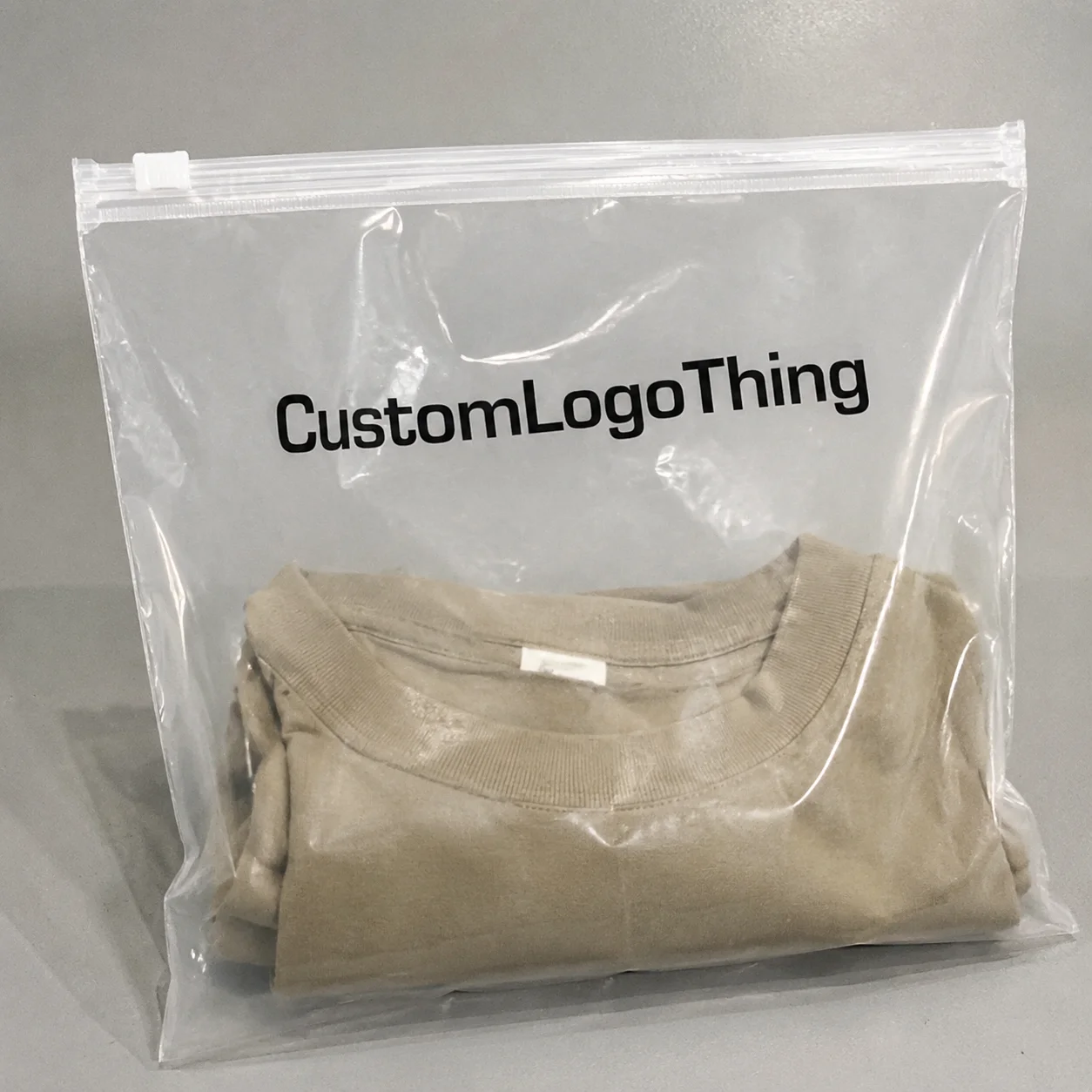
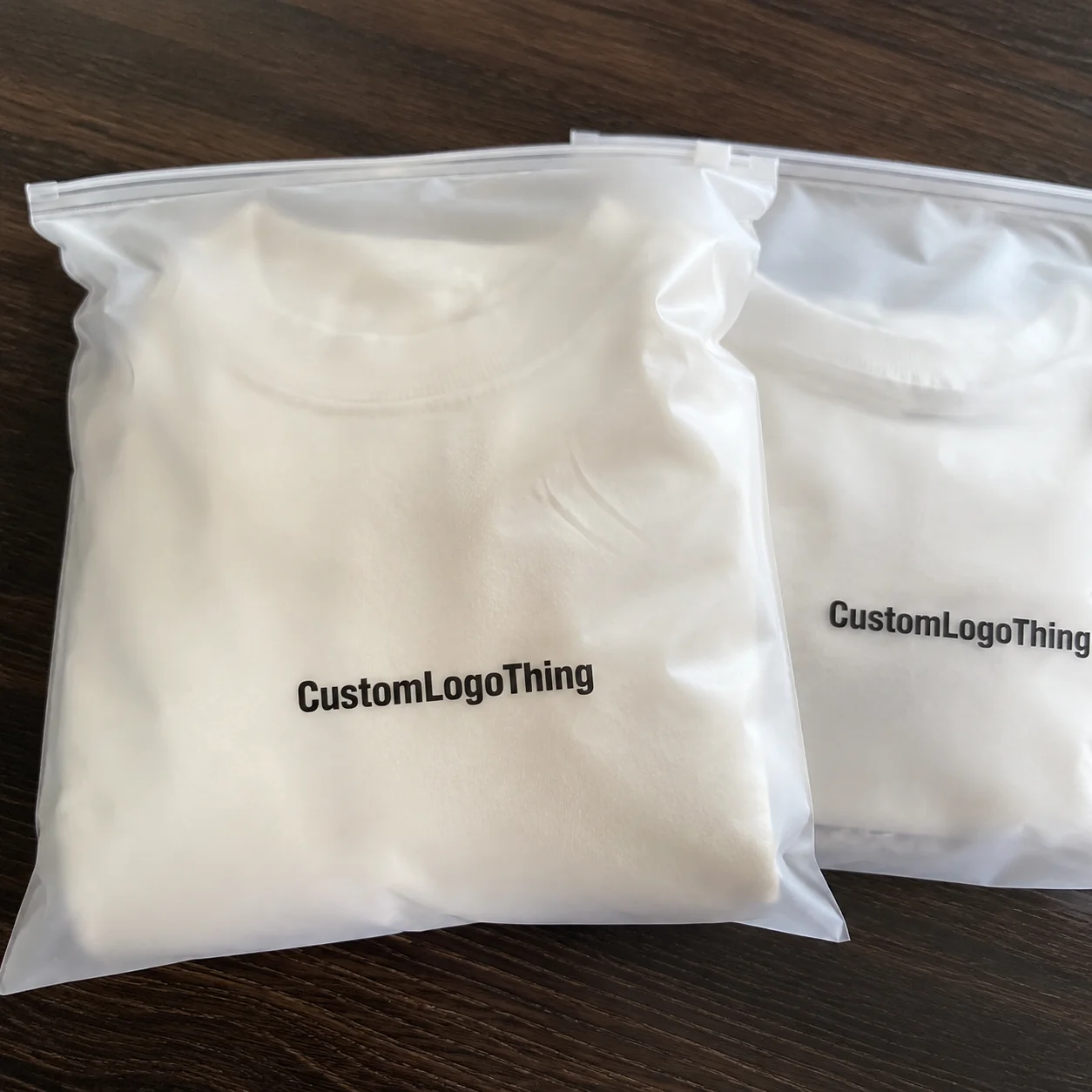
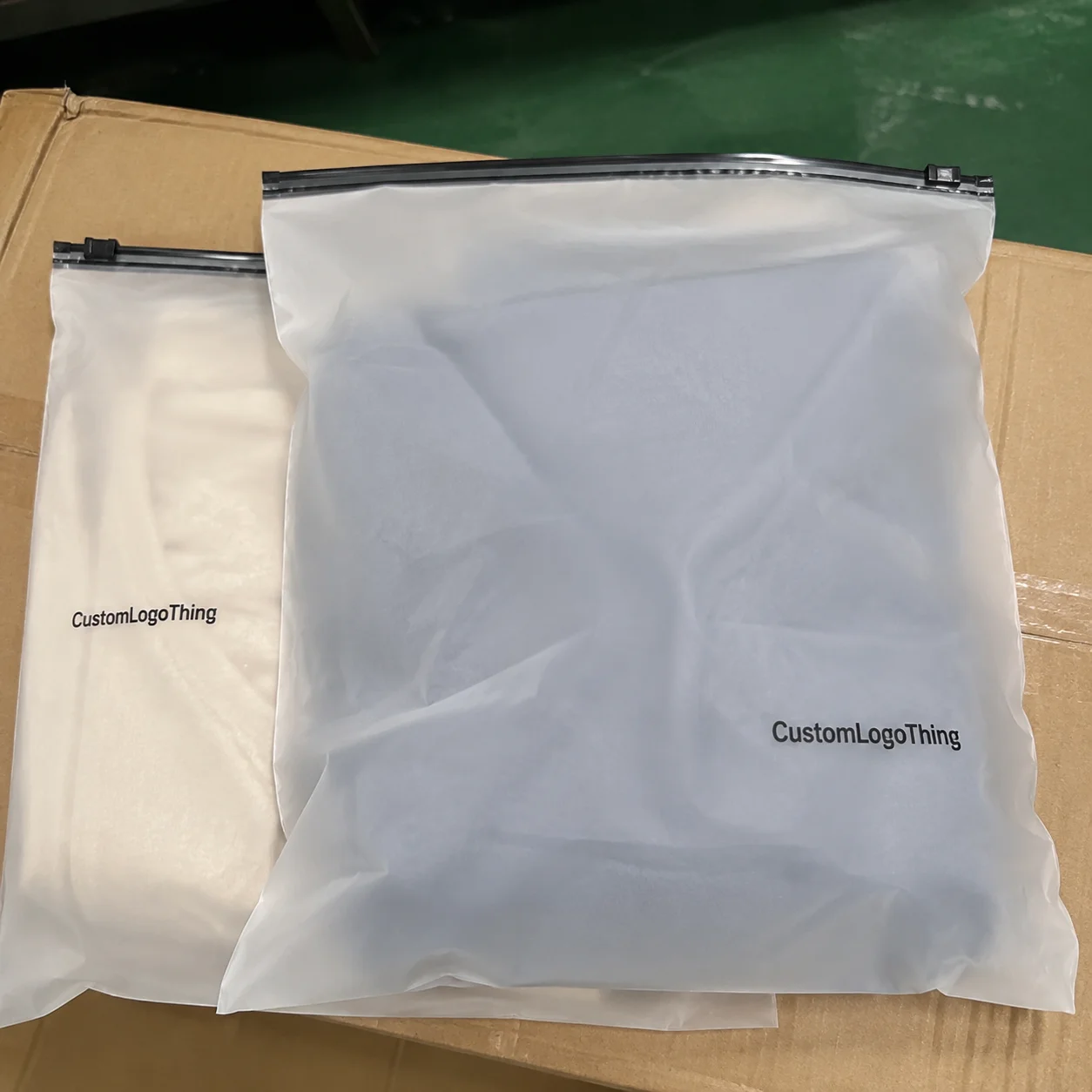
If you are ordering custom Custom Plastic Garment Bags for apparel brands, the bag is not just a sleeve of film. It changes how the garment arrives, how it hangs, how it photographs, and how buyers judge the product before they ever touch the fabric. A good bag protects the piece. A poor one makes a premium item look rushed in about three seconds.
That is why garment bags still matter on the sales floor and in the warehouse. They reduce dust pickup, limit scuffing in transit, keep sets together, and make replenishment easier to handle. In practice, the bag is part of product packaging, part of retail packaging, and part of your overall package branding whether you treat it that way or not.
Brands often spend time on tissue, hang tags, and Custom Packaging Products, then use a generic bag and hope nobody notices. Buyers notice. So do warehouse teams. So do customers opening a box at the return desk. A weak garment bag can drag down an otherwise thoughtful presentation because it sits at the intersection of protection, handling, and display.
A garment bag can cover a weak product. It cannot cover a weak spec.
The practical question is simple: what spec protects the garment, supports the brand, and stays inside the landed-cost target? That is the real job of custom Custom Plastic Garment Bags for apparel brands.
Why Garment Bags Still Matter on the Sales Floor
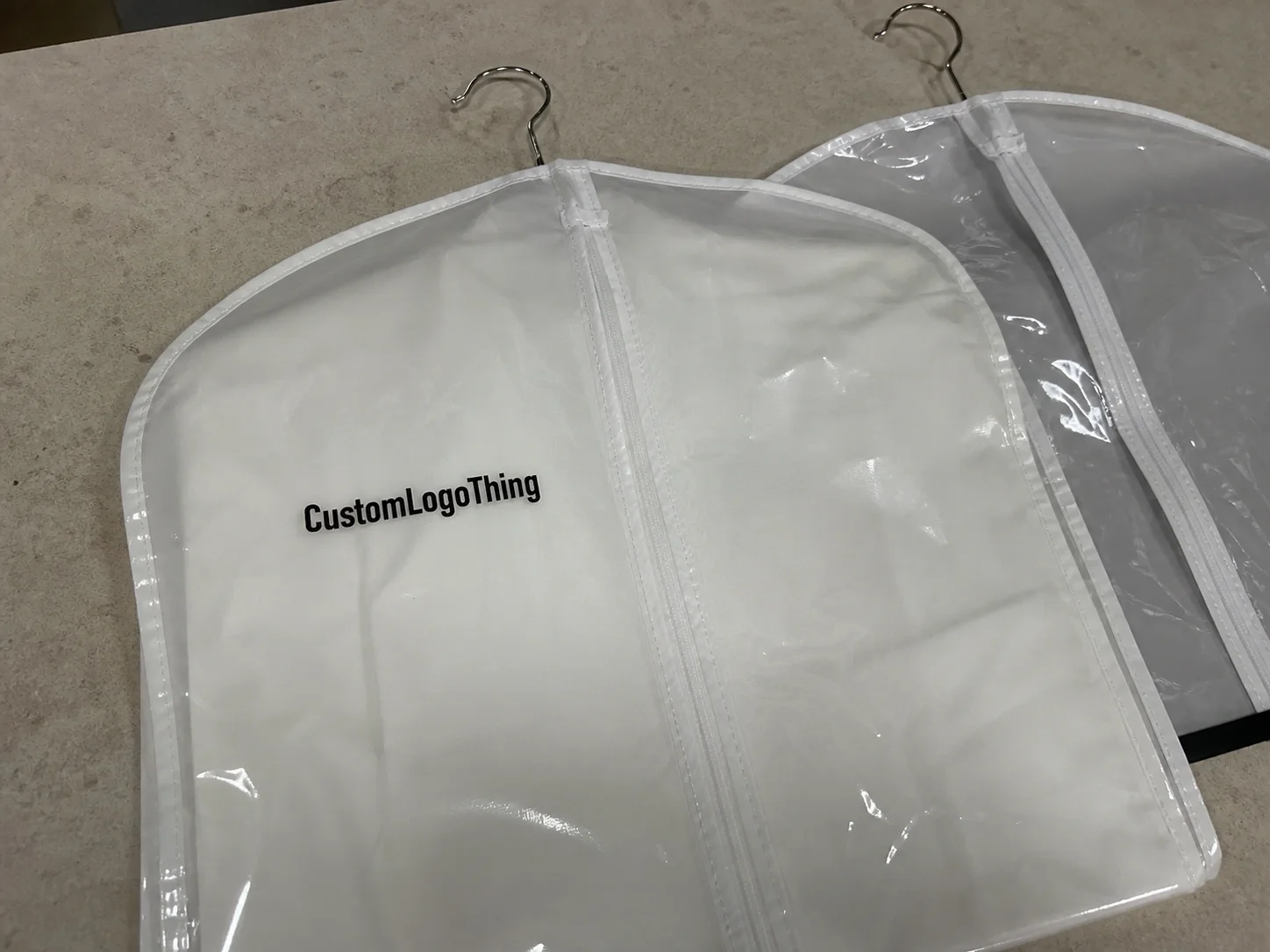
The first impression usually starts with the bag, not the hanger, not the tag, and not the tissue. A clean, well-fitted garment bag makes a shirt, dress, or suit look more controlled and more expensive. A cloudy, wrinkled, oversized bag does the opposite. It signals sloppy handling before the customer sees the seam quality.
There are four places these bags do real work. First, they keep dust and lint off the garment during storage. Second, they reduce abrasion during transit, especially on woven fabrics, hardware, and embellished pieces. Third, they improve visual presentation in a showroom or back-of-house rack. Fourth, they make warehouse handling faster because staff can identify sizes, colors, and styles without opening every unit.
For brands with tight margins, that function matters. A bag that prevents a small but repeated return issue can pay for itself. A bag that wrinkles the fabric or splits at the seam costs twice, because you lose both product presentation and packing time. That is why custom Custom Plastic Garment Bags for apparel brands should be treated as operational packaging, not decoration.
If the bag is the only branded layer, it has to work harder. If the garment also sits in tissue, a branded mailer, or custom printed boxes, then the bag can be simpler. That is the real tradeoff in packaging design: more visible package branding usually means every layer has to look intentional, even the parts a customer may only notice for a moment.
- Retail display: prioritize clarity, fit, and clean hanger access.
- Wholesale packing: prioritize stackability, size labeling, and dust protection.
- Shipping protection: prioritize seam strength, puncture resistance, and closure reliability.
Brands selling through multiple channels should decide which use case matters most. A single bag spec rarely excels at everything. That is normal. Pretending otherwise is how people end up with reorders they did not budget for.
There is also a real labor angle here. A bag that is easy to insert, seal, and stack saves seconds per unit. That sounds small until a team is packing hundreds or thousands of pieces. In apparel operations, packaging that looks elegant but fights the line is usually the wrong answer.
How the Film, Seal, and Closure Actually Work
The construction is straightforward, but each choice changes the result. The film type affects clarity and stiffness. The thickness, often called gauge or mil, affects puncture resistance and drape. The seal style affects whether the bag feels tidy or flimsy. The closure affects both speed and protection.
Most custom Custom Plastic Garment Bags for apparel brands use polyethylene film, though the exact blend varies. Clear polyethylene is the common baseline because it is light, affordable, and easy to inspect. If a brand wants more structure or a premium handfeel, it may move to a heavier film or a frosted finish. That costs more, but the visual payoff can be worth it for high-margin apparel.
Closure choice is where a lot of buyers get lazy. Open-top bags are fast and cheap, which is useful for back-of-house storage or low-risk inner packaging. Flap-seal bags add a cleaner top edge and a little more dust control. Resealable adhesive closures work better when the bag needs repeated opening. Zipper-style features give the most reuse and the most protection, but they also add cost and slow packing.
| Option | Typical Use | Relative Cost | Strength | Packing Speed |
|---|---|---|---|---|
| Open-top clear bag | Warehouse storage, simple retail prep | $0.16-$0.24 per unit at 5,000 pcs | Basic | Fast |
| Flap-seal bag | Retail presentation, dust control | $0.22-$0.34 per unit at 5,000 pcs | Moderate | Fast to moderate |
| Resealable adhesive bag | Premium presentation, repeated access | $0.28-$0.45 per unit at 5,000 pcs | Good | Moderate |
| Zipper-style bag | Reuse, shipping, premium apparel sets | $0.38-$0.65 per unit at 5,000 pcs | High | Slower |
Print placement matters too. If the logo sits where a barcode, size sticker, or hangtag needs to go, the operation slows down. If the print blocks visibility, the buyer loses merchandising speed. The better approach is to keep the branding visible but out of the way. That is not glamorous. It is just good packaging design.
For brands that want a broader context on packaging methods and standards, the Institute of Packaging Professionals is a useful reference point. For transit performance, the ISTA testing standards matter if the bag is part of a ship-ready system. A bag that looks fine in a showroom can still fail after compression, rubbing, or repeated handling.
Sizing, Gauge, and Finish: The Specs That Change Results
Fit is not a detail. It is the whole point. A bag that is too small crushes collars, sleeves, or pleats. A bag that is too large hangs like a trash liner and wastes material. For shirts, the bag should allow enough extra room for motion without swallowing the garment. For dresses, the hem needs clearance so the fabric does not bunch. For coats and suits, width and depth become more important because shoulder structure needs breathing room.
As a rule, lighter apparel can work with thinner film and tighter dimensions. Heavier garments, garments with hardware, and pieces that will be stacked or shipped need more structure. Gauge choice usually moves in the range of 1.5 mil to 3.0 mil for typical apparel programs, but the correct number depends on seam stress, handling, and whether the bag is decorative or protective. Thin film is cheaper. Thin film that splits is not.
Finish changes how the bag reads on shelf. Clear film gives maximum visibility and helps with color checking and barcode scanning. Frosted film hides fingerprints and softens the visual effect, which can feel more premium. Gloss can look bright under retail lighting, while matte reads quieter and more restrained. None of these is automatically better. The right finish depends on the brand position and the store environment.
For brands that mix apparel with branded boxes or printed mailers, the bag should fit the rest of the system. If the outer retail packaging feels refined but the bag looks industrial, the experience breaks. If the bag is the only visible layer, then the finish and print carry more weight. That is especially true for limited collections and wholesale programs where package branding has to do more with less.
Three sizing questions usually catch problems before production starts:
- Will the garment be hung, folded, or packed flat inside the bag?
- Will the bag be opened once or many times?
- Will the bag travel through shipping, storage, or both?
If those answers are unclear, the quote will be vague too. That is not the supplier being difficult. That is the spec being incomplete.
There is a hidden cost in over-specifying as well. Some buyers assume thicker film, more adhesive, or a more elaborate closure automatically makes the bag better. In practice, those upgrades can increase packing time, create extra waste, or force the bag to fight the garment instead of supporting it. The best spec is usually the one that survives the handling the product actually sees, not the one that sounds strongest on paper.
Cost, MOQ, and Quote Drivers That Move the Price
Pricing in this category is driven by a few variables, and they matter more than most buyers expect. Material thickness is the obvious one. Bigger bags use more resin. Closure type adds labor or hardware. Print complexity adds setup time and may require more color control. Quantity changes everything because fixed setup cost gets spread over the run.
For custom Custom Plastic Garment bags for apparel brands, a simple clear open-top bag in a standard size might land near the lower end of the range, while a zipper-style or heavily printed bag will sit higher. A practical starting point for many programs is:
- Basic clear bag: roughly $0.16-$0.24 per unit at 5,000 pieces
- Flap-seal or light print: roughly $0.22-$0.34 per unit at 5,000 pieces
- Adhesive or premium finish: roughly $0.28-$0.45 per unit at 5,000 pieces
- Zipper-style or heavy gauge: roughly $0.38-$0.65 per unit at 5,000 pieces
Those numbers move with size, resin market swings, and decoration. Yes, the market moves. No, that does not mean every quote is random. It means the buyer needs to compare the same spec against the same spec, not “a bag” against “a better bag.”
MOQ, or minimum order quantity, usually rises when the bag size is custom, the film is heavier, or the print setup is more involved. Smaller runs can still work, but the unit price usually climbs because setup cost is fixed. A 2,000-piece order may be perfectly reasonable for a launch capsule. It is just not going to price like a 20,000-piece replenishment order.
To get a clean quote, send the basics up front:
- Garment type and dimensions
- Finished bag size target
- Film thickness target
- Closure style
- Print colors and print area
- Quantity and target delivery date
- Whether the bag is for retail, wholesale, or shipping
That level of detail reduces back-and-forth and stops the classic low quote that turns into a higher one after “small clarifications.” If you need examples of how other brands structure packaging specs, the Case Studies page is a better reference than a pile of vague sales claims.
Process and Turnaround: From Spec Sheet to Production
The production flow is usually predictable. First comes spec confirmation. Then artwork review. Then sample or pre-production approval. After that, mass production, inspection, and packing. Simple enough. The delays happen when one of those steps is treated casually.
Missing dimensions are the easiest way to slow a job down. So are late changes to artwork, print placement, or closure type. If the file arrives with weak contrast or unclear bleed margins, the proof stage drags. If the film request changes after sampling, the timeline resets. None of this is mysterious. It is just the cost of not locking the spec early.
Good suppliers usually run a few practical checks before production is released. They confirm film thickness against the approved sample, check seal strength, verify print position, and inspect clarity or haze where appearance matters. If the bag uses adhesive, they should also monitor adhesion consistency and pack-out conditions. A sample can look right while the bulk run drifts, so the quality check has to happen at more than one point in the process.
Typical turnaround depends on complexity, but a realistic window for many orders is about 12 to 18 business days after proof approval, with sampling adding another 5 to 10 business days if the spec is custom. Large runs, special finishes, or nonstandard closures can extend that. Freight is separate. Always treat freight as separate. People forget that part, then act surprised when the bags are finished but not yet on site.
Seasonal planning matters. If the garment is tied to a launch date, build in slack for revisions, sampling, and transit. Wholesale programs should keep a replenishment buffer because a reorder always takes longer than the first order should have. That is not pessimism. It is inventory math.
For brands with sustainability goals, packaging planning can also touch outer cartons, paper inserts, and labeling. If those parts are in play, certifications like FSC may matter for the paper components even if the garment bag itself is plastic. The point is to keep the whole packaging system aligned instead of treating each item as an isolated purchase.
One more practical note: if you are comparing vendors, ask how they handle production checks. A clean sample means little if the bulk run drifts on seal strength, clarity, or print registration. That is where reputable suppliers separate themselves from people selling screenshots.
Common Ordering Mistakes That Waste Money
The expensive mistakes are usually basic. Buyers guess the bag size from garment count instead of garment dimensions. They choose the wrong gauge because “thicker sounds better.” They approve artwork before confirming the print area. Then the bag arrives, and suddenly the logo sits too low, the sleeves wrinkle, or the closure fights the operator.
Another common problem is vague language. “Clear bag” is not a spec. “Standard size” is not a spec. “Nice quality” is definitely not a spec. Those phrases invite assumptions, and assumptions create rework. For custom custom plastic garment Bags for Apparel brands, the actual use case has to drive the specification.
Here is a short troubleshooting list for the issues buyers complain about most:
- Cloudy film: often caused by material grade or finish mismatch, sometimes by lower-quality resin.
- Split seams: usually a gauge or seal-strength problem.
- Weak adhesive: often tied to storage conditions, adhesive choice, or poor application control.
- Wrinkled merchandise: usually an oversize bag, incorrect folding, or too much empty volume.
- Slow packing: often caused by a closure that looks premium but is miserable on the line.
Another mistake is ignoring the packing environment. If the bag is handled by multiple teams, moved through carts, and then boxed for shipment, the spec needs to survive that sequence. If it only sits on a boutique rack, you can prioritize appearance more heavily. That distinction matters more than most buyers want to admit.
Good packaging suppliers should be able to explain tradeoffs without hiding behind jargon. If they cannot tell you why one gauge, seal, or finish is a better fit for your use case, that is a signal. Not a good one.
It also helps to think about the failure mode before ordering. If the main risk is dust in storage, a lighter bag with a clean closure may be enough. If the risk is handling damage in transit, the bag should be designed around puncture resistance and seal integrity first. If the risk is visual inconsistency across hundreds of units, clarity and print consistency matter more than any single flashy feature.
What to Prepare Before You Request Samples or a Quote
Before you ask for samples or pricing, prepare a tight brief. The better the brief, the faster the sample, and the less likely the quote will wander later. Start with garment dimensions, because size drives almost everything. Add the target bag size, closure preference, film thickness range, print requirements, and quantity. If the bag needs to work with hangers, make that clear too.
Then ask for a physical sample and test it with the real garment. Not a screenshot. Not a mockup on a screen. Put the actual piece inside, close the bag the way your team will close it, and run it through the actual packing motion. Check whether the sleeves bunch, whether the closure holds, and whether the print lands where you expected.
That test should also cover handling. Hang the bag, move it a few times, and inspect whether the film scuffs, stretches, or clouds under pressure. If the packaging team can do this once before mass production, it often catches the problems that cost the most later. A slight adjustment in gauge or width is cheaper than a finished order that does not fit the garment correctly.
If the bag is part of a broader packaging system, compare it against the rest of the brand materials. A bag should not fight the tissue, label, carton, or insert. It should support them. Good custom custom plastic garment bags for apparel brands make the garment look cleaner and easier to sell. Poor ones create friction in the warehouse and drag down the visual standard you paid for elsewhere.
Before you approve the order, compare price, MOQ, and turnaround together. The cheapest quote is not always the best if the film is too thin or the closure is weak. The most expensive quote is not always smarter if you are paying for features you do not need. Order the spec that protects the garment, supports the brand, and matches the real use case. That is the point. Everything else is noise.
When a brand gets this right, the bag disappears in the best possible way. It does its job without creating extra work, extra waste, or extra explanation. That is usually the sign of a good packaging decision.
What thickness is best for custom plastic garment bags for apparel brands?
Use lighter gauges for short-haul storage and presentation, and move thicker when the bag will be shipped, stacked, or reused. Match thickness to garment weight and seam stress instead of picking the cheapest option by default. Test a sample with the actual garment inside before locking the spec.
Are clear or frosted garment bags better?
Clear works best when the product needs maximum visibility for retail or warehouse picking. Frosted can feel more premium and hide fingerprints, wrinkles, or mixed contents better than fully clear film. Choose based on how the bag will be used, not just on visual preference.
How long does production usually take for custom garment bags?
Timeline depends on tooling, artwork approval, material availability, and order size. Simple orders move faster; custom sizes, special closures, or heavier gauges add time. Build in extra time for sampling and revisions if the order is tied to a launch date.
What do I need to get an accurate quote for plastic garment bags?
Provide garment dimensions, desired bag size, film thickness, closure type, print details, and quantity. Include whether the order is for retail display, wholesale packing, or shipping protection. The more specific the brief, the less likely the quote will change later.
Can custom garment bags be used for both retail and shipping?
Yes, but the spec usually needs to be different depending on how much handling the bag will see. Retail bags tend to prioritize presentation, while shipping bags need stronger film and better seal reliability. If one spec has to do both jobs, design for the harsher use case first.