Buyer Fit Snapshot
| Best fit | printed kraft bags with logo for packaging buyers comparing material specs, print proof, MOQ, unit cost, freight, and repeat-order risk where brand print, material, artwork control, and repeat-order consistency matter. |
|---|---|
| Quote inputs | Share finished size, material target, print colors, finish, packing count, annual reorder estimate, and delivery region. |
| Proofing check | Approve dieline scale, logo placement, barcode or warning zones, color tolerance, and any recyclable or compostable wording before bulk production. |
| Main risk | Vague material claims, crowded artwork, or missing packing details can create delays even when the unit price looks attractive. |
Fast answer: Printed Kraft Bags with Logo: Costs, Options, and Uses should be specified like a repeatable production item. The safest quote includes material, print method, finish, artwork proof, carton packing, and reorder notes in one written spec.
What to confirm before approving the packaging proof
Check the product dimensions against the actual filled item, not only the sales mockup. Ask for tolerance on folds, seals, hang holes, label areas, and retail display edges. If the package carries a logo, QR code, warning copy, or legal claim, reserve that space before decorative graphics fill the panel.
How to compare quotes without losing quality
Compare board or film grade, print process, finish, sampling route, tooling charges, carton quantity, and freight assumptions side by side. A lower quote is only useful if the supplier can repeat the same color, closure quality, and packing count on the next order.
Printed Kraft Bags With Logo: Costs, Options, and Uses
A plain kraft bag does its job and vanishes. printed kraft Bags with Logo keep working after the handoff. They ride home in the car, sit on a desk, get reused for returns or storage, and keep a brand in view long after the purchase is complete. For retailers, cafes, event teams, and boutique labels, that second life is the point: packaging can carry a message without turning into noise.
Why printed kraft bags with logo stand out from plain bags
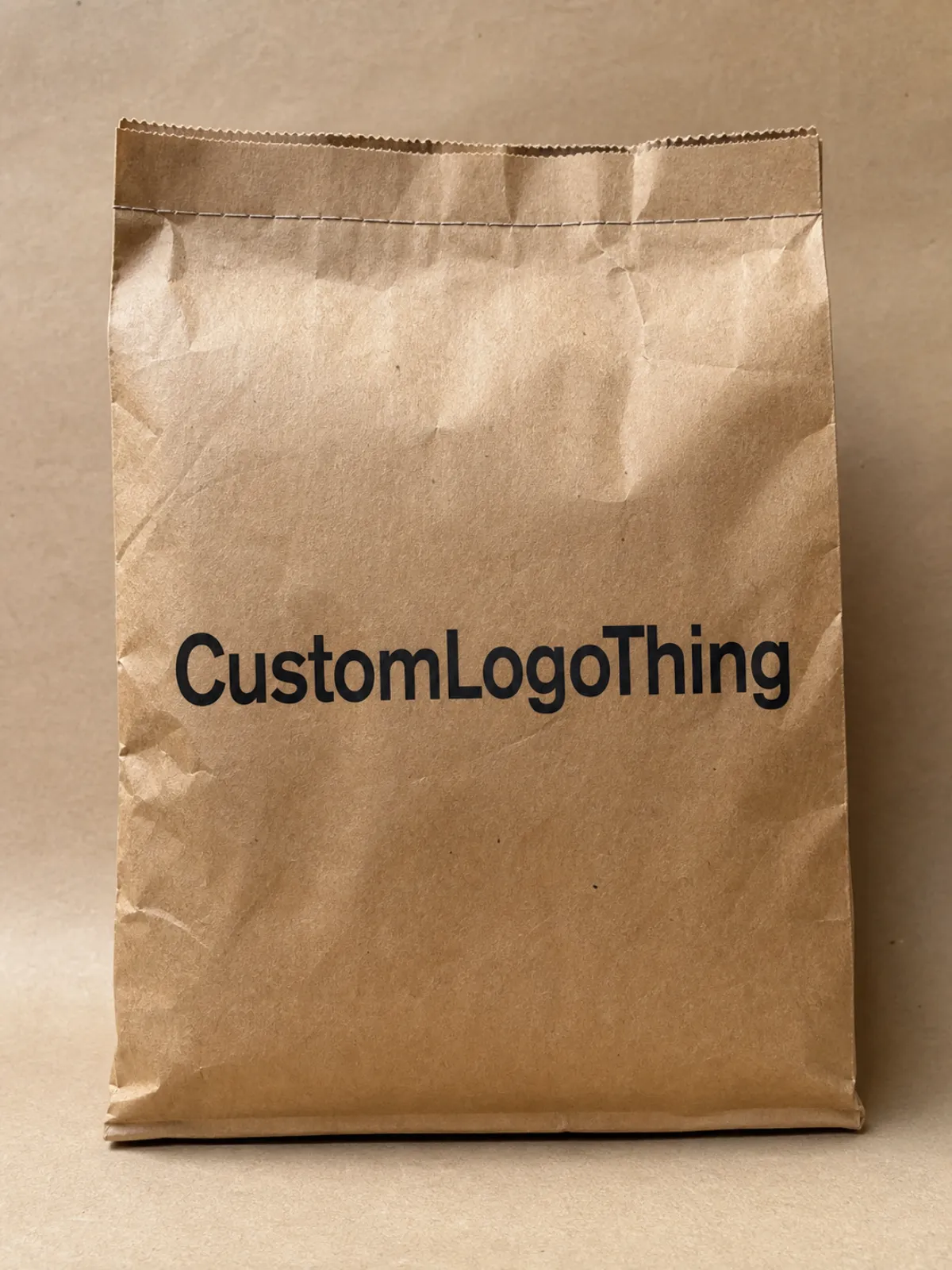
A plain kraft bag gets the product from counter to customer. A branded one keeps doing marketing after the sale has already happened. From a buyer's perspective, that is the central advantage of Printed Kraft Bags with logo: the bag moves through a neighborhood, into an office, across a parking lot, and sometimes into a photo on a customer phone, repeating the same visual cue each time. One handoff becomes several impressions.
That matters because packaging often travels farther than the purchase itself. A boutique shopper may carry the bag into lunch. A cafe customer may reuse it for groceries. An event attendee may take it to work the next day. None of that requires a billboard-sized logo. It only requires a bag that looks intentional and stays useful.
These bags are usually made from kraft paper stock and printed with one-color or multi-color branding. Handle styles vary, from twisted paper handles to flat handles to die-cut openings, depending on the item weight and the setting. Light versions suit apparel, gifts, and giveaways. Heavier versions use thicker paper, stronger bottoms, and reinforced tops for boxed goods, takeout containers, or retail purchases with more weight. The build is straightforward. The result can look surprisingly refined when the paper tone, logo size, and proportions are aligned well.
Kraft paper also has a visual advantage that many buyers underestimate. Its warm, natural surface gives a small logo a sense of restraint. The same mark that would feel plain on a white poly bag can feel considered on brown paper. A black logo on natural kraft reads cleanly and often feels more premium than a crowded full-color layout. Add a handle color that fits the brand and keep the artwork disciplined, and the bag starts to feel like part of the identity rather than packaging added at the last second.
Retail stores use these bags for carryout. Cafes and quick-service operators use them for takeout and pickup orders. Trade show teams fill them with handouts and welcome kits. Ecommerce brands sometimes tuck them into shipping cartons as reusable inserts that improve the unboxing moment. Different channel, same logic: keep the bag useful, keep the branding legible, and let the packaging travel.
The sustainability question comes up often, and for good reason. Kraft paper is commonly associated with paper recovery streams, but recyclability depends on the paper grade, coatings, inks, and any mixed-material reinforcement. For recycling guidance, the EPA recycling resources are a better reference than assumptions. The supplier should also confirm the exact bag build. Two bags can look nearly identical and behave very differently once they reach a recovery facility.
The appeal is not limited to appearance. These bags can serve as carryout packaging, brand touchpoints, and short-term reusable items in a single object. That is a lot of work for a paper bag. It is also why kraft remains such a reliable retail format.
How printed kraft bags with logo are made
The process begins with the paper itself. Kraft stock may use virgin fiber, recycled fiber, or a blend, and each option changes the look, stiffness, and tear resistance. Virgin kraft tends to produce a more uniform sheet and a cleaner print surface. Recycled kraft usually has more texture and variation, which can feel honest and less polished. The tradeoff is print consistency. Paper weight matters too. Many shopping bags sit around 100 gsm to 150 gsm, while heavier formats rise beyond that when the load requires it.
Fiber length and caliper shape the bag as much as grammage does. Caliper is the thickness of the paper, and a bag can pass a spec sheet while still feeling weak if the caliper is low or the bottom glue area is undersized. Buyers often compare only paper weight. That misses the part that matters when a boxed item, a bottle, or several folded garments are inside the bag. The better test is simple: does the bag stand up to real use without sagging at the handles or splitting at the gussets?
Print methods that change the result
Flexographic printing is common on larger runs because it handles repeat work efficiently, especially for one- or two-color logos and spot-color layouts. Screen printing suits bold artwork when the brand wants a heavier ink deposit, though it is slower and less suited to long production runs or fine detail. Digital printing fits shorter runs and artwork with more color variation, but the cost per bag usually rises. If the job needs a strict Pantone match, ask how closely the ink system can hold it on brown kraft. The paper tone always changes the final look.
Color behaves differently on kraft paper than on white paper. Deep navy can look flatter. Red can drift warmer. Pale colors need strong coverage or they disappear into the stock. Simple marks tend to perform best. Black, dark green, burgundy, and white usually read well. Soft tints need testing. If the brand depends on a precise shade, a printed proof or swatch comparison is worth the extra step before approval.
Structure, handles, and finishing details
The shape of the bag affects both appearance and performance. Gussets add depth so the bag can hold boxes and folded items without bulging. Flat handles are common in takeout and value-driven retail because they are economical and practical. Twisted paper handles create a more finished look and suit boutiques and gift packaging. Die-cut handles give a clean front face and work well for lightweight gifts or event kits, though they are not the first choice for heavy loads unless reinforcement is built in.
Bottom reinforcement matters more than many buyers realize. A pasted or folded bottom panel helps the bag stand upright and spreads the load more evenly. Top folds and handle patches reduce tearing where the weight pulls hardest. Finishing can include a matte feel, aqueous coating, or a light varnish. Aqueous coatings improve rub resistance and help the print survive handling while preserving more of the paper texture than a plastic laminate. If the bag may face condensation, drizzle, or cold drink cups, that decision deserves attention early.
When the bag needs testing for handling strength or shipping durability, the supplier should talk through expectations before production starts. Industry groups such as the ISTA offer useful frameworks for transit and handling tests, even when the finished item is not a freight package in the usual sense. The goal is not to overbuild a shopping bag. The goal is to match the structure to the real load so the packaging holds up in front of the customer.
Cost, pricing, and MOQ for printed kraft bags with logo
Price conversations usually get clearer once the variables are laid out. Bag size, paper weight, handle style, number of print colors, coverage area, and total quantity drive most of the cost. A small flat bag with a one-color logo almost always lands below a reinforced shopping bag with print on both sides and specialty handles. Large logo coverage or artwork that needs tight registration adds setup work, and the quote tends to reflect that.
MOQ matters because custom printing is not just a material purchase. Plates, setup time, color matching, proofing, machine adjustment, and run efficiency all sit behind the number. Small orders spread those fixed costs over fewer bags, which pushes the unit price up. Larger orders usually cut that unit price down fast. A buyer comparing 1,000 bags with 10,000 bags can see a real price gap even if the raw material seems similar.
It helps to break the quote into separate parts. Some vendors show only the bag price. Others include setup, proofing, freight, and packing in the landed total. A low headline number can hide a much larger shipment cost or plate charge. An honest comparison needs exact dimensions, paper grade, handle style, print method, turnaround time, and shipping terms. Anything less turns the quote into a guess.
| Option | Typical use | Approx. unit cost range | Notes |
|---|---|---|---|
| Stock kraft bag with no print | Basic carryout, temporary use | $0.10-$0.25 | Lowest setup, limited brand impact |
| One-color flexo print | Retail, cafes, simple branding | $0.18-$0.40 | Best balance for larger runs |
| Two-color or fuller coverage print | Boutiques, promotional packaging | $0.28-$0.65 | Higher setup and more press time |
| Heavy reinforced custom bag | Premium retail, boxed goods, gifts | $0.45-$1.20 | Cost rises with paper weight, handles, and reinforcement |
Those ranges are planning figures, not a quote. A 5,000-piece order with simple black print and standard twisted handles may land near the low end. A smaller run with custom sizing and premium paper can climb quickly. Freight changes the picture too. A bag that looks inexpensive on an ex-works quote can become much less attractive once shipping, import costs, or domestic delivery are added. Landed cost by destination makes the buying decision easier to defend.
Design choices can move the budget faster than teams expect. Full-bleed graphics use more ink. Specialty inks and foil accents add complexity. Custom PMS matching increases setup work. Thicker paper and extra bottom reinforcement raise material usage. Handle choice changes cost as well, because flat handles and twisted handles do not carry the same manufacturing burden. The cheapest path is not always the right one. Better to choose the amount of Branding That Fits the actual use case.
When comparing suppliers, ask for the same details each time:
- Exact bag dimensions, including gusset depth
- Paper weight and whether it is virgin, recycled, or blended
- Print method and number of colors
- Handle style and reinforcement details
- MOQ, setup charge, and proofing cost
- Lead time after artwork approval
- Freight terms and delivery destination
That level of detail keeps the comparison grounded in the actual build, not a vague idea of what the bag might be.
Process and timeline: production steps from quote to delivery
The sourcing process is simple in outline and unforgiving in execution. It starts with the spec: bag size, paper type, handle style, print count, quantity, and intended use. Once those inputs are clear, the supplier can prepare a quote that means something. Send only a logo file without dimensions or usage details, and the reply will rely on assumptions. Assumptions create surprises later.
Artwork review comes next. Dieline checks matter here. The logo needs to avoid folds, handles, and glue lines. A supplier should flag artwork that sits too close to the edge or uses details that are too fine for the chosen print method. A physical sample adds time, but it can save a launch when the bags are high-value or the deadline is fixed. Digital proofing is faster, yet it does not always show how ink behaves on brown kraft paper.
Production timelines vary with quantity and complexity, but a common custom run often lands in the 12 to 20 business day range after proof approval. Simple one-color work can move faster. Special finishes, full-color art, or custom handle assemblies add time. If the bag needs special paper sourcing, the lead time can stretch further. That is not unusual. Paper converting, print scheduling, drying, and packing all happen in sequence.
Delays usually come from a familiar set of causes. Artwork arrives late or in the wrong format. Brand approvals take too long. Someone changes the logo after proofing. A buyer realizes the bag is too small for the product. Or the promotion shifts dates and leaves no buffer for transit. The cleanest fix is to work backward from the date the bags are actually needed, then leave a margin of a week or two for revisions and shipping.
The order should sit on the same calendar as the merchandising or opening plan. If the store opening is fixed, bag approval deserves the same urgency as signage or menu finalization. It belongs on the critical path. A bag that arrives after the opening is not a brand asset yet. It is just stock waiting to be used later.
"A clean proof on screen does not guarantee a clean result on kraft paper. The paper tone, ink density, and handle placement all show up in the final bag, so the approval step deserves real attention."
Step-by-step guide to sourcing the right bags
The easiest way to source the right bag is to start with the contents and let the size follow. Retail purchases, takeout meals, gift packaging, trade show handouts, and ecommerce inserts do not need the same structure. A bag for folded apparel can be lighter and shallower than one for boxed candles or bundled meal containers. If the contents are tall or awkward, the gusset and handle placement matter as much as the front artwork.
Begin with the contents, not the logo
Before print enters the discussion, look at what the bag has to carry. Measure the widest item, the tallest item, and the likely bundle size. If the contents are boxed, leave enough room for easy insertion and removal. If the contents are loose, such as apparel or printed inserts, consider how much slump the bag will have and whether the logo will still be visible once the bag is filled. A beautiful bag that crushes the product or splits at the fold is a poor buy no matter how polished the mockup looked.
Match the print strategy to the artwork
A bold logo often looks better as a single-color treatment than as a crowded layout. If the identity depends on a specific color pair, two-color print may be the right move. If the campaign needs imagery, pattern work, or seasonal detail, digital print can make sense for shorter runs. Kraft paper rewards strong shapes and clear contrast. Thin rules, tiny text, and low-contrast gradients can muddy fast, especially on natural brown stock.
A simple logo usually gives the best return because it prints cleanly, reads from across a counter, and works across multiple bag sizes. If the brand needs flexibility, keep the print file modular so the core mark stays fixed while a short seasonal line or campaign message changes without rebuilding the whole structure.
Test the build before you commit
Request samples or mockups when the order is large enough to matter. A sample can show whether the handle feels comfortable, whether the paper stands upright, and whether the print has enough contrast against the kraft background. If the bag will carry heavier items, run a quick in-house loading check. Put the intended contents inside, lift the bag, and watch the handle anchor and bottom seam. Weakness is easier to fix on the sample bench than at the register.
For brands with sustainability goals, ask for paper details, coating information, and any third-party certifications. FSC chain-of-custody documentation, where available, can support responsible sourcing claims. The basics are available through FSC, after which the supplier can confirm which papers are covered. Certification does not replace material review, but it helps the buyer move with more confidence.
Use a sourcing checklist
Once the bag spec is approved, keep the order details in one place so reorders stay consistent. A simple checklist prevents drift between the first run and the second run, which is where many packaging programs quietly go off course.
- Bag dimensions and gusset depth
- Paper weight and paper type
- Handle style and reinforcement
- Print method, ink colors, and placement
- MOQ and unit price
- Proof type and approval date
- Lead time and freight terms
- Storage plan and reorder trigger
That checklist looks plain, and that is the point. It protects the buyer from small changes that quietly increase cost or reduce quality over time.
Common mistakes when ordering printed kraft bags with logo
The most common mistake is choosing a size that looks right in a spreadsheet and fails once the product is inside it. A bag can be tall enough and still be wrong if the gusset is too narrow or the handle placement throws off the balance. A bottle set, a boxed candle, and a folded shirt all stress the bag in different places. The right spec is the one that fits the actual contents, not the one that sounds standard.
Artwork causes trouble too. Thin lines can disappear into the texture of the kraft stock. Low-contrast colors may look flat. Dense graphics can turn busy once they print on brown paper. A logo that works beautifully on a website banner may need simplification before it behaves well on a shopping bag. If the design team wants a delicate look, ask for a test print on the actual stock before committing to a full run.
Practical details are easy to postpone and hard to fix late. Will the bag encounter moisture from chilled drinks or takeout containers? Does it need to stand upright at checkout? Is there a food-contact requirement? Does the customer carry it by hand for a long walk, or mostly from counter to car? These questions change the right paper weight and handle style. Skip them, and the sourcing decision is only half made.
Lead time creates another common trap. A buyer waits too long, then discovers that the MOQ is higher than expected, the proof needs revisions, or the freight option is slower than planned. That can force rushed approvals, expensive shipping, or a compromise on the bag spec. Printed bags are not difficult to source, but they do reward advance planning because printing and converting have to move in sequence.
Comparing quotes without checking paper grade or print method can also lead to false savings. Two suppliers may both say "kraft bag," yet one is using thicker stock, stronger handles, and a more controlled print process. The cheaper quote is not the better one if the bag tears earlier, prints muddy, or arrives with uneven folds. A lower sticker price only helps if the bag still does its job cleanly.
Expert tips for better branding and next steps
The strongest kraft bag designs are usually the simplest. A bold logo, enough empty space, and a clear front face often outperform a crowded layout. Customers see the bag at a glance, not as a slow read. The design has to work from a few feet away, in motion, and in a quick phone photo. If the logo is legible on a sidewalk, it will usually read well on a shelf too.
One useful habit is to keep one core bag spec in place across seasons. That gives the brand a stable default size, paper weight, and handle style while leaving room for a seasonal print variation or campaign note when needed. The result is less reorder confusion and a packaging program that is easier to manage. It also helps if the team wants to hold inventory for repeat items rather than place a fresh custom order every time.
Keep the approved spec file tight. Record the dimensions, final artwork, ink colors, paper grade, and vendor notes in one place. If a reorder happens six months later, nobody has to guess whether the handle was flat or twisted, or whether the logo sat 20 mm above the fold. Those details save time and prevent the small quality shifts that creep into repeat jobs.
Separate "nice to have" from "needed to have." Some brands truly need premium finishes. Many do not. If the bag is mainly a carryout item, a well-printed standard kraft bag may do more for the brand than a fancier structure with no clear use case. If the bag will be handed out at a high-visibility event or used for premium merchandise, spending more on thickness and print quality can pay back in perception.
Before placing the order, gather three things: the exact spec, an apples-to-apples quote, and a sample or proof you can approve with confidence. Then map the reorder calendar so the bags arrive before the next launch, promotion, or opening date. If the workflow is organized that way, printed kraft Bags with Logo stop being a purchase made under pressure and become part of the brand system. The practical takeaway is simple: start with the contents, insist on a real sample, and buy against the date the bags must be in hand, not the date the quote first arrived.
FAQ
How much do printed kraft bags with logo usually cost per bag?
Unit cost depends most on quantity, paper weight, bag size, handle style, and how many colors the logo uses. Small runs usually have a higher per-bag cost because setup and proofing are spread over fewer pieces. Freight, special finishes, and custom sizing can change the final landed cost, so the quote should include those details.
What is the minimum order for printed kraft bags with logo?
Minimums vary by printer and print method, but custom bags often have a higher MOQ than stock packaging. Simple one-color jobs may accept lower quantities than full-color or specialty-finish bags. Ask for the MOQ alongside the unit price so you can compare true ordering thresholds, not just a headline cost.
How long does production take for printed kraft bags with logo?
Turnaround depends on artwork approval, print complexity, quantity, and current production load. Proofing and revisions can add time, especially if color matching or custom dielines are involved. Build extra time into launch planning so bags arrive before the opening date, promotion, or seasonal rush.
Which printing method works best on kraft bags with logos?
Flexographic printing is common for larger runs with simple spot colors. Digital printing works well for smaller runs or artwork with multiple details, but the price per bag may be higher. The best method depends on the logo style, quantity, and how much contrast you need on natural kraft paper.
Are printed kraft bags with logo recyclable?
Many kraft bags are recyclable, but coatings, heavy inks, laminations, or plastic reinforcements can affect recyclability. Paper grade and local recycling rules matter, so it is worth confirming the exact material build. If sustainability matters to your brand, ask the supplier for material details rather than assuming all kraft bags are the same.


