Getting a Printed Poly Mailer Bags Quote for ecommerce is really about avoiding expensive surprises. A low sticker price can look appealing until the bag splits at the seam, the print rubs off during transit, or the freight bill climbs because the packaging was oversized. At that point, the “cheap” option is no longer cheap; it is just a delayed expense.
For ecommerce buyers, a useful quote has to show the full picture. Size, material, film thickness, print method, finish, and shipping assumptions all affect the final number. If those details are missing, you are comparing estimates that may look similar on paper but belong to very different products. That is how brands end up replacing packaging sooner than planned and paying twice for the same mistake.
Why ecommerce brands request printed mailer quotes before they place an order
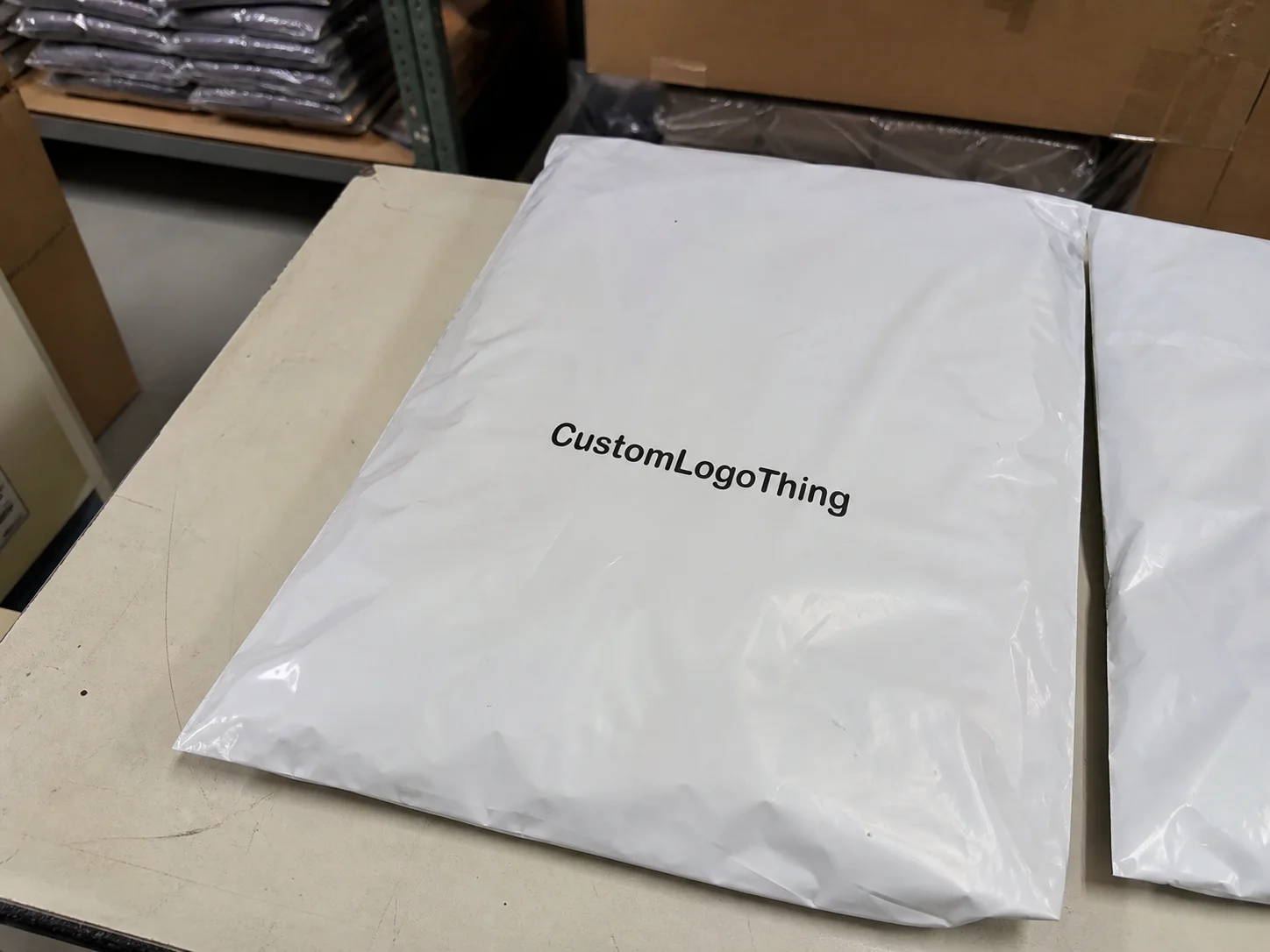
A proper quote gives you a buying framework. It is not a guess, and it is not a vague “starting from” number that leaves out the actual job. A clear Printed Poly Mailer Bags Quote for ecommerce helps you compare total landed cost, not just unit price. That matters because packaging is doing three jobs at once: protecting the product, presenting the brand, and fitting within shipping economics.
In practice, ecommerce brands use Printed Poly Mailers for apparel, accessories, cosmetics, subscription shipments, and lightweight hard goods. Some products need a branded outer shipper that looks polished on arrival. Others need a bag that can survive sorting, conveyor movement, and a few rough edges without tearing open. The quote should reflect the real use case, not an idealized one.
A mailer is not “just packaging.” It is the first customer touchpoint, the outer layer of protection, and sometimes the most visible part of the return process if the wrong construction is chosen.
Printed mailers also influence how a brand is remembered. A customer sees the logo before the box is opened, and that small moment can make a plain shipment feel more intentional. It does not require dramatic design work; it just requires consistency. A repeat logo, clean ink coverage, and the right finish do more than people expect.
When a buyer asks for pricing, the most useful suppliers should ask for the same core details every time:
- Bag size
- Material structure
- Print method and color count
- Thickness in microns or mils
- Shipping destination and freight assumptions
If a quote skips those points, it is not a real comparison tool. It is a placeholder with better formatting.
Product details that change how the mailer performs
Material selection changes the mailer from the ground up. Virgin PE film usually gives a cleaner print surface and more consistent strength from bag to bag. Recycled content can support environmental goals, but it also introduces more variability, so print quality and film consistency need a closer look. Co-extruded film is common because it balances strength, appearance, and cost without adding unnecessary complexity. Tamper-evident closures matter when visible seal integrity is part of the shipping standard.
Printing changes the quote just as much as the film does. A one-color logo on a white poly mailer is a different job from a full-coverage graphic on a black courier bag. Ink coverage, inside printing, outside printing, matte finish, and gloss finish all affect setup and production steps. More coverage usually means more ink, more control, and more time. The production line does not care how elegant the artwork looks; it still has to lay down material cleanly and consistently.
Here are the bag styles ecommerce buyers usually compare first:
- Flat poly mailers for apparel, accessories, and other soft goods
- Bubble mailers for lightweight items that need cushioning
- Courier bags for tear resistance and secure shipping
- Eco-positioned alternatives for brands prioritizing recycled or lower-plastic constructions
Functional details matter just as much as appearance. Adhesive strip strength determines whether the seal holds through transit and handling. Tear resistance matters in fast-moving fulfillment environments, where bags are stacked, packed, and sorted quickly. Opacity protects the contents and keeps the brand presentation intact. Water resistance is easy to overlook until a shipment gets exposed to rain or damp warehouse conditions and the outer bag becomes a soggy advertisement.
The right structure depends on what is being shipped. A folded shirt does not need the same build as a boxed cosmetic set, and a lightweight accessory bag does not need the same film thickness as a parcel with corners and pressure points. If the film is too light, you risk splits and customer complaints. If it is too heavy, you pay for extra material and freight you did not need.
For buyers comparing mailers with other packaging formats, Custom Packaging Products can be a useful starting point if you want to evaluate alternatives without rebuilding the spec from scratch.
Specifications to lock down before requesting pricing
This is where quotes become either dependable or messy. Before asking for pricing, lock down the spec so nobody has to guess. The biggest cost drivers are width, length, thickness, print coverage, and color count. Even a small size change can alter material usage, bag yield, and freight weight. Thickness is especially important because buyers often say they want the bag to be “stronger,” which sounds simple until resin usage, machine behavior, and pricing all move together.
A solid request should include:
- Bag size — width by length, plus gusset if needed
- Thickness — for example, 60–80 microns for many standard apparel mailers, depending on the product and handling environment
- Print colors — one-color, two-color, or full coverage
- Finish — matte or glossy
- Seal style — standard peel-and-seal or tamper-evident
- Artwork format — vector files are usually the cleanest starting point
- Destination — so freight is calculated on an actual route, not a guess
Size should be based on the folded product with enough room for easy loading, but not so much room that the package looks loose or the seal area gets stressed. Apparel and soft goods can tolerate slightly forgiving dimensions. Boxed items are less forgiving because corners create pressure points and can push against the film during transit. If the bag is too tight, it will fail faster. If it is too loose, it looks sloppy and wastes space.
Finished dimensions also deserve attention. Most Custom Poly Mailers allow some tolerance in the final bag size, seal width, and gusset behavior. That is normal in film production. What buyers should avoid is assuming retail-package precision unless the supplier clearly states it. If a specific fit matters, ask for a mockup or a dieline proof before production begins.
Claims around recyclability, recycled content, or material disclosure should be handled carefully. A quote should reflect the real construction, not a vague marketing label. If your team tracks packaging sustainability metrics, the EPA provides useful background on materials management and recycling at EPA recycling resources. It will not choose the right mailer for you, but it does help keep the conversation grounded in actual material handling.
A clear spec sheet reduces rework. It also keeps the proof aligned with what the factory will manufacture, which is the part that matters when the order reaches production.
Pricing, MOQ, and unit cost: what really moves the number
Most buyers focus on unit price first. That is understandable. It is the line item that appears easiest to compare. In reality, the price per bag is shaped by volume, size, film thickness, print complexity, and setup cost. Add more print colors and the setup gets more involved. Increase coverage and you need more ink and tighter control. Choose a larger bag and you use more film. Specify heavier thickness and resin usage rises with it.
Low-MOQ orders usually carry a higher unit cost because setup costs are spread across fewer bags. That does not make small orders a mistake. It simply reflects the economics of production. A 1,000-piece run often costs more per unit than a 10,000-piece run, even if the bag looks identical, because press setup, proofing, plates, and labor do not shrink just because the order is smaller.
For Printed Poly Mailers, many custom runs start somewhere around 1,000 to 5,000 pieces, though the exact floor depends on the supplier and the print method. Simple one-color work can sometimes go lower. Specialty film, full coverage, or more demanding artwork can push the MOQ upward. Brands launching a first run often accept the higher unit cost in exchange for lower inventory risk.
| Order Size | Typical Unit Cost Range | Best For | Notes |
|---|---|---|---|
| 1,000 pcs | $0.28-$0.55 | Testing a new design or small launch | Higher setup share; limited room for negotiation |
| 3,000 pcs | $0.20-$0.38 | Growing ecommerce brands | Better balance of cost and flexibility |
| 5,000 pcs | $0.16-$0.30 | Steady monthly shipping volume | Often a practical breakpoint for pricing |
| 10,000+ pcs | $0.12-$0.24 | Established brands and repeat SKUs | Lower unit cost, but more storage commitment |
Those ranges are directional, not fixed quotes. Size, thickness, print colors, freight lane, and finish can move them quickly. If a number looks unusually low, check what is not included. Freight, taxes, plates, sampling, and setup charges are common places to hide the real cost.
Request tiered pricing at 1K, 3K, 5K, 10K, and 20K units if your order might scale. That gives you real breakpoints and makes it easier to decide whether to place a test run or commit to a larger quantity. For brands with predictable growth, it can make sense to compare the storage cost of buying more now against the higher unit price of buying less and reordering sooner.
It also helps to separate production cost from freight, duties, taxes, and sample charges. A quote that lumps everything together hides the decisions. A cleaner comparison separates the packaging cost from the landed cost so you can see exactly where the money goes. That is the difference between a workable plan and a number that only looks good in an email.
Process and turnaround: how the quote turns into a finished order
The process should be straightforward: send the spec, receive the estimate, approve the artwork, confirm the sample, move into production, then ship. That is the normal sequence. If the supplier makes it sound unusually complicated, the issue is usually a missing detail, not the packaging itself.
Delays almost always come from the same places: unclear artwork, missing logo files, late proof approval, or color changes after the first review. If the logo only exists as a screenshot or a low-resolution image pulled from social media, the proofing stage slows down immediately. Vector files, brand color references, and a clear note on print placement save time and reduce back-and-forth.
Timing depends on the structure and the print job. A simple sample can often take 5-10 business days. Bulk production commonly takes 12-20 business days after proof approval, depending on quantity, film type, and print complexity. Shipping has its own schedule on top of that. Air is faster and more expensive; ocean freight is slower and usually more economical on larger runs.
Simple runs with stock film, limited colors, and standard construction usually move faster. Multi-color artwork, custom film, and specialty finishes add time because the line needs more setup and more quality checks. If a launch date is fixed, ask for a production calendar with three checkpoints:
- Proof approval date
- Press start date
- Estimated ship window
For transit durability, packaging test methods are useful references. You do not need to become a test engineer, but you do want mailers that survive actual handling, not just a polished mockup. The ISTA organization publishes widely used packaging test standards that help frame that conversation: ISTA test standards.
If your packaging claims need to align with sustainability or sourcing standards, verify those details early rather than after production begins. In mixed-material packaging programs, the paper-based components may also need a different certification discussion. For reference, FSC certification information is useful when paper enters the packaging mix.
For buyers who already know the spec and want the quote tied to an actual timeline, Contact Us with the size, quantity, artwork, and destination. That is usually enough to start a proper comparison without the usual round of guesswork.
Why a custom packaging supplier beats a random online listing
A random online listing can look cheaper for a moment. Then the size tolerance is unclear, the material description is vague, the seal is weak, or the seller cannot explain what film is actually being sold. That is not savings. It is risk packaged as convenience.
A Custom Packaging Supplier gives you more control over the details that matter. The same team can handle artwork checks, material sourcing, production planning, and proof approval, which reduces the number of handoffs where misunderstandings usually creep in. That matters more than most buyers realize because each handoff creates an opportunity for a measurement, color, or finish to drift.
Good suppliers should be able to support:
- Artwork setup and logo placement
- Pantone guidance when color matching matters
- Material selection based on shipping requirements
- Compliance questions tied to packaging claims
- Repeat orders using the same approved spec
Direct manufacturing usually creates better pricing visibility too. If a proof needs adjustment, you want that resolved before production begins. If the bag size shifts by a few millimeters, you need to know whether that changes film usage or fit. If the adhesive requires a stronger closure, that should be addressed at the quote stage, not after the bags have already been printed.
Most buyers are not paying for polished language. They are paying for fewer surprises: consistent ink, repeatable sizing, seal integrity, and freight assumptions that are close to reality. That is the real value of a supplier that understands custom mailers instead of just listing them.
How to request an accurate printed mailer quote
If you want a useful quote, send the information that actually changes the price. A vague “need mailers” message usually leads to follow-up questions, a longer timeline, and a quote that still needs correction. A better request is specific from the start:
- Bag size
- Intended product
- Quantity
- Print colors
- Finish
- Shipping destination
- Artwork files
- Any reference samples or packaging photos
Send the logo files up front. Include the product type. If you already have a sample bag or a photo of a package style you like, include that too. It reduces re-quoting and helps align the first proof with what you actually want. A good supplier can usually return a few options, such as budget, balanced, and premium, which is more useful than a single number that ignores the tradeoffs.
Always confirm what the quote includes. Sampling, freight, taxes, plate charges, and setup fees can all change the final total. A quote that leaves those details out may look attractive until the bags arrive at the warehouse and the cost has grown in all the places nobody highlighted.
If your current shipper is plain, oversized, or too fragile, compare it against a custom printed option using the same standards: fit, strength, branding, and shipping cost. That comparison usually makes the next step obvious. If the spec is already set, requesting a printed Poly Mailer Bags quote for ecommerce is mostly a matter of sending the right details and approving the sample once it matches the plan.
What do I need to request an accurate printed poly mailer bags quote for ecommerce?
Provide bag size, thickness, quantity, print colors, product type, and shipping destination. Artwork files and reference photos help the supplier price the job correctly the first time.
How much does a custom printed poly mailer cost per unit?
Unit cost depends mostly on volume, size, film thickness, and print complexity. Smaller orders cost more per bag because setup is spread across fewer pieces.
What is the usual MOQ for printed poly mailers?
Many custom runs start around 1,000 to 5,000 pieces, though the exact MOQ depends on the supplier, the film structure, and the decoration method. More complex jobs usually require a higher minimum.
How long does production usually take after approval?
Simple samples can often be produced in 5-10 business days, while bulk production commonly takes 12-20 business days after proof approval. Shipping time is separate and depends on the freight method.
Can I get a sample before placing the full ecommerce order?
Yes, and it is the safer route if fit, print quality, and seal performance matter. A sample catches size issues and finish problems before you commit to a full run.


